


Is a Refurbished iPhone Worth It in the UK in 2026?

27/01/2026

8 Mins
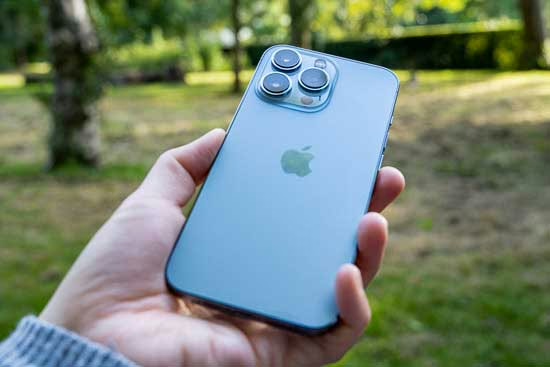
Is a refurbished iPhone worth it in the UK in 2026?
A brand-new iPhone 16 at its retail price can still feel like a “gulp” moment at checkout, especially if you’re paying SIM-free and want to stay in the Apple ecosystem. If you can knock a few hundred pounds off that cost and still get a refurbished iPhone you’ll happily use every day, it’s tempting.
So, is a refurbished iPhone worth it for UK buyers in 2026? For most people, yes, if you buy it the right way. A good refurb is like buying a used car from a dealer instead of a random driveway; you’re paying for checks, paperwork, and comeback if something’s not right.
This guide covers cost vs value, who refurbished suits, the real risks, what to expect on warranty and battery health, a simple buyer checklist, and quick FAQs. There’s also a quiet bonus: buying refurbished keeps a working phone in use and cuts e-waste, reducing environmental impact, without turning it into a lecture.
Cost vs value in the UK, what you really save and what you give up
The headline reason people choose refurbished is simple: to save money. In January 2026, typical savings sit anywhere from 20% to 70% depending on the model, condition grade, and where you buy. On newer models, it’s common to save £200 to £300+, which covers a year of SIM-only data for a lot of people.
Why do prices swing so much? A few factors do most of the heavy lifting:
- Model age: last year’s Pro refurbished iPhone models drop faster once the new ones land.
- Storage capacity: 256GB and 512GB refurbished iPhones don’t always scale neatly, sometimes the “bigger” phone is oddly close in price.
- Grade: “like new” costs more, “good” can be the sweet spot if you don’t mind light cosmetic wear.
- Seller and stock: when trade-ins flood in after Christmas, deals improve, when stock dries up, prices creep back.
What do you give up? Mostly the “unboxing feeling” and, sometimes, perfect cosmetics. You might also miss out on the very latest model, colour or minor spec bump. For most buyers, that’s a fair trade, especially if you’re comparing a sensible refurb to a pricey contract for a brand new handset you don’t really need (for deal context, see Which?’s iPhone deal round-up).
One more point that matters in the refurbished iPhone UK market: peace of mind has a price, particularly for sim-freeoptions. A proper refurb should come tested, wiped, graded, and backed by a real returns policy. That’s what separates “a bargain” from “a hassle”.
Real-world price gaps you can expect in January 2026
Prices move fast, but these are realistic ranges you’ll recognise across UK refurb sellers right now:
- iPhone 16 Pro: often saves roughly £180 to £400 depending on grade and storage.
- iPhone 15 Pro Max: commonly several hundred pounds cheaper than buying new, especially in “good” grade.
- iPhone 14 Pro Max: frequently lands in a “why is this so cheap?” zone, with savings that can feel closer to 60%on the right listings.
- iPhone 13 range: big value for everyday use, often more than half off older new pricing.
- iPhone 11: very low entry cost, but you’re buying age as well as a phone.
A quick rule from years of selling handsets: a slightly newer refurb often beats a much older cheap model. You’ll usually get better battery life, longer iOS support, and 5G.
Used vs refurbished, why the cheaper option can cost more later
“Used” often means sold as-is. “Refurbished” should mean tested, repaired if needed, data-wiped, and graded. That difference sounds boring until you’re the one stuck with a dodgy battery or a Face ID fault.
Here’s the practical comparison:
What matters day-to-dayUsed (private second-hand sale)Refurbished (retailer)Fault checkingBasic or noneTested and verifiedBattery clarityOften unknownUsually stated or minimum setReturnsRareCommon (14 to 30 days)WarrantyOften noneCommonly 12 months
Used can be fine for a spare phone or a tinkering project. For a daily driver, refurbished is usually safer, because the hidden costs are real: battery replacements, screen problems, random overheating, and the time you lose sorting it out. Apple’s own buying tips are worth a skim, even if you don’t buy from Apple, see Apple’s pre-owned iPhone checklist.
Who a refurbished iPhone is best for (and when it’s not)
A refurbished iPhone shines when you want a phone that “just works”, without paying top money.
It’s a strong fit for budget-conscious buyers like students on SIM-only, parents buying a first iPhone (where a scuff is less heartbreaking), and anyone upgrading from an older handset who mainly wants better photos, faster performance, improved battery life, and a battery that lasts the day. It also suits small businesses buying a handful of work phones, because matching models and predictable warranties make life easier. And if you like having a backup phone for travel or emergencies, a refurbished iPhone or pre-owned device is the sensible way to do it.
When is it not the right choice? If you must have the latest release on day one, refurbished will always feel like yesterday’s news. It’s also not ideal if you’re extremely picky about tiny marks, or if you’re a heavy battery user who won’t accept anything less than top health. In that case, aim for sellers that fit new batteries or look at Apple Certified Refurbished.
The sweet spot models for most people in 2026
For most UK buyers, value lives in the middle. The iPhone 13 to iPhone 15 range is usually the safest bet, modern enough to feel quick, supported long enough to keep resale value, and not so new that prices sting. If you want a budget option for light use (calls, WhatsApp, basic photos), an iPhone 11 can still do the job, just don’t expect it to feel fresh for years.
Think in needs, not hype:
- Want 5G and a strong camera without overspending? Look at iPhone 13 or 14 series, including the iPhone 14 Pro.
- Want a more “current” feel and better longevity? iPhone 15 refurbs are often a smart compromise.
- Buying sim-free (very common in the UK) makes refurbs even more attractive, because your monthly bill stays low while the phone stays decent.
Risks to avoid, warranty and battery rules, and a simple buyer checklist
Refurbished is only worth it if the basics are solid. The red flags are usually obvious once you know what to look for: no warranty, vague grading, prices that are wildly lower than everyone else, missing returns details, and sellers who hide behind marketplace usernames.
Start with warranty expectations. In the UK, 12 months is common for reputable refurb sellers, and some offer longer. Apple’s own certified refurbished devices come with a 1-year warranty too, plus a fresh outer shell and battery as part of the professional restoration process (see Apple’s Certified Refurbished promise). That’s the gold standard for “what refurbished should mean”.
Battery health is the other make-or-break. In plain terms, battery capacity drops with age. Many refurb sellers set a minimum, often 80%+, with better grades sometimes higher. If you can, aim for 85%+ for a main phone, unless the seller fits a new battery. Battery health matters for the internal components too. If you’re worried about parts quality, Apple explains why batteries matter in Apple’s guidance on genuine iPhone batteries.
UK consumer rights also help, including warranty protections. Buying from a retailer (not a private sale) means the phone must be as described and fit for purpose under the Consumer Rights Act. You also often get a cooling-off period for online buys, plus warranty coverage from proper sellers. This isn’t legal advice, but it’s one more reason a proper seller beats a random listing.
If you want to see what a structured refurb flow looks like, Used Mobiles 4U lays it out clearly on their refurbishment process page, covering testing and repairs. That kind of transparency is what you’re looking for.
Warranty, returns, and battery health, what to check before you pay
Keep it simple and check these points:
- Warranty length: 12 months is a good baseline.
- Return window: often 14 to 30 days, longer is better.
- Battery health statement: aim for 85%+ if possible, accept 80%+ from a reputable seller with warranty.
- Parts quality: ask if parts are genuine or high-quality equivalents.
- Unlocked status: unlocked keeps your SIM-only options open.
After delivery, check battery health on the phone via the settings app: Settings, Battery, Battery Health & Charging. Verify the model number and model identifier there too. If it’s much lower than promised, contact support straight away and use the return policy. Also note: AppleCare+ usually has sign-up limits, so a third-party refurbished iPhone might not qualify.
The 10-point UK buyer checklist (copy, paste, done)
- Model and storage: pick the right size (128GB vs 256GB matters).
- Grade meaning: read what the grading system says “pristine condition”, “excellent”, or “good” actually means.
- Battery statement: minimum percentage, or new battery fitted.
- Warranty length: get it in writing.
- Return policy: time window and who pays return postage.
- Network lock status: confirm it’s unlocked.
- IMEI and blacklist status: ensure it’s clean and not barred.
- Water damage checks: look for seller testing and indicators.
- What’s in the box: charging cable, plug, tool, and packaging details.
- Delivery and support: tracked UK delivery and reachable support.
If you want quick examples of budget vs newer ranges, compare something like refurbished iPhone 11 options against refurbished iPhone 15 options. It makes the value jump feel very real.
Conclusion: the 2026 verdict for UK buyers
For most people in the UK, a refurbished iPhone is worth it in 2026, as long as you buy from a trusted seller with a clear grade system, a solid warranty, and an easy return policy. The savings are often big enough to change your whole upgrade plan within the Apple ecosystem, and you’re not gambling on a stranger’s “works fine mate” message.
If you’re ready to shop, focus on battery health, warranty terms, and transparent testing. Start by reading a seller’s process (Used Mobiles 4U’s refurbishment process is a good example), then browse a refurbished iPhone model range that fits how you actually use your phone.
Quick FAQs
Refurbished vs second-hand: what’s the difference?
Refurbished should be tested, wiped, graded, and sold with warranty; second-hand is often sold as-is.
What battery health should I accept?
Aim for 85%+ when you can, accept 80%+ if the seller is reputable and warranty-backed for solid battery life.
What warranty length is normal in the UK?
12 months is common with good refurb retailers, some offer longer.
Can you get a refurbished iPhone on contract?
Yes, some UK retailers offer refurbished on plans, but many people buy sim-free and use SIM-only.
Are refurbished iPhones reliable?
They can be very reliable if they’re properly tested and covered by warranty and returns.
Which model is best value in 2026?
For most people, an iPhone 13 to 15 refurbished is the best balance of price, performance, and support.
AUTHOR:
James Waterston, Owner (25 years in the industry)
LinkedIn: https://www.linkedin.com/in/james-waterston-9039a21a/
Looking for a refurbished phone?
Shop professionally tested refurbished iPhones and Samsung phones with 18 month warranty, 30 day returns and free UK delivery.
Browse Refurbished Phones