


Get the Best Refurbished iPhone Deals UK 2026

12/05/2026

12 Mins
Refurbished iPhone deals UK buyers can save a lot upfront. In 2023, refurbished phones made up 25% of all UK phone sales, up from 19% in 2021, and UK refurbished phone sales surged 32% year on year according to The Independent's reporting on GfK market data. The best value usually comes from checking the grade, battery health, warranty and seller reputation, not from choosing the lowest price on the page.
If you’re comparing a cheap used iPhone from a marketplace seller with a refurbished one from a retailer, the right choice usually comes down to risk. A lower sticker price can look good today, but battery condition, returns, and after-sales support are what decide whether it was actually a good deal.
Quick Verdict
- Best for: Buyers who want an iPhone for less than new, parents buying a first mobile, and businesses needing reliable SIM-free handsets.
- Not ideal for: Anyone who only shops by lowest price and doesn’t want to check battery health, grading or warranty details.
- Typical cost or price range: UK deals vary widely. Verified examples include iPhone 11 from £128, iPhone 12 from £149, iPhone 13 Pro from £379, iPhone 14 Pro Max from £429, and iPhone 16 Pro from £699 to £819 depending on seller and condition, as reported by [The Independent](https://www.the-independent.com/extras/indybest/gadgets-tech/phones-accessories/best-refurbished-iphone-deals-b2318404.html) and [The Big Phone Store](https://www.thebigphonestore.co.uk/blog/2023-refurbished-phones-were-quater-of-uk-sales/).
- Better alternative: If long battery life and minimal wear matter more than the lowest price, buy a newer refurbished iPhone in a higher cosmetic grade from a retailer with a proper warranty.
- Main risk: A cheap phone with weak battery health or no meaningful return option can cost more over time.
- Practical recommendation: Buy the newest refurbished iPhone you can comfortably afford, but only from a seller that clearly states grade, battery standard, warranty and return terms.
Quick Comparison
- Used from a private seller: Usually cheaper, but you may get no testing, no data-wipe assurance, no return, and no warranty.
- Refurbished from a retailer: Better if you want a tested phone, clearer grading and support if something isn’t right.
- Certified refurbished: Best for buyers who care about lower risk and documented checks.
- Cheapest option: Only worth it if you’re prepared for cosmetic wear, shorter battery life, and possible repair decisions later.
- Best value for most people: A mid-generation iPhone in good or excellent condition with strong battery health and a real warranty.
What ‘Refurbished’ Really Means in the UK
A lot of buyers use used and refurbished as if they mean the same thing. They don’t. In practice, the difference matters because it changes what checks have been done, what faults have been found, and what support you get if the phone turns up with a problem.
Used usually means sold as seen
A used iPhone is often just a second-hand mobile sold privately or through a marketplace listing. It might be perfectly fine, but it may also have hidden issues such as poor battery health, charging faults, Face ID problems, weak speakers, or a previous repair with lower-quality parts.
That’s why buyers need to be careful with listings that focus only on storage, colour and price. If the seller doesn’t mention battery condition, whether it’s SIM-free, or whether all parts are working properly, you’re taking on more of the risk yourself.
Practical rule: If a listing says “fully working” but doesn’t explain what was tested, assume very little has been checked.
Refurbished should mean tested and prepared for resale
A refurbished iPhone should have gone through inspection, testing and cleaning before resale. If faults were found, they should have been repaired or the device should have been rejected from stock.
That process is one reason demand has grown so strongly. In 2023, UK refurbished phone sales surged by 32%, and refurbished devices accounted for 25% of all phone sales in the market, up from 19% in 2021, according to [The Independent’s summary of GfK data](https://www.the-independent.com/extras/indybest/gadgets-tech/phones-accessories/best-refurbished-iphone-deals-b2318404.html).
- What you want to see: Clear grading, tested functions, confirmation that the phone has been data-wiped, and proper return terms.
- What to avoid: Vague wording such as “looks great for age” with no detail on battery, network status or warranty.
- Why it matters: A refurbished phone isn’t just about appearance. Internal condition matters more than small cosmetic marks.
Certified refurbished adds more trust
When a retailer says a phone is certified refurbished, that should mean a more structured process and some level of guarantee. The exact standard varies by seller, so don’t assume every retailer uses the term in the same way.
A good way to judge that standard is to read the seller’s own explanation of how phones are checked and graded. If you want a practical benchmark, the Used Mobiles 4 U iPhone quality standards page shows the kind of information a retailer should make easy to find before you buy.
Decoding iPhone Grades Battery Health and Warranty
Once you’ve ruled out vague marketplace listings, three things decide whether a refurbished iPhone is actually a smart buy. Those are the grade, the battery health, and the warranty.
Grade tells you about cosmetics, not always internal condition
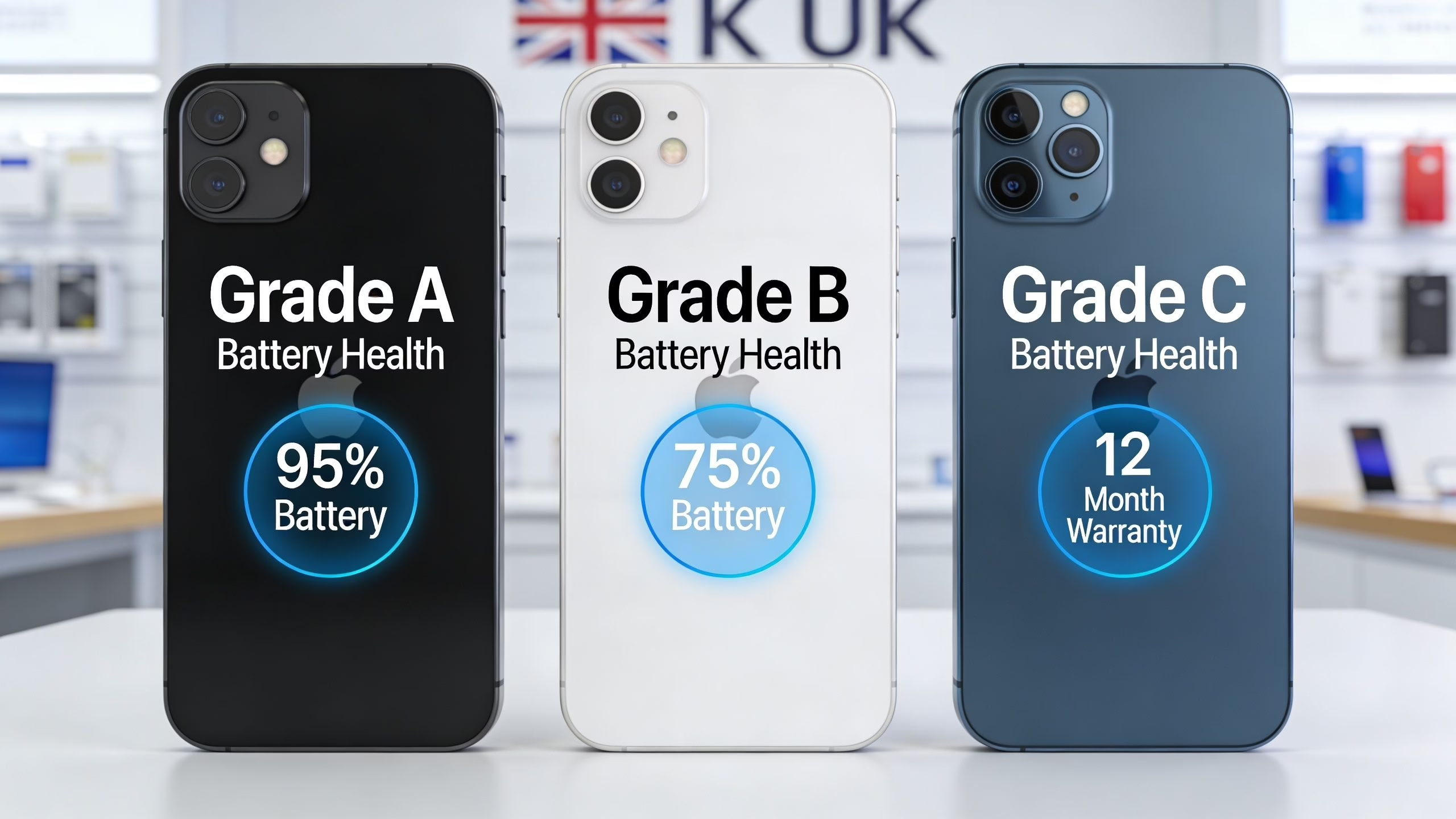
Most retailers use terms such as Like New, Excellent, Very Good or Good. These grades usually describe cosmetic condition first. They don’t automatically tell you whether the battery is strong or whether the phone has had previous repairs.
That’s where buyers get caught out. A phone can look spotless and still have a tired battery. Another can have a few marks on the frame but be the better long-term buy because the battery is much healthier and the seller has tested it properly.
- Like New: Best if you want minimal visible wear and are happy to pay more for cleaner cosmetics.
- Excellent or Very Good: Often the sweet spot for value, because you usually get a nicer phone without paying top money for appearance alone.
- Good: Fine if you don’t mind marks and want the lowest entry price, but check the rest of the listing carefully.
If grading terms feel inconsistent between sellers, that’s because they often are. A retailer-specific guide to refurbished iPhone grades is worth reading before you compare listings side by side.
Battery health is one of the first things to check
Battery health affects everyday use more than most buyers expect. Poor battery condition means shorter screen time, more charging, and in some cases slower performance under load.
Many deal pages talk about price and storage, but battery condition has a direct effect on how long the phone remains good value. One of the gaps in the market is that sellers often don’t explain how a minimum battery standard translates into real ownership over the next year or two.
A customer once brought in a marketplace “pristine” iPhone that looked excellent from the outside. The problem was battery health. It was low enough that the phone needed charging far more often than expected, and the cheap purchase didn’t feel cheap anymore.
On an iPhone, you can check this after setup by going to Settings > Battery > Battery Health & Charging. If you’ve just received the phone, that’s one of the first screens worth opening.
Warranty matters more than most deal pages admit
A refurbished iPhone without a clear warranty leaves you doing all the chasing if something goes wrong. A proper retailer warranty won’t stop faults happening, but it changes how easy they are to sort out.
This is especially important on older models where buyers are balancing lower price against more years of use already behind the device. A warranty also tells you something about the seller’s confidence in their own testing process.
- Look for: Written warranty terms, a clear return process, and UK support contact details.
- Be cautious if: The seller talks about “buyer protection” but doesn’t explain their own after-sales support.
- Best mindset: Treat the warranty as part of the deal value, not as an optional extra.
Comparing Popular Refurbished iPhone Models
Most buyers don’t need the newest iPhone. They need the model that still feels modern, runs well, and won’t turn into a compromise after a few months of use. That’s where refurbished iphone deals uk searches get more useful when you compare by real ownership value, not by original launch position.
The refurbished market has stayed strong even while new iPhone sales softened. Apple’s global iPhone shipments declined by 3% to 5% year on year in both 2023 and 2024, yet UK buyers still saved up to 40% off RRP on certified refurbished iPhones, with examples including the iPhone 14 Pro Max from £429 and the iPhone 13 Pro from £379, according to [The Big Phone Store’s summary of the market](https://www.thebigphonestore.co.uk/blog/2023-refurbished-phones-were-quater-of-uk-sales/).
Best budget picks
- iPhone 11: A sensible choice for lighter users, teens, or anyone replacing an older handset without spending much. Verified deals include iPhone 11 from £128 in fair condition from Back Market, as noted in [The Big Phone Store article above](https://www.thebigphonestore.co.uk/blog/2023-refurbished-phones-were-quater-of-uk-sales/).
- iPhone 12: Often the better budget buy if you want a more current feel and longer useful life. Verified listings include iPhone 12 from £149 in fair condition, cited in that same market roundup.
Between those two, I’d usually lean towards the iPhone 12 if the battery condition and warranty are right. It tends to be the safer choice for buyers who want a phone to keep rather than just get by with.
Best all-round value
- iPhone 13: A strong option for most people because it balances age, price and day-to-day performance well.
- iPhone 13 Pro: Particularly attractive when the refurbished price sits close to a standard newer model. Verified market examples place it from £379, which is why it often stands out for buyers who want a more premium feel without jumping to a much newer handset.
- iPhone 14: Good if you prefer a newer generation, but the value depends heavily on how close the price is to a 13 Pro or 14 Pro.
When two refurbished iPhones are close in price, don’t just buy the newer number. Compare the grade, battery health and whether the model gives you a better screen, camera or storage for similar money.
Best higher-end value
- iPhone 14 Pro Max: Strong value for buyers who want a bigger display and premium hardware without paying new-device money. Verified listings show it from £429.
- iPhone 15 Pro: Worth a look if you want a newer high-end iPhone but still want to avoid full retail pricing.
- iPhone 16 Pro: Verified refurbished examples include £699 from Giffgaff, £761 in excellent condition from Back Market, and £819 on Amazon Renewed, as reported by [The Independent](https://www.the-independent.com/extras/indybest/gadgets-tech/phones-accessories/best-refurbished-iphone-deals-b2318404.html).
If you want a broader shortlist before deciding, this roundup of the best refurbished iPhones is a useful place to compare likely value picks.
The True Cost of a Refurbished iPhone
This is the part most deal roundups miss. A cheap refurbished iPhone can still be poor value if it needs attention sooner than expected.
Upfront price matters, of course. But the better question is this: what will the phone cost you to own over the next year or two, once battery life, reliability, returns, and possible repairs are taken into account?
Why the cheapest listing isn’t always the cheapest choice
One of the clearest examples in the market is a budget refurbished iPhone 12 at £149. As noted by Back Market’s iPhone page summary, a phone at that sort of price point might need a battery replacement within 18 months, which can offset the initial saving.
That doesn’t mean a cheaper phone is automatically a bad buy. It means the price only makes sense if the rest of the condition lines up with your expectations. If the battery is already tired and the warranty is thin, that low upfront figure can stop looking attractive quite quickly.
- Battery wear: This is often the hidden cost that catches buyers first.
- Short returns: If you don’t have long to test the phone properly, you may miss faults that only show up after normal daily use.
- Unknown repair history: A phone can work on day one and still have lower-quality replacement parts inside.
- Downtime: If the mobile is for work, school runs, or family contact, hassle matters as much as money.
Think in ownership terms
When customers ask me whether to buy the absolute cheapest grade, I usually tell them to think about how they use the phone. If it’s a spare handset, a lower grade may be fine. If it’s your main mobile, your teenager’s daily phone, or a business line, reliability usually matters more than shaving a bit more off the price.
A stronger warranty adds value because it reduces the financial risk after purchase. A clearer battery standard adds value because you have a better idea what daily use will feel like. Better grading transparency adds value because you know whether you’re paying for cosmetic condition or actual practical lifespan.
Worth remembering: Total cost of ownership isn’t just money spent on repairs. It’s also time spent returning the phone, setting up a replacement, or being without the mobile when you need it.
What better value looks like in practice
Say you’re choosing between two refurbished iPhones of the same model. One is cheaper but has weaker battery health and limited support if there’s a problem. The other costs a bit more but has stronger battery condition, transparent grading and a proper warranty. For many buyers, the second phone is the better deal even though the checkout price is higher.
That’s especially true for parents buying a first iPhone for a child. They usually want a phone that simply works, holds charge properly, and can be returned without an argument if something isn’t right.
How to Buy Safely and Avoid Common Pitfalls
Buying safely isn’t complicated, but it does require a checklist. The main mistakes happen when buyers rush through the listing, assume all refurbished sellers work the same way, or skip the first round of checks after delivery.
Before you buy
- Check the seller’s reputation. Look at independent review platforms and Google reviews. Don’t focus only on the overall score. Read the recent comments about returns, battery issues and after-sales support.
- Read the grading notes carefully. “Excellent” from one seller may look more like “Very Good” from another.
- Confirm it’s SIM-free. If that isn’t stated clearly, ask before ordering.
- Read the return terms in plain English. You want to know how returns work, not just that returns exist.
- Watch for fraud signals. Unrealistically low prices, pressure to pay outside normal checkout, or vague seller identities are all red flags. If you want a wider overview of practical [ecommerce fraud prevention tactics](https://www.ecorn.agency/blog/prevent-ecommerce-fraud), ECORN’s guide is a useful reference for spotting common scams before you place an order.
As soon as the phone arrives
Before you move everything across, inspect the phone properly. If anything looks wrong, it’s easier to sort out before you’ve made it your main device.
- Check battery health: Go to Settings > Battery > Battery Health & Charging.
- Test the basics: Make a call, check speakers, test microphones, open both cameras, try Face ID or Touch ID, and charge the phone.
- Insert your SIM: Confirm network service works as expected.
- Check for signs of account lock: Make sure the device is ready for your Apple ID and isn’t tied to someone else’s account.
Back up your old iPhone before transferring anything. Use Settings > [your name] > iCloud > iCloud Backup and tap Back Up Now, or use a computer if you prefer a local backup.
Common buying mistakes
- Buying on cosmetics alone: A cleaner frame doesn’t guarantee a better phone.
- Ignoring battery condition: You feel this every day once the phone is in use.
- Skipping the first-day tests: Faults are easier to deal with early.
- Assuming “refurbished” means the same everywhere: It doesn’t. Always read the seller’s own standards.
Finding Your Next iPhone with Used Mobiles 4 U
If you’re trying to balance price, condition and peace of mind, the safest route is usually a retailer that tells you exactly what you’re getting. That means tested devices, clear grading, SIM-free status where stated, straightforward returns, and support you can actually reach after the sale.
That’s the reason many buyers prefer certified refurbished over private-sale used phones. The phone may cost a bit more than the cheapest marketplace listing, but you get a much clearer picture of what you’re paying for.
One practical option is Used Mobiles 4 U, where the focus is on certified refurbished phones with transparent grading, tested devices, a 12-month warranty, fast UK delivery and 30-day returns. If you’re comparing several sellers, those are the kinds of details worth lining up side by side before you decide.
That matters even more if you’re buying for someone else. For a child, partner, parent or staff member, you’re usually not chasing the absolute lowest price. You’re trying to avoid hassle later.
If you’re unsure which refurbished iPhone deal actually makes sense for your budget, battery expectations and day-to-day use, the team at Used Mobiles 4 U can help you compare the options without guessing from the spec sheet alone.
Written by James Waterston, 24 years in the mobile phone industry from customer service through to Sales Director of a global repair and recycling company. Now running Used Mobiles 4 U for over 8 years.
LinkedIn:
James Waterston on LinkedIn
Looking for a refurbished phone?
Shop professionally tested refurbished iPhones and Samsung phones with 18 month warranty, 30 day returns and free UK delivery.
Browse Refurbished Phones