


Refurbished iPhone Grades Explained: UK Edition

27/01/2026

7 Mins
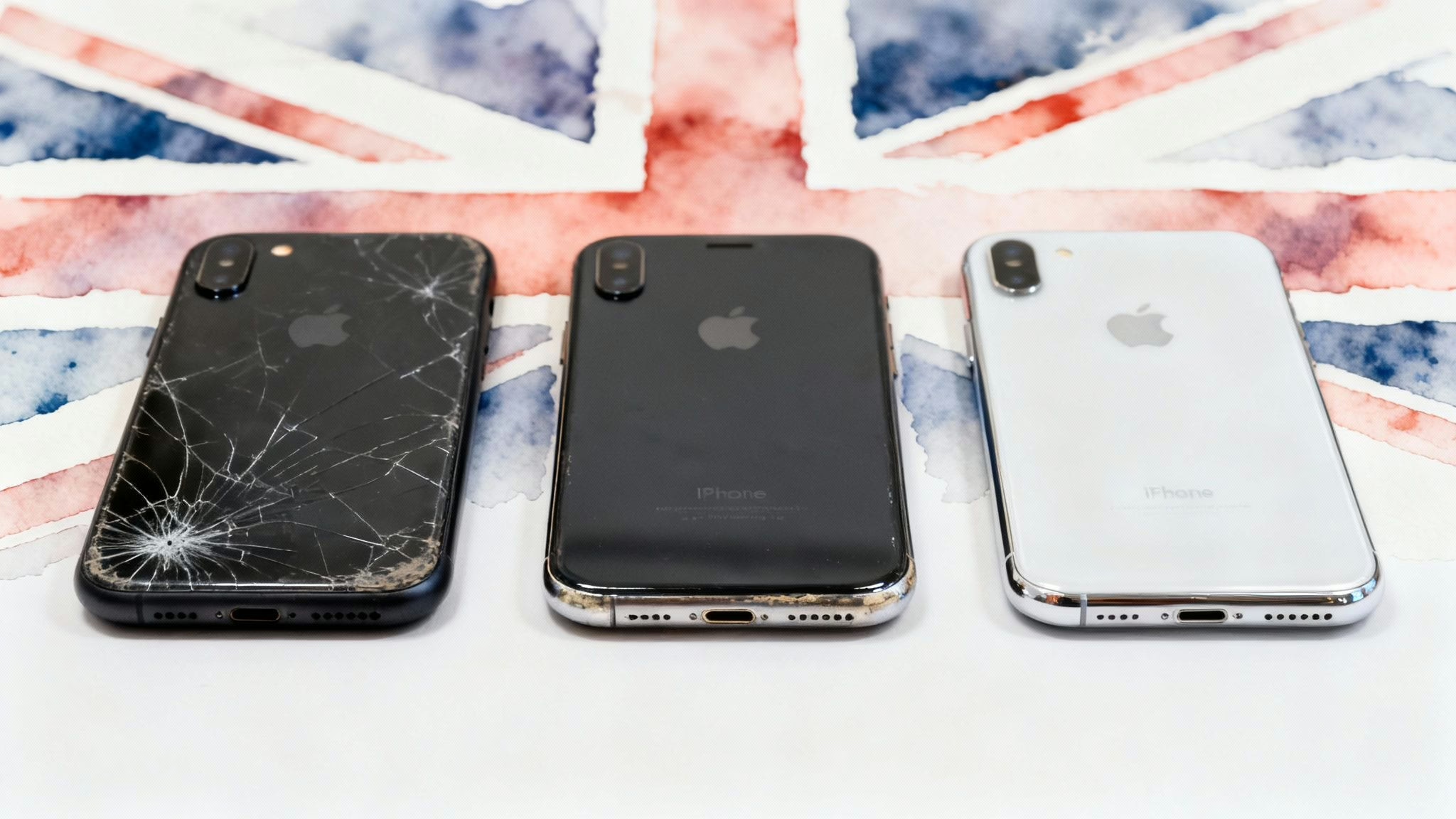
Refurbished iPhone Grades Explained: Excellent vs Very Good vs Good
You’re scrolling a product page and it looks simple, Excellent, Very Good, Good. Then the doubts start. Does “Good” mean slow? Is “Excellent” in excellent condition or near-mint condition, basically new? And why do two shops describe the same grade in different words?
Here’s the key: refurbished iPhone grades mostly describe cosmetic condition, not how the refurbished phone runs. Think of it like buying a used car or second-hand phone, the grade is about paintwork and scratches, not whether the engine starts every morning.
Because grading isn’t a single, regulated UK standard, the labels can vary by seller. That’s why it pays to read each retailer’s grading page before you buy. This guide will help you match a grade to your budget, and your comfort level with marks you might see day to day.
What refurbished iPhone grades cover (and what they don’t)
A grade is a visual score assessing the cosmetic condition, a quick way to describe the refurbished iPhone conditionwithout you holding it in your hand first. Most retailers judge the screen, frame, back glass, and corners, then label the device as Excellent, Very Good, or Good (sometimes using letters like A, B, C).
What grades don’t do is promise a different level of speed, signal, or camera quality. If a phone has been properly refurbished, fully tested and in full working order, the iPhone should feel the same in your pocket whether it’s Excellent or Good. You’re paying for fewer marks, not extra performance.
In the UK (as of January 2026), there still isn’t one universal grading rulebook. Two retailers can both be honest and still grade differently because they use different thresholds for “light marks” vs “visible wear”. So compare like-for-like by checking how that specific seller defines each grade, such as their Grade A.
Reputable refurbishers test key features regardless of grade, such as calls, WiFi, cameras, microphones, speakers, charging, buttons, and Face ID or Touch ID, often using genuine Apple parts for repairs and meeting standards similar to Apple certified refurbished devices. They also perform a diagnostic check as part of the process. Battery health is usually handled as a separate policy rather than part of the cosmetic grade. If you want to see what a full device check can look like, the refurbishment process at Used Mobiles 4U is a useful benchmark for the kind of testing and cleaning you should expect.
Cosmetic condition vs performance, the simple rule to remember
Rule of thumb: grades tell you how it looks, not how it works.
A tiny scuff on the frame, a light scratch you only see in lamp light, or a small dent on a corner might affect the look, but it doesn’t make apps open slower. Cosmetic wear is skin-deep.
Why grades can differ between UK retailers
“Excellent” at one shop might match “Grade A” or “Pristine” elsewhere. “Good” might be called “Fair” or “Acceptable”. The safest move is to read the grade notes, check photos if they’re provided, and treat the warranty and returns policy as your safety net if the look doesn’t match your expectations.
Excellent vs Very Good vs Good, what you’ll notice in your hand
Most iPhone condition grades come down to the cosmetic condition you notice under normal room light, not what you can spot with your nose pressed to the screen.
Below is a practical way to think about the three common tiers (names vary). You’ll also see overlap in naming like Grade A iPhone (often “Excellent”), Grade B (often “Very Good”), and Grade C (often “Good” or “Fair”). This is why shoppers often call it used iPhone grading, even when the device has been tested and cleaned.
Excellent (often like new or Grade A): best for gifts and fussy eyes
Excellent condition is for people who don’t want reminders that the phone has had a past life.
- Screen: usually looks clean and in pristine condition, with no obvious scratches when the display is off
- Frame and corners: minimal wear, no noticeable knocks at first glance
- Back: typically very tidy, marks are rare or very faint
- Day to day: in a bright coffee shop, you’re unlikely to spot anything unless you go hunting
Who it suits: gifting, upgrading from a brand-new phone, or anyone who plans to resell later and wants the strongest “wow, it’s mint” first impression.
Very Good: the sweet spot for most people
Very Good is the pair of jeans that have been worn in, still smart, just not boxed-fresh. For many buyers, this is the best balance of price and pride-of-ownership.
- Screen: often clean, though some sellers allow very light screen scratches you only see at an angle
- Frame: small scratches and scuffs or tiny dings can happen, usually not distracting
- Corners and edges: may show light rubbing from normal use
- Overall feel: looks “looked after” with signs of use rather than “brand new”
Two quick checks on delivery: take the screen near a window or outside to spot fine scratches, then run your fingertip along the corners to feel for little knocks that photos don’t show.
Good: the bargain grade if you don’t mind visible wear
Good is for buyers who care more about function and value than cosmetics. It’s the “it’s going in a case anyway” choice, often in fair condition.
- Screen: can show light scratches or minor imperfections, especially when the display is off
- Frame and back: more obvious scuffs from wear and tear, and sometimes small dents
- Corners: may show clear signs of drops or knocks
- Reality check: it should still work properly when sold by a reputable refurbisher
Who it suits: a child’s first iPhone, a work handset, a travel spare, or anyone chasing the lowest price. A decent case and a screen protector can hide a lot of wear, especially on the frame.
How to choose the right grade for your budget (and avoid nasty surprises)
Price gaps between grades can be real, but they change with model and stock. Recent UK listings, including manufacturer refurbished options, often show newer models (like an iPhone 15) varying by roughly £400 to £565 depending on grade and seller, with bigger swings during trade-in spikes after new releases. Older models can compress in price, meaning you might pay a small premium for Excellent, or save a chunk by going Good.
Start by deciding what will bother you most: a cosmetic imperfection like a scratch you can see in sunlight, or paying more than you needed to.
If you’re browsing options, it helps to scan what’s available across models in one place, like the refurbished Apple iPhones category. If you’ve already picked a model, narrowing it down can make grade decisions easier, for example the refurbished iPhone 13 range.
For broader UK buying tips, it’s worth reading MoneySavingExpert’s guide to refurbished phones, especially on returns and checking what you’re actually getting.
Quick picks: which grade fits your life?
- Gift for a partner or teen: Excellent
- Everyday phone you want to look tidy: Very Good
- Student phone on a tighter budget: Very Good or Good
- Work phone that lives on a desk: Good
- Resale-focused buyer: Excellent
- Always in a case buyer: Good
The before-you-buy checklist (warranty, returns, battery, and tests)
- Read a reputable seller’s grading page so “Good” means what you think it means
- Check the battery policy (battery health and battery capacity are often separate from cosmetic grade)
- Confirm warranty length (Used Mobiles 4U states a 18 Month Warranty)
- Confirm return policy (Used Mobiles 4U states 30-day returns)
- Confirm unlocked status and network compatibility
- Check what’s included in the box (cable, plug, etc.)
- In your first hour: test calls, WiFi, cameras, Face ID or Touch ID, speakers, charging, and buttons (Apple’s pre-owned iPhone inspection advice is a helpful reference)
Conclusion: pick the grade that fits you
If the refurbished iPhone grades have been doing your head in, bring it back to three simple truths. First, grades are mainly about cosmetic condition. Second, when an iPhone is refurbished properly, performance should be consistent across grades because the core tests don’t change just because the casing has a scratch. Third, the “best” grade depends on how much you care about signs of use versus saving money.
If you want extra confidence before you buy, browse what’s in stock and compare refurbished phones by grade side by side in the Used Mobiles 4U Apple section, then see how devices are checked on their refurbishment process page. The right choice is the one that won’t annoy you every time the light hits the screen.
Refurbished iPhone grades: FAQs
Are refurbished iPhone grades standard in the UK?
No. There’s no single UK-wide standard, so always read the seller’s own grading definitions.
Does a Good grade mean poorer battery?
Not automatically. Grade is usually cosmetic. Battery health is typically covered by a separate policy.
Can I return the refurbished phone if the marks are worse than expected?
Often yes, if you’re within the retailer’s returns window and meet their conditions. Check this before buying.
Is Excellent worth paying extra for?
It is if scratches will bug you, or if it’s a gift. If you’ll use a case anyway, Very Good or Good provide fair condition at better value.
Do refurbished iPhones get updates?
Yes, if the model is still supported by Apple. Older devices will eventually stop getting major iOS updates.
Author – James Waterston (Owner, 25 years in the industry).
Looking for a refurbished phone?
Shop professionally tested refurbished iPhones and Samsung phones with 18 month warranty, 30 day returns and free UK delivery.
Browse Refurbished Phones