

Refurbished iPhone water resistance in real life, what to expect, what to avoid, and how to protect it from day one
Meta description: Real-world refurbished iPhone water resistance advice, what to avoid, and simple day-one protection tips so your phone survives splashes and spills in 2026.
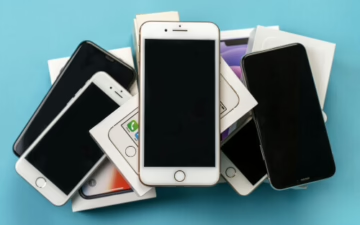
Buying a refurbished handset can feel like getting a flagship for the price of a weekend away. But there’s one question people whisper to themselves while hovering over the “buy” button: refurbished iPhone water resistance… is it still a thing?
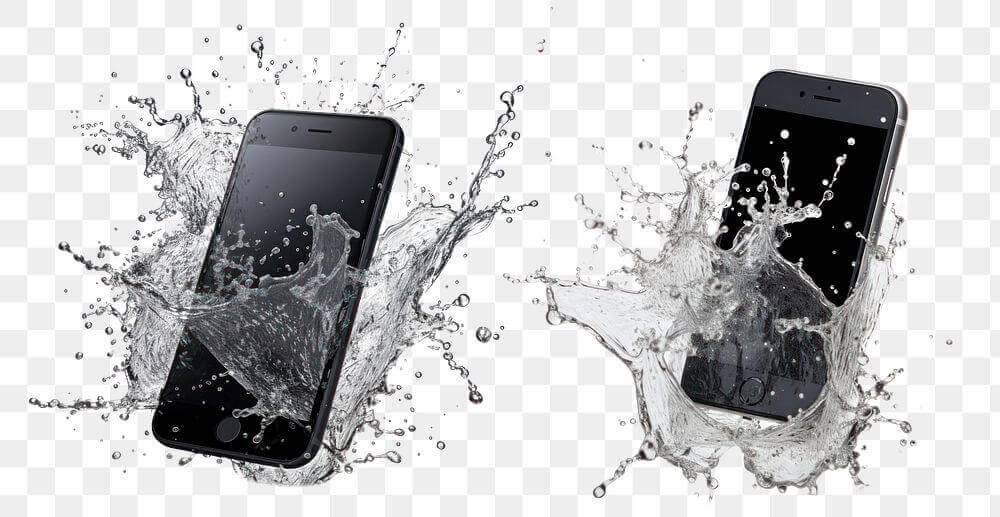
Here’s the straight answer. A refurbished iPhone might cope with a light splash, but you shouldn’t treat it like a GoPro. Water resistance is more like a raincoat than a submarine hatch, it helps until it doesn’t.
This guide sets expectations, flags the risky habits to avoid, and shows how to protect your phone from day one, especially if you’re shopping for refurbished iPhones, used iPhones, or cheap iPhones.
Refurbished iPhone water resistance vs “waterproof”: what Apple actually means
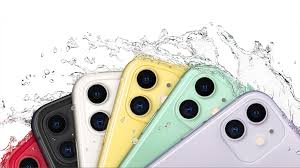
Most modern iPhones (from iPhone 7 onwards) are sold as splash, water, and dust resistant, with an IP rating on many models. That rating comes from controlled lab testing, not the messy reality of life in the UK, where rain arrives sideways and phones end up on bathroom shelves.
Apple spells out the limits clearly: water resistance isn’t permanent, and it can decrease over time through normal wear. If you want the official wording and model list, read Apple’s guidance on splash, water and dust resistance. That “decreases over time” line matters a lot when you’re buying second-hand iPhones.
Real life is harsher than a lab because water is rarely pure:
- Tap water carries minerals.
- Pool water carries chlorine.
- Sea water carries salt (and salt is brutal for metal contacts).
- Fizzy drinks and coffee leave sticky residue that keeps corrosion ticking along.
A simple way to think about it: an iPhone’s water resistance is a set of seals and adhesives doing a quiet job, every day. Drops, pocket lint, heat from fast charging, and tiny frame twists slowly tire them out. That doesn’t mean your phone is fragile. It means “water resistant” is not a promise you can bank on, especially with used devices.
What changes with refurbished and used iPhones (and what to ask before you buy)
Refurbished iPhones are not the same as random used iPhones from a marketplace meet-up. Refurbishing should mean testing, cleaning, grading, and replacing parts where needed. But water resistance is the awkward bit, because it depends on how the phone has lived, and whether it’s ever been opened.
If a phone has had a screen replacement or battery swap, it may no longer have the same seal as it did when it left the factory. Even good repair work can’t always restore the original protection perfectly, and some sellers simply won’t claim it.
That’s why it helps to buy from a UK retailer that’s upfront about reality, rather than pushing “waterproof” myths to shift iPhones for sale. If you want a plain-English view from a refurb seller, see Used Mobiles 4U’s take on whether refurbished iPhones are waterproof.
When you’re comparing options, it’s easy to get distracted by price. Cheap iPhones can look irresistible next to Cheap Android Phones, including a used Samsung that’s only a little more. But water exposure doesn’t care what badge is on the back. What matters is buying quality and then treating water resistance as emergency protection, not a feature to “use”.
If you’re still deciding whether refurbished is a smart move in general, this UK guide offers a balanced view: uSwitch’s advice on buying refurbished phones. The takeaway is simple: reputable refurb beats mystery second-hand, especially when repairs and warranties are involved.
What to avoid, and how to protect your iPhone from day one
If you do one thing differently with a refurbished phone, make it this: stop “testing” the water resistance. People do it once, get away with it, then assume the seal is perfect. That’s how phones die quietly, days later.
Water situations to avoid (even if your iPhone has an IP rating)
- Baths, showers, and steam: warm moisture can creep in, then condense inside the phone.
- Sea water and pools: salt and chlorine speed up corrosion, even after a quick dip.
- High-pressure water: taps, jet sprays, and even strong rain gusts can force water past weak points.
- Charging while damp: if you get a “liquid detected” alert, listen to it.
- Soapy water: it reduces surface tension, making it easier to slip past seals.
Also remember the money bit. Apple is clear that liquid damage isn’t covered in the way people hope. It’s worth reading Apple’s statement on liquid damage and warranty cover so you’re not caught out later.
A simple “day one” protection routine (takes 15 minutes)
- Fit a decent case with a raised lip around the screen and camera, it won’t make the phone waterproof, but it reduces impact flex that can weaken seals.
- Add a screen protector, mainly to prevent chips that lead to cracks (and cracks invite moisture).
- Set up Find My and backups (iCloud or computer). Water damage isn’t just a repair cost, it’s lost photos and logins.
- Keep a dry pouch or zip bag in your travel bag, great for beach days and wet commutes.
- Learn the “wet phone first aid” basics: power off if it’s properly soaked, don’t use heat, don’t shake it like a thermometer.
If you’re buying from a specialist retailer, it’s also sensible to check what’s included and what’s promised. For example, when people ask if refurbished is worth it, warranty and returns are often the real difference between confidence and stress. This guide is a good starting point: Used Mobiles 4U’s refurbished iPhone buying guide.
Conclusion: keep it water-aware, not water-brave
A refurbished iPhone can handle everyday life, including the odd splash, but it’s best treated like a nice pair of trainers in February, fine in drizzle, not made for puddles. If you protect it from day one, you’ll get the savings without the soggy regrets, and that’s the whole point of buying refurbished iPhones.
When you upgrade again, don’t leave your old handset in a drawer. You can sell your tech, sell old iPhone, trade-in iPhone, or even trade-in my old phone through a reputable route. If it’s beyond saving, recycle my old iPhone properly so the materials aren’t wasted.
FAQs
Is a refurbished iPhone still water resistant?
Sometimes, but you should assume it’s reduced compared to new. Water resistance can wear over time, and it may change if the phone has been opened for repairs.
Can I take a refurbished iPhone in the shower?
Don’t. Steam and warm moisture are risky, and “it worked last time” isn’t proof it’ll work again.
What’s the safest way to dry an iPhone after a splash?
Wipe it dry, keep ports facing down, and let it air dry. Avoid rice and avoid heat sources. If you get a liquid alert, don’t charge until it’s fully dry.
Should I choose a different phone if I’m worried about water?
If water exposure is part of your job or hobbies, buy from a trusted refurb seller and budget for protection. Whether you pick an iPhone, a used Samsung, or other Cheap Android Phones, prevention matters more than the logo.