Future Trends of Refurbished iPhones in 2024
The smartphone market has changed dramatically over the past few years. While consumers once rushed to buy the latest handset every September, attitudes are beginning to shift. Rising living costs, increasing environmental awareness, and improvements in refurbishment standards have all helped reshape the way people buy mobile phones. In particular, refurbished iPhones have become one of the fastest-growing sectors within consumer technology.
In 2024, refurbished iPhones are no longer viewed as second-best alternatives. Instead, they are increasingly seen as sensible, sustainable, and financially smart purchases. Many consumers now recognise that a refurbished iPhone can deliver almost the same user experience as a brand-new model, but at a significantly lower price.
T show that consumers are becoming far more focused on value and sustainability when choosing their next smartphone. At the same time, Apple devices continue to dominate the second-hand and refurbished market thanks to their premium build quality, long software support cycles, and strong resale values. iPhones from only a few years ago still perform exceptionally well, which means consumers are more willing than ever to purchase refurbished models rather than paying full retail price for the latest release.
The refurbished smartphone market is evolving rapidly. New refurbishment technologies, changing consumer habits, and growing sustainability concerns are all helping to shape the future trends of refurbished iPhones throughout 2024 and beyond. Refurbished iPhones are expected to become even more mainstream over the next few years.
For many buyers, the appeal goes far beyond affordability. Purchasing a refurbished iPhone is now associated with responsible consumerism, reduced electronic waste, and smarter long-term spending habits. The future of mobile technology may not revolve entirely around buying brand-new devices every year. Instead, it could be centred around extending the lifespan of premium products already in circulation.
The Rapid Growth of the Refurbished Smartphone Market
The global refurbished smartphone market has experienced substantial growth over the last decade. What was once a niche corner of the technology industry has developed into a thriving international market worth billions.
Consumer confidence has improved significantly. Better quality control, professional refurbishment processes, and stronger warranties have all helped increase trust in refurbished devices. As a result, more people are now willing to purchase pre-owned smartphones from reputable retailers.
Industry analysts predict continued expansion throughout the next decade. Market reports suggest the refurbished smartphone industry will continue growing at an impressive rate as economic conditions encourage buyers to seek value for money wherever possible.
One of the biggest future trends of refurbished iPhones is the growing number of consumers actively searching for sustainable alternatives to brand-new phones.
Several factors are driving this growth:
- Increased smartphone prices
- Longer-lasting hardware
- Improved refurbishment standards
- Greater environmental awareness
- Rising consumer trust
- Better battery replacement technologies
- Extended iOS software support
Apple devices dominate much of the refurbished market because they retain value better than many competing smartphones. Even older iPhone models remain highly usable years after release. Devices such as the iPhone 11, iPhone 12, and iPhone 13 continue to perform extremely well in daily use, making them attractive refurbished options.
Many consumers are beginning to question whether spending over £1,000 on a new smartphone every year is truly necessary. Refurbished iPhones offer a practical middle ground between performance and affordability. This shift in consumer behaviour is one of the key future trends of refurbished iPhones currently shaping the technology market.
Why Consumers Are Choosing Refurbished iPhones
One of the biggest trends in 2024 is changing consumer behaviour. Buyers are becoming more informed and financially conscious. Instead of chasing the newest release, many now prioritise value, reliability, and longevity.
Refurbished iPhones meet all three of these requirements.
Modern iPhones are designed to last far longer than older smartphone generations. Apple’s processors remain powerful for years, while iOS updates continue supporting devices long after launch. This means a refurbished iPhone can still provide excellent performance even if it is two or three generations old.
The future trends of refurbished iPhones indicate that more consumers are likely to hold onto devices for longer rather than upgrading annually.
For example, many users upgrading from older devices may find that a refurbished iPhone 12 or iPhone 13 feels virtually identical in everyday use to a brand-new model. Tasks such as browsing social media, streaming content, taking photos, and gaming can all be handled smoothly.
Price remains one of the strongest motivating factors. Consumers can often save hundreds of pounds by purchasing refurbished rather than new. In difficult economic periods, this becomes even more important.
Families are also driving demand. Parents buying phones for teenagers increasingly choose refurbished models to avoid paying premium prices for devices that may easily become damaged or lost.
Businesses are contributing to growth as well. Many companies now purchase refurbished iPhones for employees because they offer excellent value while still maintaining professional performance standards.
Sustainability and Environmental Impact
Environmental concerns are becoming a major influence on purchasing decisions across almost every industry. The technology sector is no exception.
Electronic waste continues to grow worldwide at an alarming rate. Millions of smartphones are discarded every year despite still being functional or repairable. Refurbishment helps reduce this waste by extending the lifespan of existing devices.
Buying a refurbished iPhone contributes to the circular economy. Instead of manufacturing an entirely new device, existing materials and components are reused. This reduces demand for raw materials, lowers manufacturing emissions, and helps minimise landfill waste.
Consumers are becoming increasingly aware of these environmental benefits. Many buyers now actively seek eco-friendly alternatives whenever possible. In fact, sustainability is now one of the strongest future trends of refurbished iPhones influencing buyer behaviour.
The production of a new smartphone requires substantial resources, including:
- Rare earth metals
- Water consumption
- Energy-intensive manufacturing
- Global shipping and logistics
- Packaging materials
By choosing refurbished devices, consumers help reduce the environmental burden associated with producing entirely new smartphones.
Younger generations in particular are embracing sustainable technology purchases. Gen Z and millennial consumers often place strong emphasis on ethical consumption and environmental responsibility. Refurbished iPhones align perfectly with these values.
Many retailers now highlight sustainability messaging in their marketing. Carbon savings, reduced waste, and environmentally friendly practices are becoming key selling points within the refurbished market.
This trend is expected to strengthen further over the coming years as governments, businesses, and consumers continue focusing on sustainability targets. Experts believe these environmental considerations will remain one of the defining future trends of refurbished iPhones moving forward.
Improvements in Refurbishment Technology
One reason refurbished iPhones are becoming more popular is the dramatic improvement in refurbishment standards and technologies.
Years ago, second-hand phones often carried negative associations. Buyers worried about poor battery health, hidden faults, cosmetic damage, or unreliable sellers. Today, professional refurbishment processes are far more advanced.
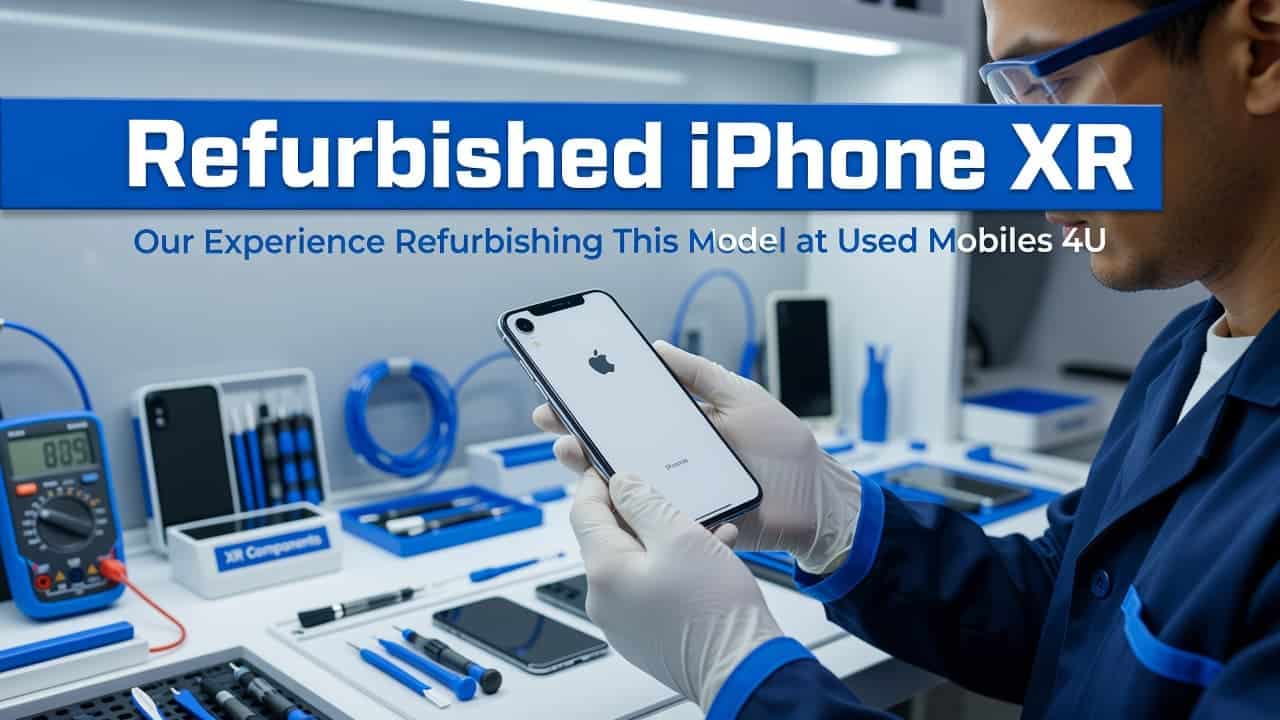
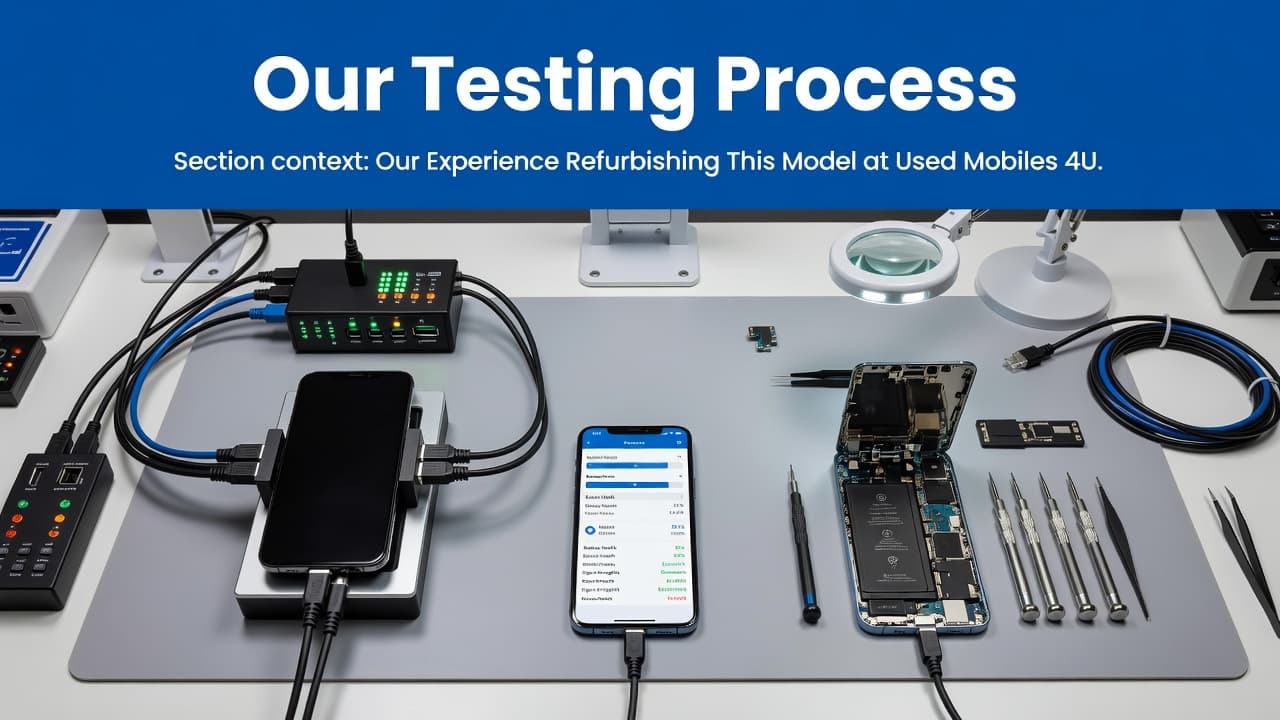
Modern refurbishment involves multiple stages of testing, repair, and quality assurance.
These processes often include:
Comprehensive Diagnostics
Each device undergoes extensive testing to identify hardware or software issues. Diagnostic software checks components such as:
- Cameras
- Face ID
- Speakers
- Microphones
- Charging ports
- Connectivity features
- Display functionality
- Battery health
This allows technicians to identify faults before devices are resold.
Battery Replacements
Battery quality has become one of the most important areas of refurbishment. Consumers expect reliable battery life, and many professional refurbishers now replace batteries that fall below specific health percentages.
This dramatically improves the user experience and increases confidence in refurbished devices.
Cosmetic Restoration
Refurbished iPhones are carefully cleaned and restored. Screens may be replaced, scratches polished, and damaged components repaired. Grading systems such as “Good”, “Very Good”, and “Like New” help consumers understand the cosmetic condition before purchasing.
Software Reinstallation
Devices are fully wiped and fresh versions of iOS are installed. This ensures security, reliability, and a clean setup experience for the buyer.
As refurbishment processes continue improving, the gap between new and refurbished devices becomes smaller every year. These technological improvements are among the most exciting future trends of refurbished iPhones expected to shape the industry.
The Role of Apple in the Refurbished Market
Apple plays a unique role in the refurbished smartphone industry. Unlike many smartphone manufacturers, Apple devices maintain strong long-term performance and resale value.
Several factors contribute to this:
Long Software Support
Apple provides iOS updates for many years after release. Older iPhones continue receiving security patches and new features long after competing Android devices may lose support.
This gives consumers confidence that refurbished iPhones will remain secure and functional for years.
Premium Build Quality
iPhones are known for durable materials and high manufacturing standards. Their longevity makes them ideal candidates for refurbishment.
Strong Brand Reputation
Apple remains one of the world’s most trusted technology brands. Consumers often feel more comfortable buying refurbished Apple devices because they already associate the brand with quality and reliability.
Certified Refurbished Programmes
Apple itself sells certified refurbished products, helping legitimise the refurbished market further. This has helped reduce stigma surrounding refurbished purchases.
The strength of Apple’s ecosystem also encourages repeat purchases. Consumers already using Apple products such as AirPods, Apple Watches, or MacBooks often prefer staying within the ecosystem when upgrading phones.
This ecosystem loyalty continues to influence the future trends of refurbished iPhones across global markets.
Future Pricing Trends
Pricing will remain one of the biggest advantages of refurbished iPhones in 2024 and beyond.
New smartphone prices continue increasing. Flagship devices regularly exceed £1,000, making them inaccessible for many consumers. Refurbished alternatives provide access to premium technology at a much lower cost.
As newer iPhone models launch, older generations become more affordable within the refurbished market. This creates opportunities for buyers seeking excellent value.
For example:
- Refurbished iPhone 11 models remain highly affordable
- iPhone 12 devices offer strong balance between performance and price
- iPhone 13 models are becoming increasingly popular
- iPhone 14 devices are entering refurbishment channels
Competition between refurbishment companies is also helping keep prices competitive.
Consumers are becoming more comfortable comparing refurbished grades and shopping online for better deals. Transparency regarding condition and battery health has improved dramatically, which further strengthens consumer confidence.
Affordable premium devices are expected to remain one of the strongest future trends of refurbished iPhones for years to come.
The Rise of Online Refurbished Phone Retailers
Another major trend shaping the future of refurbished iPhones is the growth of dedicated online retailers.
Consumers increasingly prefer shopping online because it allows them to:
- Compare prices easily
- Read reviews
- Check device grades
- Access warranties
- Browse wider selections
- Find better deals
Professional refurbished phone retailers have invested heavily in improving customer experiences. Websites now provide detailed descriptions, condition photographs, battery guarantees, and flexible payment options.
At Used Mobiles 4 U, we have seen increasing demand from consumers who want affordable iPhones without compromising on quality. Buyers now expect professional presentation, transparent grading, and reliable aftercare when purchasing refurbished devices online.
The growth of ecommerce platforms is one of the most important future trends of refurbished iPhones currently transforming the industry.
Flexible finance options such as Klarna and PayPal Pay in 3 are also making refurbished devices more accessible.
The convenience of online shopping combined with lower pricing continues driving market growth.
Consumer Trust and Warranty Expectations
Trust is essential in the refurbished market. Consumers want reassurance that their device will function properly and remain reliable over time.
As a result, warranties have become increasingly important.
Professional refurbishment companies now commonly offer:
- 12-month warranties
- Battery guarantees
- Return periods
- Quality certifications
- Customer support services
These protections help reduce perceived risk and encourage more buyers to consider refurbished options.
Customer reviews also play a major role. Positive online feedback can significantly influence purchasing decisions. Social proof has become one of the most powerful tools within the refurbished industry.
Improved customer confidence remains one of the leading future trends of refurbished iPhones helping to increase mainstream acceptance.
As trust continues growing, refurbished devices are becoming accepted by a wider audience rather than just budget-conscious buyers.
Emerging Consumer Groups
The refurbished iPhone market is attracting increasingly diverse customer groups.
Students
Students often need reliable smartphones for communication, coursework, and entertainment but may not have large budgets. Refurbished iPhones provide strong performance at manageable prices.
Parents
Parents buying devices for children frequently choose refurbished models to reduce financial risk.
Businesses
Companies are increasingly using refurbished devices for employees to cut technology costs.
Environmentally Conscious Buyers
Consumers prioritising sustainability are actively seeking refurbished alternatives.
Tech Enthusiasts
Even technology enthusiasts sometimes choose refurbished models because they recognise the value proposition.
The expansion into new demographics is one of the most noticeable future trends of refurbished iPhones in today’s market.
This broadening customer base is helping normalise refurbished technology purchases across society.
Challenges Facing the Refurbished Industry
Despite strong growth, the refurbished market still faces challenges.
Counterfeit Devices
Fake or poorly refurbished devices can damage consumer trust. This highlights the importance of purchasing from reputable retailers.
Inconsistent Quality Standards
Not all refurbishment companies operate at the same level. Some devices may receive minimal testing or poor-quality replacement parts.
Consumer Misunderstanding
Some buyers still incorrectly assume refurbished means faulty or unreliable.
Battery Concerns
Battery health remains a key concern for consumers. Retailers must continue addressing this transparently.
Competition From New Budget Phones
Affordable new smartphones continue competing with refurbished iPhones in certain markets.
Overcoming these barriers will be essential for the continued success of the future trends of refurbished iPhones industry.
However, the overall outlook remains extremely positive. Improved standards and growing awareness are helping overcome many of these issues.
The Future of Refurbished iPhones Beyond 2024
Looking ahead, the future appears incredibly promising for refurbished iPhones.
Several long-term trends are expected to continue:
- Greater mainstream acceptance
- Stronger sustainability awareness
- Improved refurbishment technologies
- Longer device lifespans
- Increased online sales
- Better battery innovations
- More competitive pricing
Artificial intelligence and automation may even improve refurbishment processes further in the future. Automated diagnostics and robotic testing systems could increase efficiency while maintaining quality standards.
Governments may also encourage circular economy practices more aggressively over time, which could further support refurbished technology markets.
Consumers are becoming increasingly practical about smartphone ownership. Instead of upgrading annually, many now keep devices for longer and seek better value when they do upgrade.
Industry experts believe these developments will define the next stage of the future trends of refurbished iPhones market worldwide.
Refurbished iPhones fit perfectly within this changing mindset.
Conclusion
Refurbished iPhones are no longer viewed as compromise purchases. In 2024, they represent a smart, sustainable, and financially sensible alternative to buying brand-new smartphones.
Advancements in refurbishment technology have dramatically improved quality and reliability, while growing environmental awareness has encouraged more consumers to embrace sustainable purchasing habits in
Future Trends of Refurbished iPhones in 2024
The smartphone market has changed dramatically over the past few years. While consumers once rushed to buy the latest handset every September, attitudes are beginning to shift. Rising living costs, increasing environmental awareness, and improvements in refurbishment standards have all helped reshape the way people buy mobile phones. In particular, refurbished iPhones have become one of the fastest-growing sectors within consumer technology.
In 2024, refurbished iPhones are no longer viewed as second-best alternatives. Instead, they are increasingly seen as sensible, sustainable, and financially smart purchases. Many consumers now recognise that a refurbished iPhone can deliver almost the same user experience as a brand-new model, but at a significantly lower price.
The future trends of refurbished iPhones show that consumers are becoming far more focused on value and sustainability when choosing their next smartphone. At the same time, Apple devices continue to dominate the second-hand and refurbished market thanks to their premium build quality, long software support cycles, and strong resale values. iPhones from only a few years ago still perform exceptionally well, which means consumers are more willing than ever to purchase refurbished models rather than paying full retail price for the latest release.
The refurbished smartphone market is evolving rapidly. New refurbishment technologies, changing consumer habits, and growing sustainability concerns are all helping to shape the future trends of refurbished iPhones throughout 2024 and beyond. Refurbished iPhones are expected to become even more mainstream over the next few years.
For many buyers, the appeal goes far beyond affordability. Purchasing a refurbished iPhone is now associated with responsible consumerism, reduced electronic waste, and smarter long-term spending habits. The future of mobile technology may not revolve entirely around buying brand-new devices every year. Instead, it could be centred around extending the lifespan of premium products already in circulation.
The Rapid Growth of the Refurbished Smartphone Market
The global refurbished smartphone market has experienced substantial growth over the last decade. What was once a niche corner of the technology industry has developed into a thriving international market worth billions.
Consumer confidence has improved significantly. Better quality control, professional refurbishment processes, and stronger warranties have all helped increase trust in refurbished devices. As a result, more people are now willing to purchase pre-owned smartphones from reputable retailers.
Industry analysts predict continued expansion throughout the next decade. Market reports suggest the refurbished smartphone industry will continue growing at an impressive rate as economic conditions encourage buyers to seek value for money wherever possible.
One of the biggest future trends of refurbished iPhones is the growing number of consumers actively searching for sustainable alternatives to brand-new phones.
Several factors are driving this growth:
- Increased smartphone prices
- Longer-lasting hardware
- Improved refurbishment standards
- Greater environmental awareness
- Rising consumer trust
- Better battery replacement technologies
- Extended iOS software support
Apple devices dominate much of the refurbished market because they retain value better than many competing smartphones. Even older iPhone models remain highly usable years after release. Devices such as the iPhone 11, iPhone 12, and iPhone 13 continue to perform extremely well in daily use, making them attractive refurbished options.
Many consumers are beginning to question whether spending over £1,000 on a new smartphone every year is truly necessary. Refurbished iPhones offer a practical middle ground between performance and affordability. This shift in consumer behaviour is one of the key future trends of refurbished iPhones currently shaping the technology market.
Why Consumers Are Choosing Refurbished iPhones
One of the biggest trends in 2024 is changing consumer behaviour. Buyers are becoming more informed and financially conscious. Instead of chasing the newest release, many now prioritise value, reliability, and longevity.
Refurbished iPhones meet all three of these requirements.
Modern iPhones are designed to last far longer than older smartphone generations. Apple’s processors remain powerful for years, while iOS updates continue supporting devices long after launch. This means a refurbished iPhone can still provide excellent performance even if it is two or three generations old.
The future trends of refurbished iPhones indicate that more consumers are likely to hold onto devices for longer rather than upgrading annually.
For example, many users upgrading from older devices may find that a refurbished iPhone 12 or iPhone 13 feels virtually identical in everyday use to a brand-new model. Tasks such as browsing social media, streaming content, taking photos, and gaming can all be handled smoothly.
Price remains one of the strongest motivating factors. Consumers can often save hundreds of pounds by purchasing refurbished rather than new. In difficult economic periods, this becomes even more important.
Families are also driving demand. Parents buying phones for teenagers increasingly choose refurbished models to avoid paying premium prices for devices that may easily become damaged or lost.
Businesses are contributing to growth as well. Many companies now purchase refurbished iPhones for employees because they offer excellent value while still maintaining professional performance standards.
Sustainability and Environmental Impact
Environmental concerns are becoming a major influence on purchasing decisions across almost every industry. The technology sector is no exception.
Electronic waste continues to grow worldwide at an alarming rate. Millions of smartphones are discarded every year despite still being functional or repairable. Refurbishment helps reduce this waste by extending the lifespan of existing devices.
Buying a refurbished iPhone contributes to the circular economy. Instead of manufacturing an entirely new device, existing materials and components are reused. This reduces demand for raw materials, lowers manufacturing emissions, and helps minimise landfill waste.
Consumers are becoming increasingly aware of these environmental benefits. Many buyers now actively seek eco-friendly alternatives whenever possible. In fact, sustainability is now one of the strongest future trends of refurbished iPhones influencing buyer behaviour.
The production of a new smartphone requires substantial resources, including:
- Rare earth metals
- Water consumption
- Energy-intensive manufacturing
- Global shipping and logistics
- Packaging materials
By choosing refurbished devices, consumers help reduce the environmental burden associated with producing entirely new smartphones.
Younger generations in particular are embracing sustainable technology purchases. Gen Z and millennial consumers often place strong emphasis on ethical consumption and environmental responsibility. Refurbished iPhones align perfectly with these values.
Many retailers now highlight sustainability messaging in their marketing. Carbon savings, reduced waste, and environmentally friendly practices are becoming key selling points within the refurbished market.
This trend is expected to strengthen further over the coming years as governments, businesses, and consumers continue focusing on sustainability targets. Experts believe these environmental considerations will remain one of the defining future trends of refurbished iPhones moving forward.
Improvements in Refurbishment Technology
One reason refurbished iPhones are becoming more popular is the dramatic improvement in refurbishment standards and technologies.
Years ago, second-hand phones often carried negative associations. Buyers worried about poor battery health, hidden faults, cosmetic damage, or unreliable sellers. Today, professional refurbishment processes are far more advanced.
Modern refurbishment involves multiple stages of testing, repair, and quality assurance.
These processes often include:
Comprehensive Diagnostics
Each device undergoes extensive testing to identify hardware or software issues. Diagnostic software checks components such as:
- Cameras
- Face ID
- Speakers
- Microphones
- Charging ports
- Connectivity features
- Display functionality
- Battery health
This allows technicians to identify faults before devices are resold.
Battery Replacements
Battery quality has become one of the most important areas of refurbishment. Consumers expect reliable battery life, and many professional refurbishers now replace batteries that fall below specific health percentages.
This dramatically improves the user experience and increases confidence in refurbished devices.
Cosmetic Restoration
Refurbished iPhones are carefully cleaned and restored. Screens may be replaced, scratches polished, and damaged components repaired. Grading systems such as “Good”, “Very Good”, and “Like New” help consumers understand the cosmetic condition before purchasing.
Software Reinstallation
Devices are fully wiped and fresh versions of iOS are installed. This ensures security, reliability, and a clean setup experience for the buyer.
As refurbishment processes continue improving, the gap between new and refurbished devices becomes smaller every year. These technological improvements are among the most exciting future trends of refurbished iPhones expected to shape the industry.
The Role of Apple in the Refurbished Market
Apple plays a unique role in the refurbished smartphone industry. Unlike many smartphone manufacturers, Apple devices maintain strong long-term performance and resale value.
Several factors contribute to this:
Long Software Support
Apple provides iOS updates for many years after release. Older iPhones continue receiving security patches and new features long after competing Android devices may lose support.
This gives consumers confidence that refurbished iPhones will remain secure and functional for years.
Premium Build Quality
iPhones are known for durable materials and high manufacturing standards. Their longevity makes them ideal candidates for refurbishment.
Strong Brand Reputation
Apple remains one of the world’s most trusted technology brands. Consumers often feel more comfortable buying refurbished Apple devices because they already associate the brand with quality and reliability.
Certified Refurbished Programmes
Apple itself sells certified refurbished products, helping legitimise the refurbished market further. This has helped reduce stigma surrounding refurbished purchases.
The strength of Apple’s ecosystem also encourages repeat purchases. Consumers already using Apple products such as AirPods, Apple Watches, or MacBooks often prefer staying within the ecosystem when upgrading phones.
This ecosystem loyalty continues to influence the future trends of refurbished iPhones across global markets.
Future Pricing Trends
Pricing will remain one of the biggest advantages of refurbished iPhones in 2024 and beyond.
New smartphone prices continue increasing. Flagship devices regularly exceed £1,000, making them inaccessible for many consumers. Refurbished alternatives provide access to premium technology at a much lower cost.
As newer iPhone models launch, older generations become more affordable within the refurbished market. This creates opportunities for buyers seeking excellent value.
For example:
- Refurbished iPhone 11 models remain highly affordable
- iPhone 12 devices offer strong balance between performance and price
- iPhone 13 models are becoming increasingly popular
- iPhone 14 devices are entering refurbishment channels
Competition between refurbishment companies is also helping keep prices competitive.
Consumers are becoming more comfortable comparing refurbished grades and shopping online for better deals. Transparency regarding condition and battery health has improved dramatically, which further strengthens consumer confidence.
Affordable premium devices are expected to remain one of the strongest future trends of refurbished iPhones for years to come.
The Rise of Online Refurbished Phone Retailers
Another major trend shaping the future of refurbished iPhones is the growth of dedicated online retailers.
Consumers increasingly prefer shopping online because it allows them to:
- Compare prices easily
- Read reviews
- Check device grades
- Access warranties
- Browse wider selections
- Find better deals
Professional refurbished phone retailers have invested heavily in improving customer experiences. Websites now provide detailed descriptions, condition photographs, battery guarantees, and flexible payment options.
At Used Mobiles 4 U, we have seen increasing demand from consumers who want affordable iPhones without compromising on quality. Buyers now expect professional presentation, transparent grading, and reliable aftercare when purchasing refurbished devices online.
The growth of ecommerce platforms is one of the most important future trends of refurbished iPhones currently transforming the industry.
Flexible finance options such as Klarna and PayPal Pay in 3 are also making refurbished devices more accessible.
The convenience of online shopping combined with lower pricing continues driving market growth.
Consumer Trust and Warranty Expectations
Trust is essential in the refurbished market. Consumers want reassurance that their device will function properly and remain reliable over time.
As a result, warranties have become increasingly important.
Professional refurbishment companies now commonly offer:
- 12-month warranties
- Battery guarantees
- Return periods
- Quality certifications
- Customer support services
These protections help reduce perceived risk and encourage more buyers to consider refurbished options.
Customer reviews also play a major role. Positive online feedback can significantly influence purchasing decisions. Social proof has become one of the most powerful tools within the refurbished industry.
Improved customer confidence remains one of the leading future trends of refurbished iPhones helping to increase mainstream acceptance.
As trust continues growing, refurbished devices are becoming accepted by a wider audience rather than just budget-conscious buyers.
Emerging Consumer Groups
The refurbished iPhone market is attracting increasingly diverse customer groups.
Students
Students often need reliable smartphones for communication, coursework, and entertainment but may not have large budgets. Refurbished iPhones provide strong performance at manageable prices.
Parents
Parents buying devices for children frequently choose refurbished models to reduce financial risk.
Businesses
Companies are increasingly using refurbished devices for employees to cut technology costs.
Environmentally Conscious Buyers
Consumers prioritising sustainability are actively seeking refurbished alternatives.
Tech Enthusiasts
Even technology enthusiasts sometimes choose refurbished models because they recognise the value proposition.
The expansion into new demographics is one of the most noticeable future trends of refurbished iPhones in today’s market.
This broadening customer base is helping normalise refurbished technology purchases across society.
Challenges Facing the Refurbished Industry
Despite strong growth, the refurbished market still faces challenges.
Counterfeit Devices
Fake or poorly refurbished devices can damage consumer trust. This highlights the importance of purchasing from reputable retailers.
Inconsistent Quality Standards
Not all refurbishment companies operate at the same level. Some devices may receive minimal testing or poor-quality replacement parts.
Consumer Misunderstanding
Some buyers still incorrectly assume refurbished means faulty or unreliable.
Battery Concerns
Battery health remains a key concern for consumers. Retailers must continue addressing this transparently.
Competition From New Budget Phones
Affordable new smartphones continue competing with refurbished iPhones in certain markets.
Overcoming these barriers will be essential for the continued success of the future trends of refurbished iPhones industry.
However, the overall outlook remains extremely positive. Improved standards and growing awareness are helping overcome many of these issues.
The Future of Refurbished iPhones Beyond 2024
Looking ahead, the future appears incredibly promising for refurbished iPhones.
Several long-term trends are expected to continue:
- Greater mainstream acceptance
- Stronger sustainability awareness
- Improved refurbishment technologies
- Longer device lifespans
- Increased online sales
- Better battery innovations
- More competitive pricing
Artificial intelligence and automation may even improve refurbishment processes further in the future. Automated diagnostics and robotic testing systems could increase efficiency while maintaining quality standards.
Governments may also encourage circular economy practices more aggressively over time, which could further support refurbished technology markets.
Consumers are becoming increasingly practical about smartphone ownership. Instead of upgrading annually, many now keep devices for longer and seek better value when they do upgrade.
Industry experts believe these developments will define the next stage of the future trends of refurbished iPhones market worldwide.
Refurbished iPhones fit perfectly within this changing mindset.
Conclusion
Refurbished iPhones are no longer viewed as compromise purchases. In 2024, they represent a smart, sustainable, and financially sensible alternative to buying brand-new smartphones.
Advancements in refurbishment technology have dramatically improved quality and reliability, while growing environmental awareness has encouraged more consumers to embrace sustainable purchasing habits
Future Trends of Refurbished iPhones in 2024
The smartphone market has changed dramatically over the past few years. While consumers once rushed to buy the latest handset every September, attitudes are beginning to shift. Rising living costs, increasing environmental awareness, and improvements in refurbishment standards have all helped reshape the way people buy mobile phones. In particular, refurbished iPhones have become one of the fastest-growing sectors within consumer technology.
In 2024, refurbished iPhones are no longer viewed as second-best alternatives. Instead, they are increasingly seen as sensible, sustainable, and financially smart purchases. Many consumers now recognise that a refurbished iPhone can deliver almost the same user experience as a brand-new model, but at a significantly lower price.
The future trends of refurbished iPhones show that consumers are becoming far more focused on value and sustainability when choosing their next smartphone. At the same time, Apple devices continue to dominate the second-hand and refurbished market thanks to their premium build quality, long software support cycles, and strong resale values. iPhones from only a few years ago still perform exceptionally well, which means consumers are more willing than ever to purchase refurbished models rather than paying full retail price for the latest release.
The refurbished smartphone market is evolving rapidly. New refurbishment technologies, changing consumer habits, and growing sustainability concerns are all helping to shape the future trends of refurbished iPhones throughout 2024 and beyond. Refurbished iPhones are expected to become even more mainstream over the next few years.
For many buyers, the appeal goes far beyond affordability. Purchasing a refurbished iPhone is now associated with responsible consumerism, reduced electronic waste, and smarter long-term spending habits. The future of mobile technology may not revolve entirely around buying brand-new devices every year. Instead, it could be centred around extending the lifespan of premium products already in circulation.
The Rapid Growth of the Refurbished Smartphone Market
The global refurbished smartphone market has experienced substantial growth over the last decade. What was once a niche corner of the technology industry has developed into a thriving international market worth billions.
Consumer confidence has improved significantly. Better quality control, professional refurbishment processes, and stronger warranties have all helped increase trust in refurbished devices. As a result, more people are now willing to purchase pre-owned smartphones from reputable retailers.
Industry analysts predict continued expansion throughout the next decade. Market reports suggest the refurbished smartphone industry will continue growing at an impressive rate as economic conditions encourage buyers to seek value for money wherever possible.
One of the biggest future trends of refurbished iPhones is the growing number of consumers actively searching for sustainable alternatives to brand-new phones.
Several factors are driving this growth:
- Increased smartphone prices
- Longer-lasting hardware
- Improved refurbishment standards
- Greater environmental awareness
- Rising consumer trust
- Better battery replacement technologies
- Extended iOS software support
Apple devices dominate much of the refurbished market because they retain value better than many competing smartphones. Even older iPhone models remain highly usable years after release. Devices such as the iPhone 11, iPhone 12, and iPhone 13 continue to perform extremely well in daily use, making them attractive refurbished options.
Many consumers are beginning to question whether spending over £1,000 on a new smartphone every year is truly necessary. Refurbished iPhones offer a practical middle ground between performance and affordability. This shift in consumer behaviour is one of the key future trends of refurbished iPhones currently shaping the technology market.
Why Consumers Are Choosing Refurbished iPhones
One of the biggest trends in 2024 is changing consumer behaviour. Buyers are becoming more informed and financially conscious. Instead of chasing the newest release, many now prioritise value, reliability, and longevity.
Refurbished iPhones meet all three of these requirements.
Modern iPhones are designed to last far longer than older smartphone generations. Apple’s processors remain powerful for years, while iOS updates continue supporting devices long after launch. This means a refurbished iPhone can still provide excellent performance even if it is two or three generations old.
The future trends of refurbished iPhones indicate that more consumers are likely to hold onto devices for longer rather than upgrading annually.
For example, many users upgrading from older devices may find that a refurbished iPhone 12 or iPhone 13 feels virtually identical in everyday use to a brand-new model. Tasks such as browsing social media, streaming content, taking photos, and gaming can all be handled smoothly.
Price remains one of the strongest motivating factors. Consumers can often save hundreds of pounds by purchasing refurbished rather than new. In difficult economic periods, this becomes even more important.
Families are also driving demand. Parents buying phones for teenagers increasingly choose refurbished models to avoid paying premium prices for devices that may easily become damaged or lost.
Businesses are contributing to growth as well. Many companies now purchase refurbished iPhones for employees because they offer excellent value while still maintaining professional performance standards.
Sustainability and Environmental Impact
Environmental concerns are becoming a major influence on purchasing decisions across almost every industry. The technology sector is no exception.
Electronic waste continues to grow worldwide at an alarming rate. Millions of smartphones are discarded every year despite still being functional or repairable. Refurbishment helps reduce this waste by extending the lifespan of existing devices.
Buying a refurbished iPhone contributes to the circular economy. Instead of manufacturing an entirely new device, existing materials and components are reused. This reduces demand for raw materials, lowers manufacturing emissions, and helps minimise landfill waste.
Consumers are becoming increasingly aware of these environmental benefits. Many buyers now actively seek eco-friendly alternatives whenever possible. In fact, sustainability is now one of the strongest future trends of refurbished iPhones influencing buyer behaviour.
The production of a new smartphone requires substantial resources, including:
- Rare earth metals
- Water consumption
- Energy-intensive manufacturing
- Global shipping and logistics
- Packaging materials
By choosing refurbished devices, consumers help reduce the environmental burden associated with producing entirely new smartphones.
Younger generations in particular are embracing sustainable technology purchases. Gen Z and millennial consumers often place strong emphasis on ethical consumption and environmental responsibility. Refurbished iPhones align perfectly with these values.
Many retailers now highlight sustainability messaging in their marketing. Carbon savings, reduced waste, and environmentally friendly practices are becoming key selling points within the refurbished market.
This trend is expected to strengthen further over the coming years as governments, businesses, and consumers continue focusing on sustainability targets. Experts believe these environmental considerations will remain one of the defining future trends of refurbished iPhones moving forward.
Improvements in Refurbishment Technology
One reason refurbished iPhones are becoming more popular is the dramatic improvement in refurbishment standards and technologies.
Years ago, second-hand phones often carried negative associations. Buyers worried about poor battery health, hidden faults, cosmetic damage, or unreliable sellers. Today, professional refurbishment processes are far more advanced.
Modern refurbishment involves multiple stages of testing, repair, and quality assurance.
These processes often include:
Comprehensive Diagnostics
Each device undergoes extensive testing to identify hardware or software issues. Diagnostic software checks components such as:
- Cameras
- Face ID
- Speakers
- Microphones
- Charging ports
- Connectivity features
- Display functionality
- Battery health
This allows technicians to identify faults before devices are resold.
Battery Replacements
Battery quality has become one of the most important areas of refurbishment. Consumers expect reliable battery life, and many professional refurbishers now replace batteries that fall below specific health percentages.
This dramatically improves the user experience and increases confidence in refurbished devices.
Cosmetic Restoration
Refurbished iPhones are carefully cleaned and restored. Screens may be replaced, scratches polished, and damaged components repaired. Grading systems such as “Good”, “Very Good”, and “Like New” help consumers understand the cosmetic condition before purchasing.
Software Reinstallation
Devices are fully wiped and fresh versions of iOS are installed. This ensures security, reliability, and a clean setup experience for the buyer.
As refurbishment processes continue improving, the gap between new and refurbished devices becomes smaller every year. These technological improvements are among the most exciting future trends of refurbished iPhones expected to shape the industry.
The Role of Apple in the Refurbished Market
Apple plays a unique role in the refurbished smartphone industry. Unlike many smartphone manufacturers, Apple devices maintain strong long-term performance and resale value.
Several factors contribute to this:
Long Software Support
Apple provides iOS updates for many years after release. Older iPhones continue receiving security patches and new features long after competing Android devices may lose support.
This gives consumers confidence that refurbished iPhones will remain secure and functional for years.
Premium Build Quality
iPhones are known for durable materials and high manufacturing standards. Their longevity makes them ideal candidates for refurbishment.
Strong Brand Reputation
Apple remains one of the world’s most trusted technology brands. Consumers often feel more comfortable buying refurbished Apple devices because they already associate the brand with quality and reliability.
Certified Refurbished Programmes
Apple itself sells certified refurbished products, helping legitimise the refurbished market further. This has helped reduce stigma surrounding refurbished purchases.
The strength of Apple’s ecosystem also encourages repeat purchases. Consumers already using Apple products such as AirPods, Apple Watches, or MacBooks often prefer staying within the ecosystem when upgrading phones.
This ecosystem loyalty continues to influence the future trends of refurbished iPhones across global markets.
Future Pricing Trends
Pricing will remain one of the biggest advantages of refurbished iPhones in 2024 and beyond.
New smartphone prices continue increasing. Flagship devices regularly exceed £1,000, making them inaccessible for many consumers. Refurbished alternatives provide access to premium technology at a much lower cost.
As newer iPhone models launch, older generations become more affordable within the refurbished market. This creates opportunities for buyers seeking excellent value.
For example:
- Refurbished iPhone 11 models remain highly affordable
- iPhone 12 devices offer strong balance between performance and price
- iPhone 13 models are becoming increasingly popular
- iPhone 14 devices are entering refurbishment channels
Competition between refurbishment companies is also helping keep prices competitive.
Consumers are becoming more comfortable comparing refurbished grades and shopping online for better deals. Transparency regarding condition and battery health has improved dramatically, which further strengthens consumer confidence.
Affordable premium devices are expected to remain one of the strongest future trends of refurbished iPhones for years to come.
The Rise of Online Refurbished Phone Retailers
Another major trend shaping the future of refurbished iPhones is the growth of dedicated online retailers.
Consumers increasingly prefer shopping online because it allows them to:
- Compare prices easily
- Read reviews
- Check device grades
- Access warranties
- Browse wider selections
- Find better deals
Professional refurbished phone retailers have invested heavily in improving customer experiences. Websites now provide detailed descriptions, condition photographs, battery guarantees, and flexible payment options.
At Used Mobiles 4 U, we have seen increasing demand from consumers who want affordable iPhones without compromising on quality. Buyers now expect professional presentation, transparent grading, and reliable aftercare when purchasing refurbished devices online.
The growth of ecommerce platforms is one of the most important future trends of refurbished iPhones currently transforming the industry.
Flexible finance options such as Klarna and PayPal Pay in 3 are also making refurbished devices more accessible.
The convenience of online shopping combined with lower pricing continues driving market growth.
Consumer Trust and Warranty Expectations
Trust is essential in the refurbished market. Consumers want reassurance that their device will function properly and remain reliable over time.
As a result, warranties have become increasingly important.
Professional refurbishment companies now commonly offer:
- 12-month warranties
- Battery guarantees
- Return periods
- Quality certifications
- Customer support services
These protections help reduce perceived risk and encourage more buyers to consider refurbished options.
Customer reviews also play a major role. Positive online feedback can significantly influence purchasing decisions. Social proof has become one of the most powerful tools within the refurbished industry.
Improved customer confidence remains one of the leading future trends of refurbished iPhones helping to increase mainstream acceptance.
As trust continues growing, refurbished devices are becoming accepted by a wider audience rather than just budget-conscious buyers.
Emerging Consumer Groups
The refurbished iPhone market is attracting increasingly diverse customer groups.
Students
Students often need reliable smartphones for communication, coursework, and entertainment but may not have large budgets. Refurbished iPhones provide strong performance at manageable prices.
Parents
Parents buying devices for children frequently choose refurbished models to reduce financial risk.
Businesses
Companies are increasingly using refurbished devices for employees to cut technology costs.
Environmentally Conscious Buyers
Consumers prioritising sustainability are actively seeking refurbished alternatives.
Tech Enthusiasts
Even technology enthusiasts sometimes choose refurbished models because they recognise the value proposition.
The expansion into new demographics is one of the most noticeable future trends of refurbished iPhones in today’s market.
This broadening customer base is helping normalise refurbished technology purchases across society.
Challenges Facing the Refurbished Industry
Despite strong growth, the refurbished market still faces challenges.
Counterfeit Devices
Fake or poorly refurbished devices can damage consumer trust. This highlights the importance of purchasing from reputable retailers.
Inconsistent Quality Standards
Not all refurbishment companies operate at the same level. Some devices may receive minimal testing or poor-quality replacement parts.
Consumer Misunderstanding
Some buyers still incorrectly assume refurbished means faulty or unreliable.
Battery Concerns
Battery health remains a key concern for consumers. Retailers must continue addressing this transparently.
Competition From New Budget Phones
Affordable new smartphones continue competing with refurbished iPhones in certain markets.
Overcoming these barriers will be essential for the continued success of the future trends of refurbished iPhones industry.
However, the overall outlook remains extremely positive. Improved standards and growing awareness are helping overcome many of these issues.
The Future of Refurbished iPhones Beyond 2024
Looking ahead, the future appears incredibly promising for refurbished iPhones.
Several long-term trends are expected to continue:
- Greater mainstream acceptance
- Stronger sustainability awareness
- Improved refurbishment technologies
- Longer device lifespans
- Increased online sales
- Better battery innovations
- More competitive pricing
Artificial intelligence and automation may even improve refurbishment processes further in the future. Automated diagnostics and robotic testing systems could increase efficiency while maintaining quality standards.
Governments may also encourage circular economy practices more aggressively over time, which could further support refurbished technology markets.
Consumers are becoming increasingly practical about smartphone ownership. Instead of upgrading annually, many now keep devices for longer and seek better value when they do upgrade.
Industry experts believe these developments will define the next stage of the future trends of refurbished iPhones market worldwide.
Refurbished iPhones fit perfectly within this changing mindset.
Conclusion
Refurbished iPhones are no longer viewed as compromise purchases. In 2024, they represent a smart, sustainable, and financially sensible alternative to buying brand-new smartphones.
Advancements in refurbishment technology have dramatically improved quality and reliability, while growing environmental awareness has encouraged more consumers to embrace sustainable purchasing habits.
The market continues expanding rapidly as buyers seek premium technology without premium pricing. Apple’s long software support cycles and strong build quality make iPhones particularly well suited to refurbishment, helping drive demand worldwide.
As online retailers continue improving transparency, warranties, and customer support, consumer trust is expected to rise even further. What was once considered a niche market has become a mainstream part of the smartphone industry.
At Used Mobiles 4 U, we believe the future trends of refurbished iPhones are only just beginning. More consumers than ever are recognising the value, performance, and sustainability these devices offer.
Whether you are looking to save money, reduce environmental impact, or simply make a smarter technology purchase, refurbished iPhones provide an excellent solution for modern smartphone users.
Check out our full range of refurbished iPhones online now, including our best-selling refurbished iPhone 12 models.
.
The market continues expanding rapidly as buyers seek premium technology without premium pricing. Apple’s long software support cycles and strong build quality make iPhones particularly well suited to refurbishment, helping drive demand worldwide.
As online retailers continue improving transparency, warranties, and customer support, consumer trust is expected to rise even further. What was once considered a niche market has become a mainstream part of the smartphone industry.
At Used Mobiles 4 U, we believe the future trends of refurbished iPhones are only just beginning. More consumers than ever are recognising the value, performance, and sustainability these devices offer.
Whether you are looking to save money, reduce environmental impact, or simply make a smarter technology purchase, refurbished iPhones provide an excellent solution for modern smartphone users.
Check out our full range of refurbished iPhones online now, including our best-selling refurbished iPhone 12 models.
The market continues expanding rapidly as buyers seek premium technology without premium pricing. Apple’s long software support cycles and strong build quality make iPhones particularly well suited to refurbishment, helping drive demand worldwide.
As online retailers continue improving transparency, warranties, and customer support, consumer trust is expected to rise even further. What was once considered a niche market has become a mainstream part of the smartphone industry.
At Used Mobiles 4 U, we believe the future trends of refurbished iPhones are only just beginning. More consumers than ever are recognising the value, performance, and sustainability these devices offer.
Whether you are looking to save money, reduce environmental impact, or simply make a smarter technology purchase, refurbished iPhones provide an excellent solution for modern smartphone users.
Check out our full range of refurbished iPhones online now, including our best-selling refurbished iPhone 12 models.