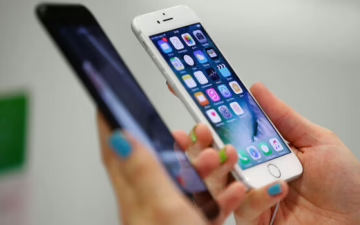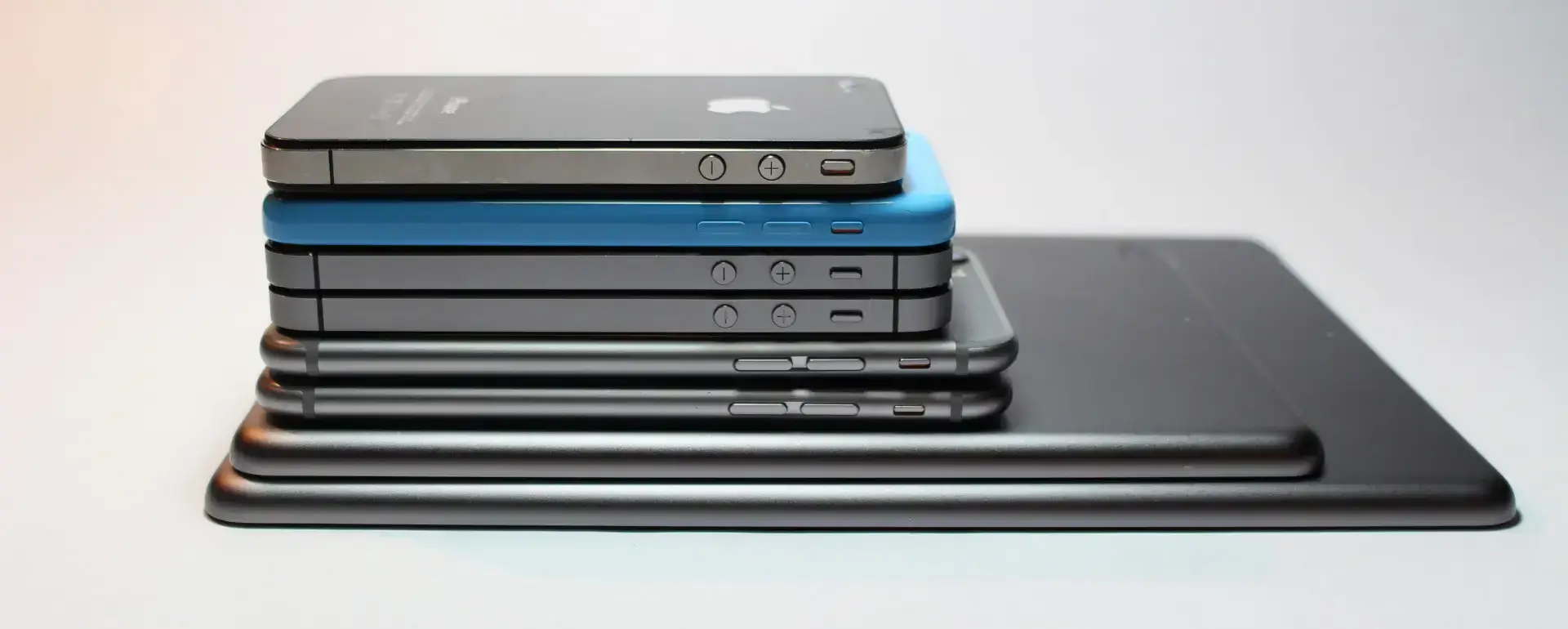


Refurbished iPhone 15 Vs iPhone 15 Plus UK Value 2026
Buying a refurbished iPhone 15 in 2026 feels a bit like picking the right coat for British weather. The “best” one depends on your day, your commute, and how often you end up far from a plug socket.
The iPhone 15 and iPhone 15 Plus share the same core experience, the same iOS support runway, and the same repair realities. The real question is value. Do we pay extra for a bigger screen and better battery, or do we keep it simple and pocket the savings?
Below, we’ll compare what matters for UK buyers shopping refurbished, including pricing, long-term reliability, and what we actually see when these phones come across the bench.
UK value snapshot (March 2026): price gaps, what you get, what you sacrifice
In March 2026, UK pricing for refurbished iPhones has settled into a pattern: the Plus usually costs a bit more, but not always enough to be painful. Based on current UK ranges, we’re commonly seeing refurbished iPhone 15 prices around £315.99 to £645.99, and refurbished iPhone 15 Plus around £343.99 to £740.99, depending on condition and storage.
Here’s the quick comparison that tends to decide it for most people:
| Value factor | Refurbished iPhone 15 | Refurbished iPhone 15 Plus |
|---|---|---|
| Typical UK price gap | Lower cost, often best “sweet spot” | Usually £50 to £100 more like-for-like |
| One-hand comfort | Easier to pocket and use | Big, better for two hands |
| Screen feel | More focused, less bulky | More space for video, spreadsheets, reading |
| Battery headroom | Strong, but not “forget the charger” strong | The main reason to pay extra |
| Resale demand (UK) | Broader audience, easier to move on | Smaller audience, but loyal buyers |
If we want the safest value bet in the used iPhones UK market, the regular iPhone 15 is often the easier choice to buy and to resell later.
When we’re price-checking, we like to sanity-scan against reference points such as the Apple Refurbished iPhone Store (UK) and independent comparison pages like refurbished iPhone 15 Plus listings. It helps us spot when a “deal” is actually just normal pricing with louder marketing.
Design and display: the size difference isn’t subtle in daily life
The iPhone 15 Plus isn’t just “a bit bigger”. It changes how the phone fits your day. On the sofa it’s brilliant. On a crowded train, it can feel like opening a paperback with one hand.
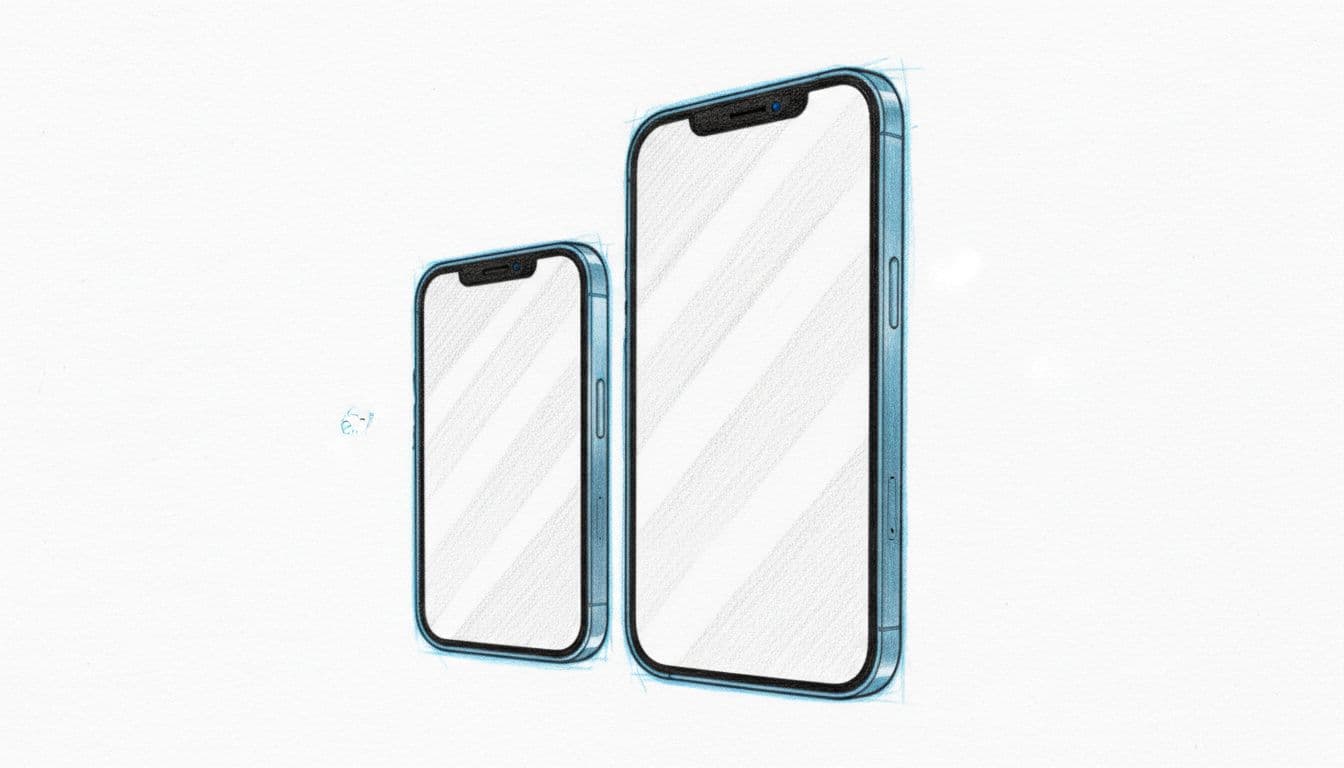
We’ve noticed something practical when customers switch from smaller models: screen size affects how people treat the phone. Plus owners tend to use it more for video and maps, and that usually means more time in-hand and more chances for drops. That doesn’t make the Plus fragile, but it does nudge the risk up in the real world.
A second, less talked-about angle is accessories. A Plus often pushes people into MagSafe stands, bigger cases, and bigger pockets. If we’re chasing cheap refurbished iPhones, the “all-in” cost matters, not just the handset.
For buyers who want a compact flagship feel with fewer compromises, the iPhone 15 stays the tidy option. If we mainly watch, read, and browse, the Plus feels like upgrading the living room telly.
Battery life realities: what we gain, and what “refurbished” changes
Battery is where the Plus earns its name. In everyday UK use (WhatsApp, streaming, photos, contactless, a bit of 5G), the Plus tends to finish the day with more in reserve. That matters if we travel, work long shifts, or just hate charging twice.
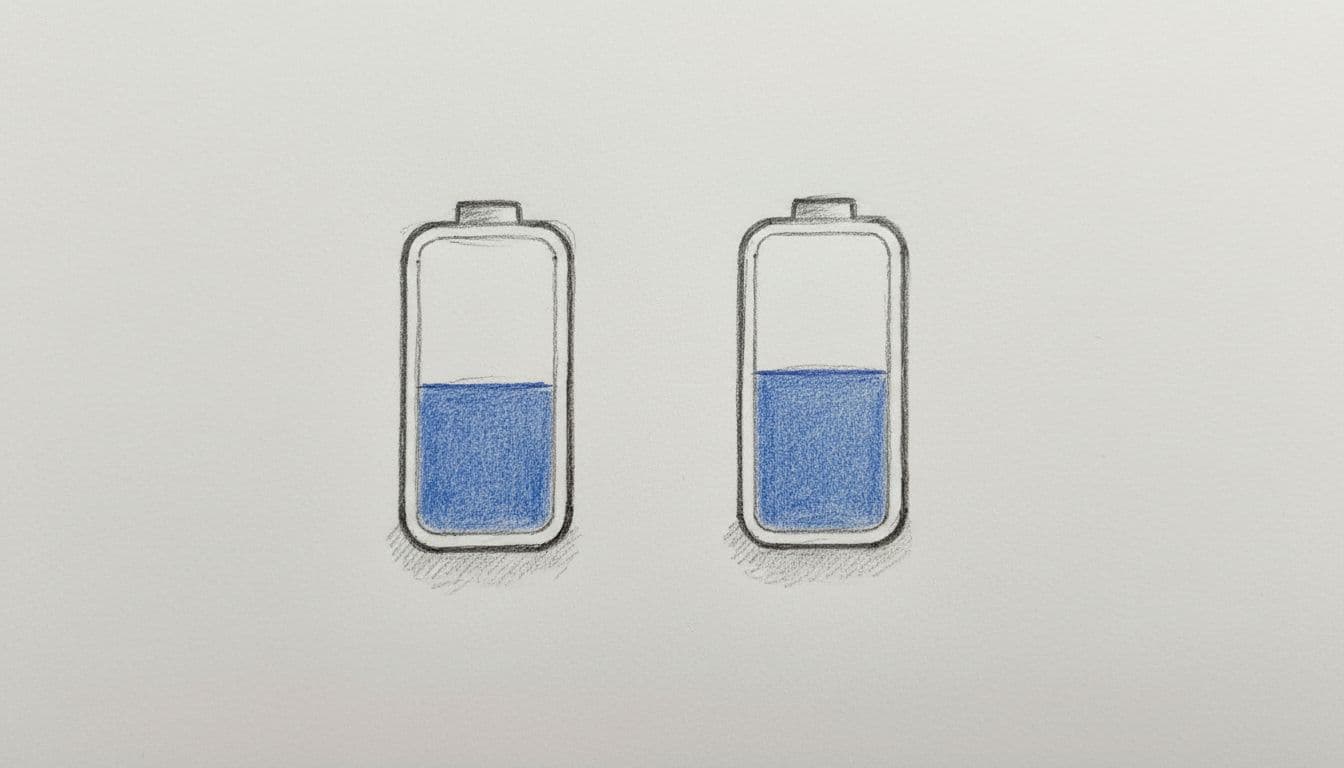
Refurbished complicates battery talk slightly, because battery health varies between units. Many UK sellers set a minimum threshold (often 80 percent), while some retailers target higher.
Our buying advice is simple: battery health is value. If we’re comparing two refurbished iPhone deals UK listings and one has stronger battery health or a documented replacement, that can outweigh a small price difference. A Plus with a tired battery loses one of its main reasons to exist.
Also, don’t ignore charging habits. If we spend most of the day near a charger (home office, car, desk), the regular iPhone 15 feels more than enough.
Our Experience Refurbishing This Model at Used Mobiles 4U
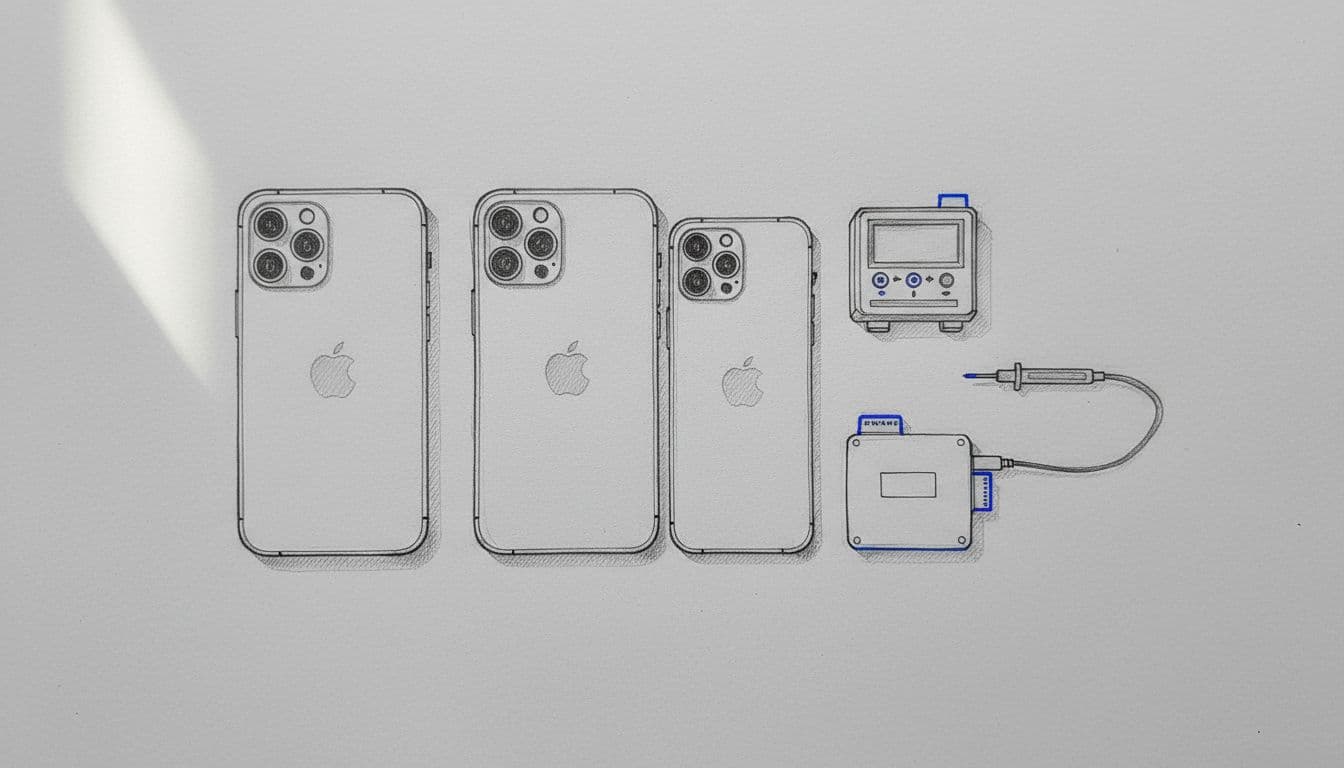
At Used Mobiles 4U, we see both models regularly as part of the wider refurbished smartphones UK trade. Most iPhone 15 and 15 Plus devices arrive in decent shape, but there are a few patterns we’ve learnt to watch for.
Typical battery health we see: most units land in the high-80s to mid-90s. If a device drops too low, it doesn’t make sense as a “value” phone anymore, so we prioritise battery testing and replace where needed.
Common issues we spot during checks:
- USB-C ports packed with lint (it can mimic a “faulty charger” complaint).
- Light camera lens haze from pocket dust (more common than people expect).
- Micro-cracks around the rear glass edges on phones used without cases.
- Face ID problems after third-party screen work (we treat these cautiously).
One of our favourite quiet wins with this generation is consistency. These models tend to be less temperamental than older devices that have lived through more repair cycles.
Technician insight: “On the iPhone 15 range, the most ‘faults’ we see are actually dirt or wear, not dead parts. A proper port clean and battery test solves a lot.”
If we’re buying second hand iPhones UK, we should always look for a clear grading system, warranty, and proof of functional testing. That’s what separates a smart buy from a gamble.
Which is better value for UK buyers in 2026?
For most people, the best-value pick is still the standard iPhone 15, because it hits the sweet spot of price, comfort, and resale demand. The Plus becomes the better buy when battery anxiety is real, or when the bigger display is part of how we live.
Choose the refurbished iPhone 15 if we:
- want the lowest sensible spend on a modern iPhone
- prefer a lighter phone for commuting and pockets
- plan to resell later and want broad buyer demand
Choose the refurbished iPhone 15 Plus if we:
- work long days away from chargers
- watch a lot of video or read on our phone
- want fewer “end-of-day” battery compromises
If we’re comparing options in stock, it’s worth checking specific listings. For example, a like-new unit such as the Refurbished iPhone 15 Yellow 128GB like new shows how pricing can shift based on grade, not just model.
To weigh up refurb vs brand-new costs, our guide on Refurbished iPhone 15 vs brand new models is a useful cross-check. If we’re also considering stepping back a generation to save more, this Refurbished iPhone 14 vs iPhone 15 comparison for UK buyers can help sharpen the numbers.
The bigger picture is this: refurbished iPhones aren’t just “cheap refurbished iPhones”. They’re a way to buy refurbished iPhone hardware with warranty cover and a known standard, which is why used iPhones UK demand stays high.
Conclusion: the best-value choice depends on your day, not the spec sheet
In 2026, the iPhone 15 usually wins on pure value, while the iPhone 15 Plus wins on comfort and battery headroom. If we want the safest purchase for most people, the refurbished iPhone 15 is the easier recommendation. If we live on maps, video, and long days, the Plus earns its extra cost.
Either way, we should treat battery health, grading, and warranty as part of the price. And if we want a straightforward place to start, Used Mobiles 4U regularly stocks refurbished models with warranty, so we can choose the condition that fits our budget.
Meta description: Refurbished iPhone 15 vs 15 Plus UK (2026) value guide. Compare pricing, battery, size, resale, and real refurbishment insights for smarter buying.