


Are Cheap iPhones a Smart Buy? a Guide

02/04/2025

12 Mins
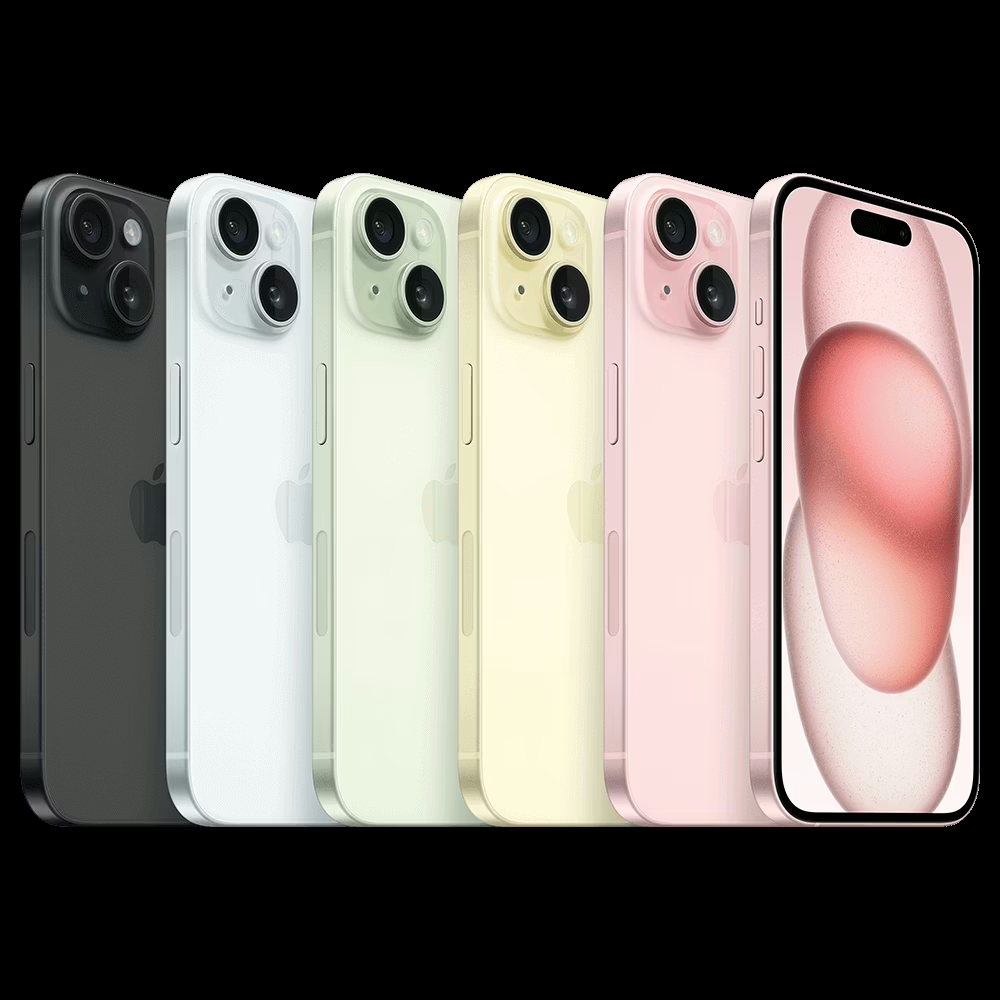
Cheap iPhones: Smart Savings or Risky Buys?
When it comes to cheap iPhones, opinions are often split. Are Cheap iPhones a Smart Buy? Are they a smart way to snag premium tech at a bargain, or do they come with risks that aren’t worth the savings? For budget-conscious buyers, the appeal of refurbished iPhones or second-hand iPhones is undeniable. From modest price tags to giving older tech a second life, they promise big value for less. But not all deals are created equal—some might fall short on battery health or warranties.
With plenty of options popping up across places like Used Mobiles 4U, or even pricier alternatives like Apple’s refurbished shop, it’s worth knowing what to look out for. Whether you’re eyeing cheap iPhones, hoping to avoid overpriced junk, or balancing them against cheap Android phones and used Samsung devices, understanding the trade-offs can make all the difference.
The Appeal of Cheap iPhones
Are cheap iPhones a smart buy and why do people buy them? Cheap iPhones have carved out a significant niche in the budget smartphone market. They present a great opportunity for users to access premium Apple devices without the hefty price tag. Whether you opt for a refurbished model, a second-hand option, or explore why these devices hold their value, each choice has its own benefits and challenges. Here’s a closer look at what makes them so enticing.
Refurbished iPhones: A Savvy Purchase?
Are cheap iPhones a smart buy and what should I Look for? When buying a refurbished iPhone, what sets it apart is not just the price, but also the meticulous process it undergoes to regain its glory. Trusted platforms like Used Mobiles 4U ensure products pass rigorous quality checks. They also provide warranties, giving buyers peace of mind that their ‘almost-new’ device won’t suddenly fail.
Refurbished phones often come with upgrades like a brand-new battery or a refreshed screen, which means you’re not inheriting someone else’s wear and tear. This makes them perfect for those looking to save money but unwilling to compromise on quality. It’s also a more sustainable choice for the environmentally conscious, reducing electronic waste while still delivering modern features.
A typical refurbished iPhone might even last longer than uninformed buyers assume, given the thorough checks and servicing it goes through. And with trusted resellers offering devices at lower costs than Apple’s own refurbished shop, it’s clear why so many are making the jump to refurbished.
Second-Hand iPhones: Risks and Rewards
Second-hand iPhones bring their own mix of benefits and challenges. Unlike their refurbished counterparts, second-hand devices are usually sold as-is and may not have undergone professional checks or repairs. These devices can be a bargain for those willing to gamble a little — but the lack of a warranty can make anyone feel like they’re walking a tightrope.
One major red flag with second-hand purchases is the risk of buying stolen devices or those with unaddressed software locks. If features like Apple’s “Find My iPhone” aren’t disabled, it could render the phone useless. Ensuring you buy from a reputable source or check key features, like whether the phone is carrier-unlocked, can help mitigate these risks.
That being said, the second-hand resale market is booming for good reason. Many people sell their used iPhones when upgrading to the latest model, leaving buyers who aren’t chasing cutting-edge tech with decent bargains. That’s particularly useful if you’re shopping for kids, backup phones, or entry into the iOS ecosystem without breaking the bank.
For step-by-step advice on what to check before buying second-hand, guides like this one from Lifewire offer actionable tips.
Why iPhones Retain Value
Are cheap iPhones a smart buy and what happens to their value over time? Unlike many other smartphones, iPhones have a strong reputation for retaining a significant chunk of their initial value over time. But why? Several factors contribute to this phenomenon:
- Durability: Thanks to their premium build quality and materials, iPhones often outlast competitors like many used Samsung or cheap Android phones. They can withstand years of daily use without completely falling apart.
- Software Longevity: Apple’s ongoing software updates ensure even older phones stay functional and secure, putting them way ahead of brands that discontinue updates after a couple of years.
- High Demand: iPhones hold an almost cult-like status in the tech world. Brand loyalty and global demand make them easy to sell and appealing to trade-in services.
- Resale Ecosystem: With platforms like Used Mobiles 4U offering competitive prices for iPhones for sale, it’s easier than ever for sellers to get a good deal — and for buyers to grab quality devices.
In fact, a recent analysis by PhoneArena revealed that iPhones from 2023 retained more value than popular rivals like Samsung’s Galaxy S23. Combine this with Apple’s trade-in programme, and you’re looking at a device that continuously pays back its worth.
For budget buyers, this means less buyer’s remorse as their investment is unlikely to lose too much in value. Whether you’re planning to keep your device for years or sell it after a few upgrades, iPhones prove time and again why they’re the king of the smartphone resale market.
Are Cheap iPhones A Smart Buy and worth it?
Are cheap iPhones a smart buy? Cheap iPhones are appealing for those who want to access Apple’s high-quality devices on a budget. However, deciding whether they’re a good buy involves more than looking at the price. It’s about understanding how they stack up against alternatives, spotting traps, and ensuring you’re investing in a device that meets your needs.
How Cheap iPhones Compare to Cheap Android Phones
Budget-conscious buyers often face a choice between cheap iPhones and Android alternatives like a used Samsung device. On the surface, both seem like smart cost-saving options, but there are key differences that might sway your decision.
Apple devices, even older models, stand out for their long-term usability. Why? Apple offers strong app support and provides system updates for years beyond what Android manufacturers typically do. For example, a five-year-old iPhone may still run smoothly on the latest iOS version, while a comparable Samsung or other Android phone might be left in the dust with no further upgrades. This commitment to updates makes cheap iPhones a valuable, long-lasting option for buyers.
Consider app compatibility as well. While Android devices offer flexibility and customisation, some apps work better or launch first on the iPhone, benefiting from Apple’s tight integration within its ecosystem. This is especially noticeable in photo editing apps or games.
On the other hand, cheap Android phones tend to offer varied hardware options. A used Samsung Galaxy model in the same price range as a cheap iPhone, for instance, may come with larger screens, expandable storage, or even newer designs. If customisation and features like dual-SIM support matter most, Android phones take the lead.
Still, one key area where cheap iPhones surpass their Android counterparts is resale value. Even a second-hand iPhone retains part of its value because of the demand. Need proof? Explore platforms like Used Mobiles 4U. Finding a deal can also mean recovering cash if you later decide to trade it in or resell it. With Android brands, depreciation typically hits harder.
When a Price Tag Becomes a Red Flag
Are cheap iPhones a smart buy and does cheap mean good value? Cheap prices often catch the eye, but some bargains are too good to be true. Scammers exploit the demand for cheap iPhones by offering fake, stolen, or severely damaged devices. How do you avoid falling into their traps?
- Verify the Seller: Check if you’re buying from a reputable source. Stick to trusted retailers or verified platforms. For example, platforms like Used Mobiles 4U specifically tailor their services to authenticate devices.
- Inspect the Phone’s Status: Be wary of iPhones with iCloud locks. These locks make a phone unusable unless you have the original owner’s Apple ID credentials. Stolen devices listed at a fraction of the standard cost are often iCloud-locked and worthless.
- Dodgy Deal Locations: Avoid completing transactions in unguarded public spots or dealing entirely online with unknown sellers. Meeting at a designated secure location, like a local store or police station, ensures safety.
- Check Serial Numbers: Use Apple’s official support pages to verify the phone’s IMEI or serial number. Scammers use authentic-looking replica devices, and entering these details can help confirm its status. The Times of India provides an in-depth look into identifying fake iPhones here.
Lastly, always rely on receipts and warranties. While tempting, buying from unreliable social media listings could mean gambling away your hard-earned money.
Where to Find Quality Cheap iPhones
Are cheap iPhones a smart buy and where can one buy them? Looking for a cheap iPhone shouldn’t feel like walking a tightrope between a good deal and wasted money. With so many options for refurbished and second-hand iPhones, knowing where to shop safely and getting the best value is essential. Whether you’re an online shopper or someone who prefers scoping out deals in person, navigating this marketplace can be a rewarding experience if you know where to look.
Platforms for Secure Purchases
Are cheap iPhones a smart buy and where can I buy them online? When it comes to buying cheap iPhones online, trusted platforms streamline the process, offering verified products and buyer protection. However, not all online deals are created equal. Here are some trusted sites and tips to keep you safe while shopping for refurbished or used iPhones online:
- Used Mobiles 4U: Known for quality refurbished products, this platform specialises in Apple devices. Their rigorous quality checks come with peace of mind, and warranties ensure your purchase is protected.
- Envirofone: A well-known UK recycler offering refurbished iPhones for sale. All phones come with quality guarantees, a 18 Month Warranty, and free delivery.
- Back Market UK: Popular for its competitive prices and comprehensive refurbishing standards. Back Market provides up to 70% off retail pricing on most models, along with a minimum 18 Month Warranty.
- UR Mobile: This UK-based company hand-refurbishes mobiles to ensure top-notch quality. UR Mobile’s certified phones undergo thorough inspections to deliver excellent performance.
Don’t forget these important safety tips when buying online:
- Check Warranties: Stick to platforms offering warranties. This ensures you’re safeguarded if the phone has technical issues.
- Read Reviews: User reviews and ratings often reveal hidden pitfalls or points of excellence.
- Inspect IMEI Numbers: Using the phone’s IMEI number through Apple’s checker tool can verify if it’s genuine and not blacklisted.
- Avoid Scams: Be cautious of too-good-to-be-true deals, especially on unverified platforms.
Physical Stores: Hidden Gems or a Gamble?
Are cheap iPhones a smart Buy? Shopping for cheap iPhones locally can be a mixed bag. From local electronics shops to high-street resellers, buying in-person comes with its own advantages and risks. Here’s what you need to know:
The Pros:
- Immediate Inspection: Unlike online shopping, you can physically inspect the phone. Check for scratches, battery health, and overall condition before paying.
- Negotiation Perks: Prices in local shops or second-hand markets may not be fixed, giving room for negotiation.
- Quick Availability: No waiting for shipping. Walk out of the store with your new device on the same day.
The Cons:
- Limited Warranty Options: Many stores selling second-hand iPhones may not offer extended warranty services — a major drawback compared to online platforms.
- Higher Price Points: Brick-and-mortar stores often charge more due to operational costs. You might find better deals online.
- Unknown History: Without refurbishing or proper checks, used iPhones may come with hidden flaws.
Some reliable UK stores to check out include the Apple Store’s refurbished section, though most physical Apple store purchases happen online. For budget buyers, smaller tech shops may hold hidden gems but require extra caution. Always request a receipt and check if the phone is unlocked for all carriers upfront.
In physical spaces, buying cheap iPhones is much like spotting treasure in a thrift shop — the occasional excellent deal exists, but keeping your guard up is vital. When in doubt, verify your purchase through Apple’s serial number verification tool or choose established refurbishing shops like The Big Phone Store.
Both online platforms and physical stores have their merits for buying cheap iPhones. Staying vigilant while leveraging the conveniences of warranties, reviews, and inspection opportunities can spare you from turning a bargain into a headache.
Environmental and Ethical Considerations
When exploring the benefits and implications of cheap iPhones, it’s crucial to also assess the environmental and ethical dimensions. With growing global e-waste concerns and the need for sustainable practices, the choice to buy refurbished or second-hand iPhones can have far-reaching impacts beyond just saving money.
Refurbished Phones and E-Waste Reduction
Every year, millions of discarded electronic devices pile up, contributing to a staggering e-waste problem. The production of brand-new smartphones consumes finite resources like minerals and generates harmful emissions. Opting for refurbished phones like cheap iPhones over new ones is a smart way to break this cycle.
Refurbished phones, unlike entirely new handsets, utilise existing components. This means fewer mining operations for materials such as gold, cobalt, and lithium—key components of modern phones. By choosing second-hand iPhones, buyers directly reduce the demand for newly manufactured devices, lowering the industry’s carbon footprint.
The impact is tangible. A refurbished device cuts down carbon emissions significantly compared to producing a brand-new device from scratch. In fact, platforms like ForestNation illustrate how refurbished electronics foster a sustainable and circular economy. By using what already exists instead of producing anew, we reduce waste and conserve energy—benefits that extend to the wider environment.
Even more compelling, companies such as Gen Mobile advocate for buying pre-owned tech to limit the strain on natural resources. When you pick a refurbished iPhone, you’re not just saving money; you’re also giving technology a second life, contributing to sustainability while indulging your tech-savvy side. It’s one small choice but a massive step as far as the planet is concerned.
Apple’s Initiatives for Sustainability
Apple has taken significant steps to address environmental concerns associated with technology manufacturing and usage. They’ve set groundbreaking commitments, such as making their entire supply chain and products carbon neutral by 2030. Their focus on sustainability ripples into the second-hand and refurbished market, making cheap iPhones more environmentally appealing than ever.
One of Apple’s well-known initiatives includes designing devices with recycled materials. For example, they now use 100% recycled aluminium in certain models, which filters down to second-hand and refurbished iPhones. This move has drastically reduced their reliance on raw materials. According to Apple’s Environmental Report, the company has already achieved a 55% reduction in greenhouse gas emissions since 2015, putting them well on track to meet future goals.
Additionally, Apple’s trade-in programme encourages users to part with old devices instead of merely discarding them, feeding these devices into a robust refurbishing ecosystem. Companies following this model, such as trusted platforms like Used Mobiles 4U, ensure refurbished iPhones are high-quality options for buyers seeking affordability and sustainability.
By eliminating plastic from packaging and investing in renewable energy across their operations, Apple has streamlined sustainability for the average consumer. As highlighted by Forbes, changes like these instil confidence that even when purchasing second-hand, you’re indirectly supporting a greener planet.
Ultimately, Apple’s leadership in sustainability helps mitigate the ethical concerns tied to technology manufacturing, making refurbished and used iPhones not just a cost-effective choice, but a conscientious one too.
Conclusion
Are Cheap iPhones a Smart Buy? Cheap iPhones can be a fantastic solution for budget-conscious buyers, but the key lies in making an informed choice. Refurbished iPhones offer peace of mind through quality checks and warranties, making them an excellent option for those prioritising reliability and sustainability. Second-hand iPhones can score you big savings but carry higher risks, which means careful vetting is essential.
Ultimately, cheap iPhones represent a balance between quality and cost. Whether you purchase from trusted platforms like Used Mobiles 4U or compare them against cheap Android phones and used Samsung models, the value is clear when longevity, resale value, and iOS software support are considered.
Your decision should reflect your needs, priorities, and budget. Want lasting updates and a reliable ecosystem? Are Cheap iPhones a Smart Buy? Opt for a refurbished iPhone. Craving affordable tech with fewer constraints? Second-hand might work for you. Carefully assess your options to ensure your next iPhone is more hidden gem than overpriced junk.
Looking for a refurbished phone?
Shop professionally tested refurbished iPhones and Samsung phones with 18 month warranty, 30 day returns and free UK delivery.
Browse Refurbished Phones