


Good Things to Sell on eBay UK: A Seller’s Guide

11/04/2026

17 Mins

If you're staring at your eBay account wondering what sells, the short answer is this. Refurbished tech is one of the strongest places to start in the UK. Not every category gives you the same mix of demand, resale value, repeat buyers, and manageable postage. Mobiles, tablets, laptops, and the right accessories do.
That matters if you're starting with a tight budget, clearing old devices from home, or trying to build something more organised. Cheap, bulky, fragile, low-demand items often create more work than profit. Refurbished Apple and Samsung devices are different. Buyers already know what they are, they can compare models easily, and if you describe condition properly, they tend to convert far better than vague general stock.
The main trade-off is that tech is less forgiving. Buyers expect accurate grading, proper testing, safe delivery, and sensible after-sales support. If you get that right, eBay can work very well. If you cut corners, returns and disputes arrive quickly.
The rest of this guide focuses on good things to sell on ebay from a UK refurbished tech perspective. It covers what sells, how to source stock, how to build trust in your listings, and how to grow without drowning in returns.
Getting Started What Are Good Things to Sell on eBay
Most new sellers begin in the same place. They want extra income, they don't want to get stuck with dead stock, and they need something simple enough to understand without learning ten different product categories at once.
For that reason, some of the good things to sell on ebay are items people already recognise and actively search for. In practice, that usually means branded tech, especially used and refurbished mobiles, tablets, and accessories.
Clothing can sell. Home bits can sell. Collectables can sell. But refurbished tech is easier to price logically because buyers compare clear details such as model, storage, network status, cosmetic grade, battery condition, and what comes in the box. That gives you a cleaner business model than vague second-hand categories where every listing feels subjective.
What usually works best for beginners
A simple starting point looks like this:
- Your own unused devices: Old iPhones, Samsung handsets, iPads, and working laptops are often the easiest first listings.
- Small accessories: Cases, chargers, cables, and screen protectors are easier to pack and often generate fewer complaints than mixed household goods.
- Recognisable brands: Apple, Samsung, Motorola, Lenovo, and similar names are easier to search, easier to price, and easier to move.
What usually doesn't work as well
Some stock looks cheap to source but becomes a headache quickly:
- Unbranded electronics: Buyers worry about reliability and returns can wipe out the margin.
- Very old damaged tech: Spares and repair can sell, but beginners often underestimate fault descriptions.
- Large low-value items: Storage, packing, and courier costs get messy fast.
If you're still narrowing down stock, this piece on How to Find Winning Products is useful because it pushes you to look at demand and fit, not just what looks cheap to buy.
Practical rule: Start with products you can test, describe, and post confidently. If you can't explain the condition clearly, don't list it yet.
Why Refurbished Tech Sells So Well in the UK

The UK buyer for refurbished tech is usually practical. They want a decent device, they don't want to pay new prices, and they still expect the phone to feel dependable when it arrives.
That combination makes refurbished mobiles a strong fit for eBay. Buyers already understand products like the iPhone 12, iPhone 13, Galaxy S range, or a newer Motorola model. They know the retail price of a new one. They also know a clean, tested used version can make more sense.
Familiar brands do a lot of the selling for you
eBay UK's own press data says branded tech items, particularly Apple and Samsung smartphones, rank among the top-performing categories, with an average selling price of £250 and three iPhone-related items sold every minute. The same source says refurbished models can offer 40-60% cost savings compared with new devices while retaining 85-95% battery health and full functionality after testing (eBay UK press room).
Those figures explain why this category behaves differently from random used goods. A buyer doesn't need convincing that an iPhone or Samsung handset is useful. They only need confidence that your listing is genuine, tested, and accurately graded.
For sellers, that's a much better position than trying to create demand from scratch.
The UK buyer is value-led, not bargain-blind
There is a big difference between a cheap phone and a good-value phone. Buyers will pay more for a handset that has clear grading, a proper battery, and a realistic description.
That's why vague listings struggle. If the title just says "iPhone good condition", you're forcing the buyer to guess. If the listing states the exact model, storage, network status, cosmetic condition, battery health if relevant, and what accessories are included, the buyer can make a decision quickly.
A lot of buyers also don't want the latest release. They want a handset that still runs well for messaging, banking, email, maps, and everyday apps. That's why older flagship models often keep moving steadily long after they disappear from the new market.
For people comparing models, this guide to the best refurbished iPhones gives a realistic sense of why some generations hold value better than others.
Trust is the difference between a sale and a return
Refurbished tech sells well when the listing removes doubt. Buyers want answers to a few straightforward questions:
A customer recently asked about a refurbished iPhone for their teenage son. Their main worry wasn't the model. It was whether the battery would hold up at school and whether the phone would arrive exactly as described. That's typical. Most buyers aren't looking for a perfect unboxed experience. They're looking for no nasty surprises.
Buyers forgive honest wear. They don't forgive hidden faults.
Why the category keeps its momentum
The biggest strength in refurbished tech is that demand isn't tied to one short seasonal trend. People replace broken devices, upgrade from older handsets, buy first phones for children, or need extra work mobiles all year round.
That steady need is why this category keeps attracting serious sellers. If you can test properly, grade consistently, and communicate clearly, refurbished tech gives you a repeatable model instead of one-off luck.
How to Source Your Inventory Profitably

Sourcing is where most eBay plans either become a business or stay a hobby. Plenty of people can list one spare phone. Far fewer can replace sold stock with devices that still leave room for fees, postage, returns, and the occasional fault.
The key is to buy in a way that matches your current stage. A beginner doesn't need pallets. A growing seller doesn't want to rely only on clearing out drawers at home.
Start with stock you already understand
The easiest first inventory is your own.
If you've got an old iPhone, a Samsung that's been sitting unused, or a tablet that still works but no longer gets used, list that first. You'll learn how eBay item specifics work, what buyers ask, and how careful you need to be with condition notes.
This stage teaches three useful habits:
- Check activation locks: Make sure iPhones are removed from Find My and Android devices are reset properly before sale.
- Test the basics: Cameras, charging, speakers, microphones, Wi-Fi, buttons, and SIM recognition all need checking.
- Back up before wiping: If it's your own device, back up first. On iPhone, use Settings > [your name] > iCloud > iCloud Backup > Back Up Now. If you skip that step, you can lose photos, messages, and app data permanently.
A lot of avoidable trouble starts with sellers rushing the reset process.
Move next to trade-ins and local buying
Once you've sold your own spare devices, you need a repeatable supply. Trade-ins are one of the cleaner ways to do that because the product type stays focused and you can build knowledge in one niche.
That might mean buying from people locally, using organised trade-in channels, or taking in handsets from friends, family, or local contacts who want a simple sale. The important part is discipline. Not every device is worth buying.
Use a simple buying checklist before you hand over money:
- Model demand: Stick with models buyers already search for.
- Lock status: Avoid anything that's account-locked or reported lost unless you're buying for parts and listing it exactly that way.
- Cosmetic risk: Heavy frame dents, screen burn, and liquid damage usually create more arguments than profit.
- Parts quality: If a phone has had poor third-party repairs, expect problems later.
If you're researching what buyers look for in cleaner stock, this guide on where to buy refurbished iPhones UK is useful because it shows the standards buyers expect from proper refurbished devices.
Wholesale can help, but only after your checks are solid
Newer sellers often think wholesale solves everything. Sometimes it does the opposite.
Bulk buying can tie up cash in mixed grades, weak IMEI checks, poor battery performance, or devices that look fine in a spreadsheet and disappoint when they land on your bench. If you don't have a reliable process for testing and grading, wholesale just scales your mistakes.
A safer progression looks like this:
- Sell your own unused tech
- Buy individual devices locally
- Take in repeat trade-ins from trusted sources
- Test your turnaround times and return rates
- Then consider wholesale lots
That's slower, but it's much less expensive than buying a stack of stock you can't move.
Bench advice: Profit is made when you buy, not when you list. If the handset already feels risky in your hand, the listing won't fix that.
Grading needs to be honest, not optimistic
A lot of disputes start with overgrading.
If you describe a phone as excellent and the buyer finds frame wear, screen scratches, or battery disappointment, you've created a return before they've even turned it on. Conservative grading protects your feedback and saves time.
A simple working approach is:
Be especially careful with batteries and screens on older handsets. A phone can power on and still be a poor customer experience if the battery drains too fast or the display has touch issues.
Keep your sourcing lane narrow at first
You don't need to sell every kind of gadget. In fact, that's usually a mistake.
A narrow lane gives you better judgement. If you mainly source iPhones, Samsung Galaxy models, and a handful of accessories, you learn typical faults, usual resale values, and which cosmetic issues buyers tolerate. That makes your buying decisions faster and better.
A seller who knows ten iPhone models well often outperforms a seller who dabbles in twenty random categories.
Creating eBay Listings That Build Trust and Convert

A buyer in Manchester searches for an iPhone 12, opens six listings, and closes five within seconds. That is how fast trust is won or lost on eBay UK.
In refurbished tech, the listing does far more than describe the item. It has to answer the buyer's risk calculation. They want to know whether the phone is genuine, whether the condition has been accurately presented, whether the battery is acceptable, and whether the seller will be difficult if something goes wrong. If your listing leaves doubt, buyers either move on or send messages that eat into your time.
Photos should answer the obvious objections
Good photos reduce returns as much as they improve conversion. I learned that early. A clean-looking title can get the click, but the photos decide whether the buyer believes you.
For used phones, keep the setup simple and repeatable:
- Use bright natural light: A window, white card, and a plain background are enough.
- Show every side clearly: Front, back, frame, corners, ports, cameras, and the screen powered on.
- Photograph defects close up: Scratches, chips, pressure marks, and casing wear should be easy to spot.
- Show included items: If it is handset only, show handset only. If a cable or box is included, show that too.
Clean, accurate images work better than over-edited ones. If you want a quick refresher on the basics, this explanation of what is product photography is useful because it focuses on clarity and buyer confidence.
One practical rule helps here. If a buyer could open a return using your own photos as evidence, you have not shown enough.
Titles need search terms, not sales language
Buyers search by model, storage, colour, network status, and condition. Your title should match that behaviour.
A strong title for the UK market usually includes:
- brand
- exact model
- storage size
- colour
- network status or network name
- condition grade
For example, "Apple iPhone 13 128GB Blue, Network Unrestricted, Good Condition" does the job. "Lovely iPhone bargain" wastes valuable space and attracts the wrong clicks.
Descriptions then need to do the work your title cannot. They should be plain, specific, and easy to scan.
Before listing, make sure the handset is properly wiped and ready for the next owner. This guide on how to prepare iPhone for sale is a useful checklist.
Description quality affects your margin
Weak listings usually sell at the lower end of the market. Strong listings can hold a better price because they remove uncertainty.
That matters in refurbished phones, where two devices with the same model number can have very different real value. One may have a tired battery, a cheap replacement screen, or heavy frame wear. The other may be clean, tested, and ready to use. Your listing has to prove which one you are selling.
Pricing also needs discipline. New sellers often copy the sold price they see on eBay and forget the awkward costs:
- eBay fees
- postage
- packaging
- testing and cleaning time
- replacement parts
- returns risk
- VAT if applicable
That is where many side hustles stall. Revenue looks healthy, but the net profit is thin.
A simple pricing check works well:
- Review sold listings for the exact model, storage, and condition.
- Ignore poor comparables with vague descriptions or hidden faults.
- Build in room for your real costs.
- Hold a firmer price if your listing proves better condition and better prep.
Answer buyer questions before they ask
The best listings reduce messages from cautious buyers and discourage problem buyers at the same time.
On refurbished phones, the usual questions are predictable:
- What is its network status?
- What is the battery health?
- Are there scratches on the screen?
- Has the screen or battery been replaced?
- Do Face ID or fingerprint features work?
- What exactly is included?
If those answers are already in the listing, serious buyers move faster. You also spend less time replying to the same six questions every day.
One of the simplest upgrades is to write the description as if the buyer has been disappointed by another seller before. In the UK refurbished market, many have. Clear photos, accurate wording, and a calm returns note do more for conversion than any attempt to sound polished.
Mastering UK Shipping Packaging and Returns
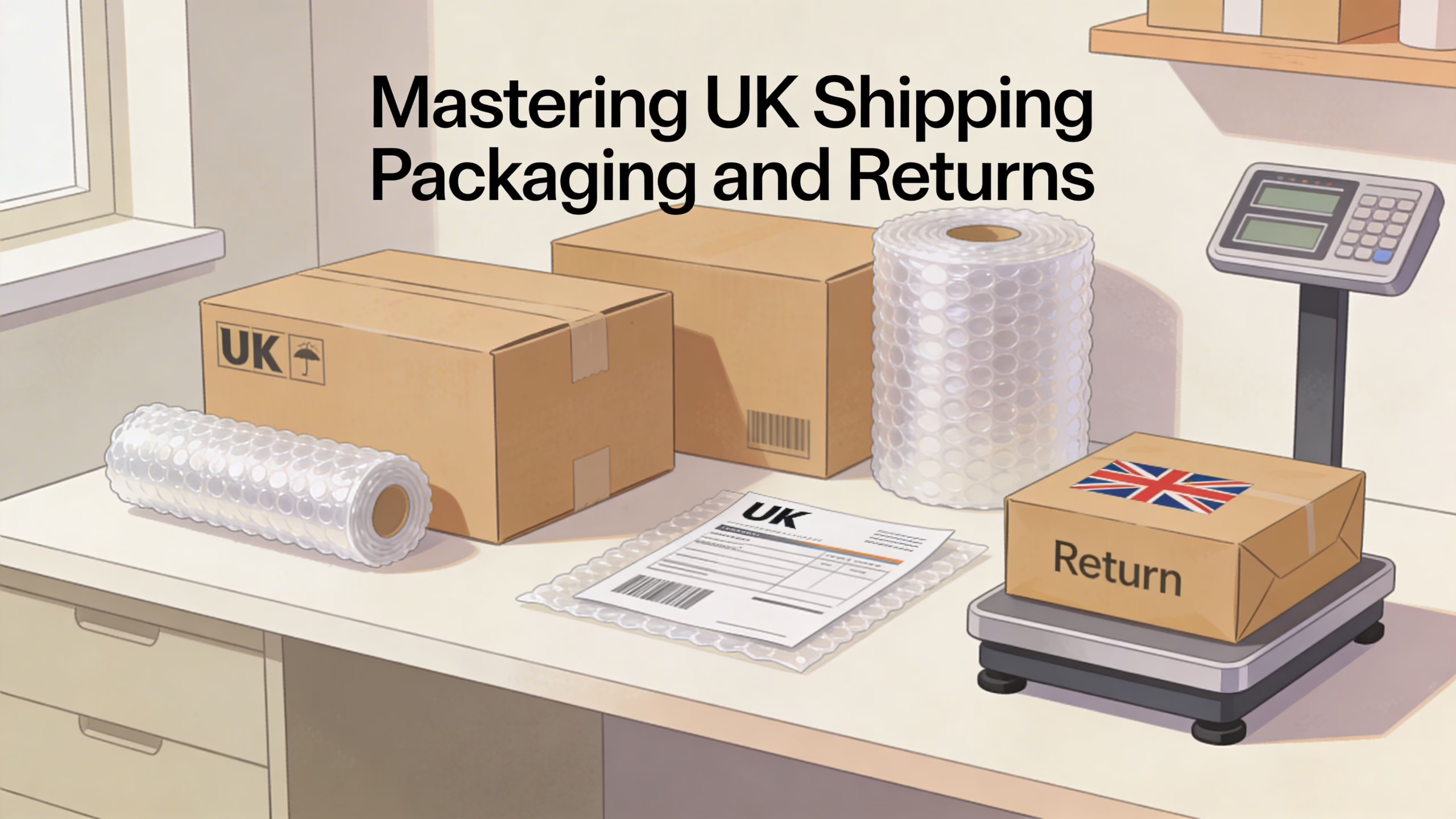
Selling the phone is only half the job. The other half is getting it to the buyer safely and dealing with any problem professionally if something goes wrong.
A mobile that arrives damaged can wipe out the profit from several sales. That's why packing and returns need a routine, not guesswork.
Pack for impact, not appearance
The box doesn't need to look fancy. It needs to survive handling.
A solid routine is:
- Wrap the handset properly: Use protective wrap so the phone can't move inside the parcel.
- Use a sturdy box: Avoid thin packaging for higher-value devices.
- Protect the screen and corners: Most transit damage shows up there first.
- Keep accessories separate inside the box: Plugs and cables can scratch the handset if they're loose.
Before you seal the parcel, it's worth taking a few quick photos of the packed item and the phone's condition. If a delivery dispute comes up later, that record helps.
For anyone sending devices in through a trade-in process, these shipping instructions for selling your tech show the sort of care that's worth applying on every outbound parcel too.
Tracked delivery is worth it
For mobiles and tablets, tracked shipping isn't optional in practice. It protects you and gives the buyer confidence.
Royal Mail is a common choice for UK sellers because buyers recognise it and tracking is easy to follow. For more valuable handsets, use a service level that matches the value and risk. Saving a little on postage isn't worth the argument if the parcel goes missing.
If the item is valuable enough to hurt when it's lost, send it with proper tracking and compensation cover.
Returns don't need drama
Returns are part of eBay selling, especially in electronics. The trick is to handle them calmly and consistently.
Good habits include:
- Reply clearly and quickly: Most disputes get worse when the buyer feels ignored.
- Check the issue against your listing: If you missed something in the description, accept that and resolve it.
- Inspect returns methodically: Verify serial numbers, condition, and reported faults as soon as the item comes back.
- Refund without delay when justified: Protecting your seller reputation usually matters more than winning one difficult argument.
Some returns are legitimate. Some are buyer's remorse. Some are caused by poor listing detail. The cleaner your original description and photos, the fewer avoidable returns you'll see.
Expanding Your Sales with High-Margin Accessories
If you're already selling mobiles, the smartest add-on category usually isn't something completely different. It's accessories that fit the handsets you're already moving.
Many sellers miss easy profit here. They focus only on the phone and ignore the case, charger, screen protector, cable, or power bank that the same buyer is likely to need.
Why accessories fit the model so well
According to the cited market roundup, apparel and accessories account for 13.8% of eBay UK listings in 2026, but within that broader space, smartphone accessories stand out for stronger margins. The same source says sellers can source some accessories for £1-2 per unit and resell them for £10-20, with top UK listings achieving 500+ sales monthly (Printify market overview).
The appeal is obvious. Accessories are smaller, cheaper to buy, easier to store, and usually simpler to post than handsets.
The best accessory stock is boring on purpose
You don't need novelty gadgets. The reliable sellers are often the most ordinary:
- Cases: Model-specific cases for popular iPhones and Samsung devices
- Chargers and cables: Especially as replacement or spare charging kits
- Screen protectors: Buyers often want one at the same time as the phone
- Power banks: Useful, recognisable, and easy to explain
The advantage is that these products support the main sale rather than distracting from a core offering.
Bundles can make more sense than separate listings
Sometimes the best margin comes from attaching the accessory to the main item.
A bundled phone with a decent cable and case can feel easier for a parent buying a first handset for their child. It can also reduce questions after the sale because the buyer knows they'll be able to use the device straight away.
That said, not every accessory belongs in every bundle. Cheap, poor-quality add-ons can make a good handset feel worse. If the accessory lowers trust, leave it out.
Keep the niche tight
A tech seller often does better by going deeper, not wider.
Stay close to the devices you already understand. If you're moving iPhones, stock the cases, charging accessories, and protective items that fit those models. If you start selling random fashion accessories or unrelated home goods just because they seem popular, your store gets harder to manage and your listings lose focus.
How to Scale From a Side Hustle to a Business
Scaling on eBay isn't about listing more random stock. It's about making the same process work repeatedly without slipping on grading, dispatch, or communication.
The first sign you're moving beyond a side hustle is simple. You stop asking, "What can I list today?" and start asking, "How do I replace sold stock at the right margin?"
Build routines before you build volume
More sales only help if your process stays tidy.
The sellers who last usually have a repeatable routine for:
- intake checks
- cleaning and testing
- grading
- photography
- listing templates
- storage
- dispatch
- return inspection
Without that, growth just creates confusion. Devices get mixed up, accessories go missing, and condition notes become inconsistent.
A basic stock system helps more than people expect. Label shelves or boxes, record IMEI or serial details where appropriate, and make sure the exact item in the listing is the item you're posting.
Know who you're selling to
Refurbished tech attracts a few clear buyer groups in the UK:
A customer recently contacted us because they needed several refurbished handsets for a small team and didn't want the cost of buying new devices. That's a common step up from one-off consumer sales. Once you can supply consistent grades and straightforward communication, small business demand becomes much easier to handle.
Make your offer simpler, not broader
Scaling doesn't always mean adding more product types. Often it means getting sharper about the stock you already know.
A tighter range of popular iPhones, Samsung models, and everyday accessories is easier to source, test, and support than a messy catalogue full of one-off gadgets. Buyers also trust specialist sellers more than general clutter sellers.
If you're turning eBay into a more serious operation, think in terms of reliability:
- predictable stock
- clear grading
- fast dispatch
- fair returns
- helpful after-sales support
That's what keeps buyers coming back and recommending you.
If you're buying or selling refurbished tech and want straight advice on the right device, condition, or trade-in route, take a look at Used Mobiles 4 U. The team can help if you're unsure which refurbished phone makes sense, whether you're upgrading, replacing a faulty handset, or sourcing several devices for work.
Written by James Waterston: 24 years in the mobile phone industry from customer service through to Sales Director of a global repair and recycling company. Now running Used Mobiles 4 U for over 8 years.
LinkedIn:
https://uk.linkedin.com/in/james-waterston-9039a21a
Looking for a refurbished phone?
Shop professionally tested refurbished iPhones and Samsung phones with 18 month warranty, 30 day returns and free UK delivery.
Browse Refurbished Phones