


Grade a vs. Grade B Refurbished iPhones: Your 2026 Buying

30/05/2026

9 Mins
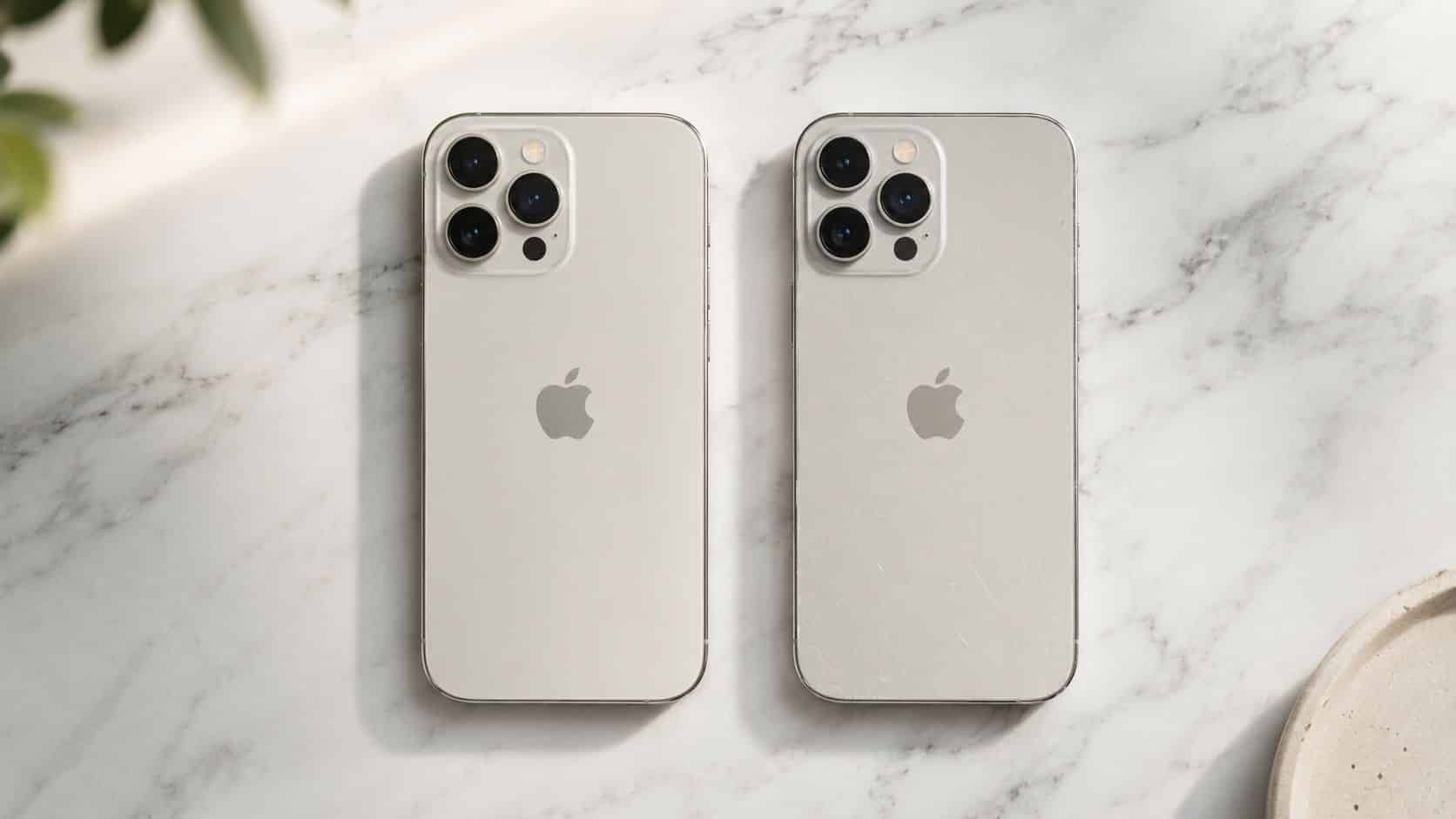
Choosing Grade B over Grade A is often the more practical decision. In real use, the difference is usually what the phone looks like, not how it works, and a Grade A iPhone often carries about a 15 to 30% premium over Grade B for the same model and storage in retail markets, based on UK phone grading guidance.
The Short Version What You Need to Know
If you’re comparing grade A vs grade B refurbished iPhones, the simple answer is this: Grade A is for looks, Grade B is for value. For most buyers, Grade B is the smarter purchase.
Both grades are worth considering if you’re buying from a seller with proper testing, decent battery standards and a real warranty. If you just want the best balance of price and day-to-day use, start with refurbished Apple iPhones in Grade B and work up only if appearance really matters to you.
- Choose Grade A if you care about a near-new finish and don’t want to see visible wear.
- Choose Grade B if you want the same iPhone model, same storage and same daily performance for less.
- Battery matters more than grade. A tidy-looking phone with a weak battery is a worse buy than a marked phone with strong battery health.
- Warranty matters more than grade. A properly tested phone with UK support is safer than a prettier phone sold with no backup.
Practical verdict: If the phone is going straight into a case, paying extra for Grade A often doesn’t make much sense.
That’s the real buying decision. You’re not choosing between a good iPhone and a bad one. You’re choosing between a cleaner shell and a lower price.
What Do iPhone Grades Actually Mean?
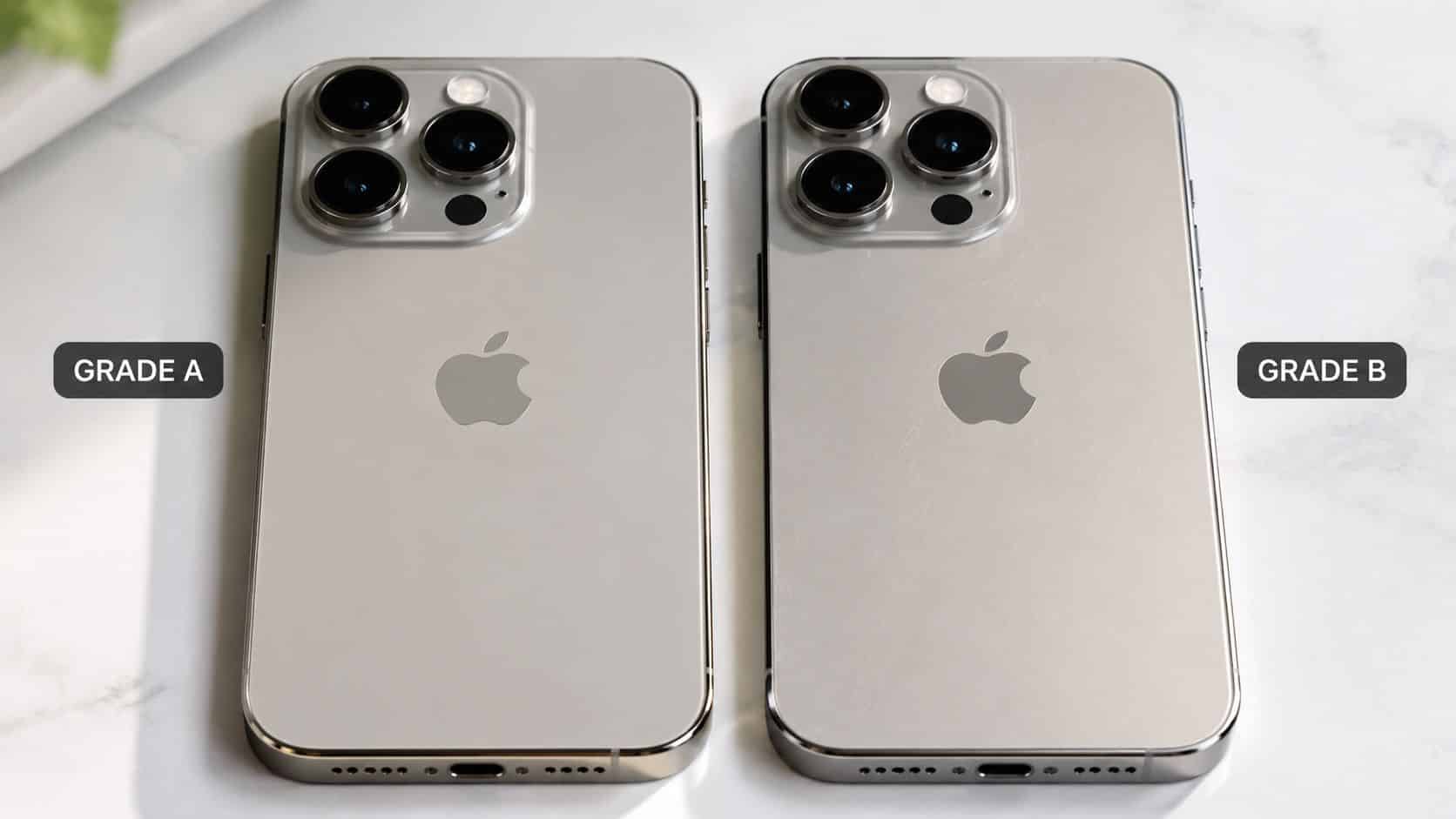
Here’s the part buyers often get wrong. In the UK refurbished market, the difference between Grade A and Grade B is mainly cosmetic, not mechanical. Grade A is usually described as near-mint or excellent with little to no visible wear, while Grade B is still fully functional but shows light scratches, scuffs or moderate signs of use, as explained in this grading overview for refurbished phones.
That means a Grade B iPhone isn’t the “worse working” phone. It’s the phone that shows it has been used. The camera should still work properly. The touchscreen should still respond properly. Charging, speakers, microphones and wireless features should still be tested to the same usability standard.
What Grade A usually looks like
A Grade A iPhone is the one most people picture when they hear “refurbished”. It looks tidy, clean and close to new. You might need bright light and a careful look to spot any previous use.
On the screen, that usually means no obvious marks when you’re using it. On the frame and rear housing, it means little to no visible wear. If you’re fussy about presentation, this is the grade that feels safest.
What Grade B usually looks like
A Grade B iPhone is the more honest used-phone look. You may see hairline screen marks when the display is off, small edge scuffs, or light wear on the back. Once the screen is on and a case is fitted, many of those marks fade into the background.
That’s why we always tell customers to think about how they actually use a phone. If it lives in a case, sits in a pocket, and gets replaced in a few years, the visible difference often matters far less than people expect.
A Grade B iPhone should not be judged like a damaged phone. It should be judged like a fully working iPhone with cosmetic history.
If you want a more detailed breakdown of how sellers describe condition, this clear buyer’s guide for iPhone grades is useful. The key point is simple: grade tells you what you’ll see, not what you’ll feel in day-to-day performance.
Grade A vs Grade B Pricing How Much Should You Pay?
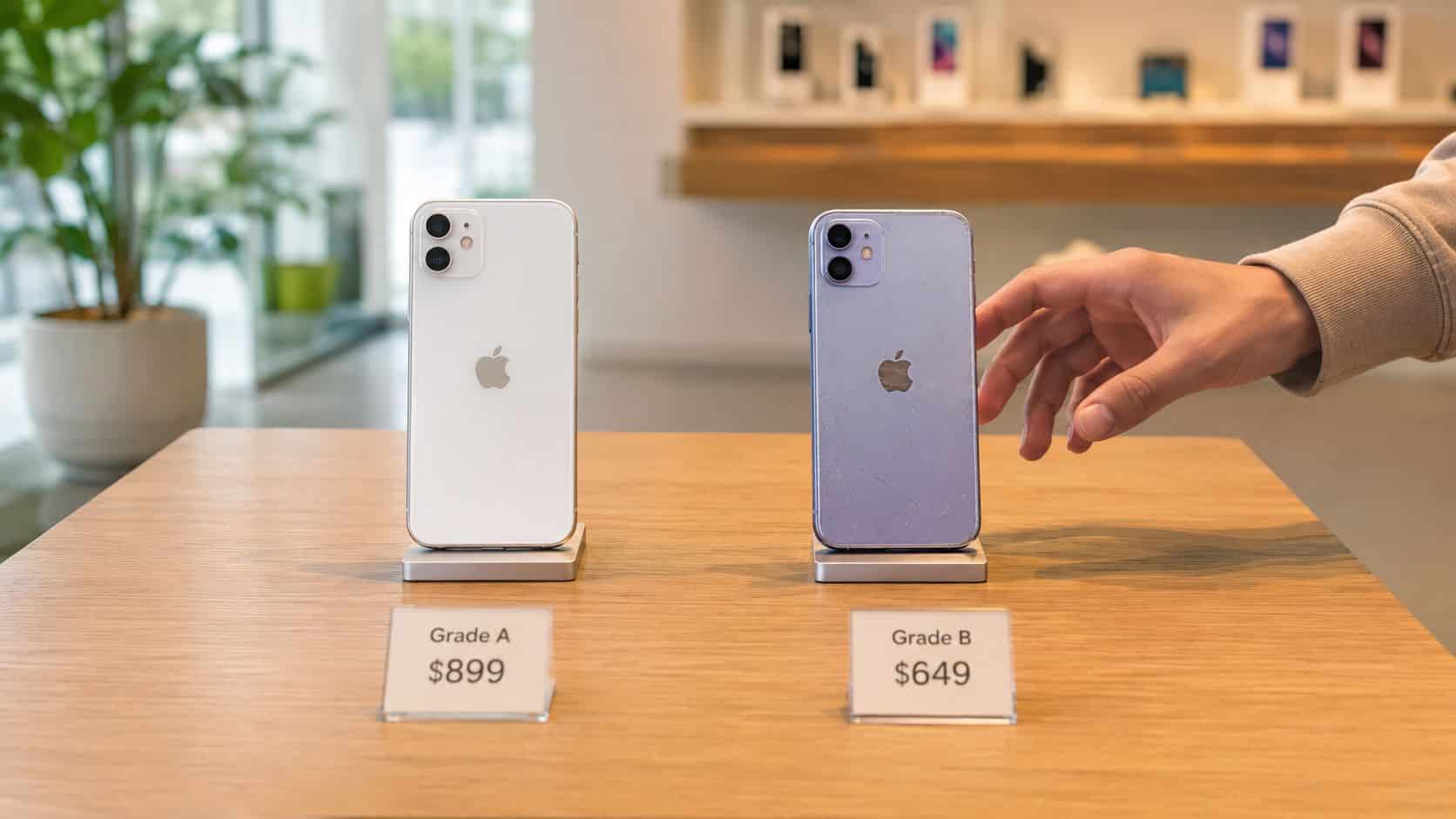
This is where the decision becomes real. A Grade A iPhone commonly sells for around 15 to 30% more than the equivalent Grade B model in retail markets, based on [phone grading market guidance](https://www.recirqglobal.com/phone-grading-scale). Same model. Same storage. Same basic job. Higher price purely because it looks cleaner.
That extra spend only makes sense if the appearance matters to you every single day. For some buyers, it does. If you’re buying a gift, using the phone without a case, or you just hate visible marks, fine. Pay the premium and enjoy it.
What you are actually paying for
You’re not usually paying for more speed, a better camera or longer software support. You’re paying for a near-new finish. That’s the honest answer.
For practical buyers, that’s hard to justify. If you put the phone in a case and add a screen protector, the Grade A premium becomes much less convincing. The money saved on Grade B is often better kept in your pocket, or spent on accessories and future battery replacement if needed later on.
- Pay extra for Grade A when the cleaner appearance is the whole point of the purchase.
- Buy Grade B when you want the strongest value for the same everyday iPhone experience.
- Be careful with vague listings. If a seller pushes the grade but says little about battery, testing or warranty, they may be distracting you with cosmetics.
Our view on value for money
For most UK buyers, Grade B wins. Parents, business users, teenagers, second-phone buyers and anyone shopping to a budget usually get more sense from Grade B than Grade A.
If you’re comparing offers, don’t stop at the headline grade. Check the full package and compare with current cheap iPhone deals UK listings from established refurbishers. A well-tested Grade B phone from a proper retailer is usually a better purchase than an overpriced Grade A listing with weak backup.
Our Experience Refurbishing This Model at Used Mobiles 4U
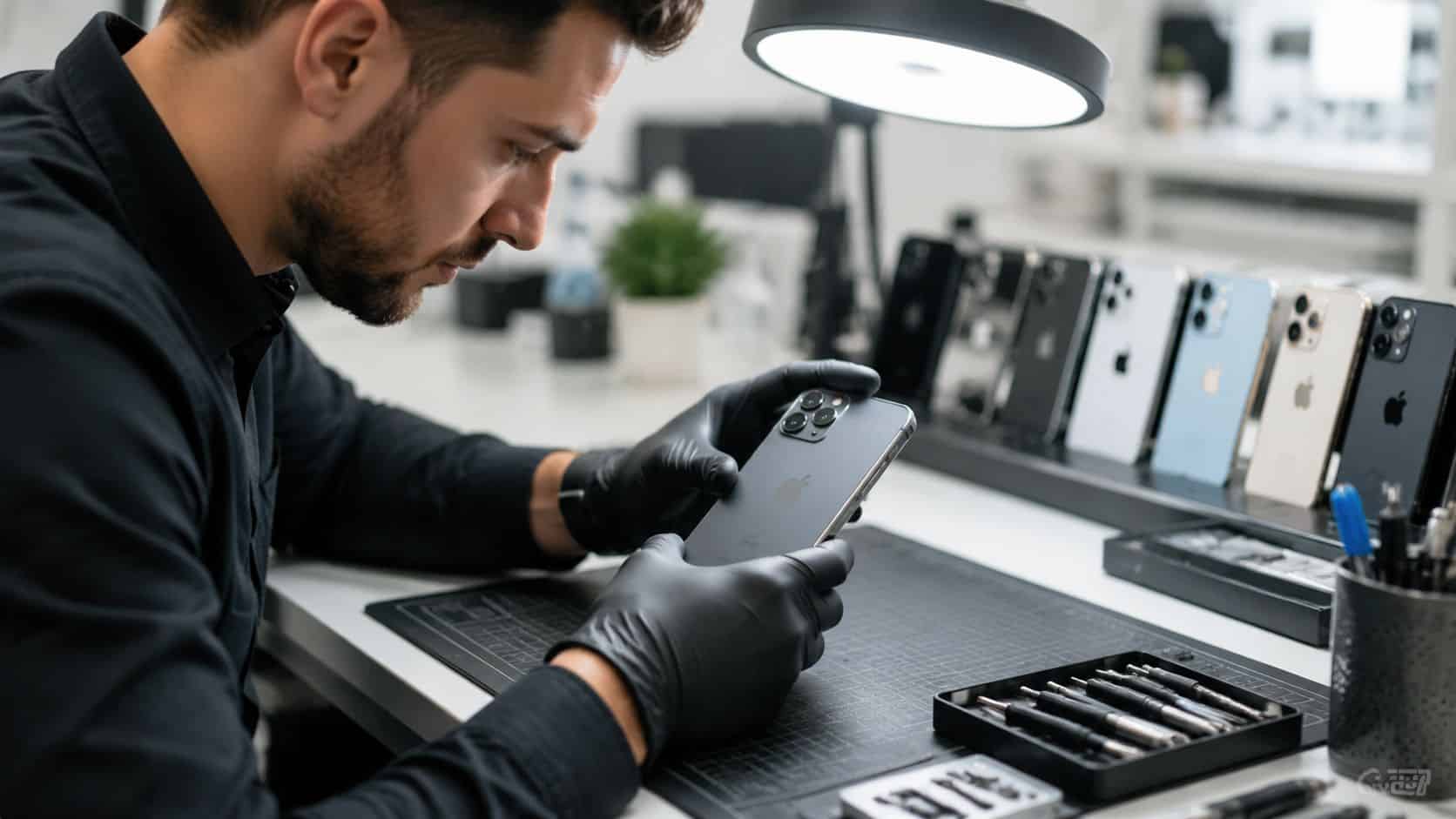
When you’re handling refurbished iPhones every day, one thing becomes obvious very quickly. The line between Grade A and Grade B is often much smaller than buyers imagine.
One thing we regularly notice is that a phone can be excellent mechanically and still land in Grade B because of one or two visible marks. It might be light wear around the charging port, faint scratches on the rear glass, or tiny frame scuffs from being used with a dust-trapping case. None of that changes how the phone performs in your hand.
What our technicians often see
Most used iPhones wear in predictable places. Corners pick up tiny nicks. Polished edges show rubbing. Dark-coloured models often make marks easier to spot than lighter finishes. On some phones, the screen looks perfect when lit up, but under a bright bench light you can still see previous use.
That’s exactly why cosmetic grading should be the final step, not the first. The phone has to earn its place as a resale device by passing checks that matter in real life.
- Battery condition is one of the first things buyers ask about, and rightly so. A pretty shell doesn’t help if the battery is tired.
- Face ID and cameras matter because these are features people use constantly. If they aren’t right, the phone shouldn’t be sold.
- Charging and port condition tell you a lot about how a phone has been treated.
- Speaker and microphone performance often show up problems that casual sellers miss.
What separates a sensible refurbisher from a risky seller
Our technicians often see phones that look decent at first glance but tell a different story once checked properly. Signs of moisture exposure, poor-quality previous repairs, weak batteries, non-working sensors and charging faults are all more important than a couple of scratches.
That’s why the real confidence comes from process, not from a letter grade. A proper refurbishment workflow should include functional checks, secure data wiping, cosmetic grading and clear resale standards. If you want to see how that should work in practice, this outline of the Used Mobiles 4U Refurbishment Process shows the sort of steps a serious seller should be taking.
Bench rule: We’d always rather buy a well-tested Grade B iPhone than a prettier phone with unclear history, vague battery information or questionable parts.
A common example we see is a buyer choosing between two identical iPhones where one looks better and one costs less. Once they understand that the internal checks matter more than minor cosmetic wear, they usually stop chasing the neatest shell and start asking the right questions.
That’s the right way round. Cosmetics are the finishing detail. Reliability is the product.
What Buyers Usually Ask Us About Phone Grades
The first question is nearly always about battery. Fair enough. People assume a Grade B phone must have a weaker battery than Grade A. That isn’t something you should assume from the grade alone.
The more useful question is what battery standard the seller sets, what parts policy they follow, and what warranty backs the phone. That’s especially important because UK refurbished grading isn’t uniform across sellers, and buyers often need to know what they actually lose with Grade B beyond appearance, including whether the battery meets a clear threshold, whether replaced parts affect features like Face ID, and whether the phone includes a UK-valid warranty, as discussed in this refurbished grading guide.
Questions worth asking before you buy
- What battery standard do you guarantee so I know what daily use to expect?
- Are Face ID, cameras, speakers and charging fully tested before resale?
- Have any parts been replaced, and if so, are there any feature limitations?
- What warranty and returns support do I get in the UK if something goes wrong?
Those answers matter more than whether the phone has one light scratch on the frame. A cosmetic grade tells you about the outside. The battery policy and warranty tell you how safe the purchase really is.
What we tell customers in plain English
If two phones are the same model and one is Grade A and one is Grade B, don’t assume Grade A is the better buy. It may only be the cleaner-looking buy. That’s not the same thing.
A Grade B phone from a proper retailer is usually a safer purchase than a so-called Grade A phone from an online marketplace seller who offers no real comeback. If you’re buying for daily use rather than display, ask fewer questions about micro-scratches and more questions about testing, battery health and support after the sale.
Buy the seller before you buy the grade.
Who Should Buy Grade A vs Grade B?
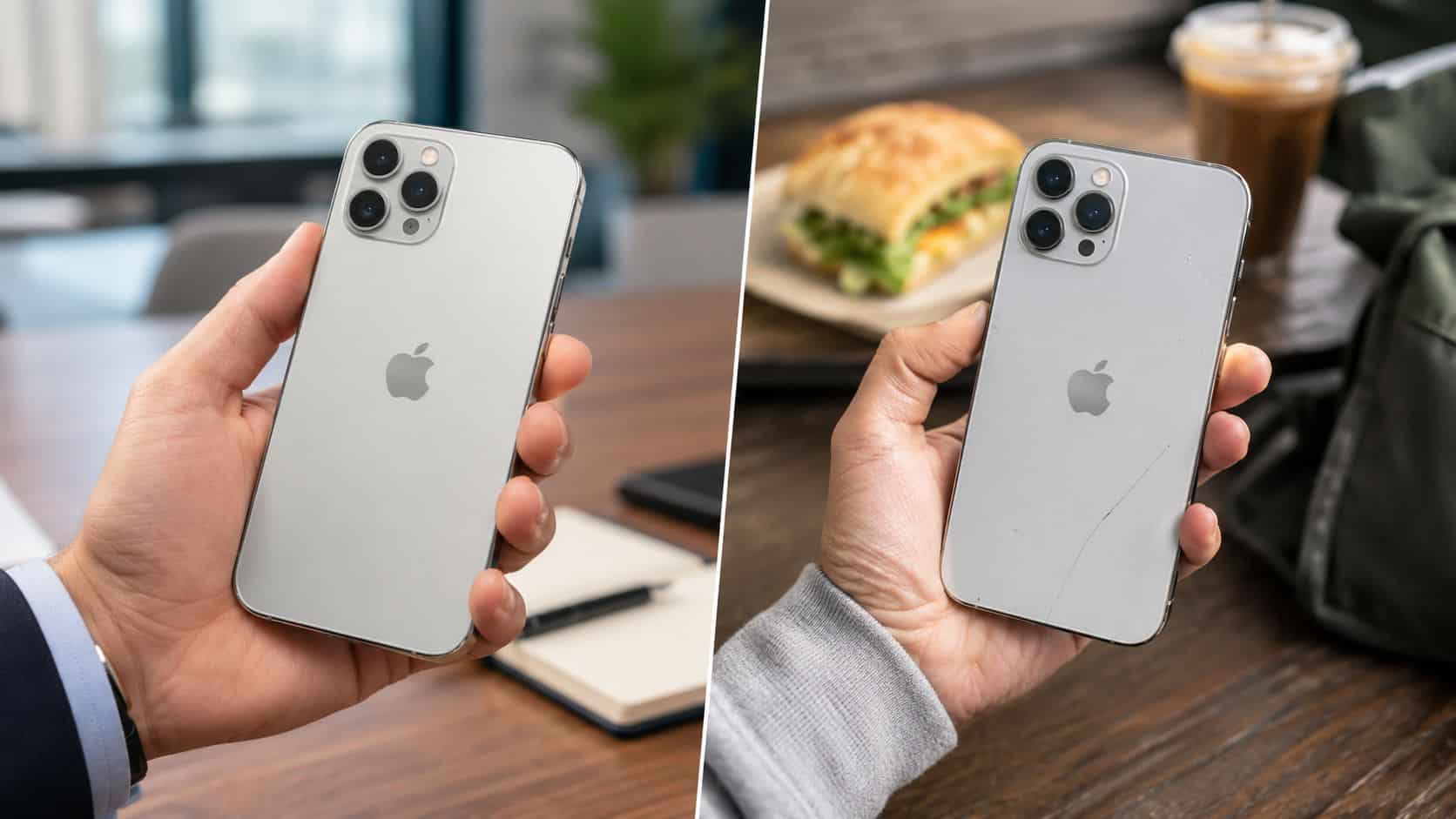
This part is simple. Buy based on how fussy you are about appearance, not based on fear that Grade B will somehow be a worse phone to live with.
A common example we see is a parent buying a first iPhone for a teenager. That is a Grade B job all day long. It keeps the spend down, the phone still does what it needs to do, and any new marks picked up later won’t feel like a disaster.
Choose Grade A if
- You care about presentation. You want the phone to look as close to new as possible.
- It’s a gift. A cleaner finish makes the unboxing feel better.
- You won’t use a case. If the phone will stay visible, cosmetic condition matters more.
- You simply prefer immaculate devices. That’s a valid reason if your budget allows it.
Choose Grade B if
- You want the best value. This is the sensible choice for most buyers.
- The phone is going in a case. Once covered, most of the grade difference stops mattering.
- You’re buying for a child, work use or as a spare phone. Practical use beats showroom looks.
- You care more about function than finish. Same model, less money. That’s the appeal.
Our recommendation: If you’re hesitating, buy Grade B and put the savings towards a good case, charger or future upgrade fund.
My view is straightforward. Grade A suits picky buyers. Grade B suits smart buyers. There’s overlap, of course, but if you’re shopping carefully and want proper value for money, Grade B is usually where the best buys sit.
The best version of grade A vs grade B refurbished iPhones isn’t about which one sounds better. It’s about which one fits how you actually use your phone. Most people won’t notice the cosmetic compromise for more than a day. They will notice the money they saved.
If you’re comparing refurbished iPhones and want clear grading, tested devices, minimum 85% battery health, UK support and a straightforward Used Mobiles 4 U buying experience, have a look at the current range before you decide. If you still aren’t sure which grade suits you, ask first and buy once.
Written by James Waterston, 24 years in the mobile phone industry from customer service through to Sales Director of a global repair and recycling company. Now running Used Mobiles 4U for over 8 years.
LinkedIn: James Waterston
Meta description: Grade A vs Grade B refurbished iPhones explained simply. Learn the real difference, what’s worth paying for, and which grade suits your budget.
Looking for a refurbished phone?
Shop professionally tested refurbished iPhones and Samsung phones with 18 month warranty, 30 day returns and free UK delivery.
Browse Refurbished Phones