


How Long Do Refurbished iPhones Last: 2026 Lifespan Guide

01/06/2026

11 Mins
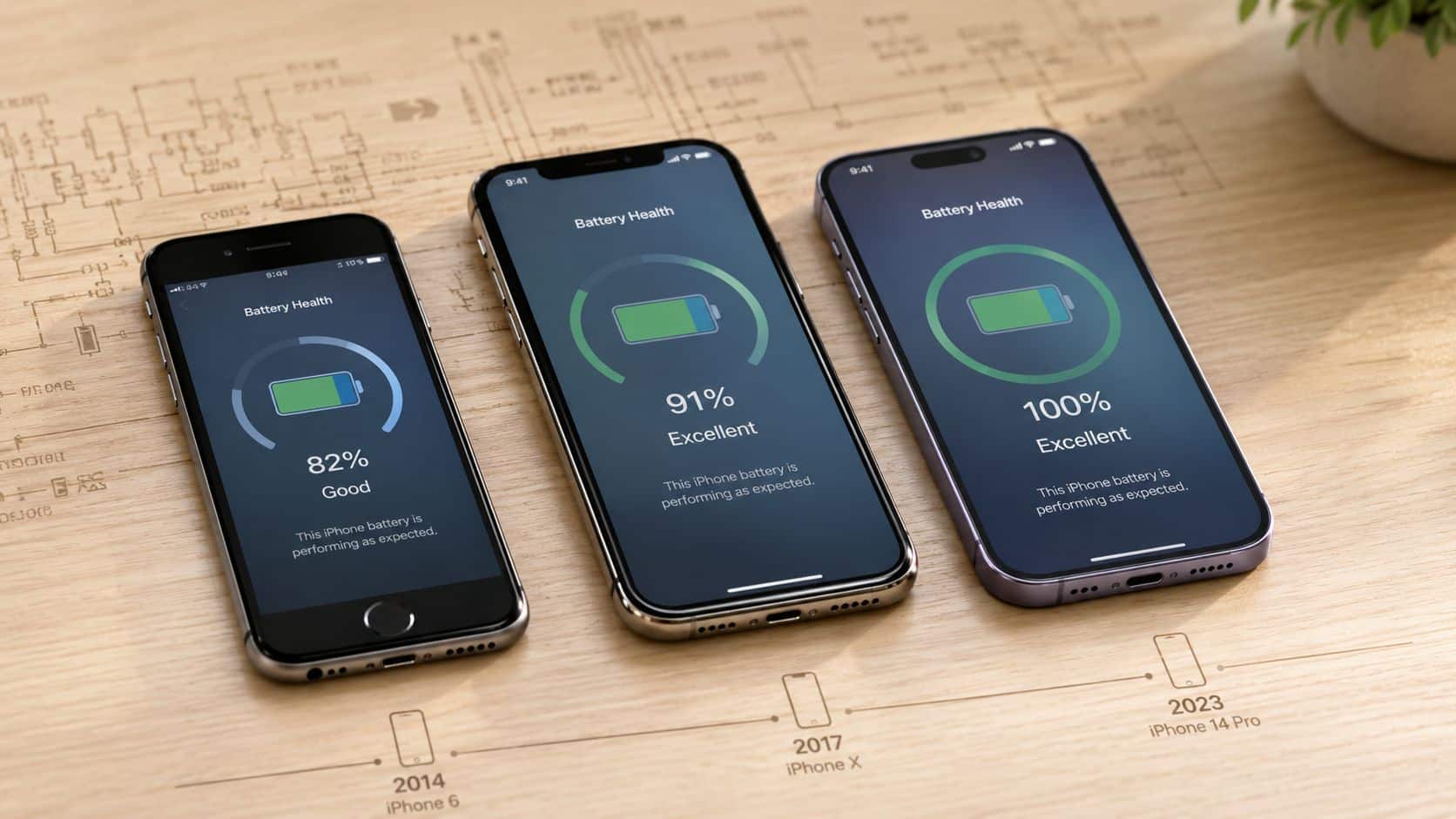
The surprising part is this. A refurbished iPhone usually stops being worth using because of software support or battery condition, not because the phone suddenly falls apart. If you buy the right model at the right age, a refurbished iPhone can last for years after purchase, and a model that’s 3 to 4 years old can still have several years of secure, usable life left while it remains inside Apple’s update window, as shown by Apple’s long support history for older iPhones such as the iPhone 6S on Swappie’s update history summary.
That’s the real answer to how long do refurbished iPhones last. Not “as long as a new phone”, and not “only a year or two”. It depends mostly on software support, battery health, and how well the phone was checked before resale.
The Short Version
- Most sensible answer: A good refurbished iPhone should last long enough to feel like a proper phone purchase, not a temporary stopgap.
- Model age matters more than shiny condition: A clean-looking older iPhone can still be a poor buy if it’s near the end of Apple support.
- Battery health matters daily: If the battery is tired, the phone feels worse to live with even when the screen and body look excellent.
- Newer refurbished models usually age better: If the phone is under 4 years old, it can often deliver another 2 to 3 years before users notice significant slowdown, which is why we usually steer buyers towards newer options where budget allows.
- Software support is the big one: The iPhone 6S received 7 iOS versions over nearly 8 years, which shows why update support often tells you more about lifespan than cosmetic grade does.
- Practical buying rule: If you want the safest long-term value, start with the best refurbished iPhones rather than the cheapest one on the page.
- What to avoid: Very old iPhones with unclear battery condition, vague grading, and no proper testing or warranty details.
Practical rule: Buy for the years you still have left, not for the years the phone has already survived.
For most UK buyers, that means looking for a refurbished iPhone that’s still comfortably inside Apple’s update cycle, has healthy battery condition, and comes from a retailer that actually tests the important bits.
What Really Determines a Refurbished iPhone’s Lifespan

Software support comes first
The biggest mistake buyers make is focusing on scratches and battery percentage before they ask the more important question. How long will this iPhone still get proper iOS support?
That matters because Apple support usually defines the useful life of an iPhone more than the casing does. The clearest example is Apple’s track record on older phones. The iPhone 6S received support for 7 iOS versions over nearly 8 years, which is why a refurbished iPhone bought a few years after launch can still remain a sensible purchase for quite a long time. It also supports the practical rule that a refurbished model bought at 3 to 4 years old can still have several years of secure, usable life left, as outlined in this guide to refurbished iPhone battery life.
Battery health changes the everyday experience
Battery health isn’t just about how long the phone lasts between charges. It affects how stable and pleasant the phone feels in daily use. A weak battery often shows up as sudden drops, slower performance under load, and the general feeling that the phone is getting old faster than it should.
This is why battery condition often matters more in the real world than a small cosmetic mark on the frame. A tidy phone with a tired battery can be a worse buy than a lightly marked one with stronger battery health.
A refurbished iPhone can look excellent and still be the wrong buy if the battery is already near the point where daily charging becomes annoying.
Physical age still matters, but less than people think
Hardware condition does matter. Charging ports wear, speakers collect dust, cameras get scratched, and heavily used devices often show their history around the frame, buttons, and screw heads. But physical age on its own isn’t the full story.
Some older iPhones have been used gently and come in far better shape than newer ones that have lived without a case, spent time in pockets full of grit, or had poor-quality repairs in the past. That’s why the best judgement comes from the combination of update support, battery condition, and proper testing. Not from the word “refurbished” on its own.
Our Experience Refurbishing iPhones at Used Mobiles 4U

One thing we regularly notice is that buyers often worry about the wrong faults first. They’ll ask about a tiny mark on the casing, but the phones that actually become frustrating to own are usually the ones with worn batteries, fussy charging ports, or signs of heavy past use that weren’t picked up properly before resale.
Our technicians often see a clear pattern. A well-kept iPhone with honest cosmetic wear is normally a better long-term bet than a polished handset with hidden battery fatigue or charging issues. That’s why we put far more weight on function than on surface appearance.
What tends to fail first
The most common day-to-day problem is battery wear. That isn’t glamorous, but it’s the part that most directly affects whether a refurbished iPhone still feels dependable. Consumer Reports makes the same point in practical buying terms, noting that buyers should ask whether the battery was replaced and check inspection, restoration, and warranty terms in its advice on buying a refurbished phone.
After that, we pay close attention to charging behaviour, microphones, speakers, Face ID where fitted, cameras, and any signs the handset has had a rough life. Bent frames, damaged screw heads, poor adhesive lines, and inconsistent screen fit usually tell you a lot before you even start deeper testing.
- Battery wear: This is still the biggest real-world predictor of whether the phone will feel old too soon.
- Charging issues: Pocket lint, worn ports, and cable sensitivity can make an otherwise decent phone irritating to own.
- Previous repair signs: We look for clues that a handset has been opened before and whether the work was done cleanly.
- Heavy-use markers: Deep frame wear, camera ring damage, and pressure marks usually mean the phone has had a harder life.
Repair or replace logic at the bench
A common example we see is a phone that powers on, passes basic checks, and looks fine from arm’s length, but the battery drains too quickly once it’s used properly. That kind of phone might sound “working”, but it doesn’t meet the standard most people expect from a refurbished iPhone.
When we assess a handset, the decision isn’t just “can it be sold?” It’s “will it still feel like a solid daily phone after the first few weeks?” That’s why battery condition gets so much attention in a proper refurbishment workflow. If you want to see how that thinking fits into workshop practice, the Used Mobiles 4U Refurbishment Process gives a straightforward overview.
Bench note: A refurbished iPhone only offers value if it feels reliable on ordinary days, not just on the test bench.
Compared with nearby options, newer iPhones usually give a calmer ownership experience. They tend to have fewer age-related compromises and more room left in their software life. Older models can still suit a lighter user or a child’s first phone, but they need more careful buying.
How to Make Your Refurbished iPhone Last Even Longer

Once you’ve bought a good refurbished iPhone, keeping it going well is mostly about small habits. You don’t need to treat it like a museum piece. You do need to avoid the sort of wear that shortens battery life and turns minor issues into proper faults.
How to check battery health and keep on top of it
- Back up first: Before changing settings or preparing for any repair, make sure your data is backed up to iCloud or a computer.
- Open the battery menu: Go to Settings > Battery > Battery Health.
- Check Maximum Capacity: This tells you how much of the original battery capacity remains.
- Look for performance messages: If iOS is warning about battery condition, don’t ignore it.
- Turn on Optimised Battery Charging: This helps reduce unnecessary wear from constant full charging.
- Notice the pattern, not one bad day: If the phone consistently drains quickly, heats up often, or needs topping up far more than expected, battery condition may be the issue.
- Get it checked before it becomes annoying: A battery change at the right time often gives an iPhone a much more useful second life.
Daily habits that actually help
- Use a decent case: Frame damage and rear glass damage shorten the life of a phone faster than most people expect.
- Keep iOS updated: Security, app support, and stability all depend on staying current while the phone is still supported.
- Avoid heat: Leaving an iPhone in strong sun, on a dashboard, or charging under a pillow is hard on the battery.
- Use clean cables and chargers: Faulty accessories can make charging problems look like phone faults.
- Don’t ignore the port: If charging becomes inconsistent, get the port checked before repeated force damages it.
The phones that last longest are rarely the ones owned by obsessive tweakers. They’re usually the ones given sensible charging habits, basic protection, and attention when small faults first appear.
What We Check Before Resale

Before any iPhone is ready for resale, we want to know two things. Is it functionally sound now, and is it still likely to give the next owner a worthwhile run rather than a short honeymoon period?
That’s where proper testing matters more than sales language. Refurbished iPhones that are less than 4 years old can often get another 2 to 3 years of good service before users notice significant slowdown, and a battery health level of at least 80% is a useful quality benchmark because battery degradation is one of the main causes of performance issues, as explained in this refurbishment battery-health guide.
What we commonly see
- Battery condition first: We won’t treat battery health as a minor detail because it affects daily usability more than almost anything else.
- Core functions checked: Charging, cameras, speakers, microphones, buttons, screen response, and biometric features all need to behave properly.
- Network status verified: The phone needs to be suitable for normal UK use, including being SIM-free or unlocked where stated.
- Data wiping matters: A previous owner’s data should never remain on a resale device. Proper secure wiping is non-negotiable.
- Grade means appearance, not a hidden fault list: Pristine, Very Good, and Good should mainly describe cosmetics, not whether the handset works properly.
What buyers should ask before paying
If a retailer can’t explain its checks in plain English, that’s a warning sign. A proper certified refurbished device process should cover battery condition, device testing, data wiping, and what the warranty actually means in practice.
Cosmetic grade tells you how the phone looks in your hand. The checks behind it tell you how it’s likely to behave in your pocket.
Frequently Asked Questions About Refurbished iPhones
Is a refurbished iPhone still waterproof
Don’t assume it is. Even when a phone is working perfectly, water resistance on a used or refurbished iPhone should be treated with caution. Adhesive seals weaken with age, and any previous opening or repair changes the certainty you’d have with a factory-fresh handset.
In plain terms, keep it away from water. If water resistance matters a lot to you, buy with that risk in mind rather than relying on the original marketing.
Is the battery always brand new
No, not always. A refurbished iPhone can be sold with a healthy tested battery rather than a brand-new one, and that can still be perfectly reasonable if the condition is clearly stated and the device has been properly checked.
What matters is honesty and function. If the battery health is acceptable, the phone runs properly, and the seller is clear about what’s been tested or replaced, that’s a sounder buy than vague promises about refurbishment with no detail behind them.
What does the warranty actually cover
A normal refurbished-phone warranty is there for faults and failures that shouldn’t happen in ordinary use. It isn’t usually there to cover accidental damage, cracked screens, liquid damage, or problems caused by misuse.
Always read the wording. The useful question isn’t “is there a warranty?” It’s “what happens if Face ID fails, charging becomes unreliable, or the phone develops a fault that wasn’t caused by me?”
Is SIM-free the same as unlocked
For most buyers, yes. It means you can use your choice of compatible network rather than being tied to one provider. That’s especially useful in the UK if you want to keep your existing SIM, switch to a cheaper plan, or pass the phone on later without network hassle.
Should you repair an older iPhone or replace it with a refurbished one
It depends on what’s wrong with the phone and how much life is realistically left in it. If the handset is still comfortably usable and only needs a sensible repair, keeping it going can make perfect sense. If it’s already showing its age in battery life, charging reliability, and software support, replacement is often the tidier decision.
A common example we see is an older iPhone with more than one nagging issue at once. At that point, replacing it with a newer refurbished model usually gives better long-term value than fixing faults one by one.
If you’re weighing up how long do refurbished iPhones last, the honest answer is that a good one lasts long enough to be a smart buy, and a bad one feels old far too quickly. The safest choice is a newer model with clear battery information, proper testing, and a warranty you can understand. If that’s what you want, take a look at Used Mobiles 4 U for SIM-free refurbished iPhones, clear grading, and UK-based support.
Meta description: How long do refurbished iPhones last? Practical UK advice on battery health, software support, testing, warranty, and what to check before you buy.
Written by James Waterston, 24 years in the mobile phone industry from customer service through to Sales Director of a global repair and recycling company. Now running Used Mobiles 4U for over 8 years.
LinkedIn: James Waterston