


Upgrading from iPhone 11 to iPhone 13 in 2026

01/07/2026

6 Mins
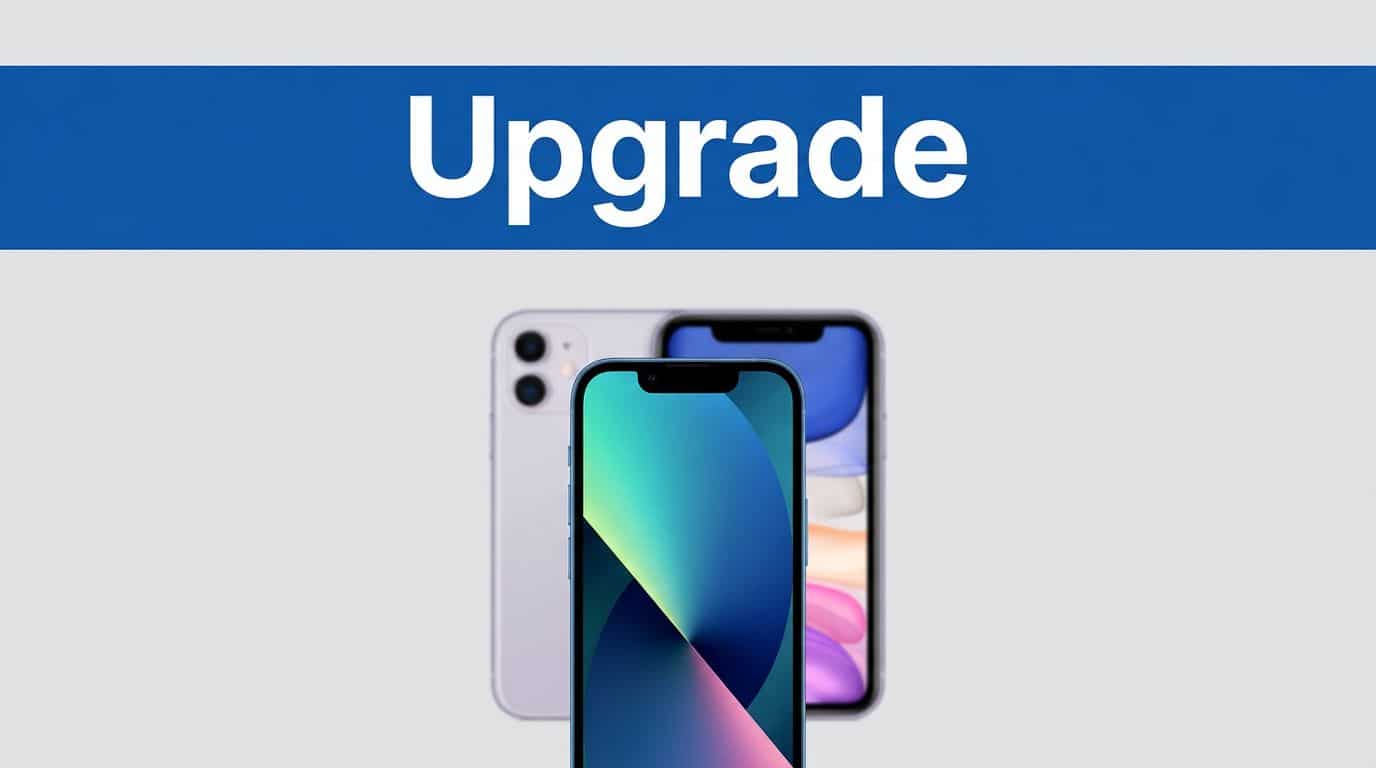
Upgrading from an iPhone 11 to an iPhone 13 in 2026 still makes sense for most UK buyers. The 11 can cope with the basics, but the 13 gives us a better screen, stronger battery life and a more comfortable long-term fit.
If we are looking at refurbished iPhones or comparing used iPhones UK listings, the 13 is usually where the price jump starts to feel justified. The 11 only really wins when price matters more than daily comfort.
Quick Answer
- Choose the iPhone 13 if we want OLED, 5G, MagSafe, 128GB base storage and a better battery.
- Keep the iPhone 11 only if we are on a tight budget and our use stays light.
- If our iPhone 11 also needs a battery or screen repair, the upgrade gap closes fast.
- For most people comparing refurbished iPhone deals UK, the iPhone 13 is the cleaner buy.
iPhone 11 vs iPhone 13 in daily use
Apple’s own iPhone 13 vs iPhone 11 comparison shows the core differences, but the real gap is how the phones feel after a normal week in our hands.
The iPhone 11 still feels fine for calls, messages, banking apps, maps and light streaming. It starts to feel cramped once we take more photos, download offline playlists or keep bigger apps installed.
The iPhone 13 is the more complete phone. OLED gives us richer contrast, which we notice straight away in dark mode, video and outdoor reading. Battery life also feels steadier because the A15 chip is more efficient, so the phone works less hard to do the same everyday tasks.
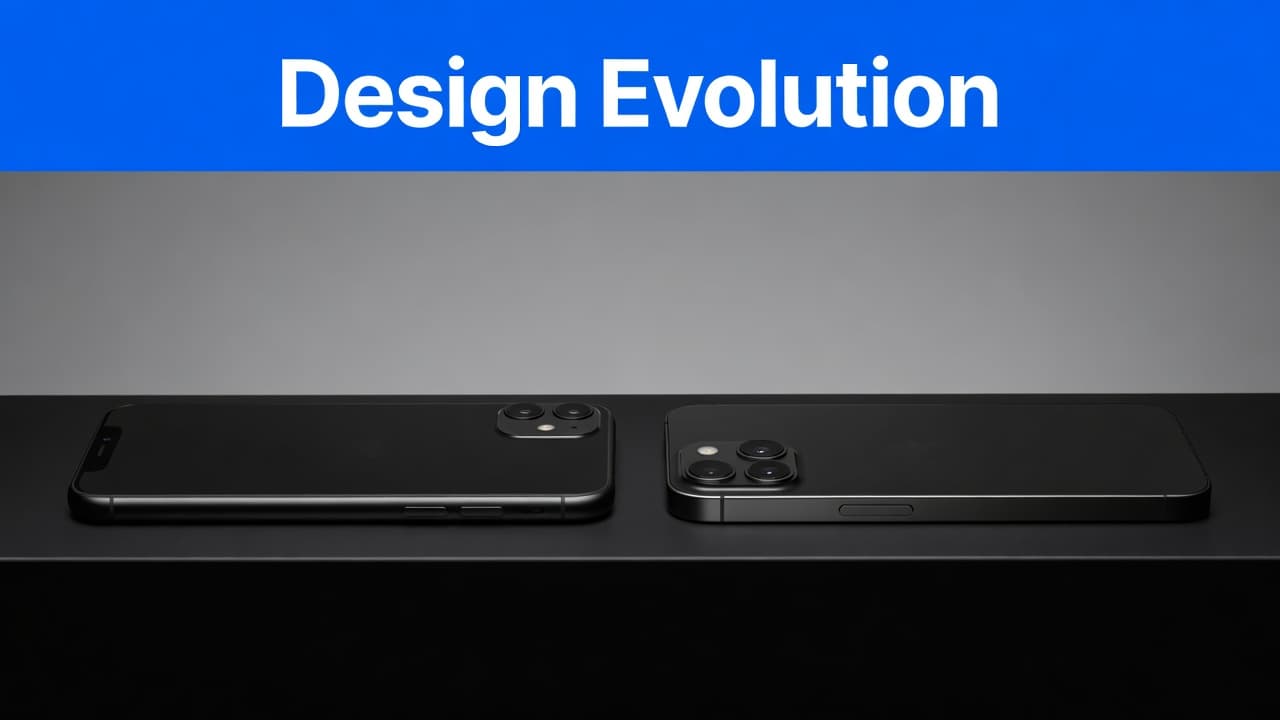
That matters more than it sounds. A good phone is not just fast at launch, it stays comfortable to use at tea time, on the commute and after a full day on mobile data.
Camera use is another clear step up. The iPhone 13 handles indoor shots and evening scenes better, and the main camera feels more confident when light drops. The iPhone 11 is still decent in daylight, but low-light photos show its age sooner. For anyone who keeps a phone for years, that difference is hard to ignore.
When repair stops making sense
If the iPhone 11 is damaged, we start with a backup before touching anything. If it still powers on, we save the data first, then decide whether repair or replacement is the better move.
A screen-only repair can still make sense on an otherwise healthy iPhone 11. Once the battery is weak, the frame is bent, the charge port feels loose or there are signs of liquid exposure, the maths changes quickly. That is when a refurbished replacement often looks better than putting money into an ageing handset.
We also see first-time repairs go wrong around the front sensor assembly. Face ID and True Tone can survive a screen job, but only if the original parts are transferred cleanly and nothing tears during the work. If the glass is shedding or the display is glitching, it is better to stop and reassess than to force a DIY fix.
If the same phone needs a screen, battery and frame work, we treat it as a replacement decision.
For a wider comparison, our iPhone 11 vs iPhone 12 vs iPhone 13 guide helps put the repair choice next to the upgrade path. That is often where the decision becomes obvious.
Our Experience Refurbishing This Model at Used Mobiles 4U
One thing we regularly notice is that iPhone 11 handsets usually arrive with battery wear before they arrive with serious board faults. The phone can still look tidy from the outside, yet feel flat well before the end of the day.
The iPhone 13 tends to come through in better overall shape, but grade still matters. A neat shell does not tell us much if the battery is tired or the screen has been replaced badly before.
When checking these devices, we pay close attention to:
- battery health and charging stability
- screen brightness, touch response and colour consistency
- Face ID, cameras, speakers and microphones
- port wear, especially on phones that have charged daily for years
- frame condition, because a bend can affect how a phone sits and feels
The biggest difference between grades is usually battery health, then screen condition, then cosmetic marks around the frame. That is why a cheaper listing is not always the better deal. Cheap refurbished iPhones can look tempting, but a weak battery or a 64GB storage limit can turn a bargain into a nuisance.
We also see clear buying patterns. People browsing second hand iPhones UK stock often start with the iPhone 11 because the price is attractive, then move to the 13 once they compare battery life, OLED and storage. That is a sensible shift, because the 13 feels less like a stopgap and more like a proper daily phone.
For buyers who want a safer path, clear testing, SIM-free use and a proper UK warranty matter more than shaving off a few extra pounds. That is the sort of detail that separates decent refurbished smartphones UK stock from a phone that only looks fine in photos.
Which one we would choose in 2026
If we were buying for ourselves, the iPhone 13 would be our pick for most people.
Choose the iPhone 13 if:
- we want a phone that still feels current in 2026
- we care about OLED, 5G and MagSafe
- we need 128GB as a proper starting point
- we want better battery life without moving to a much newer price band
Choose the iPhone 11 if:
- budget is the main driver
- we use the phone for calls, messages, maps and light browsing
- the battery is still healthy and storage needs are modest
- we are happy to treat it as a shorter-term phone
If we want to buy refurbished iPhone stock with fewer compromises, the 13 is the model we reach for first. It is also the one that tends to age more gracefully, which is why it stays popular in refurbished iPhone deals UK searches.
For a closer look at the model itself, our refurbished iPhone 13 buying guide is worth reading before we commit.
Before we spend more
We see the same mistakes again and again when buyers compare a newer refurb with an older bargain.
- Buying by cosmetic grade alone. A tidy frame can hide a tired battery.
- Ignoring 64GB on the iPhone 11. It fills faster than most people expect.
- Assuming every listing is tested the same way. That is not true across the market.
- Forgetting about battery life, not just price.
- Choosing the cheapest phone without checking warranty and returns.
- Overlooking the fact that some used iPhones UK listings have been repaired badly before resale.
If we are only looking for a light backup phone, the 11 can still work. If we want a proper daily driver, the 13 is the stronger long-term choice and usually the better value once we compare storage, screen quality and battery life together.
If we want a wider shortlist, our best refurbished iPhone in 2026 guide shows where the 13 sits against other models.
Conclusion
For most UK buyers, upgrading from the iPhone 11 to the iPhone 13 in 2026 is worth it. The 13 gives us the better screen, better battery life, 5G and more usable storage, so it feels like a proper step forward rather than a sideways move.
The iPhone 11 still has a place if we want the lowest entry price and our needs are basic. Once repairs, battery wear or storage limits enter the picture, though, the 13 usually makes more sense than spending more on an older phone.
If we are still weighing up refurbished smartphones UK options, it makes sense to compare current refurbished stock before we spend twice on the wrong handset.
This is the same kind of judgement we use when we assess refurbished iPhones for resale, especially battery health, screen condition and whether a repair is still worth doing.
Written by James Waterston, 24 years in the mobile phone industry, now running Used Mobiles 4U.
LinkedIn: James Waterston on LinkedIn
Meta description: Upgrading from iPhone 11 to iPhone 13 in 2026? We compare battery life, OLED, 5G, storage and refurbished value for UK buyers before you buy today.
Looking for a refurbished phone?
Shop professionally tested refurbished iPhones and Samsung phones with 18 month warranty, 30 day returns and free UK delivery.
Browse Refurbished Phones