


iPhone 15 Pro vs Pixel 8 Pro Camera: Refurbished Guide

12/08/2026

10 Mins

The Google Pixel 8 Pro usually produces stronger still photos, whilst the iPhone 15 Pro is better for video, moving subjects and dependable results. Your processing preferences may matter more than a small difference in image quality.
For refurbished buyers, camera performance is only part of the decision. Check battery health, expected battery life, lens condition, previous repairs and charging performance before buying.
The Short Version
- Choose the Google Pixel 8 Pro for punchier daylight photos, stronger shadow detail, advanced AI editing and a dedicated 5x optical zoom.
- Choose the iPhone 15 Pro for natural skin tones, reliable focusing and a useful 2x and 3x shooting range. Its stabilization supports smoother handheld video recording.
- Buy the iPhone 15 Pro if you already use Apple devices or plan to record and edit video regularly.
- Make a sensible refurbished price comparison by checking battery life, grading, camera testing, secure data wiping and warranty support, rather than choosing the cheapest headline price.
Camera Hardware: Similar Main Sensors, Different Priorities
Both phones have high-resolution sensors, but their secondary cameras take different approaches. Sensor resolution and image processing both affect detail and dynamic range, so megapixel counts don’t tell the whole story.
The iPhone 15 Pro uses its 48MP main camera to provide a 2x crop, then switches to a dedicated 3x camera. The Pixel 8 Pro has one dedicated 5x camera, giving it longer reach. The iPhone’s ultrawide lens has lower resolution than the Pixel’s, although both cover a broad scene.
Be careful when reading comparisons that use the iPhone 15 Pro Max. That model has a 5x camera, whilst the smaller iPhone 15 Pro has 3x capability. The difference matters when you photograph distant subjects.
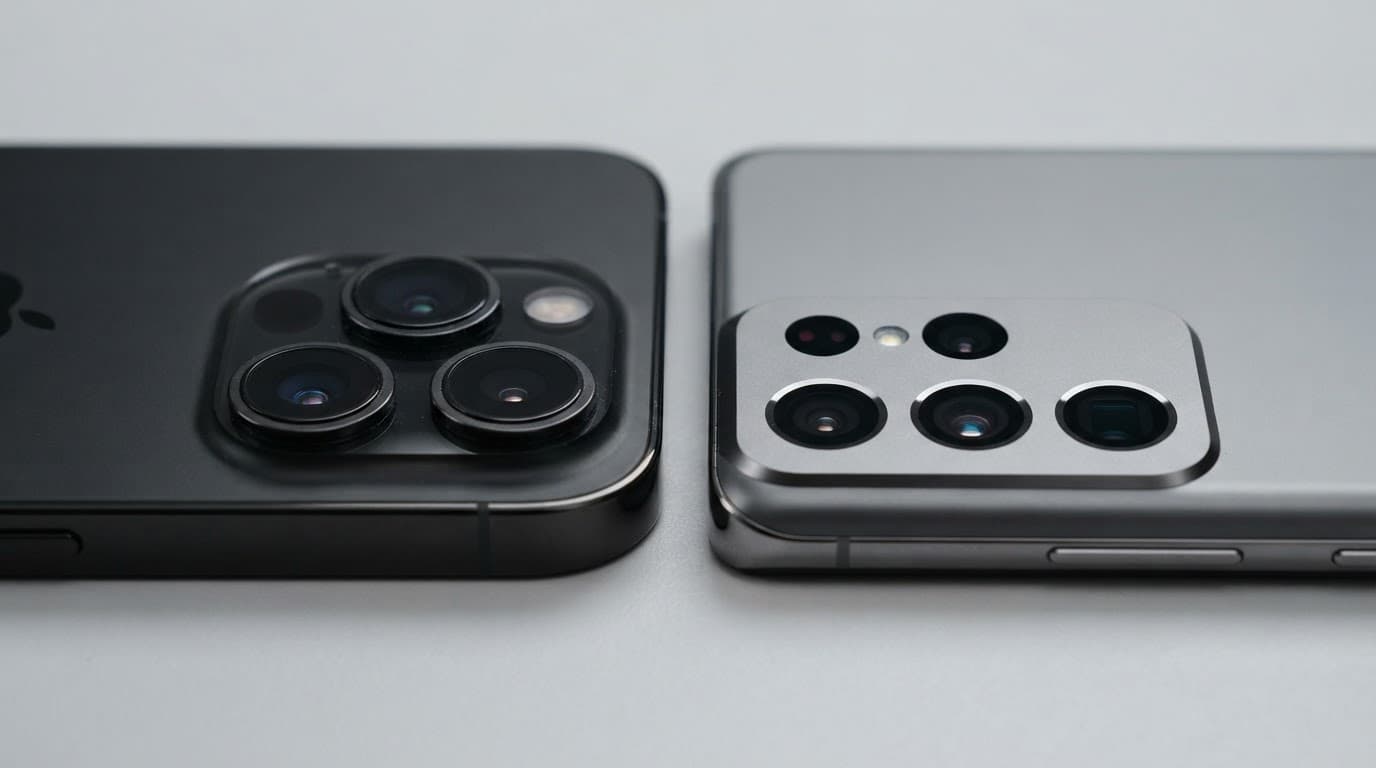
The Amateur Photographer camera comparison is useful for understanding the wider differences in lens design and photo processing, although it tests the larger model rather than the smaller Pro.
Daylight Photos and Colour Processing
In bright daylight, the Google Pixel 8 Pro often gives you the more striking image straight away. Its main camera uses HDR and image processing to lift darker areas, control bright skies and produce bold colours. That gives it a wide dynamic range, which works well for landscapes, buildings and travel photos.
The iPhone 15 Pro takes a more restrained approach. Colours usually look balanced, highlights stay controlled and skin tones remain consistent across different lenses. Its colour accuracy can make photos feel less dramatic beside a Pixel image, but they often need less correction before sharing.
The iPhone’s 24MP default output offers plenty of detail without the large files associated with a full-resolution 48MP image. You can also select 48MP capture when you want to make the most of its sensor resolution for cropping or editing.
The Pixel’s higher-resolution ultrawide lens is a real advantage. It retains more fine detail around the edges of a wide scene, especially in good light. The iPhone’s ultrawide lens remains useful, but its lower resolution becomes more noticeable when you crop into buildings, foliage or distant faces.
We find the choice comes down to the look and image quality you prefer. Pixel photos are often brighter and more vivid. iPhone photos tend to look more natural and consistent when several images are taken in quick succession.
Zoom, Macro and Portrait Photography
The Google Pixel 8 Pro wins for distant subjects because its dedicated 5x reach brings far-away details closer. It works well for signs, architecture, wildlife at a sensible distance and stage photography.
The iPhone 15 Pro is more flexible at shorter distances. Its 2x crop from the main camera gives useful portrait and product framing, whilst its 3x telephoto lens suits faces and nearby subjects. For everyday photography, 2x and 3x can be more useful than 5x because you can fill the frame without standing too far away.
At longer distances, the Pixel usually holds onto more detail. The iPhone can still produce good results, but its digital zoom becomes softer sooner.
Both phones offer macro photography through an ultrawide lens. The iPhone 15 Pro can focus close to small objects, whilst the Pixel 8 Pro uses macro mode to capture flowers, food and details at short range. The Pixel’s 48MP ultrawide lens gives it more room for cropping, although the iPhone often produces more dependable colour and focus transitions.
Portrait mode is closer. The iPhone 15 Pro usually delivers more consistent skin tones and clean subject separation. Its LiDAR sensor can also support focusing and depth work in darker conditions. The Pixel 8 Pro can produce excellent portraits, particularly when its HDR processing preserves detail in a bright background.
Hair, glasses and fine branches can still challenge autofocus on either phone. We recommend checking the image at full size rather than judging only the small preview on the screen. Further examples of the two brands’ different processing styles appear in this side-by-side camera test.
Low-light photography and lens flare
The Google Pixel 8 Pro is usually stronger when a night scene contains deep shadows. Night Sight recovers those areas through its dynamic range, keeping more detail visible in streets, rooms and evening landscapes. That can make photographs look brighter than the scene appeared to your eyes.
The iPhone 15 Pro often preserves a more natural sense of darkness. Its faster response and quicker shutter speed can reduce blur when moving people or pets need capturing. For a family gathering or a pet indoors, that consistency can matter more than lifted shadows.
Both phones can show flare around bright lights. Street lamps, headlights and bare bulbs may create ghosting or a hazy patch across the frame. A clean lens cover matters, especially on the ultrawide lens. A case with a raised edge or a scratched cover can make the problem worse. Digital zoom can also make noise and flare more obvious in a dark scene.
When assessing a refurbished handset, we test each lens against a bright light and then photograph a darker scene. A camera with slow autofocus, permanent haze or unusual bright spots needs closer inspection.
Video Recording and Everyday Stability
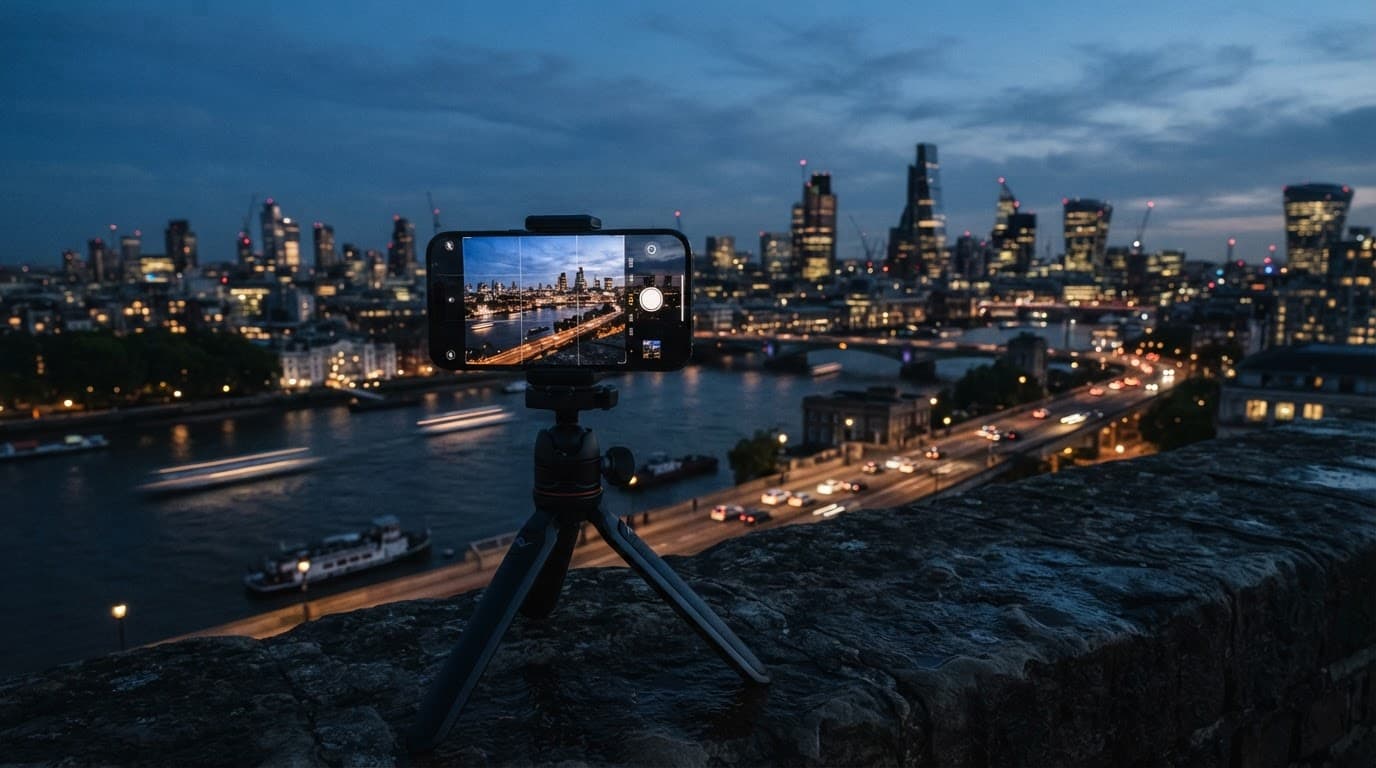
The iPhone 15 Pro is the clear choice for video. It records stable 4K footage with dependable exposure, natural motion and consistent colour between its cameras. Dolby Vision HDR, ProRes and Log recording give experienced users more control during editing.
ProRes Log is useful for professional editing in Final Cut Pro, Adobe Premiere Pro or another serious programme. However, the files are large, so you need enough storage capacity and a fast transfer method. Long recording sessions can also affect battery life. The iPhone 15 Pro’s USB-C connection is better suited to moving large files than the standard iPhone 15.
The Google Pixel 8 Pro records good 4K video and handles exposure well in many situations. Its Video Boost feature can improve dynamic range and low-light footage. However, the finished Video Boost clip relies on processing through Google Photos, so you may need to wait before it appears.
For quick family clips, social posts and work footage that must be shared immediately, the iPhone’s camera app and consistency are easier to live with. Handheld stabilization is reliable, and a sensible shutter speed helps motion look natural. The Pixel is more appealing if still photography matters most and you don’t mind cloud-based processing for selected videos.
AI Editing and Photo Finishing
The Google Pixel 8 Pro offers more ambitious artificial intelligence editing tools. Its magic editor can reposition or resize subjects, remove distractions and alter parts of a scene. Best Take can combine expressions from several group photos, whilst Audio Magic Eraser can reduce unwanted background noise in video.
These features are useful when a photo is almost right but contains a problem you couldn’t avoid at the time. They build on the phone’s image processing and computational photography, rather than replacing a good original. Keep the original image before making an AI edit. Feature availability and behaviour may change with software updates.
Apple’s editing tools are less dramatic. The iPhone 15 Pro focuses more on dependable capture, portrait control and manual adjustments. That suits buyers who want the photo to remain close to what the camera recorded, or who prefer to edit later in a dedicated app.
Our Experience Refurbishing This Model at Used Mobiles 4U
Our Apple refurbishment work centres on the iPhone 15 Pro. When we compare it with a Google Pixel 8 Pro, we apply the same practical checks to both models, rather than relying on a clean-looking camera bar or rear panel.
One thing we regularly notice with iPhone 15 Pro units is wear around the USB-C port and camera lenses. Pocket lint can stop a cable seating properly, whilst a lead that only works at one angle may point to worn connector contacts. Wireless charging alone doesn’t prove that the wired port is healthy, so we test charging and data connection separately.
We check the main camera at 1x and 2x, the 3x camera, the ultrawide lens, autofocus, flash and video capture. We also test Face ID, screen brightness, touch response across the display, speakers, microphones, mobile signal and battery behaviour.
The biggest difference between grades is usually cosmetic. Small frame marks don’t concern us when the housing is straight and the screen sits flush. A bent frame, lifted display, uneven gap or cracked rear glass is more serious because a replacement screen may sit under pressure. Cracked rear glass can also allow moisture inside and affect magnetic charging alignment.
Our refurbished stock uses a minimum 85% battery health standard to support day-to-day battery life, with clear grading, secure data wiping, UK support, 30-day returns and an 18-month warranty. You can read our refurbished iPhone 15 Pro buying guide before comparing individual listings.
What We Commonly See
- Buyers usually choose the iPhone 15 Pro for video quality, USB-C and access to Apple’s wider product range.
- The Pixel 8 Pro attracts people who care more about still photos, 5x zoom and AI editing.
- Battery condition is a more common refurbished-phone concern than light cosmetic marks.
- A camera lens scratch, slow autofocus or a bent housing matters more than a few scuffs on the frame.
- People comparing second-hand iPhones in the UK often focus on grade first, but working cameras and charging deserve equal attention.
Before You Buy: Camera Checks That Matter
If you plan to buy a refurbished iPhone, check battery health, storage, warranty, SIM-free status and screen brightness. In the camera app, test the 1x camera, ultrawide lens, autofocus, flash, portrait mode, macro mode and lens switching. Test native optical zoom levels and digital zoom for software enlargement, save images, record video and check for a faulty replacement camera or damaged lens cover.
The same checks apply when comparing refurbished smartphones in the UK. Prices vary with storage capacity, grade, battery health, warranty and availability, so the cheapest listing isn’t always the best value. Buyers looking for cheap refurbished iPhones should use a price comparison that weighs the warranty and testing process as carefully as the cosmetic photographs.
If your current iPhone needs a screen, compare the full repair bill with the cost of a tested replacement. Repair makes sense when the screen is the only fault and the frame, battery, Face ID and charging all work properly. Replacement is usually safer when damage includes a bent housing, weak battery, liquid exposure or a faulty port. Back up the phone before any repair, then Sell Your Old Phone if replacing it reduces the overall cost.
For current stock, you can Browse Refurbished iPhones or Read Our Refurbished iPhone Buying Guide before choosing a grade.
Meta description: Compare the iPhone 15 Pro and Pixel 8 Pro cameras for photos, zoom, low light, video and AI editing, plus practical refurbished buying advice for UK shoppers.
Frequently Asked Questions
Is the iPhone 15 Pro or Pixel 8 Pro better for photography?
The Google Pixel 8 Pro usually produces stronger still photos, particularly in low light and at 5x zoom. The iPhone 15 Pro offers more natural colour, dependable focusing and consistent results between lenses.
Which phone is better for video recording?
The iPhone 15 Pro is the stronger choice for video because it offers stable 4K recording, consistent exposure, Dolby Vision HDR, ProRes and Log capture. The Pixel 8 Pro records good video, but Video Boost relies on processing through Google Photos.
Does the iPhone 15 Pro have a 5x zoom camera?
No, the smaller iPhone 15 Pro has a 3x optical telephoto camera and a useful 2x crop from its main sensor. The Pixel 8 Pro has a dedicated 5x optical zoom, whilst the iPhone 15 Pro Max is the iPhone model with 5x capability.
What should I check when buying a refurbished camera phone?
Test every lens, autofocus, flash, portrait mode, macro mode, optical zoom and video recording before buying. Also check battery health, lens condition, charging performance, previous repairs, frame integrity, data wiping and warranty support.
Final Thoughts
The Google Pixel 8 Pro takes better still photographs for many people, particularly in low light and at 5x zoom. Its image quality suits buyers who prioritise still photography. The iPhone 15 Pro is the stronger all-round camera for video, portrait mode, movement and consistent colour between lenses.
We would choose the iPhone 15 Pro for Apple households, regular video recording and buyers who want a dependable refurbished Pro model. Choose the Pixel 8 Pro for AI editing and longer-range photography, but avoid any example with scratched lenses, focus problems or unclear repair history.
This guide is based on the checks we make when assessing camera-focused refurbished iPhones, including battery health, lens condition, focus, charging and frame integrity.
Written by James Waterston, 24 years in the mobile phone industry, now running Used Mobiles 4U. LinkedIn
Looking for a refurbished phone?
Shop professionally tested refurbished iPhones and Samsung phones with 18 month warranty, 30 day returns and free UK delivery.
Browse Refurbished Phones