


Pixel 7 Pro vs Pixel 8 Pro Camera Comparison 2026

23/06/2026

9 Mins

The Pixel 8 Pro camera is the stronger choice if we care about low-light performance, macro shots, and cleaner zoom. The Pixel 7 Pro still takes excellent photos, but the newer phone is more consistent when the light drops or the scene gets busy. If we are buying refurbished or used, the 8 Pro usually justifies the extra spend when the price gap is sensible.
Key Takeaways
- The Pixel 8 Pro offers superior performance in low-light conditions, macro photography, and ultra-wide shots compared to the 7 Pro.
- Both phones excel in well-lit, daylight scenarios, making the Pixel 7 Pro a highly cost-effective choice for casual photographers.
- Advanced hardware upgrades in the 8 Pro, such as the 48MP ultra-wide sensor, provide noticeable improvements in sharpness and focus versatility.
- When purchasing used or refurbished models, it is essential to inspect the camera lens glass for scratches and test the autofocus speed, as these are critical indicators of the phone’s overall health.
- The Pixel 8 Pro is the better long-term investment for power users who frequently capture video and night shots, while the 7 Pro remains a value-packed flagship for everyday social media and travel photography.
Best Option for Most People
The 8 Pro wins on detail and low-light performance, the 7 Pro wins on price.
- Choose the Pixel 8 Pro if you want the best all-round camera experience, superior close-up shots, and access to advanced AI features like Best Take and Magic Eraser.
- Choose the Pixel 7 Pro if you want to save money while still capturing high-quality flagship photography.
- Choose the 8 Pro if you frequently shoot indoors, at night, or in challenging mixed-light environments.
- Choose the 7 Pro if most of your photos are taken in daylight, during travel, or for family and social media updates.
Why the Pixel 8 Pro camera wins
Both phones use a 50MP main sensor, but the Pixel 8 Pro lets in more light. In simple terms, that means brighter photos, less noise, and better detail when we are shooting indoors or after dark. It also gives us a full 50MP capture mode, while the 7 Pro usually leans on pixel binning for smaller 12.5MP files.
That difference shows up quickly in real use. Faces look cleaner under weak indoor lighting, street shots hold more texture, and the 8 Pro relies on the powerful Tensor G3 processor to handle advanced computational photography for improved results. This processing power also introduces manual controls for photographers who prefer to capture RAW images for later editing. Once you have captured those high-detail shots, the vibrant Super Actua display makes reviewing your work much easier and more immersive. That lines up with PhoneArena’s camera comparison, which also puts the newer phone ahead for light capture and fine detail.
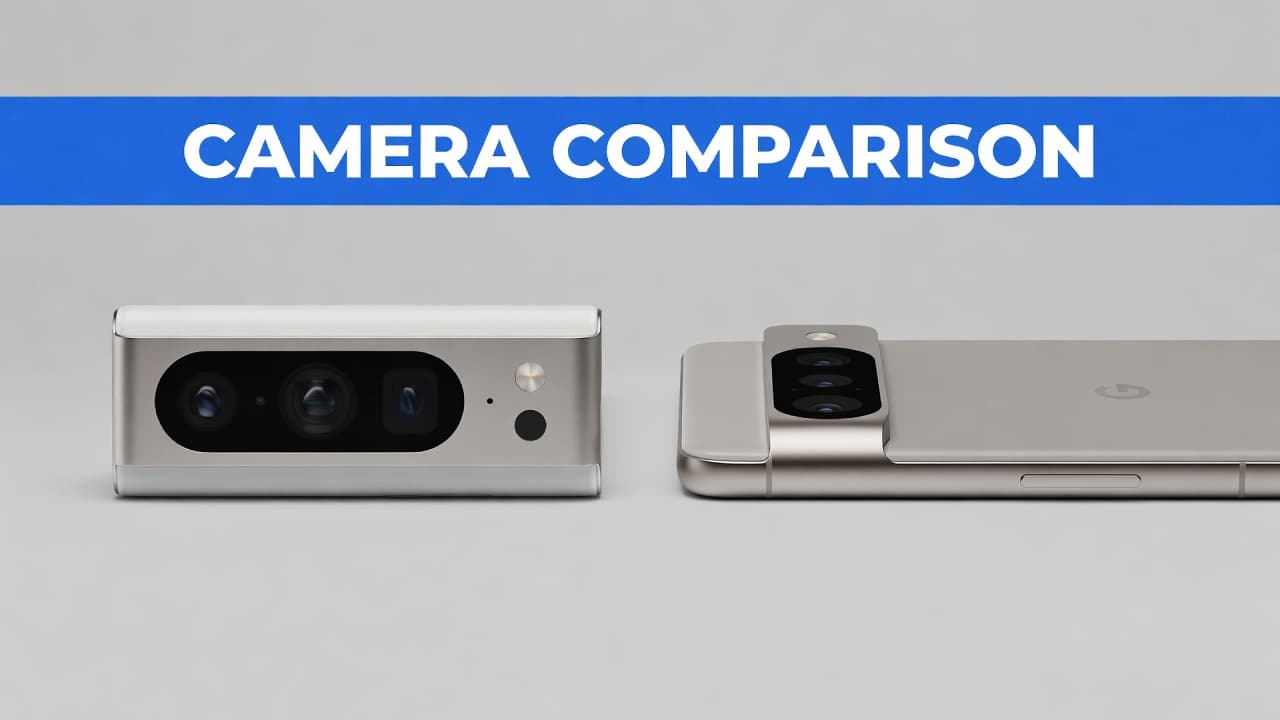
The other thing we notice is how the 8 Pro holds detail when shadows get deep. The camera does a better job of keeping the image looking natural, rather than over-sharpened. If we care about the main camera most, the newer handset is the one that feels more finished.
Where the Pixel 7 Pro still keeps up
The Pixel 7 Pro is still no slouch, especially in daylight. It offers the same 5x optical zoom reach as the 8 Pro, so we are not missing out on the primary telephoto lens capabilities by much. For most everyday shots, that older model still provides the consistent white balance and crisp image quality people expect from a Pixel.
Where the gap narrows is in simple, well-lit scenes. Outdoor portraits, park photos, and travel pictures can look remarkably similar between the two devices. We only start to see the newer model pull away once the scene requires more light, finer detail, or more careful focus.
When it comes to versatility, Super Res Zoom helps the 7 Pro remain competitive for medium-range shots. However, the 8 Pro is easier to trust for long-distance photography. Its telephoto lens is physically brighter, which means shots stay cleaner at dusk, under street lamps, or inside dim venues. This reliability helps when we use the camera for concerts, youth sports, or city nights. A field test from Amateur Photographer makes the same point: the 7 Pro still reaches the subject effectively, but the 8 Pro delivers that final image with significantly more polish.
Ultra-wide, macro and selfies matter more than people expect
This is the biggest hardware jump between the two phones. The Pixel 7 Pro uses a 12MP ultra-wide lens, while the 8 Pro moves to a 48MP ultra-wide lens with an upgraded autofocus system. That sounds like a spec sheet detail, but it changes how useful the camera feels in real life.
We get sharper edges, better close-up focus and less mush in wide scenes. Food shots, flowers, desk layouts and indoor group photos all benefit from these hardware improvements. The 8 Pro also offers much better macro photography performance, so we can get closer to subjects without everything turning soft. That matters far more than many buyers expect, because we use the ultra-wide lens more often than we think for everyday snapshots.
Selfies are a smaller gap, but the 8 Pro still edges it. A refined autofocus system helps when we are not holding the phone at the perfect distance, and that makes a significant difference in low light or quick front-camera shots. Both phones utilize Real Tone technology to ensure superior skin tone accuracy in a variety of lighting conditions. While the Pixel 7 Pro still takes good selfies, the newer phone feels slightly more forgiving and consistent.
What to check before we buy a used Pixel
A strong camera spec is only useful if the handset itself is clean. Before we commit to a refurbished or second-hand Pixel, we should test the camera in a few conditions rather than trusting the listing alone.
- Open the Camera app and switch between the main, ultra-wide and telephoto lenses.
- Take one photo in bright daylight and one indoors under normal room light.
- Check the lens glass for scratches, haze or cracks, especially around the edges.
- Zoom to 5x and then further, and look for blur, shaking or slow focus.
- Record a short video and listen for noise, crackle or odd video stabilization.
- Open the rear camera quickly a few times, because slow launch times can point to deeper issues.
- Verify the autofocus system responsiveness by tapping different subjects to ensure the lens locks on quickly.
- Test the manual controls to confirm that shutter speed and ISO settings can be adjusted without the app crashing.
A clean camera module should focus fast and switch lenses without hesitation. If the image jumps, smears or hangs, we treat that as a warning sign, not a minor glitch.
Repair or replace after camera damage
If the only problem is a scratched lens cover, we can sometimes live with a repair. A damaged outer glass or a loose camera ring does not always mean the whole phone is a write-off. However, the decision changes fast once the frame is bent, the camera app misbehaves, or the focus starts hunting after a drop. Notably, physical damage to the telephoto lens or the ultra-wide lens glass can significantly impact resale value, making these repairs cost-prohibitive for older models.
At that point, replacement often makes more sense than paying to rescue an ageing handset. That is especially true if the battery is already tired or the body shows other wear. We see the same logic across refurbished smartphones UK buyers every week. A phone can still power on and look fine from a distance, but once camera damage joins other faults, the device value drops quickly.
Where buyers usually go wrong
We observe a consistent pattern across refurbished smartphones UK searches. Many shoppers prioritize comparing refurbished iPhones, used iPhones UK listings, cheap refurbished iPhones, and refurbished iPhone deals UK before forgetting to verify essential hardware components like battery health and the condition of the camera glass. The same rigorous standards we apply when sourcing refurbished iPhone stock must be applied by the consumer, as second hand iPhones UK devices can appear immaculate in online photos while concealing significant wear.
This is why focusing on price alone can be a major pitfall. A low initial cost provides little value if the camera lens suffers from haze, the battery fails to hold a charge, or the device was subjected to poor-quality repairs in the past. When evaluating any refurbished iPhones or other refurbished phones, you should look closely at the components you interact with daily rather than fixating solely on the headline price listed on the product page.
A tidy listing can still hide a soft focus, a cracked lens cover, or a battery that gives up too early.
Our Experience Refurbishing This Model at Used Mobiles 4U
What We Commonly See
- Buyers usually choose the Pixel 7 Pro when the price gap is wide and they still want a strong camera.
- The Pixel 8 Pro tends to sell best when the battery is healthy and the camera glass is spotless.
- The most common issue we check before resale is rear lens wear, because tiny marks show up fast in low light.
- We also look for signs of a hard drop, uneven housing and any dust that might sit behind the lens cover.
- The biggest difference between grades is usually cosmetic, but camera ring marks matter more than body scuffs.
- If the frame is bent or the lens glass is chipped, we treat that as a warning sign rather than a bargain.
When checking these devices, we pay close attention to how quickly the camera opens and whether each lens switches cleanly. Our technicians rigorously test the autofocus system across all three rear lenses to ensure sharp results every time. We also verify that each sensor maintains consistent dynamic range and accurate color rendering, even in challenging lighting conditions. A handset can look nearly perfect and still fail a zoom test or macro shot, which is why these detailed camera checks are vital for our refurbished stock.
Which one should we choose?
- Choose the Pixel 7 Pro if you want a lower price, strong daylight photos, and a proper flagship camera without paying for the newest model.
- Choose the Pixel 8 Pro if you prioritize superior low-light performance, more versatile macro photography, and a cleaner ultra-wide camera lens.
- Choose the Pixel 8 Pro if the refurbished price gap is small, as the extra camera polish and advanced computational photography tools, such as Magic Eraser, are easy to notice in daily use.
- Choose the Pixel 7 Pro if you mainly take casual photos and want the better value buy.
If you are choosing purely on camera performance, the 8 Pro is the better phone. If you are choosing based on overall value, the 7 Pro remains a highly capable and sensible option.
Frequently Asked Questions
Is the Pixel 8 Pro camera significantly better than the Pixel 7 Pro?
The Pixel 8 Pro features notable upgrades in low-light processing, macro capabilities, and ultra-wide lens sharpness. While both phones capture excellent daylight photos, the 8 Pro is much more consistent when lighting conditions become challenging or when you need higher detail in close-up shots.
Should I upgrade from the Pixel 7 Pro to the 8 Pro for the camera alone?
If you are a casual photographer who mostly shoots outdoors during the day, the difference may be subtle and might not justify the cost of an upgrade. However, if you frequently struggle with indoor lighting, love macro photography, or want the most polished AI-enhanced editing features, the transition to the 8 Pro provides a tangible improvement in daily usability.
What should I check when buying a used Pixel 8 Pro or 7 Pro?
Beyond the general condition of the screen and battery, you should rigorously test the camera module by switching between all three lenses and ensuring the autofocus locks onto subjects quickly. Inspect the physical lens glass for any haze, scratches, or cracks, as these can drastically degrade image quality and are often signs of previous physical damage.
Conclusion
The Pixel 8 Pro camera is the better all-round option in 2026, especially if you prioritize low light performance, zoom quality, and macro detail. This model also stands out with Video Boost, which significantly improves the quality of nighttime clips, and a refined portrait mode that provides a more natural depth of field compared to previous generations. That said, the Pixel 7 Pro remains a strong contender for everyday photography, making it the smarter buy when the price difference is substantial.
For those shopping for used devices, the condition of the lens glass, battery, and overall chassis matters just as much as the sensor quality. A clean, professionally tested Pixel 7 Pro can still be an excellent choice, but the Pixel 8 Pro is the device we recommend when you want superior camera capabilities and more future-proof performance.
This comparison is based on the same rigorous testing standards we apply when grading used phones for resale.
Written by James Waterston, who has spent 24 years in the mobile phone industry and now runs Used Mobiles 4U. LinkedIn: James Waterston
Meta description: Pixel 7 Pro vs Pixel 8 Pro camera comparison for 2026, covering low light, zoom, macro shots, used-buying checks and which refurbished Pixel is worth it.
Looking for a refurbished phone?
Shop professionally tested refurbished iPhones and Samsung phones with 18 month warranty, 30 day returns and free UK delivery.
Browse Refurbished Phones