


Refurbished iPhone Pros and Cons: A UK Buyer’s Guide 2026

03/06/2026

11 Mins
If you’re looking at new iPhone prices and wincing, a refurbished iPhone is usually a sensible buy. The value is real, but only if the phone has been properly tested, clearly graded, and backed by a decent warranty and return policy.
That’s the bit people often miss. The real refurbished iPhone pros and cons aren’t about “used versus new” in the abstract. They’re about who checked the phone, what was repaired, what condition it’s actually in, and what happens if something isn’t right after you receive it.
Should You Buy a Refurbished iPhone?
Yes, in most cases you should. If your main goal is getting a reliable iPhone without paying full new-device money, refurbished is often the better buy.
The biggest attraction is simple. Independent refurbishers commonly advertise savings of about 20% to 50% versus new, which can make newer iPhone models much easier to afford, as outlined in this refurbished iPhone pricing overview.
The catch is that you’re buying a pre-owned device, not a time machine. It may have cosmetic wear, the battery may not be brand new, and the quality of refurbishment varies a lot between sellers. That’s why I always tell customers to judge the seller before they judge the phone.
Practical rule: A refurbished iPhone is worth buying when the seller is transparent about battery health, condition grading, warranty, returns, and whether the phone is SIM-free or locked.
The Short Version Refurbished iPhone Pros and Cons
If you want the short answer, refurbished usually makes sense for most UK buyers. You get better value than buying new, but you need to be stricter about checks before you buy.
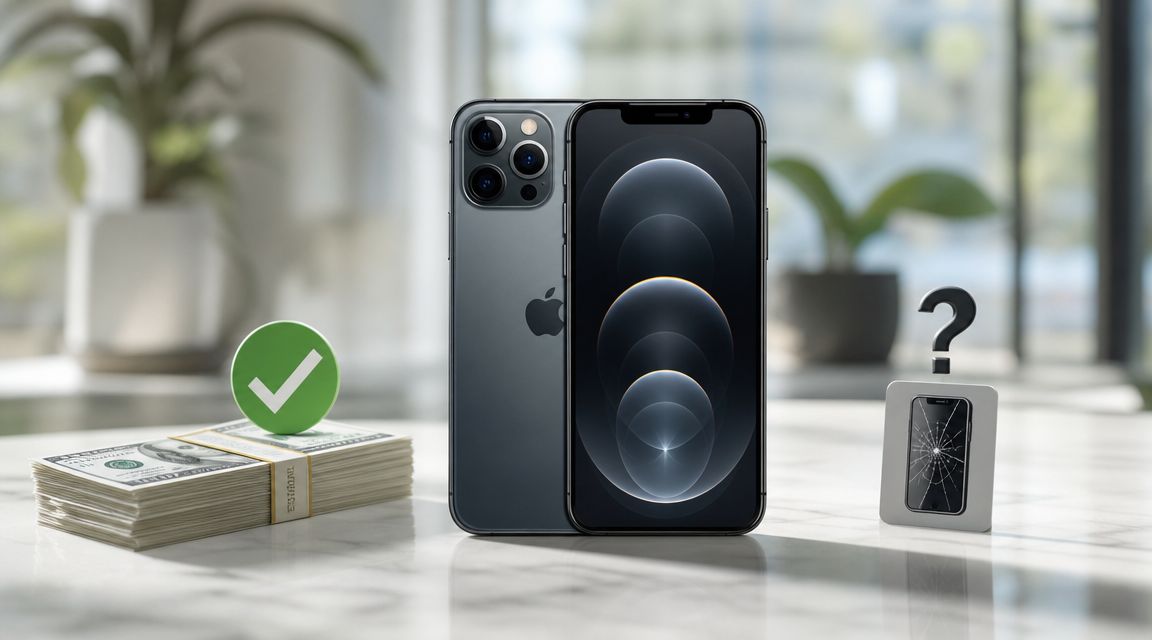
The Good Stuff
- Lower upfront cost so better iPhone models become more realistic.
- More value for the money if you’d rather have a better model in used condition than a weaker one brand new.
- Less waste because the phone stays in use instead of being discarded early.
- Tested devices when bought from a proper refurbisher rather than a private seller.
- Warranty and returns can give you a safety net that normal second-hand buying doesn’t.
The Things to Watch
- Battery wear is still a real issue on any older iPhone.
- Cosmetic grading matters because “Good” and “Like New” can feel very different in your hand.
- Not every seller refurbishes properly, even if the listing sounds reassuring.
- Older hardware stays older, even after cleaning, testing, and repairs.
- Warranty quality varies, and that often tells you a lot about the refurbisher’s confidence in the phone.
If you buy refurbished properly, the downsides are usually manageable. If you buy purely on price, they’re much harder to ignore.
The Pros Why Smart Buyers Choose Refurbished
The strongest case for refurbished is still value. You’re not paying launch pricing, but you can still end up with an iPhone that feels modern in day-to-day use.
That matters more than people think. Most buyers don’t need the latest release. They need good battery life for a working day, a camera that doesn’t disappoint, enough storage for photos and apps, and an iPhone that still feels quick when switching between messages, banking, maps, email and social apps.
You can often buy a better iPhone for less
This is where refurbished wins. Instead of stretching for the cheapest new iPhone you can justify, you can often step into a better model line for less money. That’s why buyers often start by comparing the best refurbished iPhones rather than chasing whatever is newest.
In practical terms, refurbished makes higher-tier choices easier. A better screen, stronger camera system, more storage, or a more premium build often becomes realistic once you stop insisting on sealed-box new.
The buying experience is more mature than it used to be
Years ago, “used iPhone” often meant taking a chance on a private listing and hoping the battery, cameras, charging port and Face ID all worked properly. The better refurbished part of the market is much more organised now.
Phones are typically tested, cleaned, graded and prepared for resale. That creates a much clearer decision for buyers who want something affordable but still want support if there’s a problem.
- Parents often choose refurbished because a first phone doesn’t need to be brand new to be dependable.
- Small businesses like predictable condition and support, especially when buying more than one handset.
- Budget-conscious upgraders can replace an ageing iPhone without taking the full hit of a new purchase.
It’s a more sensible upgrade path for many people
One of the most overlooked refurbished iPhone pros and cons is this. Buying new is often about emotion. Buying refurbished is usually about use.
If you need a phone that works well, looks presentable, handles everyday apps smoothly and doesn’t empty your bank account, refurbished is hard to ignore. You accept some wear and a bit of age in exchange for stronger value.
A good refurbished iPhone doesn’t have to feel “second best”. It just has to be honestly described and properly prepared.
The Cons Potential Risks and How to Shop Safely
The downsides are real, and they’re the reason some buyers swear off refurbished after one bad experience. Usually, the phone itself isn’t the whole problem. The bigger problem is buying from a seller who hasn’t tested properly or hasn’t explained the condition clearly.
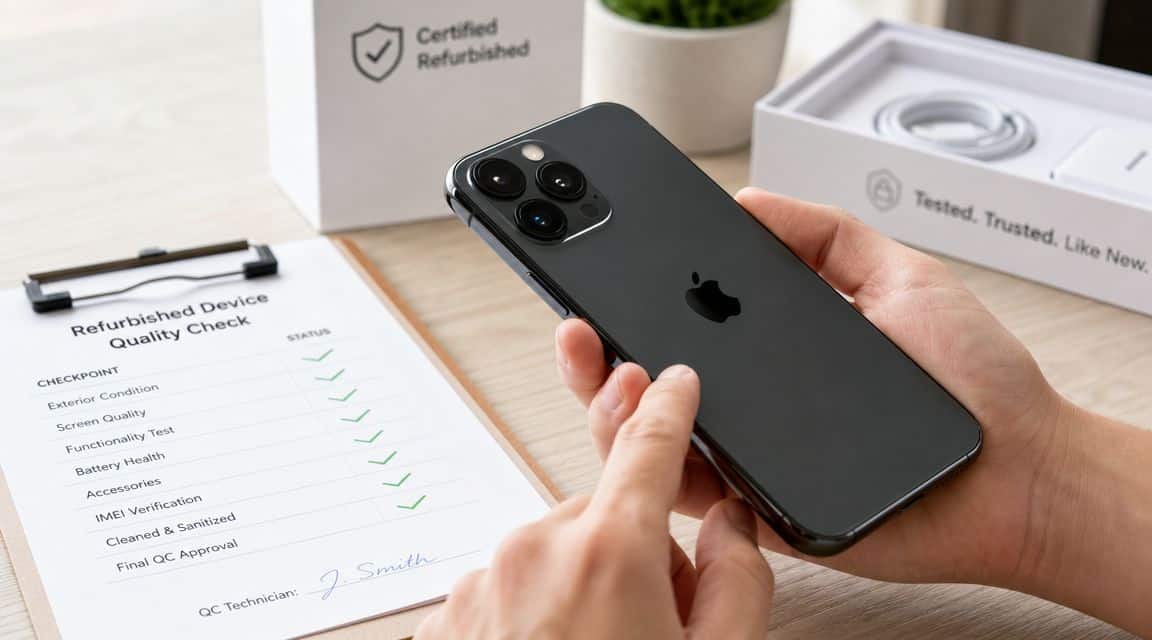
Battery health can make or break the experience
Battery condition is still the first thing I’d check on any refurbished iPhone. A phone can look immaculate and still feel disappointing if the battery drains quickly or performance dips under load.
That’s why the seller’s battery policy matters more than marketing words like “excellent condition”. A reliable refurbisher should be clear about battery expectations and willing to stand behind the device if it doesn’t perform as described.
- Check the battery standard before you buy, not after it arrives.
- Don’t confuse cosmetics with reliability. A cleaner frame doesn’t guarantee a healthier battery.
- Think about your usage. Heavy camera use, navigation, video and hotspot use will expose a weak battery quickly.
Cosmetic grades are not all equal
Many returns happen because the buyer expected “refurbished” to mean flawless. It doesn’t. Refurbished means tested and prepared for resale. The visible condition still depends on grade.
A properly graded phone can be a very good buy, but only if the seller explains what that grade means. Fine marks around the frame, light scratching on the screen, or signs of case wear are common on lower grades. None of that automatically affects performance, but it should never come as a surprise.
Buy the grade you can live with. If visible marks will annoy you every day, don’t save money by choosing a lower cosmetic grade.
Warranty and returns tell you a lot about the seller
This is one of the clearest ways to separate a proper refurbisher from a dressed-up second-hand listing. Reputable refurbishers have professionalised the market, commonly offering 12-month to 24-month warranties and a 30-day return policy, which makes the purchase far more standardised and gives the buyer proper after-sales protection, as explained in this guide to buying refurbished phones safely.
Private sellers usually can’t offer that. If the battery fades, the charging port cuts out, or Face ID stops working, you’re often on your own. That’s why I’d treat a private-sale “bargain” very differently from a refurbished phone sold by a business with testing, returns and support.
Activation lock and legitimacy checks matter
A cheap iPhone isn’t a bargain if it’s still tied to someone else’s Apple account or has a questionable background. Before buying, check that the seller can confirm the device is clear, properly reset and ready for a new owner. If you want to know what to verify, this stolen iPhone check UK guide is worth reading.
Software safety matters too, especially if you’re buying a phone for a child, parent or anyone who isn’t confident troubleshooting odd behaviour. If a device starts acting strangely after setup, this guide to spotting computer virus signs is a useful plain-English checklist for general warning signs on connected devices.
Refurbished is not the same as new
Even a very well-prepared refurbished iPhone is still built on an older platform. That affects long-term battery ageing, storage wear, and how long the device will remain a comfortable daily phone for your needs.
A common example we see is someone buying too old because the price looks tempting, then realising a few months later that the camera, storage or charging style no longer suits them. Refurbished works best when you buy for how you’ll use the phone now, not just for the lowest possible price.
What We Check Before Resale at Used Mobiles 4U
On the bench, we don’t assume an iPhone is fine just because it powers on and looks tidy. Our technicians often see phones that appear clean externally but have hidden issues with charging, battery stability, microphones, speakers, cameras or previous repairs.
One thing we regularly notice is that heavy-use phones tell on themselves in small ways. Worn charging ports, soft speaker output, poor vibration feedback, weak battery performance, or tiny housing signs around screws and screen edges often suggest a harder life than the grade alone might imply.
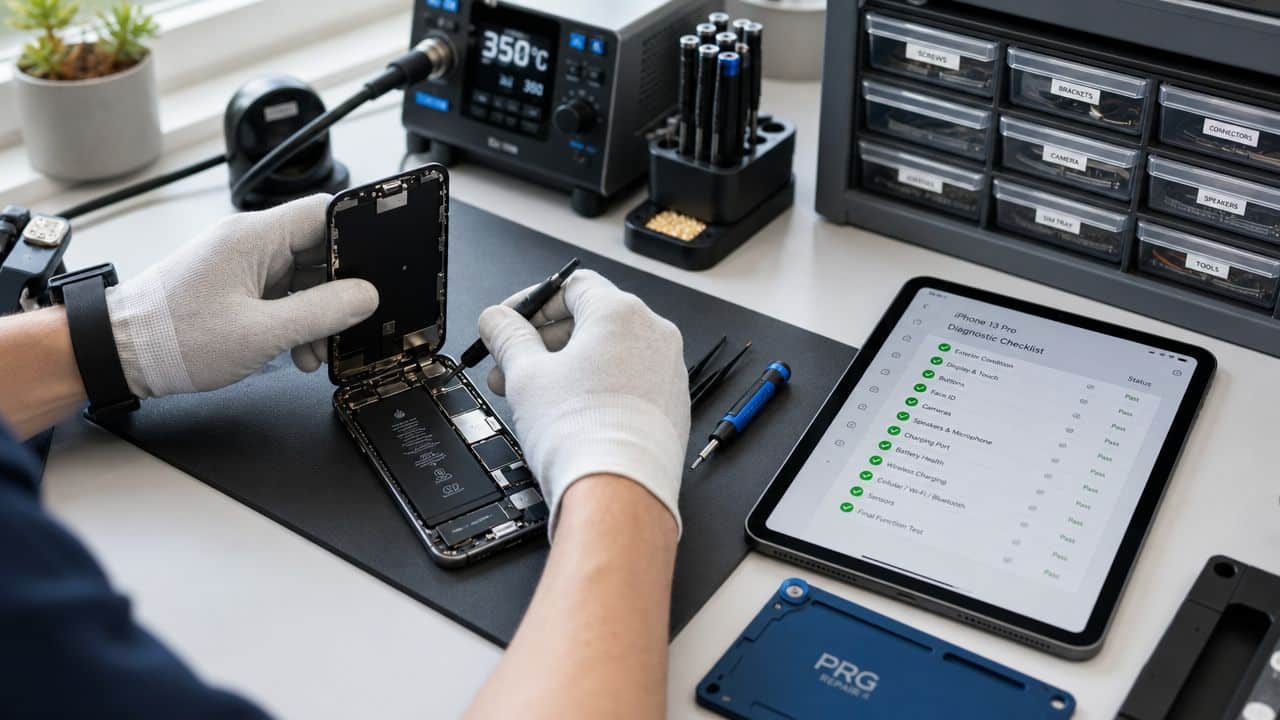
Our Experience Refurbishing This Model at Used Mobiles 4U
Although the exact faults vary by model, the pattern is usually familiar. Battery condition is the first issue buyers actually feel in daily use, while charging ports, camera lenses, earpiece mesh, speaker grilles and frame wear are the things we most often inspect closely because they affect long-term satisfaction.
Our technicians often see a clear difference between lightly used business handsets and phones that have lived without a case. The second group tends to show deeper frame wear, more obvious screen marks, pocket dirt packed into ports, and more signs of previous drops even when the phone still works.
What we test in practice
- Battery behaviour including general health, charging response and whether the phone feels stable under normal use.
- Face ID and cameras because these are common deal-breakers if they don’t work exactly as expected.
- Ports, speakers and microphones since daily calling and charging reliability matter more than headline specs.
- Buttons and haptics to make sure the phone feels right in the hand and responds properly.
- Display quality including touch response, brightness consistency and signs of previous poor-quality repair work.
- Data wiping and reset status so the phone is ready for the next owner without account-lock problems.
What usually gets attention before resale
Some phones only need cleaning, testing and grading. Others need parts work before they’re fit for resale. Common examples include batteries, screens, charging port cleaning, camera glass issues, or cosmetic parts where wear is too heavy for the intended grade.
A common example we see is a parent buying a first iPhone for a teenager. In that situation, reliability matters more than the phone looking untouched. They usually want strong charging, clear microphones, working cameras, solid battery behaviour and confidence that the phone has been checked properly.
Bench note: The best refurbished phones aren’t always the prettiest ones. Often, the sweet spot is a clean lower-grade handset with strong function, honest grading and sensible after-sales cover.
Why warranty matters so much on older iPhones
A key technical reality is residual component ageing. Even after refurbishment, it’s still an older hardware platform, which is why a strong warranty is such a useful proxy for quality. Consumer guidance highlighted in this refurbished iPhone warranty and risk guide recommends a minimum 24-month warranty from reputable sellers.
That doesn’t mean every older iPhone is a bad buy. It means you should buy with open eyes. Refurbishment can restore a lot, but it can’t remove age from the underlying hardware.
What Buyers Usually Ask Us
- Will the battery last all day
That depends on the model, battery condition, signal strength and how heavily you use video, maps, camera and mobile data. - Will it look used
Sometimes yes, depending on grade. That’s normal, and it’s better when the seller is honest about it. - Is repair better than replacement
If your current phone only needs a straightforward fix and still suits you, repair can make sense. If the battery, camera, charging port and general wear are all stacking up, replacement is often the tidier decision. - How do nearby models compare
We usually tell buyers to choose based on battery expectations, camera needs, charging habits, storage and how long they realistically plan to keep the phone.
If you want a closer look at the workshop side, the Used Mobiles 4U Refurbishment Process shows the standards behind proper resale preparation.
Your Buying Checklist and Final Verdict
If you’re comparing refurbished iPhone pros and cons, don’t stop at the headline price. The safer approach is to check the details that actually affect ownership after the box is opened.
How to buy a refurbished iPhone safely in the UK
- Check the warranty first
A proper warranty says more about the seller than the product photos do. - Read the returns policy properly
You need time to test battery life, calls, charging, cameras and connectivity in your own routine. - Understand the cosmetic grade
Don’t assume “refurbished” means pristine. Look for clear grade descriptions. - Ask about battery expectations
This is one of the biggest factors in day-to-day satisfaction. - Confirm it’s SIM-free or unlocked if that matters to you
That avoids hassle when you move networks or travel. - Make sure the phone has been properly reset and checked for account locks
An iPhone should be ready for setup without activation problems. - Buy the right model, not just the cheapest one
Think about storage, camera use, charging habits and how long you want to keep it.
Who refurbished suits best
Refurbished is a strong choice for buyers who want sensible value, parents buying a first iPhone, people replacing an ageing handset, and anyone who cares more about real-world use than shrink-wrap. It also suits buyers who are happy to accept some cosmetic wear in exchange for a better model at a lower outlay.
It’s less suitable for buyers who want the very latest iPhone immediately, want a perfect untouched finish, or simply don’t want to think about battery condition, grading or resale standards at all. In that case, buying new is simpler, even if it’s harder on the wallet.
The best refurbished purchase is usually not the cheapest phone on the page. It’s the one with the fewest ownership surprises.
My view is straightforward. A refurbished iPhone is worth buying if you choose the seller carefully and buy the right model for how you actually use your phone. If you’re still comparing options, this guide on where to buy refurbished iPhones UK is a useful next step.
Written by James Waterston, 24 years in the mobile phone industry from customer service through to Sales Director of a global repair and recycling company. Now running Used Mobiles 4U for over 8 years.
LinkedIn: James Waterston on LinkedIn
If you’re ready to compare properly tested devices with clear grading, UK support and warranty cover, take a look at Used Mobiles 4 U. It’s a practical place to start if you want a refurbished iPhone that’s been prepared for real everyday use, not just listed to look cheap.
Meta description: Refurbished iPhone pros and cons explained for UK buyers. Learn what really matters on battery health, grading, warranty, returns and safe buying.
Looking for a refurbished phone?
Shop professionally tested refurbished iPhones and Samsung phones with 18 month warranty, 30 day returns and free UK delivery.
Browse Refurbished Phones