


Refurbished iPhone 11 Pro Buyer’s Guide for the UK in 2026

07/06/2026

6 Mins
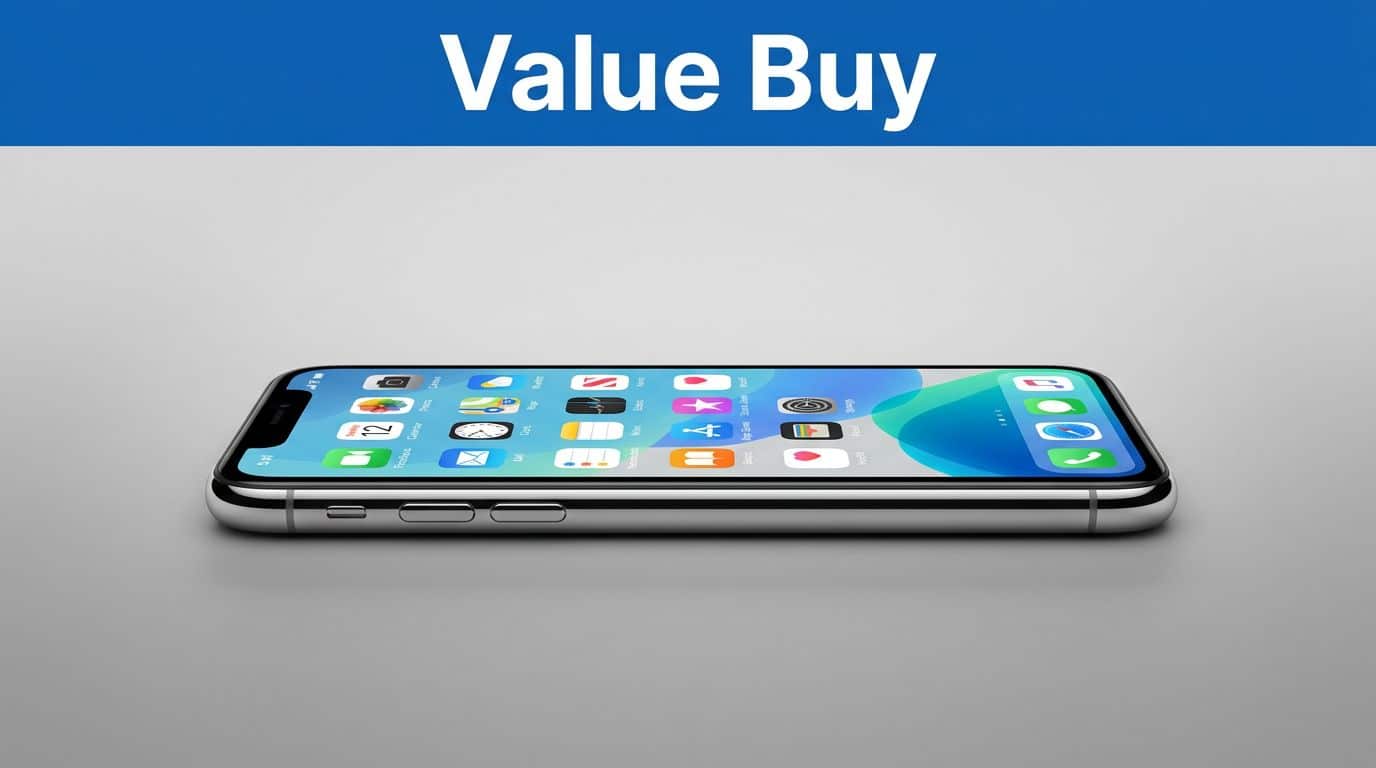
A refurbished iPhone 11 Pro still makes sense in 2026, but only if we treat it as a value buy. It is a solid pick for everyday use, yet it is not the phone we would choose if we wanted the longest future life.
If we want a premium-feeling iPhone without paying for a newer model, this one can still fit the brief. Battery health, storage, warranty and overall condition matter far more than the badge on the back.
Quick Answer
- Buy it if you want a compact iPhone for calls, messages, photos, maps, banking apps and streaming.
- Skip it if you need 5G or want to keep the phone for many more years.
- Choose one with strong battery health, a clear UK warranty and proper testing.
- If the frame is bent or the battery is tired, a newer refurbished iPhone often makes more sense.
Why the iPhone 11 Pro still holds value
The iPhone 11 Pro still feels like a proper flagship in hand. The OLED screen looks sharp, the stainless steel frame still feels premium, and the triple camera setup is good enough for most daily photography.
That is why shoppers comparing refurbished iPhones, used iPhones UK listings, cheap refurbished iPhones, and refurbished iPhone deals UK still land on this model. It gives us the look and feel of a higher-end phone without the cost of a newer release.
The limit is clear, though. There is no 5G, and by 2026 we would treat it as close to the edge of major iOS support rather than a long-term buy. That means it suits buyers who care more about price and day-to-day use than future-proofing.
For a wider 2026 view, this iPhone 11 Pro Max value check reaches the same basic conclusion. Price and battery condition matter more than raw speed.
Our Experience Refurbishing This Model at Used Mobiles 4U

On the bench, the 11 Pro usually tells us a simple story. The phone still works well, but the battery has often lost enough strength to feel sluggish by late afternoon.
One thing we regularly notice is that the best units come from careful owners, not light users. A phone can look tidy and still have a worn battery, a loose charging port or a screen that has been replaced poorly.
What we commonly see:
- Buyers usually choose this model when they want a smaller iPhone with a premium finish.
- The most common concern is battery wear, especially on older stock.
- Our technicians often check Face ID, cameras, speakers, charging and display touch response first.
- The biggest difference between grades is usually cosmetic, not functional.
- The phones that resell best are the ones with a straight frame and a clean screen.
- The parts we replace most often are batteries and screens.
- We avoid units with bent frames, liquid marks or obvious signs of previous rough repair.
When we compare grades, the core experience stays similar if the phone has been refurbished properly. The difference is usually how it looks, how much battery life it still has, and whether the handset has been tested with care.
If we are choosing between storage sizes, a refurbished iPhone 11 Pro 64GB in Midnight Green suits lighter users. For photos, offline music and extra headroom, the refurbished iPhone 11 Pro 256GB is the safer call.
What to check before we buy
The 11 Pro is old enough that condition matters more than the spec sheet. We would not buy one on looks alone.
Start with the battery. If the health is low, the phone may still work, but it will feel less pleasant to live with. In our experience, refurbished stock feels far better when the battery is at 85% or above.
Then check the screen. We want even brightness, no ghost touches, no flicker and no blotches in the corners. We also want Face ID to work every time, because that tells us the front assembly has survived properly.
A quick buyer checklist helps here:
- Test Face ID and the front camera.
- Open the Camera app and switch between lenses.
- Type across the full screen to check touch response.
- Look for bent edges or a twisted frame.
- Check the charging port for looseness or debris.
- Ask whether the phone is SIM-free and fully wiped.
- Confirm the warranty and returns terms before paying.
If we are unsure which refurbished iPhone to choose, our refurbished iPhone buying guide is a good place to compare options.
A cheap listing only stays cheap when the battery, screen and frame all behave as they should.
Repair or replace?
A broken screen is not always worth repairing. If the phone is otherwise clean, the frame is straight and the battery is still decent, a repair can be sensible. If the phone is already tired, the maths changes fast.
That is especially true with older handsets. Once we add a weak battery, cosmetic wear and possible charging issues, the screen repair can become the most expensive part of a bigger problem.
We would lean towards repair if:
- the damage is limited to the screen
- Face ID still works
- the frame is straight
- the battery still holds a decent charge
We would lean towards replacement if:
- the phone is already slow or unreliable
- the frame is bent
- there has been liquid damage
- the battery is poor
- the repair cost starts feeling close to the phone’s value
If we decide to move on, Sell Your Old Phone can help reduce the cost of the upgrade.
Where buyers usually go wrong
The biggest mistake is buying on price alone. Across refurbished smartphones UK and second hand iPhones UK listings, the cheapest option is often the one with the weakest battery or the worst support.
Storage is another common miss. A 64GB iPhone 11 Pro still works for light users, but photos, apps and offline downloads fill it quickly. If we take lots of video, 256GB is easier to live with.
Some buyers also assume all refurbished stock is the same. It is not. Testing standards, grading, warranty and battery checks vary a lot, so the seller matters as much as the model.
A few other things catch people out:
- buying a phone with no clear warranty
- ignoring a worn battery because the case looks clean
- choosing the 11 Pro when they really need 5G
- forgetting that older phones may need another fault fixed soon
- paying too much for a model that has already lost its flagship timing
If we want to buy refurbished iPhone stock with confidence, we should look at support, battery health and condition before we look at colour.
Who the iPhone 11 Pro suits in 2026
This model suits a clear type of buyer. We would choose it for a first iPhone, a compact spare phone, or a budget upgrade from an older handset.
It also makes sense if we want a premium feel without chasing the latest features. The cameras are still good, the screen still looks sharp, and the size is easier to carry than many newer phones.
We would usually pass if we want 5G, longer support or a phone to keep for years without thinking about replacement. In that case, stepping up to View Refurbished iPhone 13 Models is often the better move, because it gives us more headroom for the future.
For a general browse of current stock, Browse Refurbished iPhones is the simplest place to compare what is available now.
Conclusion
We would still buy a refurbished iPhone 11 Pro in 2026, but only at the right price and in the right condition. It suits buyers who want a compact, premium iPhone for everyday tasks and do not mind giving up 5G and some future-proofing.
We would avoid it if battery life, long support and heavier daily use matter more than savings. In that case, a newer model is the cleaner choice.
This guide is based on the checks we make when assessing stock for resale, including battery health, Face ID, charging, frame condition and overall value.
Written by James Waterston, 24 years in the mobile phone industry, now running Used Mobiles 4U.
LinkedIn: https://uk.linkedin.com/in/james-waterston-9039a21a
Meta description: A refurbished iPhone 11 Pro can still be a smart UK buy in 2026 if the battery is healthy, the price is low, and you do not need 5G.
Looking for a refurbished phone?
Shop professionally tested refurbished iPhones and Samsung phones with 18 month warranty, 30 day returns and free UK delivery.
Browse Refurbished Phones