


Refurbished iPhone 13 vs iPhone 15: UK Value in 2026

23/07/2026

7 Mins
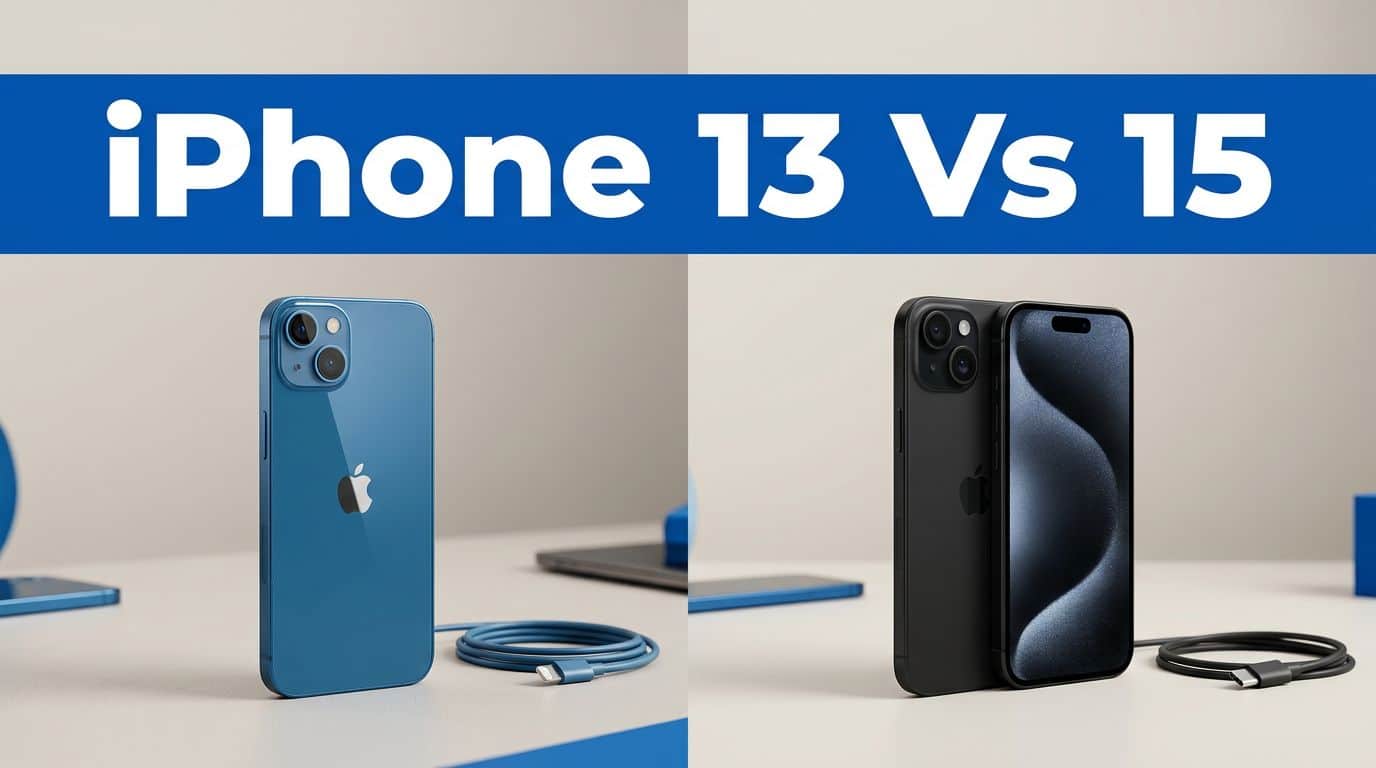
For most people, the refurbished iPhone 13 vs iPhone 15 decision comes down to price, USB-C and camera needs. The iPhone 13 remains the stronger value buy, while the iPhone 15 is worth the extra spend if you want a brighter screen, a better main camera and one cable for newer tech.
Key Takeaways
What We’d Recommend
- Choose the iPhone 13 if you want a capable, lower-cost iPhone for calls, banking, maps, photos and streaming.
- Pay more for the iPhone 15 if USB-C, outdoor screen brightness and the 48MP camera will improve your daily use.
- Battery health, storage, warranty and frame condition matter more than a few cosmetic marks.
- Both models support 5G, MagSafe, Face ID and iOS 26, so neither feels outdated in normal use.
- A phone with a cracked screen, weak battery and bent frame often costs more to rescue than replace.
Refurbished iPhone 13 vs iPhone 15: the differences that matter
The iPhone 13 and iPhone 15 look similar at first glance. Both have a 6.1-inch OLED display, Face ID, 5G, MagSafe charging and an aluminium frame. Both also feel quick when you are messaging, using contactless banking, following maps or watching video.
However, the iPhone 15 has several upgrades that are easy to notice over time. Its A16 chip is newer than the iPhone 13’s A15. The extra performance headroom helps with demanding apps, photo editing and keeping the phone longer.
The iPhone 15 also replaces the notch with Dynamic Island. That change is mostly visual, but it gives alerts, timers and music controls a neater place to sit. More usefully, its display reaches 2,000 nits outdoors, while the iPhone 13 has an 800-nit typical brightness. If you often check maps on a sunny platform or read messages outside, the 15 is much easier to see.
Photography is the other meaningful dividing line. The iPhone 13 has a reliable 12MP main camera and ultra-wide camera. It still takes pleasing daylight shots and steady video. Yet the iPhone 15’s 48MP main camera produces cleaner detail and offers a useful 2x crop option without needing a separate telephoto lens.
USB-C is the iPhone 15’s simplest win. It does not make the standard model’s file transfers dramatically faster, but it reduces cable clutter if your laptop, tablet and headphones already charge by USB-C. The iPhone 13 uses Lightning, which is fine if you already have those leads and accessories.
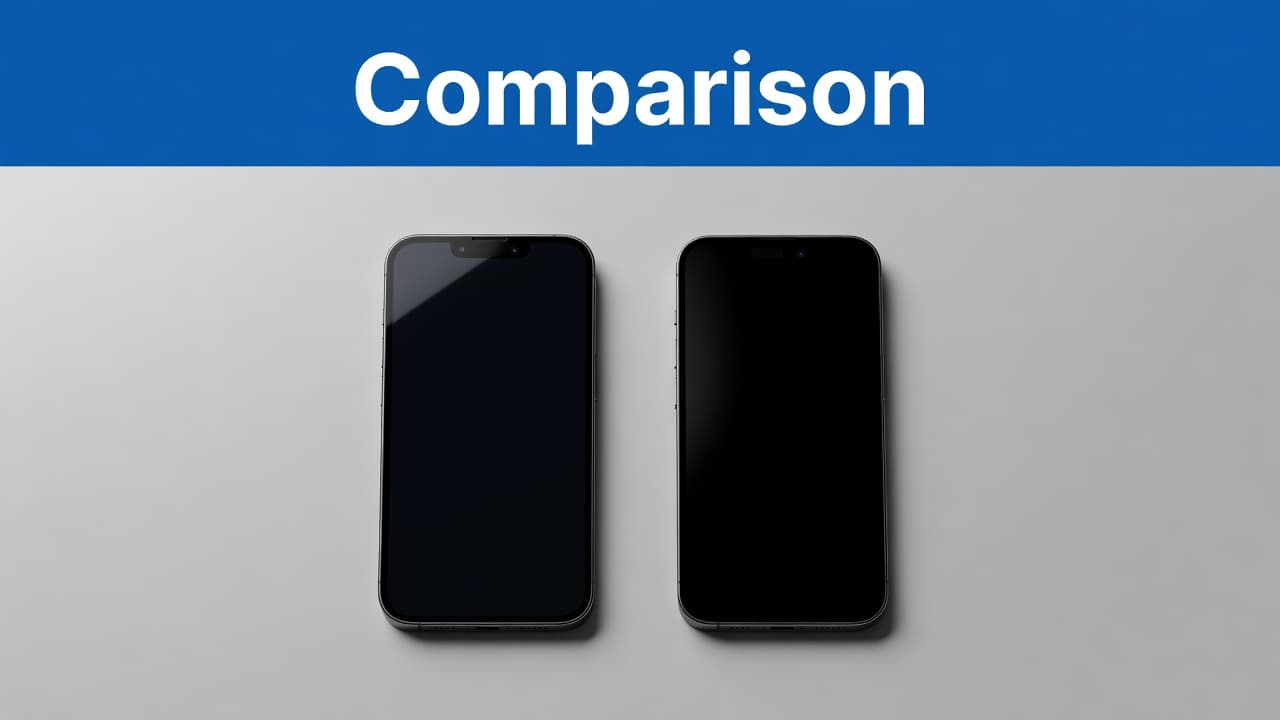
A side-by-side video comparison can help if you want to see the design and camera differences before deciding. In day-to-day use, though, the price gap should carry more weight than the spec sheet.
Price, storage and long-term value
Prices for refurbished iPhones change with stock, colour, grade, storage size and battery condition. That is why a cheap listing can be misleading. A lower price may reflect 64GB storage, heavier wear, a short warranty or an ageing battery.
The iPhone 13 is usually the more sensible choice when you want strong value without stepping back to an older design. We would normally favour 128GB over 64GB. Photos, WhatsApp media, downloaded programmes and app updates fill 64GB faster than many people expect.
The iPhone 15 costs more, but it should hold its value better because it is two years newer and uses USB-C. It is also the more comfortable choice if you plan to keep it for several years. Both models run iOS 26, although the iPhone 15 has more remaining software life simply because of its later release.
A clean back panel does not tell you whether a phone will be reliable. Battery health, a straight frame and stable charging matter far more than a small scratch.
If you are comparing current stock, see the latest refurbished iPhone 13 and iPhone 15 UK prices. We would avoid choosing purely by colour or cosmetic grade when a better battery or extra storage is available for a modest increase.
Our Experience Refurbishing This Model at Used Mobiles 4U
One thing we regularly notice with both models is that cosmetic condition and internal condition do not always match. A tidy iPhone can still have a tired battery, a loose charging connection or signs of a previous screen repair.
On the bench, the iPhone 13 often shows its age through battery wear and debris in the Lightning port. Pocket lint can stop a cable seating properly, while a connector that only works at one angle needs closer inspection. Cleaning can solve packed debris, but it cannot repair a worn port.
With the iPhone 15, our technicians often pay extra attention to the USB-C port, camera lenses and rear glass. Apple’s revised internal layout makes rear-glass work less awkward than on older iPhones. Even so, we avoid handsets with deep cracks, lifted panels or a bent housing. A distorted frame can put a replacement screen under pressure and affect wireless charging alignment.
When checking these devices, we test Face ID, touch response across the display, cameras, microphones, speakers, charging, wireless charging and mobile signal. We also check that the screen sits flush and that no previous repair has left uneven gaps or mismatched parts.
The biggest difference between grades is usually cosmetic. Light marks around the frame are normal and rarely affect daily use. We would rather buy a well-tested, SIM-free phone with a clear UK warranty and at least 85% battery health than a cleaner-looking example with no battery information.
What We Commonly See
- Buyers usually choose the iPhone 13 when moving from an iPhone 11 or older model and want the best price-to-performance balance.
- Customers step up to the iPhone 15 when USB-C matters across the household, or when they take plenty of photos outdoors.
- The most common concern is battery condition, not small scratches near the charging port.
- People often compare the iPhone 15 with newer Android handsets, while the iPhone 13 is more often compared with other cheap refurbished iPhones.
- The main reason to choose 256GB is photo and video storage, rather than faster performance.
Among used iPhones UK shoppers, the strongest buys are usually the ones with clear grading, secure data wiping, tested functions and proper return support. Those checks matter just as much when looking at second hand iPhones UK listings from private sellers.
Where buyers usually go wrong
The first mistake is treating every refurbished listing as equal. Refurbished smartphones UK sellers use different testing standards, grades and battery policies. Ask what has been checked and what the warranty covers before spending money.
Storage is another common problem. A 128GB iPhone suits lighter users who stream music and back up photos. If you save lots of 4K clips, offline maps or years of photos, 256GB is the safer option.
We also see buyers pay for a repair without looking at the whole phone. A screen-only repair can be sensible when the battery remains healthy, the frame is straight and charging is reliable. The calculation changes once faults stack up.
Back up your current phone immediately if it still powers on. Stop using it if glass is shedding or the display flickers. A cracked screen combined with weak battery life, frame damage, a loose port or liquid exposure can turn a repair into false economy.
Face ID and True Tone can survive a screen repair, but the front sensor assembly must move across without damage. A first-time repair can go wrong quickly if a flex cable tears. For newer handsets, Apple is often the clearest repair route. A good independent repairer can also be a sound choice when parts, testing and warranty terms are clear.
A standard warranty will not usually cover a later failure caused by a drop or spill. If you want cover for accidental damage, theft or loss, compare a UK iPhone insurance policy separately from the seller’s warranty.
Which refurbished iPhone should you buy?
Choose the iPhone 13 if:
- You want the best value from refurbished iPhone deals UK buyers can find.
- You are upgrading from an iPhone 11, XR or older model.
- Lightning cables and MagSafe accessories already suit your setup.
- You want a capable phone without paying extra for features you may not use.
Choose the iPhone 15 if:
- USB-C will reduce the number of cables you carry.
- You take lots of photos, especially outside or in mixed lighting.
- You want a brighter screen for commuting, holidays and navigation.
- You expect to keep the phone for as long as possible.
For most buyers, we would choose the iPhone 13 in good condition with 128GB or 256GB storage over a cheaper iPhone 15 with unclear battery health. Yet if the price gap is reasonable and USB-C or the camera will matter every day, the iPhone 15 is the better long-term purchase.
You can View Refurbished iPhone 13 Models if value is the priority, or View Refurbished iPhone 15 Models if the newer hardware suits your needs. If you are still unsure which option fits, Read Our Refurbished iPhone Buying Guide.
Final verdict
The iPhone 13 is the best UK value choice in 2026. It remains fast, supports modern apps and iOS 26, takes good photos and costs less than the iPhone 15.
The iPhone 15 earns the extra spend when USB-C, brighter outdoor use and a more flexible camera are part of your everyday routine. Check the battery, storage, grade and warranty first, then choose the phone that will still feel comfortable a year from now.
Meta description: Refurbished iPhone 13 vs iPhone 15 in the UK: compare price, battery, camera, USB-C, software support and the best value for 2026.
This comparison reflects the checks we make on battery health, charging, Face ID, cameras, frames and previous repair quality before resale.
Written by James Waterston – 24 years in the mobile phone industry, now running Used Mobiles 4U.
Looking for a refurbished phone?
Shop professionally tested refurbished iPhones and Samsung phones with 18 month warranty, 30 day returns and free UK delivery.
Browse Refurbished Phones