


Refurbished iPhone 13 vs iPhone 16e: Which Saves More?

10/08/2026

8 Mins

The choice comes down to value now or longer-term features. The older model costs less, offers a more flexible camera system and supports MagSafe, whilst the iPhone 16e adds an A18 chip and Apple Intelligence.
For most UK buyers, we recommend a tested refurbished 13 when the price difference is substantial. The iPhone 16e makes more sense if you plan to keep your phone for several years and will benefit from its newer hardware.
Quick Comparison
- Choose the iPhone 13 for lower cost, a wider lens, MagSafe wireless charging and strong everyday performance.
- Choose the iPhone 16e for the A18 chip, on-device AI features, USB-C, newer battery technology and a longer likely software support period.
- Prioritise battery health, storage, warranty and a straight frame over small cosmetic marks.
- Compare current stock carefully because refurbished iPhone prices change with grade, storage and availability.
The Differences That Matter
Both phones have a 6.1-inch Super Retina XDR display, Face ID, 5G and a 60Hz screen refresh rate. Neither offers the smoother 120Hz ProMotion display found on Pro models, but both remain sharp and comfortable for messaging, banking, maps, streaming and photography.
This model launched as a lower-priced member of the iPhone 16 family. Apple’s official iPhone 16e announcement confirms its newer processor, 48MP Fusion camera and action button.
Their build materials include aluminium frames, glass backs and Ceramic Shield front glass. The 16e is slightly lighter, but the physical difference is small. A bent frame, lifted screen or uneven rear panel matters far more than a few marks around the corners.
The newer processor is faster and more efficient than the A15 Bionic. The 16e is also listed with an 8GB RAM capacity, compared with around 4GB in the iPhone 13. That extra memory helps it run Apple Intelligence, whilst the iPhone 13 remains limited to the standard iOS feature set.
The iPhone 13 still supports iOS 26 in 2026, so it isn’t obsolete. However, the 16e has a four-year hardware advantage. Buyers keeping a phone for five years or more should consider its longer software support.
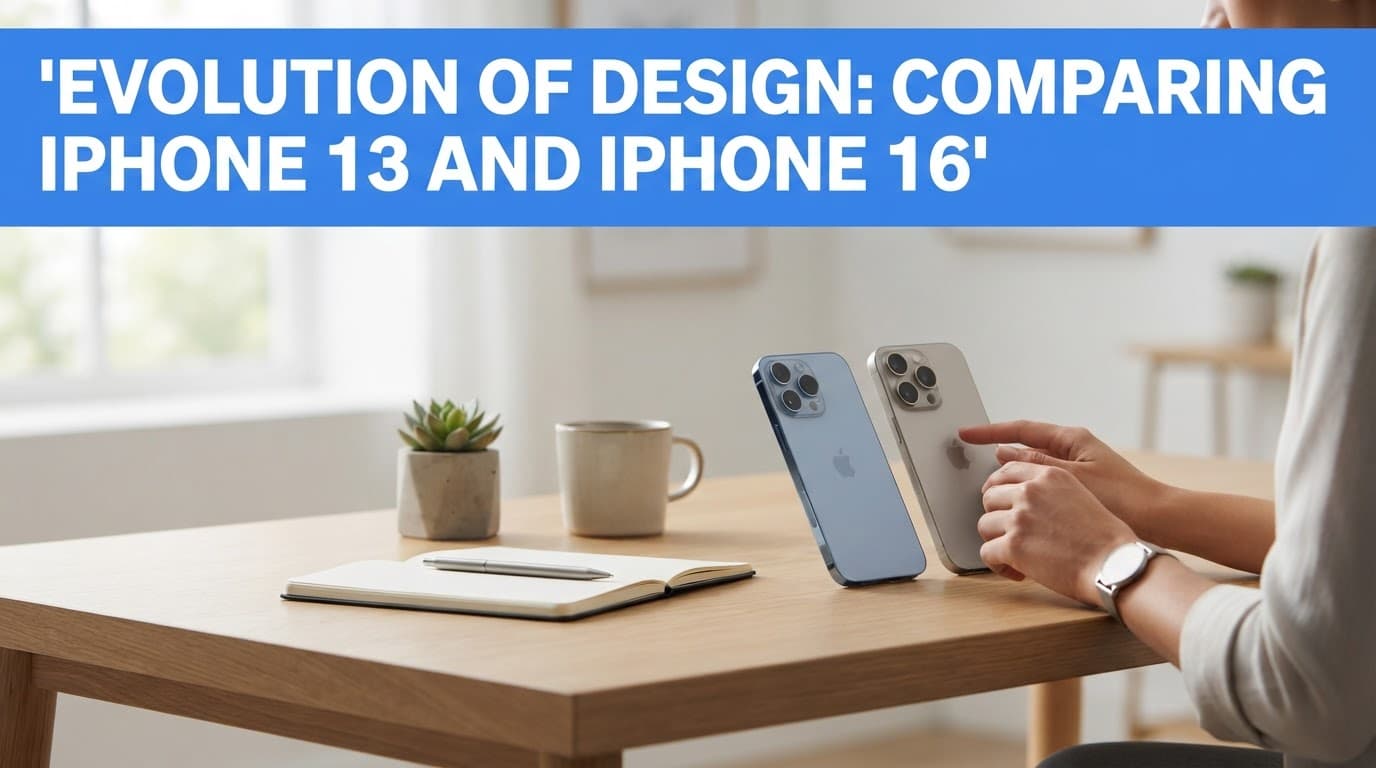
Camera Choice: Flexibility or Newer Processing?
The camera system highlights a clear difference between the iPhone 13 and iPhone 16e, with flexibility on one side and newer processing on the other.
The iPhone 13 has a dual camera setup. Its 12MP main camera handles everyday photos, whilst the 12MP ultra wide camera captures more of a scene.
That ultra wide camera is useful for group photos, buildings, landscapes and cramped rooms. It gives the iPhone 13 an advantage when you want to step back but cannot move further away.
The 16e has one 48MP main camera. It can produce detailed daylight images and offers a 2x camera option by cropping into the sensor. Newer processing also helps with colour, portraits and difficult lighting.
However, the 2x option is not the same as true optical zoom. It uses a crop from the main sensor rather than a dedicated telephoto lens. If you regularly photograph holidays, children in groups or large interiors, losing the wider view can become frustrating. The 16e suits buyers who mostly point and shoot with the main camera.
Both phones have a 12MP front camera and support Face ID. For ordinary social photos, video calls and family snaps, the difference is smaller than the specification sheet suggests.
The published iPhone 16e model reference lists the single 48MP rear camera and the phone’s storage options, 128GB, 256GB and 512GB. Storage matters here because 128GB suits lighter users, whilst frequent 4K video recording can fill it quickly.
Battery Health, Charging and Ownership Cost
Battery condition is the biggest variable when comparing an older iPhone 13 with a new or lightly used newer model.
The iPhone 16e has newer battery hardware and a more efficient A18 chip. This combination should deliver more consistent battery life over a long working day, especially with 5G, navigation and video use. Its battery is also less likely to have years of charge cycles behind it.
An older iPhone 13 can still last through normal calls, messages, browsing and photos, but battery condition changes the experience. A phone with a worn battery may need a top-up during the afternoon, even when the model itself remains fast enough.
We recommend checking the stated charge capacity, whether the battery has been replaced, and what the warranty covers. At Used Mobiles 4U, our refurbished phones meet a minimum 85% charge capacity standard. That gives buyers a clearer starting point than a listing which only says “tested”.
The ports create a separate choice. A Lightning connector is convenient if your home already has older iPhone cables, car chargers and docks. A USB-C port is tidier if your MacBook, iPad or headphones already use the same connector.
The iPhone 13 supports MagSafe charging and magnetic accessories. The 16e supports standard Qi wireless charging, but has no MagSafe magnets. A USB-C cable should also be tested for data transfer, not only charging. Pocket lint can stop a connector seating properly, although cleaning won’t repair worn contacts.

Our Experience Refurbishing This Model at Used Mobiles 4U
One thing we regularly notice with the iPhone 13 is that age shows first through battery wear and the Lightning port. Pocket lint often collects inside the connector. A cable that only works at an angle may need cleaning, but it can also point to damaged contacts.
The iPhone 16e is newer, so battery condition is usually less affected by age. It still needs proper testing because its USB-C port collects the same pocket debris. We test wired charging and data connection rather than assuming the phone is healthy because it charges on a wireless pad.
Our technicians check facial authentication, touch response across the whole display, camera focus, microphones, speakers, mobile signal and wireless charging. We also look for uneven screen gaps, previous repairs, lifted panels and signs of liquid exposure.
The biggest difference between grades is usually cosmetic. Small frame marks rarely affect daily use. A straight chassis, reliable charging and a well-performing battery matter much more.
What We Commonly See
- Buyers usually choose the iPhone 13 when they want a lower-cost phone with MagSafe and a proper ultra wide camera.
- Customers step up to the 16e when USB-C, newer features and a longer period of updates matter more than camera flexibility.
- The main concern with second-hand iPhones in the UK is often poor battery condition rather than light scratches.
- A good-looking handset can still hide a worn port, weak battery or poor-quality screen replacement.
- The main reason to compare a newer model is usually ownership length, not basic speed.
Which Phone Fits Your Budget?
The iPhone 16e launched in the UK at £599 for 128GB, although prices change as newer stock and refurbished models appear.
Refurbished iPhone deals in the UK vary by storage options, cosmetic grade, battery condition, repair history and warranty. Certified refurbished stock should clearly state its testing, grading and warranty basis.
Choose the refurbished iPhone 13 when:
- you want a sensible budget iPhone with a flexible camera system;
- you use an ultra wide camera for travel, groups or rooms;
- you already own compatible Apple charging and MagSafe accessories;
- you mainly use calls, messaging, banking, streaming and social media;
- the saving leaves enough money for a case or future battery replacement.
Choose the iPhone 16e when:
- you want Apple Intelligence and strong A18 performance;
- USB-C compatibility will reduce the number of cables you carry;
- you plan to keep the phone for several years;
- battery endurance matters more than camera flexibility;
- the price difference is small enough to justify newer hardware.
For a wider checklist covering grading, storage and warranty, use our refurbished iPhone buying guide. If you decide to buy a refurbished iPhone, a clear return period and UK support matter as much as the headline price.
Before You Spend More
People comparing refurbished smartphones in the UK often focus on screen condition first. We’d check these points before choosing between two listings:
- Confirm that the phone is unlocked and SIM-free.
- Check battery health, including the stated percentage and whether the battery is original or replaced.
- Test Face ID, cameras, speakers, microphones and touch response.
- Inspect the frame for bending and the screen for uneven gaps.
- Test the charging port with a suitable cable.
- Choose enough storage for your photos, apps and videos.
- Read the warranty terms and returns policy before paying.
Repairing an existing iPhone can make sense when it has a straight frame, reliable Face ID and only needs a screen or battery. Replacement is usually better when faults stack up. A cracked display alongside poor battery performance, a loose port, frame damage or liquid exposure can turn a repair into false economy.
Back up a damaged phone whilst it still works. If glass is shedding or the display is glitching, stop using it until it has been assessed. If upgrading, Sell Your Old Phone may help reduce the cost.
Frequently Asked Questions
Is the refurbished iPhone 13 still worth buying in 2026?
Yes, the iPhone 13 remains a strong choice for everyday use and still supports iOS 26. It offers a lower price, MagSafe and a useful ultra wide camera, provided the battery and charging port are in good condition.
Is the iPhone 16e better than the iPhone 13?
The iPhone 16e is better suited to buyers who want Apple Intelligence, USB-C, stronger performance and a longer likely period of software support. The iPhone 13 remains better value when the price difference is substantial or you regularly use its ultra wide camera and MagSafe accessories.
Does the iPhone 16e support MagSafe?
No, the iPhone 16e supports standard Qi wireless charging but does not include MagSafe magnets. The iPhone 13 supports MagSafe charging and magnetic accessories.
What should I check before buying a refurbished iPhone?
Check the battery capacity, warranty, returns policy, unlocked status and condition of the frame and screen. You should also test Face ID, cameras, speakers, microphones, touch response and the charging port before relying on the phone.
Our Verdict
The iPhone 13 remains our choice for most budget-conscious buyers. It delivers strong daily performance, an OLED display, MagSafe and useful photography for less money. Its battery life and overall value make it the easier recommendation for many shoppers.
The iPhone 16e is worth paying more for when you want Apple Intelligence, USB-C and longer software support. We would avoid either model if the listing hides battery condition, testing or warranty details.
See View iPhone 13 Models and Browse Refurbished iPhones to check current stock. Our Read Our Refurbished iPhone Buying Guide covers the checks that matter before purchase.
These recommendations reflect the checks we make when assessing refurbished iPhones, including battery condition, frame condition, charging and previous repair signs. Choose a seller offering certified refurbished phones, with its certification and testing claims clearly evidenced.
Written by James Waterston, with 24 years in the mobile phone industry, now running Used Mobiles 4U. LinkedIn
Meta description: Compare a refurbished iPhone 13 vs iPhone 16e in the UK, covering price, battery condition, cameras, Apple Intelligence, USB-C and long-term value before you buy.
Looking for a refurbished phone?
Shop professionally tested refurbished iPhones and Samsung phones with 18 month warranty, 30 day returns and free UK delivery.
Browse Refurbished Phones