


Refurbished iPhone 14 vs iPhone 16: UK Value

04/08/2026

8 Mins

Meta description: Refurbished iPhone 14 vs iPhone 16 in the UK, compare price, camera, battery, USB-C, repairs and long-term value before you choose a tested refurbished model.
If you want the lowest sensible cost, we would choose a refurbished 14. When weighing the two models, the iPhone 16 justifies its premium when you will use USB-C, the A18 chip and Apple Intelligence regularly.
Both are capable 6.1-inch 5G phones, but condition matters as much as the model name. Start with the practical gap, then check the individual handset.
Key Takeaways
- Choose a refurbished iPhone 14 for the lowest sensible cost and reliable performance for everyday use, including calls, banking, maps, photos and streaming.
- Pay more for the iPhone 16 if USB-C, its 48MP camera, macro photography, Apple Intelligence or Camera Control will improve your daily use.
- Neither standard model has a 120Hz ProMotion display; both use a 60Hz refresh rate, so the iPhone 16 is not a smoother-screen upgrade.
- Refurbished condition matters as much as the model. Compare battery health, storage, testing, cosmetic grade, charging, warranty and return terms before buying.
- The 2026 UK refurbished price gap is substantial, with comparison listings putting the iPhone 14 at around £230 and the iPhone 16 at around £489. Treat these as guides, since condition and storage change the final price.
Practical Verdict
- Choose a refurbished iPhone 14 if you want reliable Apple performance for calls, banking, maps, photos and streaming at a lower upfront cost.
- Pay more for the iPhone 16 only if USB-C, the 48MP camera, Apple Intelligence or Camera Control will improve daily use.
- Don’t choose the iPhone 16 for a smoother display. Neither standard model has a ProMotion display, and both use a 60Hz refresh rate.
- Compare battery health, testing, storage, grade and warranty terms. Certified pre-owned listings can follow different standards, and a clean-looking phone may still have tired internals.
Refurbished iPhone 14 vs iPhone 16: what changes in daily use
The iPhone 14 uses Apple’s A15 Bionic chip, while the iPhone 16 has the newer A18 chip. For messaging, contactless payments, browsing, streaming and navigation, the iPhone 14 still feels quick. Everyday responsiveness depends more on the whole device and software than on RAM capacity alone. It also supports iOS 26, so it isn’t close to being left behind as software updates continue.
The standard iPhone 14 isn’t the Pro model. The iPhone 14 Pro uses the A16 Bionic, while the standard 14 uses A15 Bionic.
However, the iPhone 16 has more room to age well. It supports Apple Intelligence, has an Action button and adds Camera Control. These features make the phone feel more current, but don’t transform messaging, browsing or contactless payments.
Camera quality is the clearer difference. The iPhone 14 has a capable 12MP main camera and ultra-wide lens. The iPhone 16 camera system adds a 48MP main camera, better cropping options and macro photography through its ultra-wide camera. Neither standard model has a dedicated telephoto lens. The iPhone 14 Pro’s separate telephoto lens provides genuine optical zoom, so the standard 14 and 16 shouldn’t be presented as having a Pro telephoto camera. If you take family photos, scan documents or crop images before sharing them, the newer phone gives you more flexibility.
Both models have Face ID, 5G, MagSafe accessories and bright Super Retina XDR OLED displays. You can compare the full technical differences through Apple’s official iPhone model comparison.
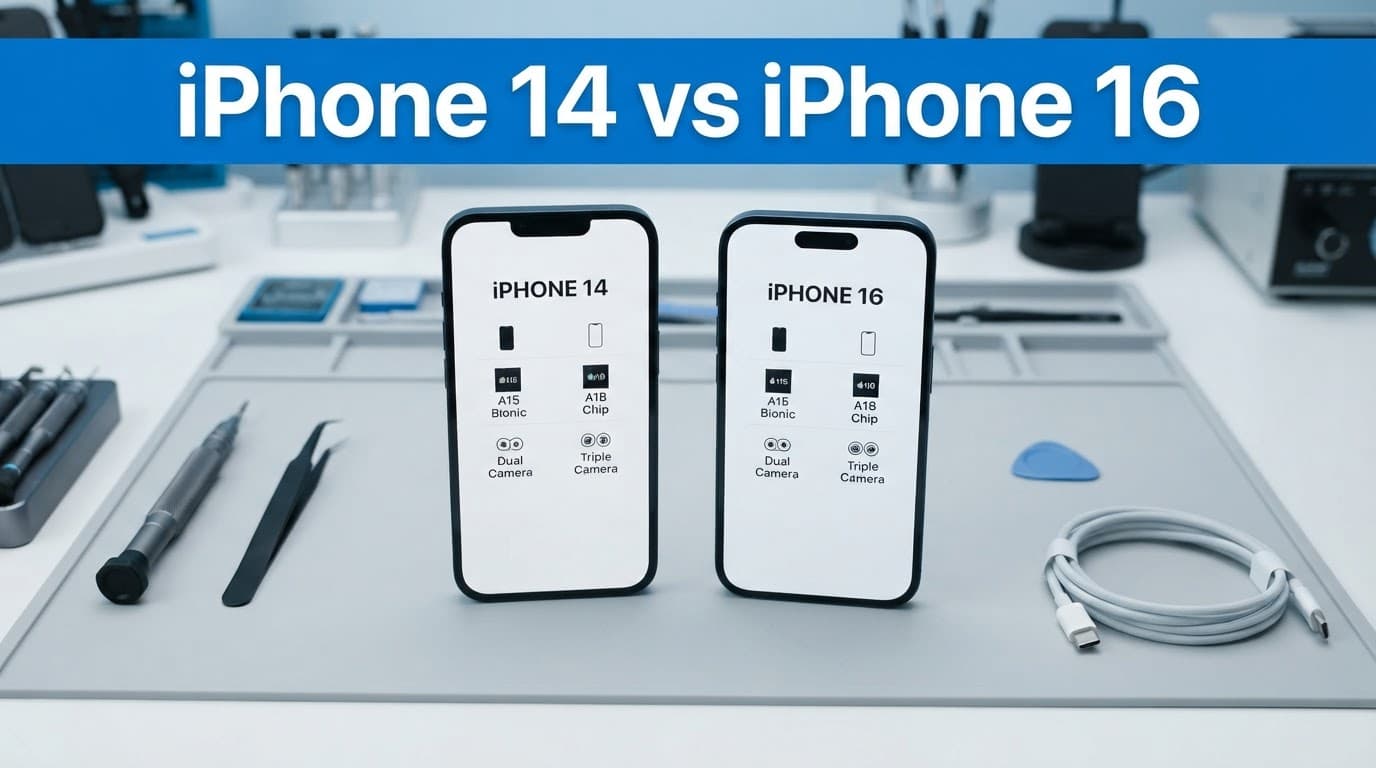
The USB-C port may matter more than the chip. The iPhone 14 uses Lightning, which still suits homes with older iPhones, docks and car leads. The iPhone 16 uses USB-C, so you may carry one cable for a newer iPad, MacBook and iPhone.
USB-C is a convenience upgrade, not a reason to replace a healthy iPhone 14 on its own. Yet, if your existing cables are already USB-C, the newer phone is easier to live with.
The 2026 price gap and battery reality
Recent UK SIM-free refurbished price comparison listings put the iPhone 14 at around £230 and the iPhone 16 at around £489. Treat these dated 2026 figures as a UK guide, not a guaranteed quote. Storage, cosmetic grade, colour, warranty and battery condition all affect the final price.
The iPhone 16 launched at £799 in the UK, which helps explain why it remains in a higher refurbished price band. This iPhone 14 and iPhone 16 comparison also puts the newer model’s original pricing into context.
For a buyer seeking a refurbished iPhone, the 14 is the sensible starting point. Its lower price can leave enough budget for 256GB storage capacity, a higher cosmetic grade or stronger battery condition. We’d favour 128GB as a minimum for most people, especially if you keep photos, WhatsApp media and downloaded programmes on your phone. Even with a certified pre-owned label, check storage, grade, warranty and testing.
The iPhone 14 is older, so battery condition needs closer attention. A tested 14 with good capacity can offer a full day of battery life for calls, maps, banking apps, social media and music. A poorly checked example may need charging far too often, regardless of how tidy its rear glass looks.
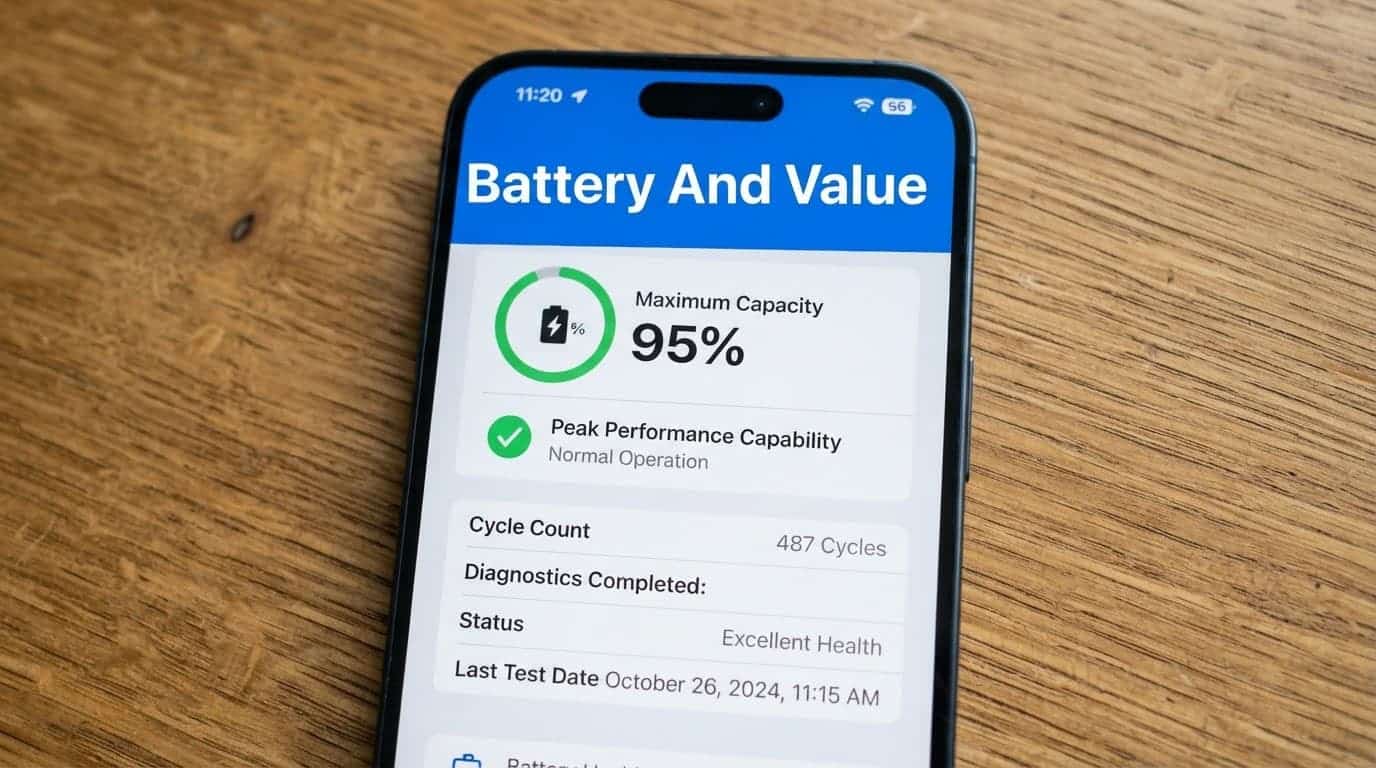
The newer model will usually have less age-related battery wear. Still, it isn’t automatically the better buy if the premium takes you beyond your budget. At this price gap, the iPhone 14 often offers the better return where cost matters most.
Our Experience Refurbishing This Model at Used Mobiles 4U
One thing we regularly notice when inspecting a refurbished iPhone is wear around the Lightning port, corners and glossy rear glass. Fine scratches are cosmetic. A cable that only charges at an angle needs closer inspection, because packed pocket lint and worn connector contacts can feel similar at first.
The iPhone 16 is newer, but we still see marks around its frame and port. Cleaning the USB-C port can remove debris, but it cannot repair worn contacts. We also check that the display sits flush, since uneven gaps can point to impact damage or a previous repair.
When checking these devices, we pay close attention to Face ID, touch response across the full screen, cameras, speakers, microphones, mobile signal, wired charging and MagSafe charging. On the iPhone 16, we also test Camera Control.
Screen and battery work are often economical when the chassis remains straight. By contrast, we’d avoid a phone with a lifted display, bent frame, unreliable charging and poor battery performance. Stacked faults can make a repair poor value.
Cosmetic grade tells you how a phone looks. Battery condition, reliable charging and a straight chassis show how it will perform.
The biggest difference between grades is usually light scratches and small frame marks, but a certified pre-owned label should be supported by documented testing and clear terms. At Used Mobiles 4U, we’d take a lightly marked handset with strong testing results over a pristine example with vague battery information. Compare coverage carefully, as some sellers offer a 12-month warranty. Our refurbished phones are securely wiped, SIM-free, tested and sold with at least 85% battery health, a 30-day return period and an 18-month UK warranty.
What We Commonly See
- Buyers usually choose a refurbished iPhone when moving up from an iPhone XR, iPhone 11 or older handset, wanting a clear step up without paying for the newest model.
- The iPhone 16 appeals when USB-C and camera improvements are daily priorities, rather than occasional extras.
- The most common concern is battery condition, not a few light marks on the frame.
- Many used iPhones UK listings look similar until you check whether they’re certified pre-owned, then compare storage, port condition, Face ID testing, warranty and return terms.
- Customers often compare the iPhone 14 with the iPhone 15 when the price sits closer. An iPhone 14 Pro listing is different, as its telephoto lens offers a materially different camera feature from the standard model.
Which model suits your budget?
Choose the iPhone 14 if:
- You want the lowest upfront cost without dropping to an older design.
- Your Lightning accessories still work well at home, in the car and at work.
- You mainly use your phone for communication, photos, streaming, maps and everyday apps.
- You would rather spend less now and upgrade when USB-C or newer features become more useful to you.
Choose the iPhone 16 if:
- You want to keep the iPhone 16 for several more years, with USB-C and a longer useful lifespan.
- Its improved camera system matters for cropping, macro shots and extra photo detail.
- Apple Intelligence support and Camera Control are genuine reasons for your upgrade.
- The price gap is small enough that battery condition and overall grade are comparable.
When searching for refurbished iPhone deals UK, shoppers often sort by price, but a sensible price comparison compares like for like. A 128GB refurbished iPhone 14 in better condition and covered by a proper warranty can beat a cheaper 64GB alternative. Any certified pre-owned listing still needs checks for storage capacity, grade, battery condition and warranty.
For a feature-by-feature cross-check, Vodafone’s iPhone 14 versus iPhone 16 comparison confirms the A18 chip, 48MP camera and Dynamic Island as the major upgrades.
Before you spend more
Amongst second-hand iPhone listings in the UK, a spotless rear panel does not prove the phone is healthy. Check battery health, charging, Face ID, cameras, speakers and the full touch screen. Confirm that the handset is unlocked or SIM-free, securely wiped and sold with clear testing, return rights and warranty terms, even if described as certified pre-owned.
A cracked screen alone can still be worth repairing if the battery condition is good, the frame is straight and charging is reliable. If the phone also has poor battery life, a damaged port, rear-glass cracks or liquid exposure, replacement often makes more sense.
Back up your data before a repair or trade-in. Stop using the phone if glass is shedding or the display flickers. Face ID and True Tone can survive screen repair, but the front sensor assembly needs careful handling.
We recommend choosing a tested refurbished iPhone with clear returns and ongoing support, rather than taking a chance on the cheapest listing. Our refurbished iPhone buying guide explains the checks that should come before payment.
Frequently Asked Questions
Is the refurbished iPhone 14 better value than the iPhone 16?
For most UK buyers, yes. The iPhone 14 remains fast enough for everyday apps and current software, while its lower refurbished price can leave room for better storage, condition or battery health.
Is the iPhone 16 worth paying more for?
It can be, if you will regularly use USB-C, the 48MP camera, macro photography, Apple Intelligence or Camera Control. If you mainly browse, message, stream and take occasional photos, the iPhone 14 usually offers better value.
What should I check before buying a refurbished iPhone?
Check battery health, charging, Face ID, cameras, speakers, mobile signal and touch response across the full display. You should also confirm the storage, SIM-free status, testing process, return period and warranty terms.
Does the iPhone 14 have a good enough battery for everyday use?
A tested iPhone 14 with good battery capacity can manage a full day of calls, maps, banking, social media and music. Battery condition varies between listings, so do not rely on cosmetic grade alone; Used Mobiles 4U refurbished phones are sold with at least 85% battery health.
Final recommendation
The refurbished iPhone 14 is the better value choice for most UK buyers in 2026. It remains fast, supports current software updates and costs far less than an iPhone 16 in comparable condition. The newer A18 chip and longer support runway matter more than simply owning a newer model, especially if you’ll keep it for years.
The iPhone 16 suits buyers willing to pay more for USB-C, Apple Intelligence, Camera Control and greater camera flexibility. If you plan to buy a refurbished iPhone, compare current best refurbished iPhones in the UK for battery condition, storage, warranty and price, rather than choosing on price alone.
This comparison reflects the checks we make when assessing iPhone 14 and iPhone 16 handsets for resale.
Written by James Waterston, with 24 years in the mobile phone industry and now running Used Mobiles 4U.
Looking for a refurbished phone?
Shop professionally tested refurbished iPhones and Samsung phones with 18 month warranty, 30 day returns and free UK delivery.
Browse Refurbished Phones