


Do Refurbished Phones Work With Every UK Network?

27/07/2026

7 Mins

Yes, provided the handset is unlocked or SIM-free and supports the network’s current services. Most refurbished phones UK networks can use will accept a SIM from EE, O2, Vodafone, Three, or a smaller provider using one of those networks.
The important distinction is between an unlocked phone and a fully compatible one. A recent UK model is usually straightforward, while an older or imported handset needs a closer check.
Key Takeaways
- An unlocked refurbished phone will normally work on any compatible UK network.
- Older handsets can still be locked to their original network, even if they look spotless.
- 4G calling, 5G bands and eSIM support can affect the experience, especially with imported phones.
- Battery health, IMEI status, warranty and clear grading matter as much as network compatibility.
- A trusted UK seller should state clearly that the handset is SIM-free and tested before resale.
Refurbished phones UK networks: what compatibility means
An unlocked phone isn’t tied to one mobile provider. You can insert a different SIM, or set up an eSIM where supported, without asking the original network for a code.
That covers most UK stock. Networks have been barred from selling newly supplied locked handsets since December 2021, so newer contract phones should already be unlocked. However, older stock still turns up with a lock in place. This is more common with second hand iPhones UK buyers find through private listings or old marketplace stock.
Network compatibility has another layer. The phone needs the right hardware for UK 4G and 5G bands, plus support for services such as Voice over LTE, often called 4G calling. A phone may accept the SIM but offer weaker coverage, no 5G, or unreliable calling if it was made for another region.
“Unlocked” means the phone can accept another network’s SIM. It does not guarantee that every feature will work on every network.
Apple iPhones sold for the UK market are usually the simplest choice. Recent Samsung Galaxy, Google Pixel and Motorola models bought through UK channels are also widely compatible. Problems are more likely with a handset imported from the US, Japan, China, or another region.
Smaller providers follow the same rule. Tesco Mobile, giffgaff, VOXI, SMARTY and similar services use the coverage of larger host networks. An unlocked phone that works correctly on the host network should work with the smaller provider’s SIM too.
Mobile coverage will keep changing. Ofcom is also considering how standard smartphones could receive signal from space, although that is not a reason to buy a particular handset today. For daily use, 4G calling and reliable local coverage matter far more.
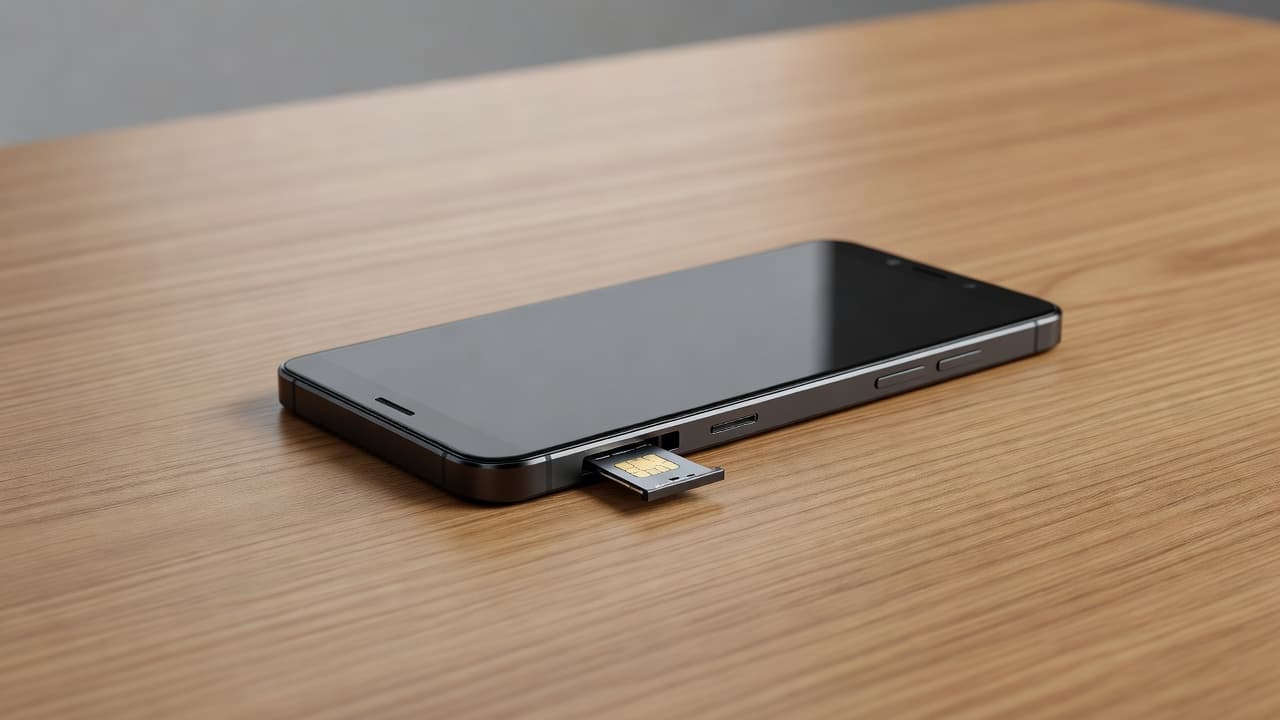
Checks to make before changing your SIM
Start with the listing. Look for “unlocked”, “SIM-free” or “works on any compatible UK network”. If the seller only says “Vodafone phone” or “O2 handset”, ask whether it has been unlocked before you pay.
On an iPhone, open Settings, then General, then About. The Network Provider Lock field should say “No SIM restrictions”. Android menus vary, so the most practical test is often inserting a SIM from a different network.
A network-locked phone may display messages such as “SIM not valid” or “network locked”. Don’t assume a lack of signal proves the phone is locked, though. You may simply be in a poor coverage area, or the SIM may not be active.
We also recommend checking the phone’s IMEI before completing a private purchase. A blocked handset can be technically unlocked but still unusable on UK networks if it has been reported lost or stolen. Our guide to unlocked versus network-locked iPhones explains the settings clues and paperwork that help you spot issues early.
Older 3G-only phones deserve extra caution. UK networks are retiring 3G services, so a handset that relies on it is no longer a sensible long-term purchase. If you need reliable calls, maps, banking apps and messaging, choose a phone with working 4G and compatible calling support.
Our Experience Refurbishing This Model at Used Mobiles 4U
Although network compatibility applies across brands, the checks vary by handset. On the bench, we test mobile signal, calls, texts, Wi-Fi, Bluetooth, charging and SIM recognition before a phone is offered for resale.
One thing we regularly notice with older iPhones is that a phone can appear pristine but have a tired battery or debris packed into its Lightning port. A cable that only charges at one angle needs more investigation. Cleaning may remove lint, but it cannot repair a worn connector.
With iPhone 15 models, we pay extra attention to the USB-C port. USB-C is useful because it matches many newer laptops, tablets and Android phones, so you may carry fewer cables. It does not, however, make the phone more compatible with a mobile network. The port, the SIM status and the radio hardware are separate checks.
Our technicians often see cosmetic marks around frames and camera rings. Small scuffs don’t concern us if the frame is straight, the display sits flush and the phone charges reliably. A bent housing is different. It can put pressure on the screen, affect wireless charging alignment and suggest a harder drop.
When checking refurbished iPhones and Android models, we pay close attention to:
- battery health, charging behaviour and signs of overheating
- Face ID or fingerprint recognition, cameras, microphones, speakers and touch response
- SIM reading, network signal and whether the handset is unlocked
- ports, rear glass and frames for damage that could lead to later faults
We sell tested handsets with at least 85% battery health, secure data wiping, clear grades and an 18-month warranty. A clean back panel has little value if the battery drains before the day is over or the phone cannot hold a reliable signal.
What We Commonly See
Buyers usually choose an iPhone 13 or iPhone 14 when they want a dependable 5G phone without paying for the newest release. Both handle calls, maps, banking, streaming and everyday photos comfortably, while still using Lightning accessories many households already own.
The iPhone 15 is more appealing when USB-C matters. Its brighter display, Dynamic Island and improved main camera are useful upgrades, but USB-C is mostly about convenience. If your laptop, tablet and headphones already use USB-C, sharing one type of cable makes daily charging tidier.
Among cheap refurbished iPhones, the biggest mistake is choosing the lowest price without checking storage, battery health and lock status. A 64GB model can suit light use, but photos, video, downloads and app updates can soon make it feel cramped.
The same applies to refurbished smartphones UK shoppers compare across Android brands. A well-tested Samsung Galaxy or Google Pixel with a UK model number is often a safer buy than an unfamiliar imported flagship. You may save money at first, then lose it through poor network support or no practical warranty route.
Choosing the right option for your network
Choose a recent UK-specification iPhone, Samsung, Pixel or Motorola if you want the least fuss. These handsets are the strongest fit for most SIM-only plans and offer 4G or 5G support, depending on the model.
Choose an older iPhone only if it is unlocked, reads your SIM correctly and supports the services you need. The iPhone 11 remains usable for many people, although an iPhone 12 or newer adds 5G. If you are moving from an iPhone XR, SE or 11, an iPhone 13 is often the more balanced step up.
Choose an imported handset only after checking its exact model number and supported bands. This is particularly important if you live in an area where coverage is already limited, or you rely on your phone for work calls.
If you plan to buy refurbished iPhone stock, compare condition as well as model year. Current refurbished iPhone deals in the UK can vary by storage, colour, grade, battery health and availability. A slightly dearer handset with a clear warranty and strong battery condition often costs less trouble over the next two years.
If your existing phone needs a screen, battery and charging-port repair, compare that total against a tested replacement. A screen-only repair can be sensible on a healthy handset. Once faults start stacking up, replacement usually offers better value.
A sensible buying route
Before you commit, ask the seller to confirm that the phone is unlocked and suitable for your intended UK network. Then check the warranty length, return policy, battery condition and whether the device has been securely wiped.
For used iPhones UK buyers should also confirm that Face ID works, the cameras focus properly and the handset does not show a “SIM not supported” message. Cosmetic grade comes after those essentials.
Our Refurbished iPhone Buying Guide can help if you are deciding between an iPhone 13, 14 or 15. It is often better to buy a slightly newer model with enough storage than chase the cheapest listing.
Final Thoughts
A refurbished phone should work with your UK network when it is unlocked, technically compatible and properly tested. Most UK-specification handsets make this simple, but older and imported phones need more care.
Battery health, IMEI status, network support and frame condition tell you more about value than a few small scratches. A tested SIM-free phone is the safer choice for calls, banking, maps and everyday use.
If you are replacing an ageing handset, Browse Refurbished iPhones and compare the current stock against the repair cost before spending money.
Written by James Waterston, 24 years in the mobile phone industry, now running Used Mobiles 4U. This advice reflects the network, battery and functional checks we make before refurbished phones go back on sale.
Looking for a refurbished phone?
Shop professionally tested refurbished iPhones and Samsung phones with 18 month warranty, 30 day returns and free UK delivery.
Browse Refurbished Phones