


Refurbished vs New iPhone: A UK Buyer’s Guide 2026

25/05/2026

11 Mins
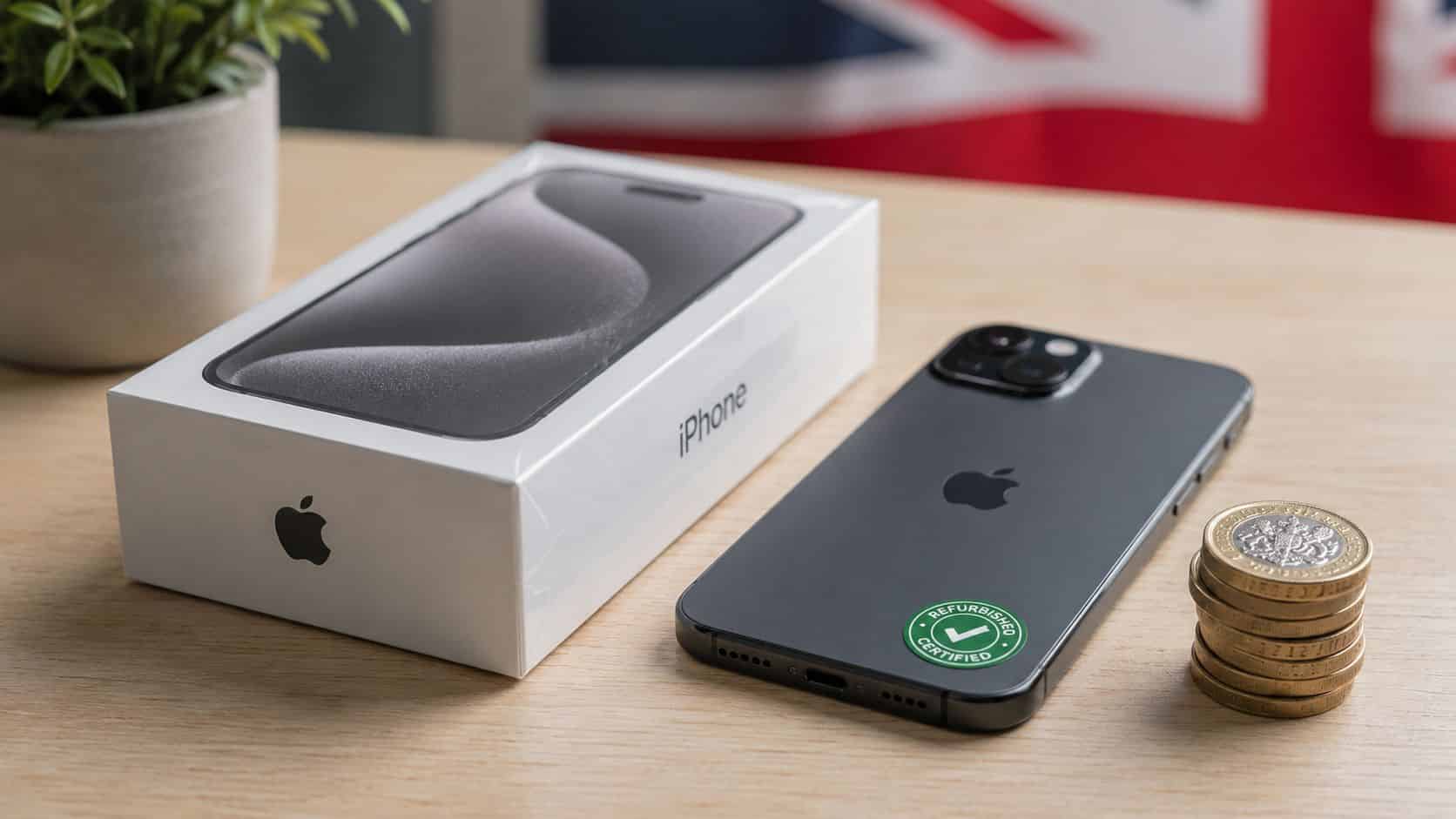
If you’re comparing a refurbished vs new iPhone, the real question isn’t just what you pay today. It’s what you get for the money over the next few years. For most buyers, a properly tested refurbished iPhone is the smarter buy. A new iPhone still makes sense if you want the latest model, untouched condition, and zero compromise on battery or cosmetics.
Refurbished vs New iPhone Which Should You Buy?
If you want the simplest answer, buy new when you must have the newest release, perfect condition, and a battery that starts at 100% health. Buy refurbished when you want the Apple experience without paying flagship money.
That’s why so many buyers now buy refurbished iPhones instead of walking straight to a brand new model. In day-to-day use, a good refurbished iPhone still gives you iOS, strong cameras, familiar Apple build quality, and a premium feel. What usually changes is the cosmetic condition, the battery health, and the warranty setup.
The mistake people make is treating this as a specs comparison. It usually isn’t. It’s a value decision. If the phone is properly tested, unlocked, data-wiped, and sold with clear grading and warranty cover, refurbished is often the better answer for normal use.
Practical rule: Buy the newest iPhone you can comfortably afford in refurbished condition, rather than stretching for a brand new model just to say it’s new.
The Short Version A Quick Comparison
If you want the fast answer, this is what actually matters.
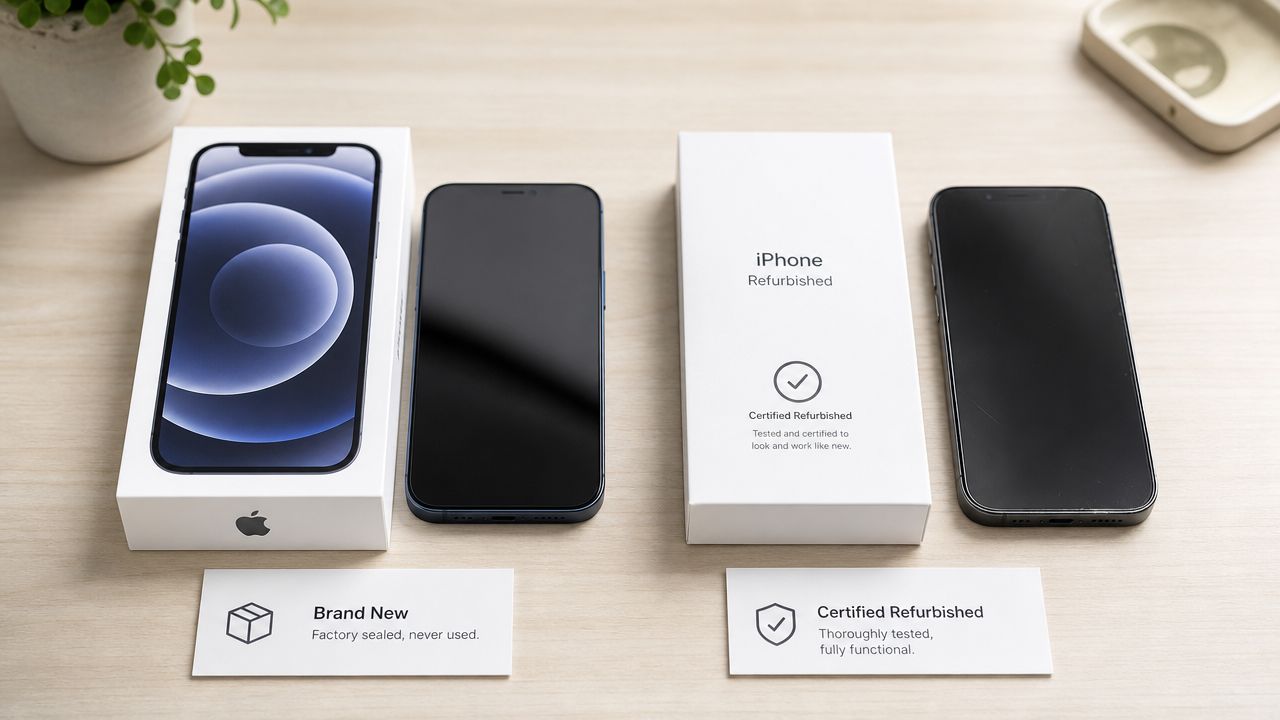
A new iPhone gives you perfection. A refurbished iPhone usually gives you better value.
- Choose new if you want the latest camera changes, the newest connector setup, and untouched cosmetics.
- Choose refurbished if you’d rather put the savings into more storage, a case, cover, or keep the cash in your pocket.
- Be careful with used phones from private sellers. “Used” and “refurbished” are not the same thing.
- Think by model year rather than by label. A slightly older iPhone bought from a proper refurbisher is often a better real-world purchase than a lower-tier brand new handset.
- If you’re still deciding, this roundup of the best refurbished iPhones is a good place to narrow it down.
The Real Cost and Value Over Time
The sticker price is only the start. The better way to compare a refurbished vs new iPhone is to ask what the phone will cost you over the time you actually own it.
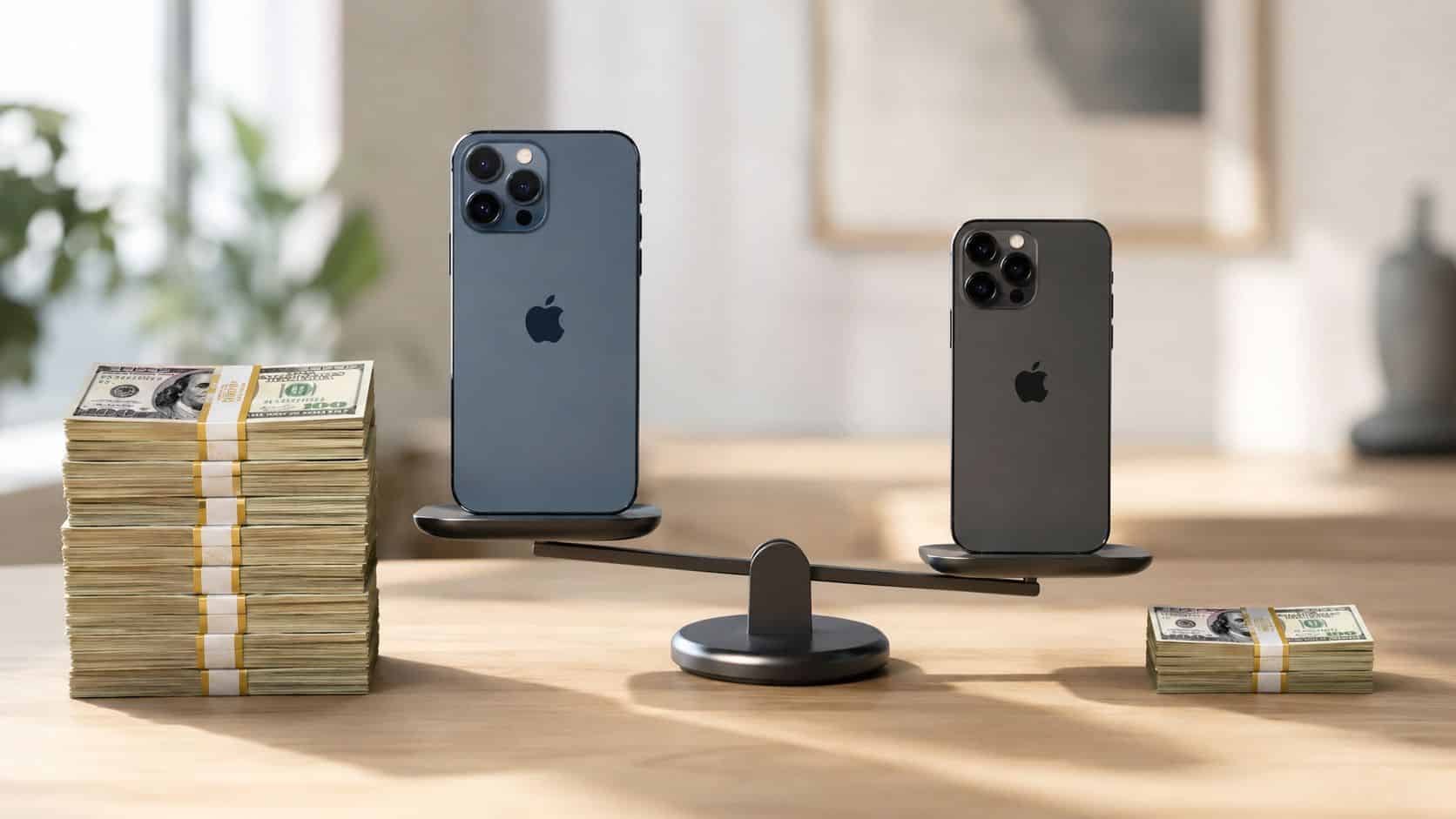
In the UK, the iPhone 15 Pro started at £999 and the iPhone 15 Pro Max started at £1,199 when Apple launched the range in September 2023, which is a big part of why refurbished has become such a practical upgrade path for buyers who still want an iPhone without paying full flagship money. Older refurbished iPhones can come in hundreds of pounds lower while still being tested, cleaned and resold through a certified process, as noted in this UK pricing comparison for refurbished iPhones.
Why the cheaper option can cost less overall
A new iPhone takes its biggest value hit when it stops being sealed retail stock. That’s just the reality of electronics. If you buy new, you’re paying a premium for being first owner, untouched condition, and the latest release cycle.
A refurbished iPhone has already gone through that early drop in value. That changes the ownership equation. If you keep it in good condition, use a case, and don’t ignore battery health, you’re often starting from a more sensible point.
- Lower entry price means you’re risking less money up front.
- Softer depreciation usually makes it easier to resell later without feeling you’ve overpaid at the start.
- Better model positioning can let you buy a higher-tier iPhone generation than you could afford brand new.
What buyers forget to include
This is where a lot of comparisons fall short. They look at checkout price and stop there. Real ownership cost includes battery wear, warranty length, repair exposure, and how long the model still suits your usage.
A common example we see is someone deciding between a brand new base iPhone and a refurbished higher-spec model. On paper the new one looks safer. In practice, the refurbished option often gives them the better camera setup, more storage, or a stronger overall model for less cash.
Worth remembering: the cheapest phone to buy isn’t always the cheapest phone to own, but the most expensive one often isn’t the smartest purchase either.
If you’re shopping by budget first, browsing current cheap iPhone deals UK style can help you compare model age, condition and value more realistically than looking at launch prices alone.
Understanding Condition Warranty and Reliability
A proper refurbished iPhone sits in the middle ground between new and used. That middle ground matters. New is simple. Used is uncertain. Refurbished is only worth buying when the seller is clear about testing, grading, battery condition and warranty cover.
Refurbished is not the same as used
This is the first thing I explain on the shop floor. A used iPhone from a private seller might be fine, or it might have hidden issues with charging, Face ID, battery drain, cameras, or previous repairs. You often won’t know until you’ve handed over the money and lived with it for a few days.
Refurbished should mean the phone has been inspected, cleaned, data-wiped, checked for faults and resold with some level of support. In the UK, refurbished goods sold by businesses must be as described and buyers are protected by the Consumer Rights Act 2015, which gives you legal remedies if the product is faulty or misdescribed. That legal protection is a big reason professionally refurbished iPhones are a safer option than peer-to-peer used sales, as outlined in this guide on brand new vs refurbished iPhone buying in the UK.
What condition grades really mean
Most buyers care more about scratches than they admit. That’s fair enough. You hold the phone all day, so cosmetics matter. But they matter less than battery, screen quality, charging reliability and whether Face ID or Touch ID works properly.
- Like New usually means very light signs of handling, if any.
- Very Good or Excellent often means minor marks you’ll notice in strong light more than in normal use.
- Good usually means the phone is clearly pre-owned but still fully usable and better value.
For many people, the sweet spot is the middle grade. You save more than you would on the top grade, but you don’t usually end up with a phone that feels heavily worn.
Warranty matters more than the box
A new iPhone gives you the reassurance of factory-fresh condition and manufacturer backing. A refurbished iPhone needs to earn that trust in a different way. That’s where a proper warranty, returns policy and clear grading become more important than fancy packaging.
One thing customers often overlook is that warranty cover changes the risk, not just the wording on the listing. If the seller stands behind the device and has checked it properly, the buying experience feels much closer to buying new than buying second-hand from a stranger.
If a seller can’t clearly explain the grade, battery condition and warranty, walk away.
Reliability comes down to process. Phones that are tested, cleaned, unlocked where stated, and sold with UK support are in a different category from random marketplace listings with vague descriptions.
What We Check Before We Sell Any iPhone
A refurbished iPhone should never be sold on looks alone. Cosmetics are the easy bit. The important work is the functional testing behind the scenes.
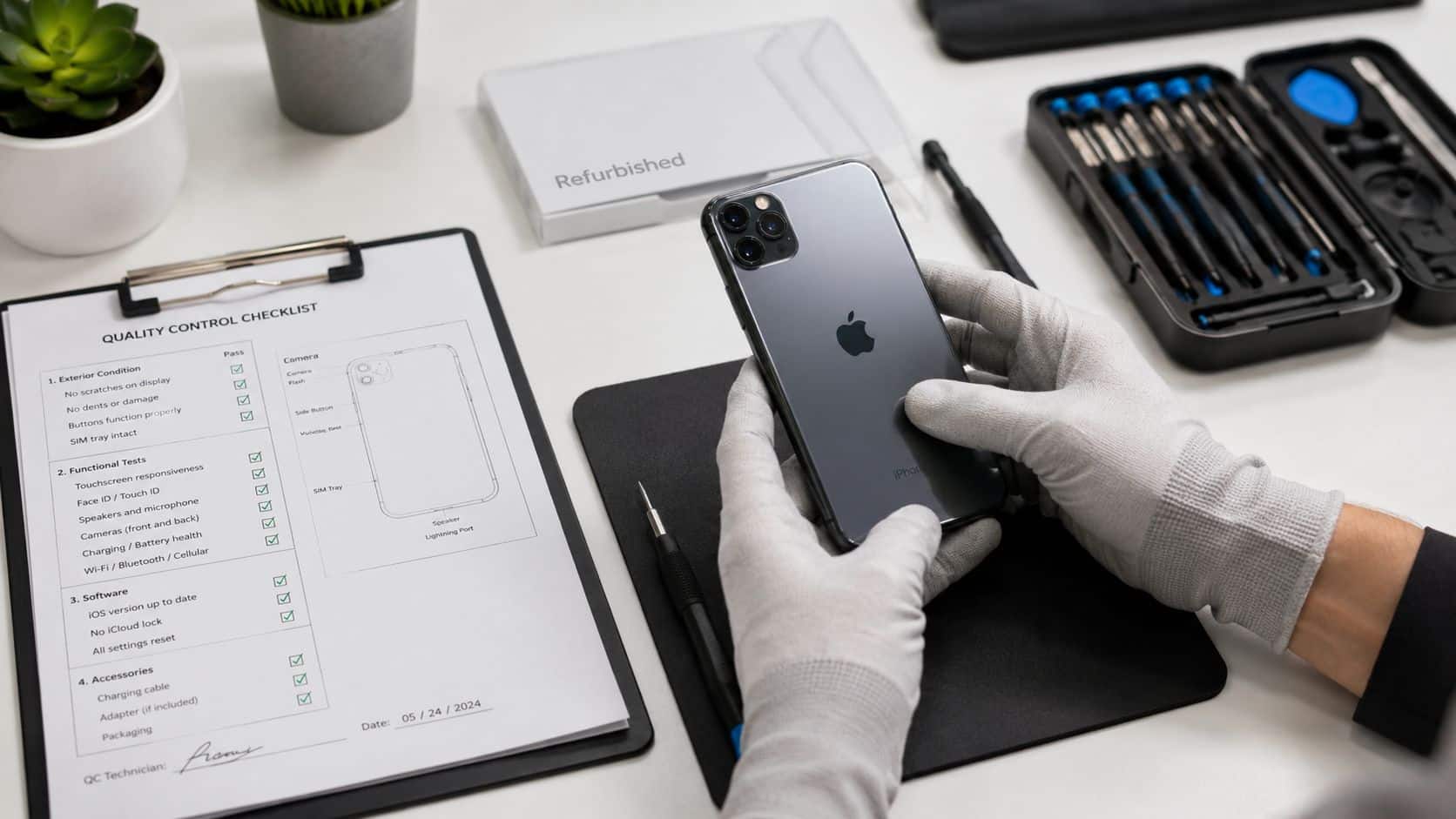
Battery health is the first thing most experienced buyers ask about, and rightly so. Apple says iPhone batteries are designed to retain up to 80% of original capacity at 500 complete charge cycles under normal conditions, which is why battery health tells you more about day-to-day experience than raw chip performance on the same iPhone model, as explained in Apple-related refurbishment guidance gathered in this battery health and refurbished iPhone performance article.
Our Experience Refurbishing This Model at Used Mobiles 4U
One thing we regularly notice is that many iPhones still look good long after the battery has started to become the weak point. Customers will often focus on tiny marks on the frame, when the more important question is whether the phone holds charge properly, charges consistently and stays stable under use.
Our technicians often see the same practical issues across iPhones that have had a hard life. Battery wear is common. So are worn charging ports from years of cable use, dirty speaker meshes that make calls sound weak, and rear glass or frame scuffs that tell you the phone has spent time without a case.
We also see clear differences between grade levels. Heavier-use phones tend to show polishing around the charging port, deeper frame marks, more visible screen wear and sometimes weaker battery health. Better-grade phones usually haven’t had the same rough daily treatment.
What we check before resale
- Battery condition so the phone feels reliable in real daily use, not just on a quick bench test.
- Face ID or Touch ID because biometric faults are a major annoyance once you start using the phone properly.
- Charging and cable fit to catch loose ports or intermittent charging.
- Screen response across the full panel, including dead spots and ghost touch issues.
- Cameras front and rear to spot focus problems, lens damage or image shake issues.
- Speakers and microphones because customers notice poor call quality immediately.
- Network and SIM behaviour so the handset works as expected when set up on UK networks.
In practical terms, a refurbished iPhone with strong battery health will usually feel every bit as quick as a new one of the same model in messaging, browsing, video, maps and general app use. The processor is rarely the part that lets an otherwise good iPhone down first.
So Who Should Choose Refurbished vs New?
The right answer depends less on tech knowledge and more on how you actually use your phone. Most people don’t need the newest iPhone. They need a reliable one with a healthy battery, enough storage, decent cameras and support if something goes wrong.
Many guides miss the total ownership picture. A refurbished iPhone may come with a shorter warranty or a battery that isn’t at full capacity, so it makes sense to weigh the possibility of future battery replacement or out-of-warranty repair over the next few years, as discussed in this Consumer Reports look at refurbished phone ownership costs.
Choose a new iPhone if
- You want the newest model immediately and don’t want to wait for refurbished stock to appear.
- You care about untouched condition more than value and you’ll notice every mark.
- You want a brand new battery from day one and don’t want to think about battery health at all.
- You need the latest hardware changes for work, content creation or personal preference.
Choose a refurbished iPhone if
- You want stronger value and would rather not pay full retail for an iPhone.
- You’re buying for a child or teenager and want something dependable without overspending.
- You prefer SIM-free flexibility rather than being tied too tightly to a contract deal.
- You run a small business and need several handsets without new-device pricing.
- You’re replacing a broken phone quickly and want a sensible step back into Apple without the flagship bill.
A common example we see is a parent replacing an older family iPhone. They don’t need the newest release. They need a phone that works properly, has decent battery health, takes good photos, and won’t feel outdated straight away. That buyer is usually better served by refurbished.
My honest recommendation: if you’re not specifically chasing the newest iPhone features, refurbished is usually the smarter buy.
Your Questions Answered by Used Mobiles 4U
How can I tell if an iPhone is genuinely refurbished?
Don’t rely on the word alone. Ask what testing was done, whether the phone was data-wiped, how battery health is shown, what grade system is used, and what warranty comes with it. Apple model numbers can sometimes indicate whether a device began life as new or refurbished, but the stronger reassurance is always the seller’s process, as explained in this guide on where to buy refurbished iPhones UK.
Is a refurbished iPhone slower than a new one?
Not if you’re comparing the same model and the battery is in good shape. In normal use, battery condition affects the experience far more than anything else. If the battery is healthy and the handset has been checked properly, it should feel as expected for that iPhone generation.
What should I check before buying?
- Battery health. On iPhone, go to Settings > Battery > Battery Health.
- Grade description. Make sure you know whether marks are likely on the screen, frame or back.
- Warranty terms. Check what’s covered and how faults are handled.
- Network status. Confirm whether it’s SIM-free or locked.
- Storage size. Don’t underbuy storage to save a little money now and regret it later.
- Return policy. You want a straightforward route back if the phone isn’t as described.
Is refurbished better than buying privately?
Usually, yes. A private sale can be cheaper, but the risk is higher. You may get no support, no real proof of battery condition, no proper fault testing, and no comeback if Face ID, charging or cameras fail later.
When should I avoid a refurbished iPhone?
Avoid it if the seller is vague about grading, battery health, network status or warranty. Also avoid buying too old just because the price looks tempting. The right refurbished iPhone is one that still suits your daily use, not simply the cheapest one listed.
What if I’m replacing an older phone and want a sensible option?
Look at one or two generations newer than your current handset and prioritise battery health, storage and condition over chasing the newest release. That’s usually where the best balance sits.
If you want one place that covers current buying advice, grading expectations, warranty and practical checks, start by comparing options from retailers that specialise in refurbishment rather than general marketplaces. For example, Used Mobiles 4 U lists refurbished iPhones with grading, warranty and UK support, which is the kind of setup buyers should be looking for.
If you’re weighing up a refurbished vs new iPhone, buy new for the newest features and perfect condition. Buy refurbished if you want the better value decision for normal daily use. Most people don’t need a sealed box. They need a phone that’s been checked properly, holds charge well, and won’t cost more than it should.
Meta description: Refurbished vs new iPhone explained for UK buyers. Compare value, battery health, warranty and real long-term cost before you choose.
Written by James Waterston, 24 years in the mobile phone industry from customer service through to Sales Director of a global repair and recycling company. Now running Used Mobiles 4U for over 8 years.
LinkedIn: James Waterston
If you’re ready to compare a refurbished vs new iPhone properly, browse the current range at Used Mobiles 4 U. You’ll be able to check grades, model options and buying guidance without guessing what “refurbished” is supposed to mean.
Looking for a refurbished phone?
Shop professionally tested refurbished iPhones and Samsung phones with 18 month warranty, 30 day returns and free UK delivery.
Browse Refurbished Phones