


Selling iPhone 8: Your 2026 UK Guide for Top Value

27/04/2026

17 Mins
If you’re selling iPhone 8 in 2026, you’re probably in one of two positions. Either it’s been sitting in a drawer for months and you want a fair return, or you’re still using it and have realised it’s time to move on before it becomes more hassle than it’s worth.
The good news is that an iPhone 8 can still be sold. The key is doing it properly. That means backing up your data first, removing your Apple ID correctly, checking the battery and condition accurately, then choosing a selling route that matches what matters most to you: the highest price, the least effort, or the safest transaction. In the UK, it also helps to price against local marketplaces rather than relying on US-based trade-in pages, because demand, VAT, and regional buying patterns all affect what people will ultimately pay.
A lot of trouble starts with rushed sales. Locked phones, poor listings, missing accessories, and unsafe payment arrangements are the things that usually cause problems. If you avoid those, selling an older iPhone is normally straightforward.
Your Pre-Sale Checklist Preparing an iPhone 8 for a New Owner
A typical problem in the shop is simple. Someone sells an iPhone 8, the buyer gets home, and setup stops at Activation Lock or a missing data issue the seller did not realise they had created. A proper prep routine prevents that and usually helps the phone sell faster because buyers can see it has been handled properly.
Start with the backup while the phone is still fully working. Save everything first, then clear it.
For iCloud, go to Settings > [your name] > iCloud > iCloud Backup > Back Up Now. If you use a Mac or PC, connect the handset and back it up through Finder or iTunes, depending on your setup. If you want a second check before wiping, this guide on how to securely wipe your old iPhone clean covers the process clearly.
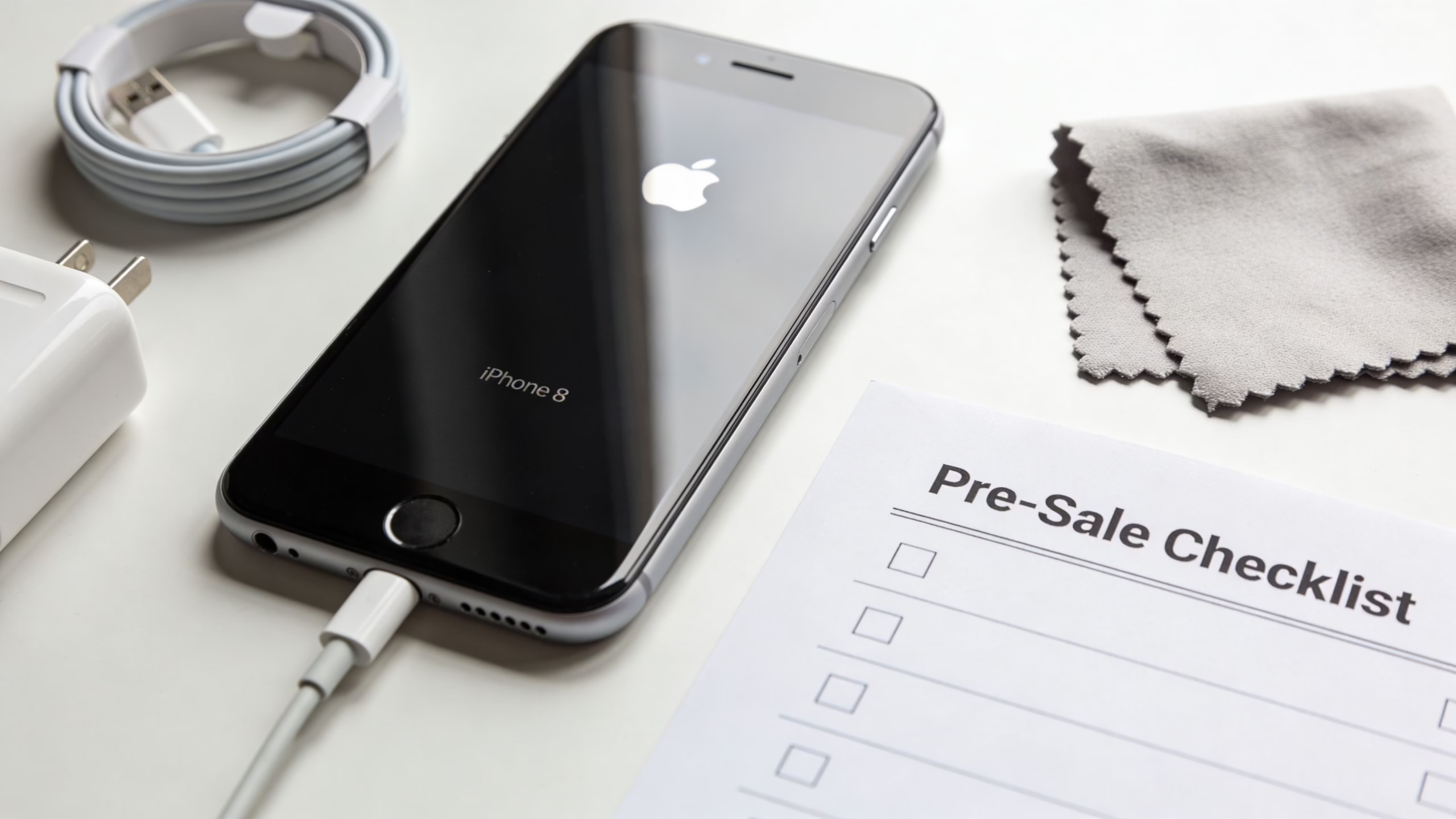
Remove your Apple ID properly
This matters more than cosmetic condition. An iPhone 8 with light wear will still sell. An iPhone 8 tied to the previous owner’s Apple ID often becomes a return, a complaint, or a complete loss of buyer trust.
Use the phone itself for this part:
- Go to Settings > [your name]
- Scroll down and tap Sign Out
- Enter your Apple ID password if prompted
- Confirm sign-out
Then check that Find My is off:
- Go to Settings > [your name] > Find My > Find My iPhone
- Confirm Find My iPhone is disabled
Practical rule: If Find My is still active, the phone is not ready to hand over.
I see this regularly with marketplace purchases across the UK. The handset powers on, looks fine in the listing photos, then the new owner cannot activate it. That one mistake can wipe out any price advantage you gained from a private sale.
Erase the phone and check the basics
Once the backup is finished and Apple ID sign-out is complete, reset the phone through the proper menu:
Settings > General > Transfer or Reset iPhone > Erase All Content and Settings
After the reset, let it restart to the Hello setup screen. Stop there. That is the screen a buyer wants to see because it shows the phone has been cleared and is ready for a new account.
Then inspect the handset properly before you photograph it or describe it.
- Screen glass: check for scratches, cracks, bright spots, or edge lift
- Rear housing: look for dents, heavy scuffing, and wear around the camera
- Buttons and ports: test the home button, power button, volume buttons, mute switch, speakers, and Lightning port
- Cameras: open the camera app and test front and rear cameras for focus and clarity
- Battery health: before wiping, check Settings > Battery > Battery Health & Charging
Battery health makes a noticeable difference on an iPhone 8 because buyers know they are purchasing an older model. In practice, once battery health gets close to the lower end, buyers either negotiate harder or budget for a replacement. In London and the South East, some buyers will still pay a little more for a tidy example with a decent battery. In smaller local markets, condition and battery health tend to matter even more because buyers compare against cheaper nearby listings rather than refurbished retail stock.
If you are selling from a business in the UK, keep a note of the battery health and any repairs carried out. That record helps with stock descriptions, customer queries, and VAT paperwork later if the phone forms part of business inventory.
Make it look cared for
Presentation affects value because buyers use small details to judge how honest the seller has been.
Clean the phone with a microfibre cloth. Use a soft brush around the speaker grilles and charging port. Wipe the edges, camera lens, and the area around the buttons. Dirt packed into openings makes an iPhone look neglected, even when it works perfectly.
Gather any extras you still have:
- Charging cable
- Plug
- Original box
- SIM tool
- Receipt or proof of purchase if available
In the UK, the box does not add a huge amount on an older iPhone 8, but it can help reassure cautious buyers, especially on eBay. A receipt is more useful if you are a business seller because it helps prove stock origin and makes your records cleaner.
Be honest about wear. If there is a deep scratch, dent, or third-party screen, say so plainly. Accurate prep does two jobs at once. It reduces the chance of disputes and helps you hold your asking price because the buyer is not discovering problems later.
Choosing Your Best Selling Route in the UK
Where you sell matters almost as much as the phone itself. Some people want the strongest possible return and don’t mind messages, photos, and negotiating. Others just want the iPhone gone without dealing with strangers or uncertain buyers.
The quickest way to choose is to decide what you care about most: price, speed, or simplicity. If you want a broader comparison, these UK iPhone selling options are worth a look before you commit.
Private marketplaces
Selling privately usually gives you the most control. In the UK, that often means eBay or Facebook Marketplace.
The upside is clear. You set the asking price, choose the wording, and decide whether to post or meet in person. If your iPhone 8 is clean, carrier-free, and well presented, a private sale can attract buyers who prefer a cheaper handset without retailer markup.
The downside is effort. You’ll need to answer messages, deal with low offers, and filter out timewasters. Some buyers also ask technical questions they don’t really understand themselves, which can turn a simple sale into a long conversation.
A good private sale works when the seller is organised. A bad one usually starts with vague photos, no battery health screenshot, and a description that leaves buyers guessing.
Best for: sellers who don’t mind doing the work and are comfortable handling buyer questions.
Instant resale or shop-based trade sale
This route suits people who want the sale done quickly. You hand over the phone, it’s assessed, and you receive an offer based on condition and functionality.
That simplicity is useful if the iPhone 8 is no longer your main mobile and you’d rather not spend days dealing with listings. The trade-off is that convenience usually means a lower payout than a well-run private listing.
It can still be the right choice if the phone has cosmetic wear, a tired battery, or if you just don’t want the hassle of arranging collection or postage yourself.
Best for: speed and certainty.
Online trade-in services
Online trade-in services sit in the middle. You answer questions about the handset, receive a quote, then send the device for inspection.
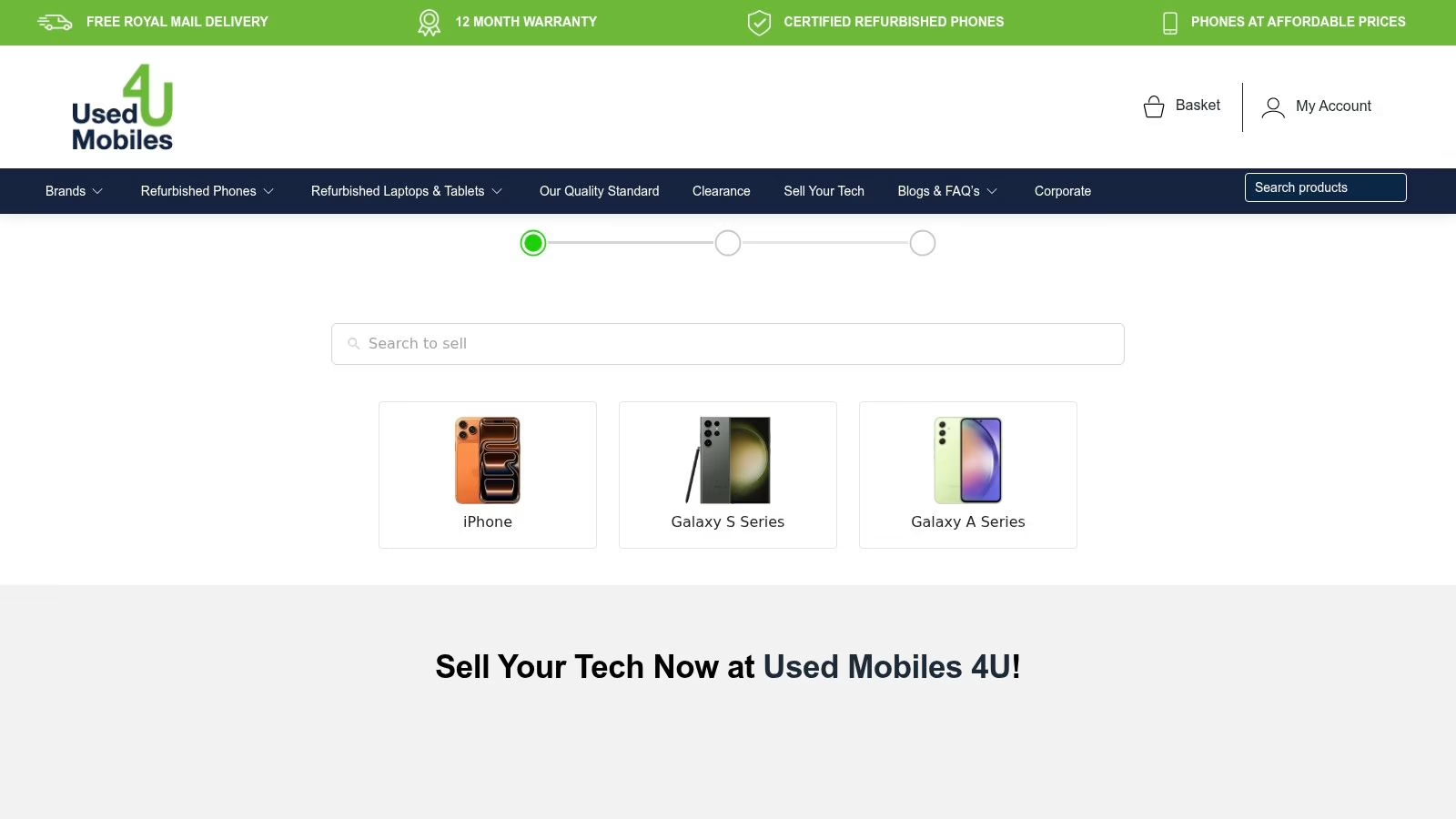
That works well for older iPhones because buyers in this market usually want clear grading and a predictable process. One example is the Sell Your Tech route from Used Mobiles 4 U, where you enter the device details online, receive a quote, and send the phone in for assessment. That won’t suit everyone, but it does suit sellers who want a defined process rather than back-and-forth messages.
A practical point here is honesty. If a phone is described as better than it is, the inspected value may change. Accurate grading at the start makes the whole process smoother.
Best for: sellers who want less effort than a private sale but still want a proper device-based quote.
Business and bulk device disposal
If you’re a sole trader, school, office manager, or small business owner with several handsets, don’t treat it like a personal clear-out. Bulk device sales need a different approach.
A business should think about:
- Device records: IMEI, model, storage, and condition
- Data handling: who signed the device out and when it was wiped
- Payment trail: keep invoices or remittance records
- VAT position: especially if the devices were business assets
For one or two phones, none of this feels heavy. For ten or twenty, it matters. Businesses usually benefit from dealing with a buyer who understands stock grading and documentation rather than trying to shift each mobile one by one on consumer marketplaces.
How to Set a Competitive Price for Selling an iPhone 8
A common mistake in the UK market is pricing an iPhone 8 from memory. Someone remembers paying several hundred pounds for it, sees a few optimistic listings online, and sets the asking price too high. Two weeks later, the phone is still unsold, the listing looks stale, and buyers start offering less than the handset would have achieved with a sensible price on day one.
The iPhone 8 launched in 2017, so buyers now treat it as an older budget iPhone. Price needs to reflect what the phone is today. Storage, battery health, network status, and visible wear all matter more than the original retail price.
Start with current UK sold prices
Use UK comparables, not US trade-in guides. A number taken from an American site often creates the wrong expectation because UK resale values, buyer habits, and local platform fees differ.
Check completed or recently sold listings on UK platforms such as eBay, then compare those figures with local asking prices on Facebook Marketplace or Gumtree. That gives you two useful benchmarks. One shows what buyers have paid, the other shows what sellers are still trying to get. If you want a second reference point before setting the figure, this guide on how much is my phone worth UK is a practical way to sense-check your starting range.
Match the comparison properly:
- same storage size
- same network status
- similar battery health
- similar cosmetic condition
- same accessories, if any
A clean, carrier-free 256GB handset with its box should not be priced against a worn 64GB phone restricted to one network.
Adjust for the details buyers actually pay for
Storage usually moves the price first. Then condition decides whether the phone will sell at that figure.
In day-to-day resale work, I see sellers overvalue minor extras and undervalue obvious faults. The original box can help. A charging cable can help. A scratched screen, weak battery, or non-genuine repair affects value more because it changes how confident the buyer feels about the phone.
Here is a practical way to look at it:
If the battery health is poor, price that in early. Many buyers know they may need a battery replacement soon, and they will negotiate on that point straight away.
Price for your part of the UK
Where you sell can change how ambitious you can be.
In London, Birmingham, Manchester, Leeds, and other dense urban areas, there are more active buyers at any given time. Local collection also feels easier to many people, so a tidy iPhone 8 can sometimes support a firmer asking price there than it can in a smaller town. In rural areas, sellers often do better by pricing a little more realistically from the start rather than waiting for the perfect buyer.
That does not mean adding money just because you live in the South East. It means checking local supply. If ten similar iPhone 8s are already listed nearby, buyers have options and your price needs to compete.
Photos affect this more than many sellers expect. Clear images can make a mid-range listing look trustworthy enough to hold its price, while poor images can drag a fair listing down. If you want cleaner listing images without making them look misleading, PhotoMaxi AI product photography covers useful basics.
Set the price for the condition you have, the area you are selling in, and the type of buyer you want to attract.
Leave room for the selling route and business costs
Private sale pricing and business sale pricing are not the same thing.
A private seller on Facebook Marketplace may aim a little higher because there is usually room for negotiation. A trade-in or mail-in buyer will usually offer less, but the sale is quicker and more predictable. That is the trade-off.
For UK businesses, the maths needs more care. If the handset is being sold through a VAT-registered business, VAT treatment can affect the final margin and how the price is presented to the buyer. It is better to work that out before listing than to discover afterwards that the sale looked profitable only because the tax position was ignored.
Creating an Effective Listing That Builds Trust
A strong listing does one thing really well. It answers the buyer’s next question before they need to send it.
Most weak listings fail because they’re too vague. “iPhone 8 good condition” tells a buyer almost nothing. A better listing shows the exact model, storage, network status, battery health, and visible wear in plain language.
What buyers want to know straight away
Start with a clear title. Keep it factual.
A simple format works well:
Apple iPhone 8 64GB Space Grey SIM-free Good Condition
That gives the buyer the essentials in one line. If the phone is locked to a network, say so. If the battery has been replaced, say that too. Clarity saves time for both sides.
Your description should cover:
- Model and storage: iPhone 8, 64GB or 256GB
- Colour: useful for search and buyer preference
- Network status: SIM-free or locked
- Battery health: as shown in settings before reset
- Condition: mention scratches, dents, replaced parts, or marks
- What’s included: box, cable, plug, paperwork, case
- Reset status: erased and ready for new owner
A simple description template
You don’t need sales language. You need accuracy.
Apple iPhone 8 in good working order. Fully reset and ready for setup. [Storage] model in [colour]. [Unlocked / locked to network]. Battery health was [state actual percentage if known] before reset. Screen has [light scratches / no cracks / visible wear], frame has [minor marks / dent on one corner]. Includes [box / cable / charger] if shown in photos. Honest used condition.
A customer once told us they chose a refurbished handset from us because the photos clearly showed the minor marks on the frame. That’s exactly the reaction you want. People are usually comfortable with wear on an older phone. What puts them off is feeling that the seller is hiding it.
Photos do most of the trust-building
Take the phone out of any case. Use daylight if you can, and keep the background plain.
Photograph:
- the front screen switched on
- the back
- both sides
- the top and bottom edges
- the charging port area
- close-ups of any scratches or dents
- accessories included in the sale
If you struggle to get clean, consistent images, a guide like PhotoMaxi AI product photography is useful for improving the presentation without making the phone look misleadingly perfect.
Don’t crop out the flaw. Photograph it clearly, then mention it in the description.
Small details that reduce disputes
Before publishing the listing, check these points:
- Match the photos to the description: don’t mention “excellent condition” if the corners are chipped
- State postage terms clearly: tracked only, or collection only
- Avoid overpromising: if you haven’t tested a feature recently, don’t claim it’s flawless
- Keep screenshots if needed: battery health and storage proofs can help before reset
A buyer who feels informed is much less likely to argue after the sale.
Completing the Sale Securely From Payment to Postage
A typical problem in the UK goes like this. You agree a fair price with a buyer in Birmingham, they ask for posting to Glasgow, then they start pushing for quick dispatch before the payment has properly cleared. That is where sellers lose money, not on the listing, but in the final hour when they rush.
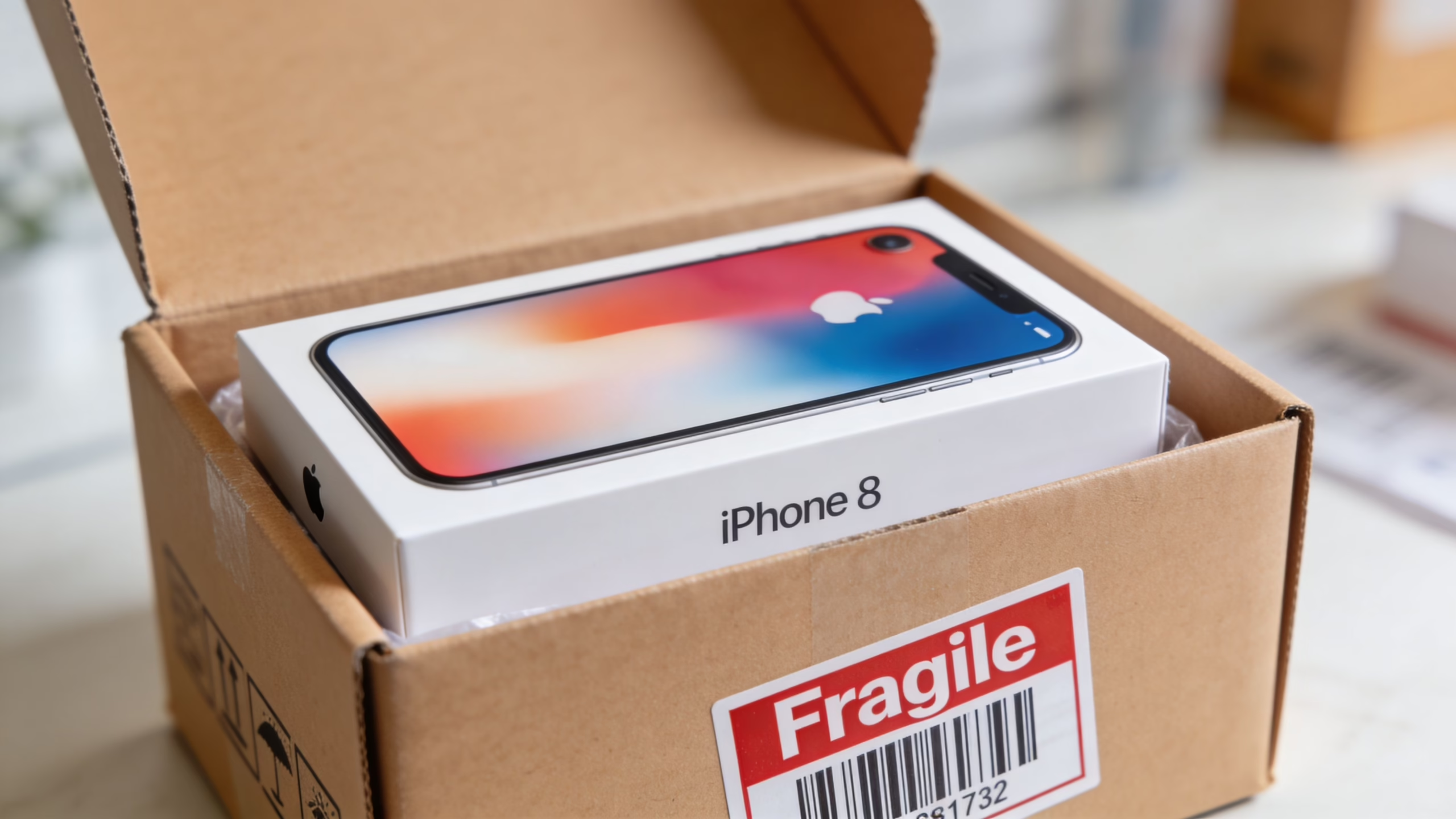
The safest sale is usually the one with the clearest paper trail. Keep the messages where the sale started, confirm the exact handset being sold, and do not post until the funds are visible in your account or properly marked as received by the platform. A screenshot, forwarded email, or “pending” message is not payment.
Warning signs that should slow the sale down
I see the same patterns repeatedly with second-hand phone sales. The buyer agrees too quickly, wants to move off eBay or Facebook Marketplace at once, changes the delivery address after payment, or says a friend or courier will collect on their behalf.
One of the oldest tricks is overpayment. The buyer “accidentally” sends too much, then asks for the difference back by bank transfer. Another is fake proof of payment. If the money is not cleared, the iPhone stays with you.
For collection sales, meet in a public place in daylight and confirm the transfer while you are both there. For posted sales, keep everything on-platform where possible. That gives you message records, timestamps, and item details if a dispute starts later.
Payment methods that work best in practice
For a private face-to-face sale, cash is still usable if you are confident checking it and meeting somewhere sensible. Bank transfer is cleaner for many sellers, but only hand over the phone once the funds show as received in your banking app, not when the buyer says they have sent it.
For marketplace sales, use the platform’s payment process unless you have a good reason not to. Seller protections are never perfect, but they are usually better than trying to sort out an off-platform dispute yourself. If you also sell other items online, fee structures on larger marketplaces can affect how much margin you keep, and Seller Central referral fee data is a useful reference point when comparing selling channels.
Use these rules every time:
- Post only after cleared payment
- Send only to the confirmed address on the order
- Keep all buyer messages until the sale is fully finished
- Never share Apple ID passwords, passcodes, or account access
- Cancel the sale if the buyer keeps changing the terms
A genuine buyer may ask questions. A risky buyer usually creates pressure.
Pack for UK couriers, not for a shelf
An iPhone 8 does not need fancy packaging, but it does need proper protection. Royal Mail and courier networks involve sorting cages, conveyor drops, stacked parcels, and wet weather during collection and delivery. Thin bubble wrap in an oversized box is how screens get cracked and corners get dented.
Wrap the handset well, stop it moving inside any inner box, then place that inside a stronger outer carton with enough padding to prevent shifting. Seal the parcel properly and choose a tracked service that matches the value of the phone. If you want a practical checklist, how to ship your tech safely covers the packing steps clearly.
Collection can still be the better option in some parts of the UK, especially if local demand is strong and you want to avoid postage risk altogether. In London, Manchester, or Leeds, collection sales can move faster than they do in quieter areas, but they need tighter payment discipline.
Keep proof before and after dispatch
Take final photos of the iPhone switched on, then of the packed parcel and shipping label. Keep the receipt, the tracking number, and the buyer’s confirmed address details.
If the parcel is delayed or the buyer claims the wrong item arrived, those records matter. They are often the difference between closing the issue quickly and losing both the phone and the payment.
For Businesses and Bulk Sellers UK Tax and VAT Considerations
If you’re selling one old personal iPhone, tax probably isn’t the first thing on your mind. If you’re a business, a sole trader, or disposing of several handsets, it should be.
This part is often skipped in selling guides, but it matters because old mobiles aren’t just clutter on a shelf. In business terms, they may be assets leaving your books, part-exchange values entering your records, or stock transactions with VAT consequences.
Why businesses need to treat phone sales properly
The practical point is simple. A mobile sale isn’t only about what money comes in. It’s also about how that money is recorded.
For UK businesses selling iPhones, tax obligations are a critical but often overlooked aspect. The process involves more than the cash transaction. Businesses need to consider how to report the sale of assets, VAT implications on refurbished goods, and whether income from trade-in programmes like Sell Your Tech is taxable.
That means you should be asking:
- was the iPhone a business asset?
- was VAT originally reclaimed on purchase?
- is the sale being treated as disposal of equipment or sale of stock?
- how should a trade-in allowance appear in the accounts?
Keep records before you need them
Waiting until year-end usually creates confusion. A better habit is to keep the paperwork together when the device is sold.
For each handset or batch, keep:
- Device list: model, storage, IMEI, condition
- Sale paperwork: invoice, quote, remittance, or trade-in confirmation
- Internal sign-off: who approved disposal
- Data-wipe record: especially important for company devices
Businesses rarely get into trouble because they sold one old iPhone. Problems start when nobody can show what was sold, when, and how it was treated in the accounts.
Check marketplace fees as well as tax treatment
If you’re selling stock or used devices through online marketplaces, don’t focus only on the sale price. Platform deductions affect your real return and need to be accounted for properly. A reference point like Seller Central referral fee data can be useful when you’re comparing channels and working out whether a marketplace sale still makes financial sense after fees.
This isn’t formal tax advice, and it shouldn’t replace your accountant. But it is a reminder to treat device disposal like part of running the business, not like an afterthought.
Final Thoughts on Selling Your iPhone 8
Selling iphone 8 still makes sense if the phone is clean, correctly reset, and priced with the UK market in mind. Most of the value is protected by doing the basics well. Back up first, remove your Apple ID properly, describe the condition accurately, and don’t cut corners on payment or postage.
If you want to chase the highest possible return, a private sale can work. If you’d rather avoid the back-and-forth, a trade-in or resale service may be the easier route.
The important part is keeping the process safe and realistic. An older iPhone can still be useful to someone else, and a careful sale is much better than leaving it forgotten in a drawer.
Author Bio
Written by James Waterston, 24 years in the mobile phone industry from customer service through to Sales Director of a global repair and recycling company. Now running Used Mobiles 4 U for over 8 years.
LinkedIn: James Waterston on LinkedIn
If you’d rather skip the hassle of listing, messages, and postage decisions, Used Mobiles 4 U offers a straightforward way to trade in old tech or get advice on choosing a quality refurbished replacement.
Looking for a refurbished phone?
Shop professionally tested refurbished iPhones and Samsung phones with 18 month warranty, 30 day returns and free UK delivery.
Browse Refurbished Phones