


A Smartphone Samsung Note 8 in 2026? Our Expert Advice

09/07/2026

10 Mins

The Samsung Note 8 is only worth considering in 2026 if you specifically need the S Pen and you’re buying on a very tight budget. It launched in the UK on September 15, 2017 for £869, and while it was a premium phone then, most people are better off with a newer budget Samsung that will last longer and give fewer headaches.
That’s the gap most buyers miss. They look at the Note name, the big screen and the stylus, then assume it’s still a clever bargain. Sometimes it is. Usually it isn’t.
Is the Samsung Note 8 Still Worth It in 2026
For most buyers, no. For a narrow group of users, yes. If your main reason for buying a phone is handwritten notes, document markup or using an S Pen-style feature every day, the Samsung Note 8 can still make sense as a refurbished stopgap.
If you just want a cheap Android phone, it’s the wrong place to put your money. Age matters more than old flagship status. A phone can feel premium in the hand and still be a poor long-term buy if the battery is tired, the software is old and parts are showing their age.
Before You Buy
- Worth considering if: You absolutely need the S Pen and want an older Note for light everyday use.
- Hard to recommend if: You want strong battery life, long future use or modern app support.
- Still appealing for: The large display, note-taking and the feel of a once-flagship Samsung.
- Main risk: You’re buying a phone from 2017, so condition matters far more than the spec sheet.
- Better route for most people: Look at newer options in these top refurbished Samsung phones.
Practical rule: Only buy a Note 8 in 2026 if the stylus is the reason. If the stylus isn’t essential, buy newer.
We say that because the smartphone Samsung Note 8 sits in a tricky spot. It still has a proper Note identity, which some buyers love, but it no longer gives the easy all-round value people expect from an older flagship.
That doesn’t make it bad. It makes it niche. If your expectations are realistic, it can still do a job. If you expect modern-day reliability from a seven-year-plus-old handset, you’ll probably be disappointed.
What the Note 8 Specs Mean for You Today
The Note 8 was announced in 2017 and has a 6.3-inch Super AMOLED Infinity Display with 1440p resolution and 521 PPI. In plain terms, the screen is still sharp enough to look good for YouTube, reading, maps and general daily use.
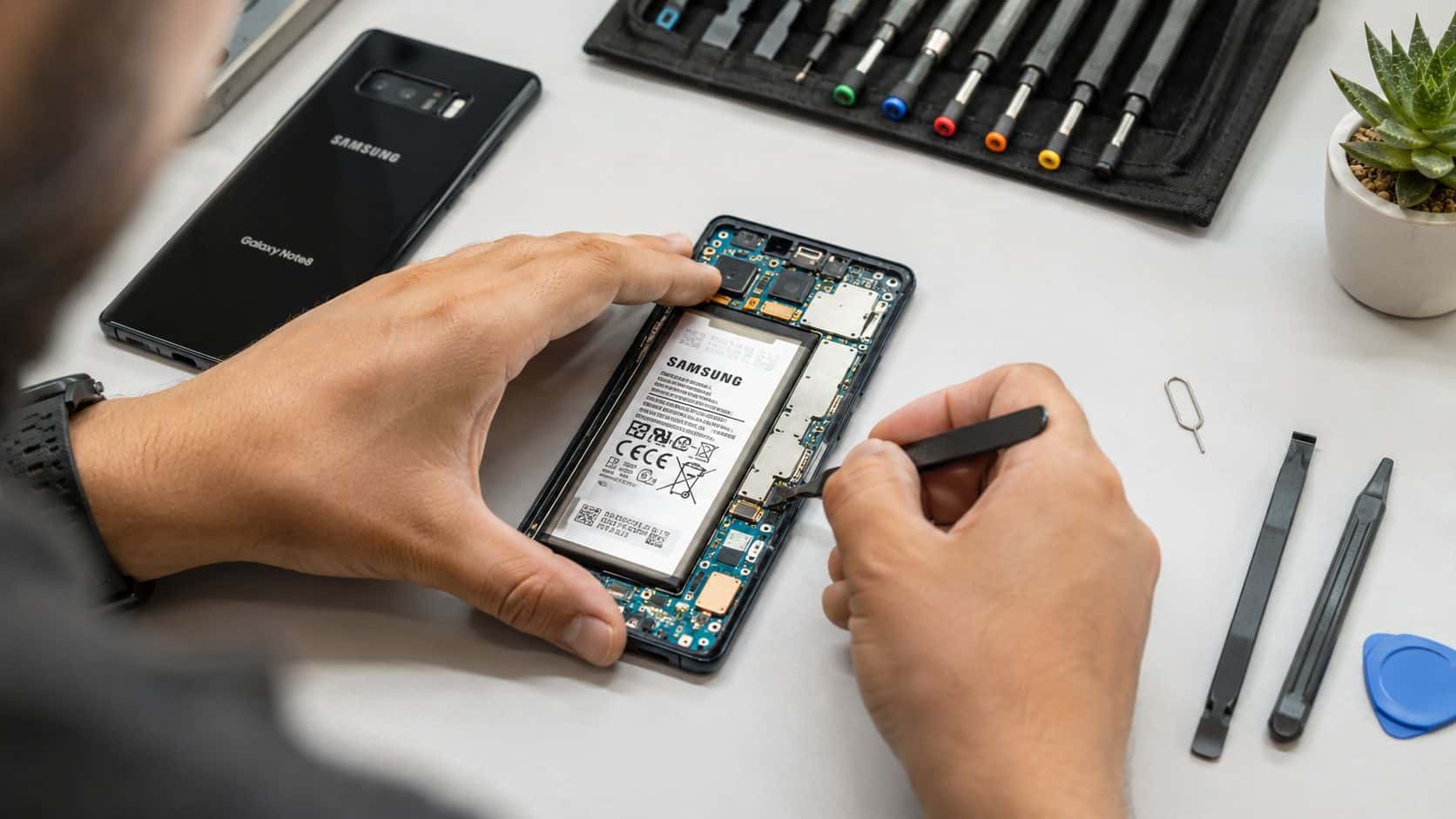
What matters more in 2026 is panel age. A good Note 8 screen still looks excellent. A tired one can show burn-in, uneven brightness or pinkish tones. That’s why condition beats paper specs with this model.
Screen, camera and storage in real use
The camera was a big deal at launch. The Note 8 was Samsung’s first phone with a dual-camera system, using two 12MP sensors, one wide-angle lens at f/1.7 and 26mm, and one telephoto lens at f/2.4 and 52mm. Both had optical image stabilisation, and that setup enabled 2x optical zoom and better depth handling for portrait shots, as detailed in the Galaxy Note 8 specs listing.
In real life now, that means the camera can still take respectable photos in decent light. It won’t keep up with a newer mid-range Samsung for processing, night shots or speed. If you mainly snap documents, daylight photos and the occasional portrait, it’s serviceable. If camera quality matters a lot, move on.
Storage is one of the few areas where the Note 8 still makes practical sense. It has 64GB of internal storage with up to 46.7GB usable out of the box, plus microSD expansion. That microSD slot is genuinely helpful if you keep lots of photos, offline music or downloaded files and don’t want to pay more for a higher storage model.
What doesn’t age well
Battery life is the obvious weak point. Every original Note 8 battery is well past the point where we’d call it fresh, so your day-to-day experience depends heavily on whether the battery has been replaced and how well the phone has been tested. If you’re comparing listings, this matters as much as cosmetic grade. It’s worth reading up on understanding Samsung phone battery health before buying any older Samsung.
A tidy phone with a worn battery often feels worse to use than a scruffier one with a healthy replacement battery.
The bigger issue is software age. The Note 8 is an old Android device now, and that affects security, app compatibility and how comfortable we’d feel using it for banking, work accounts and anything sensitive. It’s fine for a very specific buyer who accepts those limits. It isn’t a sensible default recommendation for everyone else.
You’re also buying into older connectivity expectations. For some people that won’t matter. For others, especially anyone wanting a phone to keep for years, it’s another reason to go newer.
Our Experience Refurbishing This Model at Used Mobiles 4U
There’s a reason the Note 8 needs a more careful buy than many later Samsung models. Despite its 2017 launch, there’s still a lack of UK-specific data on long-term longevity for refurbished Note 8 units in 2026, especially around battery degradation and S Pen failure rates after more than seven years. That’s where workshop experience matters more than broad market chatter.
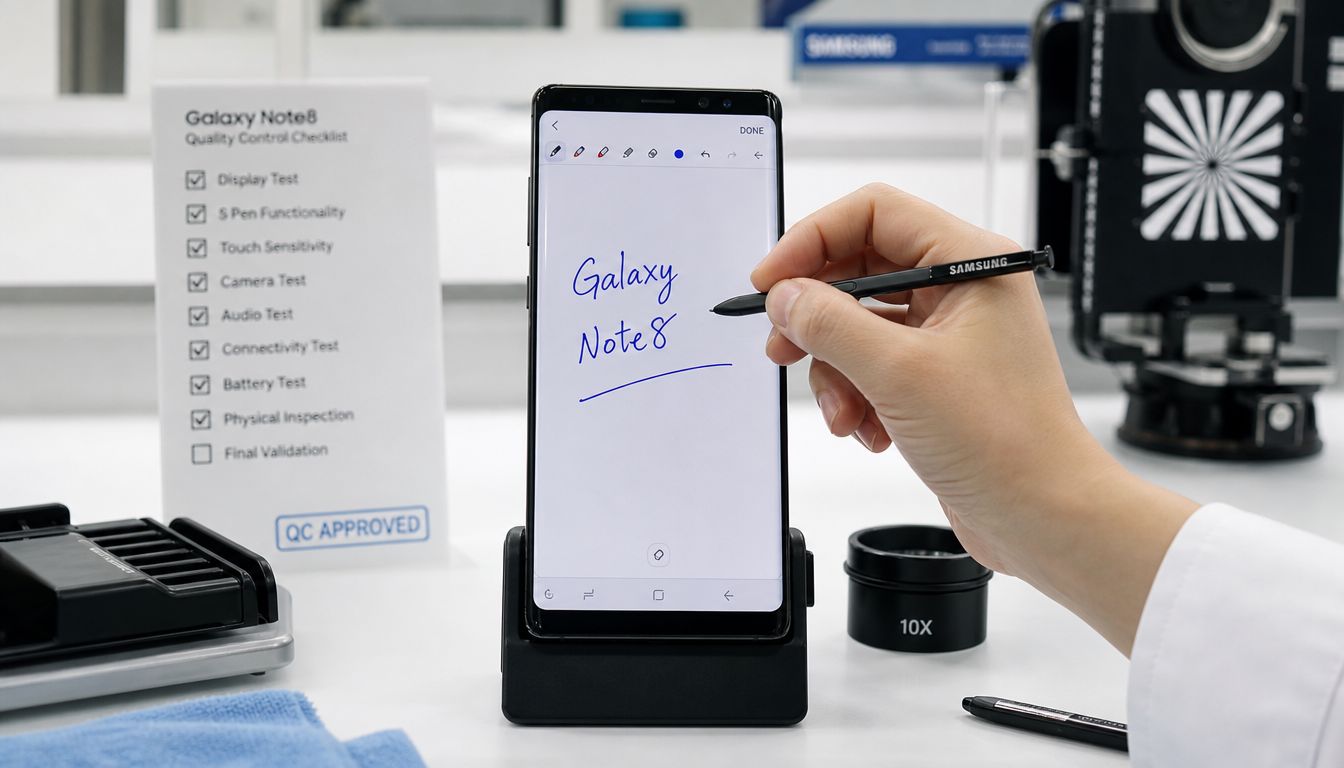
One thing we regularly notice is that two Note 8s that look similar externally can behave very differently once they’re on the bench. One will feel stable and still present well. Another will have hidden battery drop-off, screen shadowing or an S Pen that’s physically present but not fully right in use.
What our technicians often see
Battery wear is still the first issue we think about. With a phone this old, original batteries simply aren’t where you want them. Even if the handset powers on and seems fine for a quick inspection, older cells can drain quickly, dip under load or run hot when charging.
AMOLED burn-in is another regular problem. It’s often most visible on pale backgrounds, and status bar ghosting is common on older Samsung panels. Some buyers don’t mind minor burn-in if they’re paying less. Others notice it immediately and hate it.
Our technicians often see wear around the USB-C charging area too. That can mean a loose-feeling cable fit, inconsistent charging or debris packed into the port from years of pocket use. On a model of this age, that’s not unusual. It just needs checking properly.
Where the S Pen helps and where it causes trouble
The S Pen is the whole reason many people still look at the Note 8. When it works properly, it’s still useful for quick notes, signatures and precise tapping. But it’s also one of the reasons we inspect this model more carefully.
We look for missing pens, damaged nibs, fit issues in the silo and any signs that writing input is inconsistent across parts of the screen. A Note 8 without a properly working S Pen loses a big part of its reason to exist.
Bench note: A cheap Note 8 can stop being cheap very quickly if the battery, charging port and pen all need attention.
Grade differences on this model are more than cosmetic
With some newer phones, the gap between grades is mostly about scratches and frame wear. On the Note 8, heavy-use signs often tell you more. Deep frame knocks can hint at prior drops. Screen wear can suggest long, hard use. A cleaner example usually has a better chance of having been looked after overall, though it’s never a guarantee.
That’s why our technicians check function before appearance. We test charging, screen condition, cameras, buttons, speakers, stylus response and general stability. The older the model, the less useful a simple visual check becomes. A proper Refurbishment and Testing Process matters much more on a Note 8 than on many newer phones.
Repair versus replace logic is fairly straightforward with this one. If someone already owns a tidy Note 8 and mainly values the S Pen, a sensible repair can still be worth doing. If they’re shopping from scratch and just want a cheap phone, we’d usually point them to something newer.
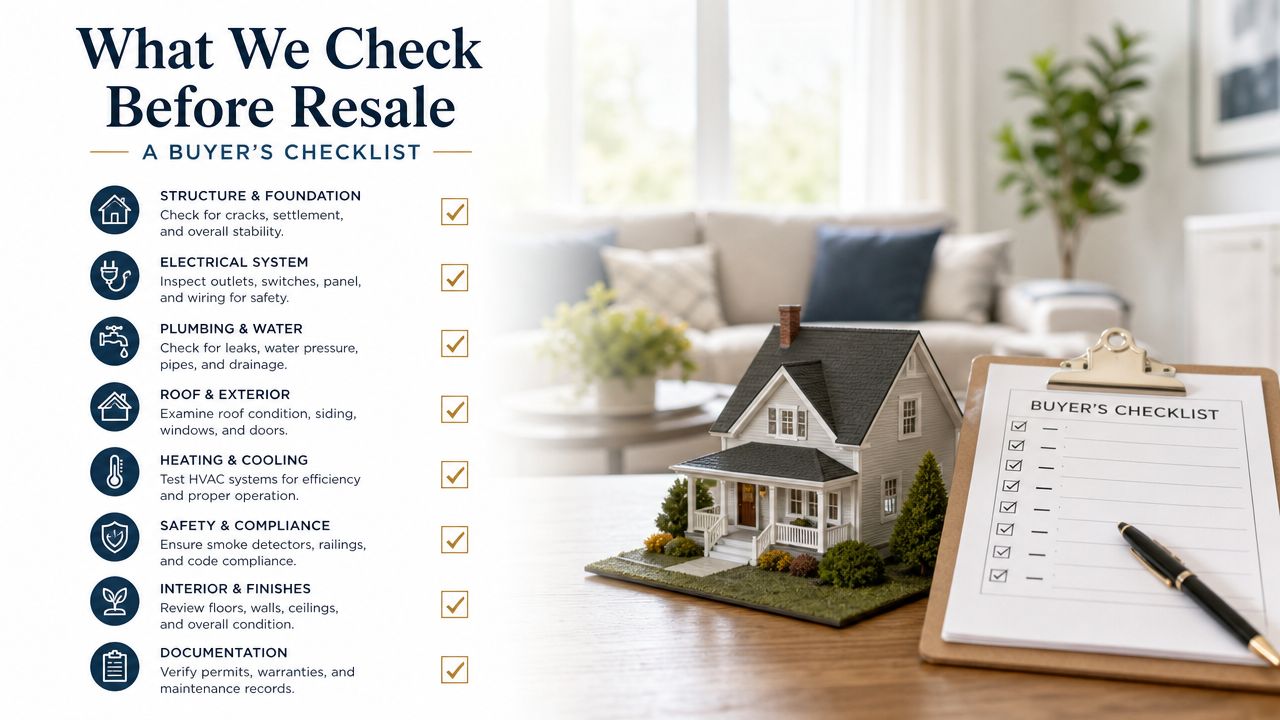
What We Check Before Resale A Buyer’s Checklist
If you’re buying privately, inspect the phone properly. If you’re buying from a retailer, these are the checks that should already have been done for you. On an older Note handset, skipping the basics is how people end up with a phone that looked fine in photos but disappoints in the first week.
What we commonly see buyers miss
- Screen burn-in: Open a plain grey image or screen and look for keyboard shadow, status bar marks or patchy tinting.
- S Pen function: Don’t just check that the pen is included. Write across the whole screen and make sure there are no dead areas or strange gaps in input.
- Charging fit: Plug a cable in and gently move it. If the connection feels loose or cuts in and out, that’s a warning sign.
- Storage reality: The Note 8 has 64GB storage with up to 46.7GB usable and microSD expansion, so check whether that’s enough for your apps and photos before you buy.
- Network freedom: Make sure it’s SIM-free or unlocked if you want to use any UK network without hassle.
How to inspect a used Note 8 from a listing
- Start with the photos. Look for clear images of the display on, the frame corners, charging port and the S Pen itself.
- Check the screen closely. Ask for a light background photo, not just a dark wallpaper shot that hides burn-in.
- Ask about battery condition. On an older Samsung, this matters more than cosmetic shine.
- Confirm the phone is erased and ready to set up. You don’t want lock issues after purchase.
- Check what support is included. Warranty and returns are far more valuable on an older handset than on a nearly new one.
- Review the listing photography critically. Good sellers usually show honest condition clearly. If you sell devices yourself, these DIYAuctions product photography techniques are a useful benchmark for the kind of lighting and detail that makes faults easier to spot.
If a seller avoids showing the screen on a light background, assume there’s a reason.
For this model especially, clear grading and a proper warranty matter. A Note 8 can still be useful, but only if somebody has checked the things that tend to fail with age.
Does a Refurbished Note 8 Make Financial Sense
A common example we see is someone wanting a cheap phone for work notes, email and occasional document marking. They remember the Note range fondly, they like the idea of the stylus, and they don’t want to spend much. That’s the strongest case for the Note 8.
The weak case is someone trying to maximise value over the next couple of years. In that situation, an older Note often looks clever at first and then turns into a compromise-heavy buy. The problem isn’t that the Note 8 was poor. It’s that time has moved on.
Back in 2017, the Note 8 was praised as the best business phone for features such as App Pairs and Knox Secure Folder. In 2026, the bigger question is whether those legacy features still feel dependable and secure enough on unsupported software, which changes the value equation for many buyers, as discussed in this early business-focused review of the Note 8.
Choose between value now and fewer problems later
Choose Samsung Note 8 if:
• You absolutely need the S Pen.
• Your budget is very tight.
• You understand you’re buying a niche older device, not a future-proof daily phone.
• You can accept older software and the risks that come with it.
Choose a newer Samsung instead if:
• You want better everyday speed.
• Battery life matters more than stylus input.
• You want a phone that should age more gracefully.
• You’d rather have a simpler, safer recommendation for general use.
That’s why we’d point most readers towards a newer Galaxy S or A series model rather than an old Note. A slightly newer phone usually makes better long-term sense even if the upfront saving on the Note 8 looks tempting. If you’re weighing up those options, our guide to refurbished Samsung under £200 is a better place to start.
Our Final Verdict on the Smartphone Samsung Note 8
The smartphone Samsung Note 8 still has one thing many modern budget phones don’t. It feels like a proper Note. That matters if you love the S Pen and genuinely use it. It also helps that it was an important model, Samsung’s first dual-camera Note with two 12MP sensors, optical image stabilisation on both lenses and 2x optical zoom, launched in the UK on September 15, 2017 for £869, as outlined in the official spec coverage for the Galaxy Note 8.
But history and current value aren’t the same thing. In 2026, this is a selective purchase. It suits someone on a strict budget who wants the S Pen experience badly enough to accept the trade-offs. It doesn’t suit buyers who want stronger performance, better battery life, newer software support or a phone to keep without worry.
If you already own one and it’s in decent condition, a sensible repair may still be worth it. If you’re buying fresh, newer budget Samsung phones are usually the smarter recommendation.
Bottom line: Buy the Note 8 for the pen, not for the badge. If the pen isn’t essential, skip it.
That’s the honest verdict. It can still fit a narrow use case well. For everybody else, there are better refurbished choices that will feel less compromised from day one.
Meta description: Smartphone Samsung Note 8 in 2026: honest UK refurbisher advice on battery life, S Pen value, common faults, and whether it’s still worth buying.
Written by James Waterston, 24 years in the mobile phone industry from customer service through to Sales Director of a global repair and recycling company. Now running Used Mobiles 4U for over 8 years.
LinkedIn: James Waterston on LinkedIn
If you’re comparing older Notes against newer alternatives, browse Used Mobiles 4 U for tested, data-wiped refurbished phones with clear grading, UK support, warranty and straightforward returns. If you’re unsure what fits your budget best, start with a newer Samsung and only go for the Note 8 if the S Pen is the whole point.
Looking for a refurbished phone?
Shop professionally tested refurbished iPhones and Samsung phones with 18 month warranty, 30 day returns and free UK delivery.
Browse Refurbished Phones