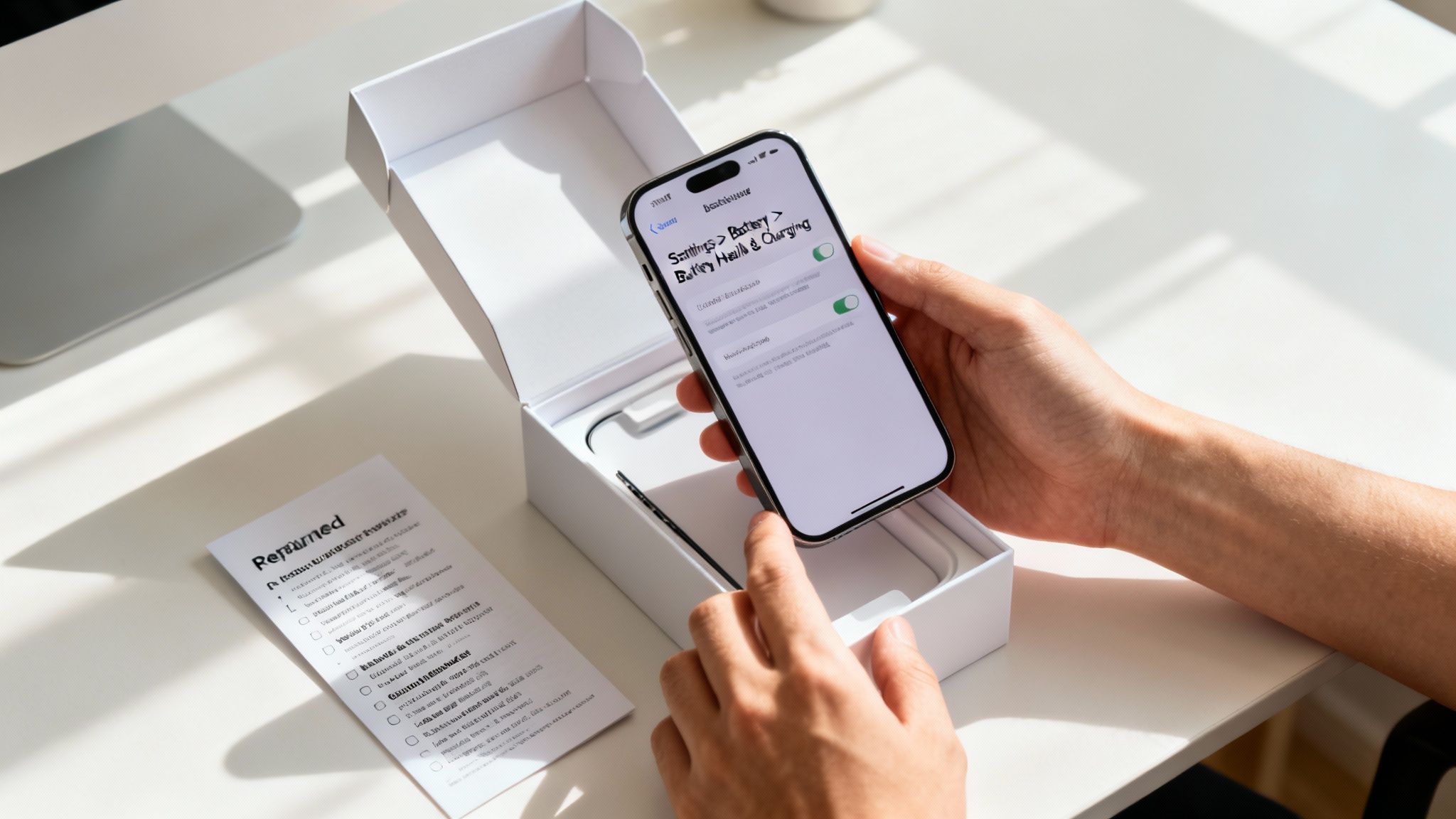


Refurbished iPhone checklist for day one, 15 quick tests to run before the 30-day return window ends
Meta description: Refurbished iPhone checklist for day one: 15 quick tests to run for screen, battery, IMEI, cameras and locks, before the 30-day returns window closes.
Buying refurbished iPhones can feel like finding a nearly new car with sensible miles on the clock. You get the quality, you dodge the full price. Still, day one matters, because your return window won’t wait while you “see how it goes”.
This refurbished iphone checklist is built for real life in the UK: a quick set of checks you can run in under an hour, so you know whether your phone is a keeper. It’s just as useful for used iPhones, second-hand iPhones, and those “too-good-to-be-true” cheap iPhones listings you’ll spot when browsing iPhones for sale.
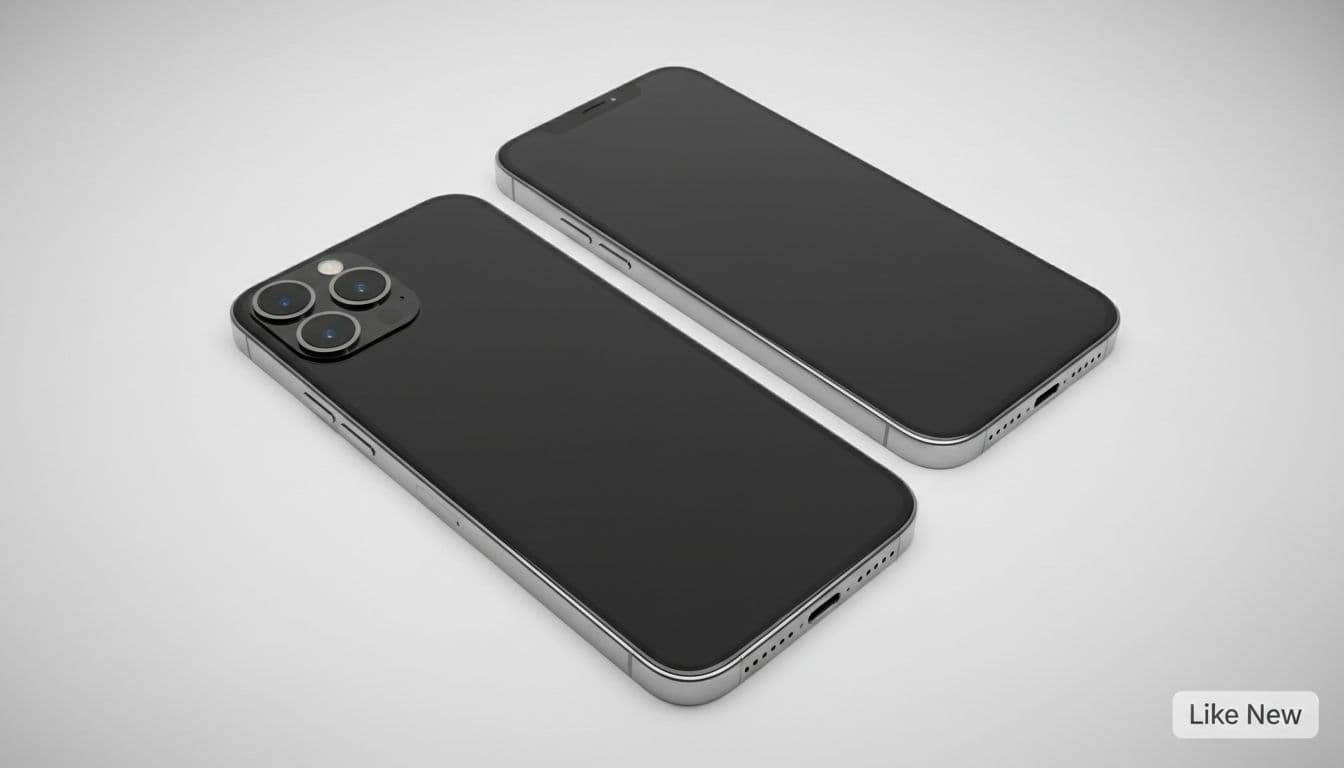
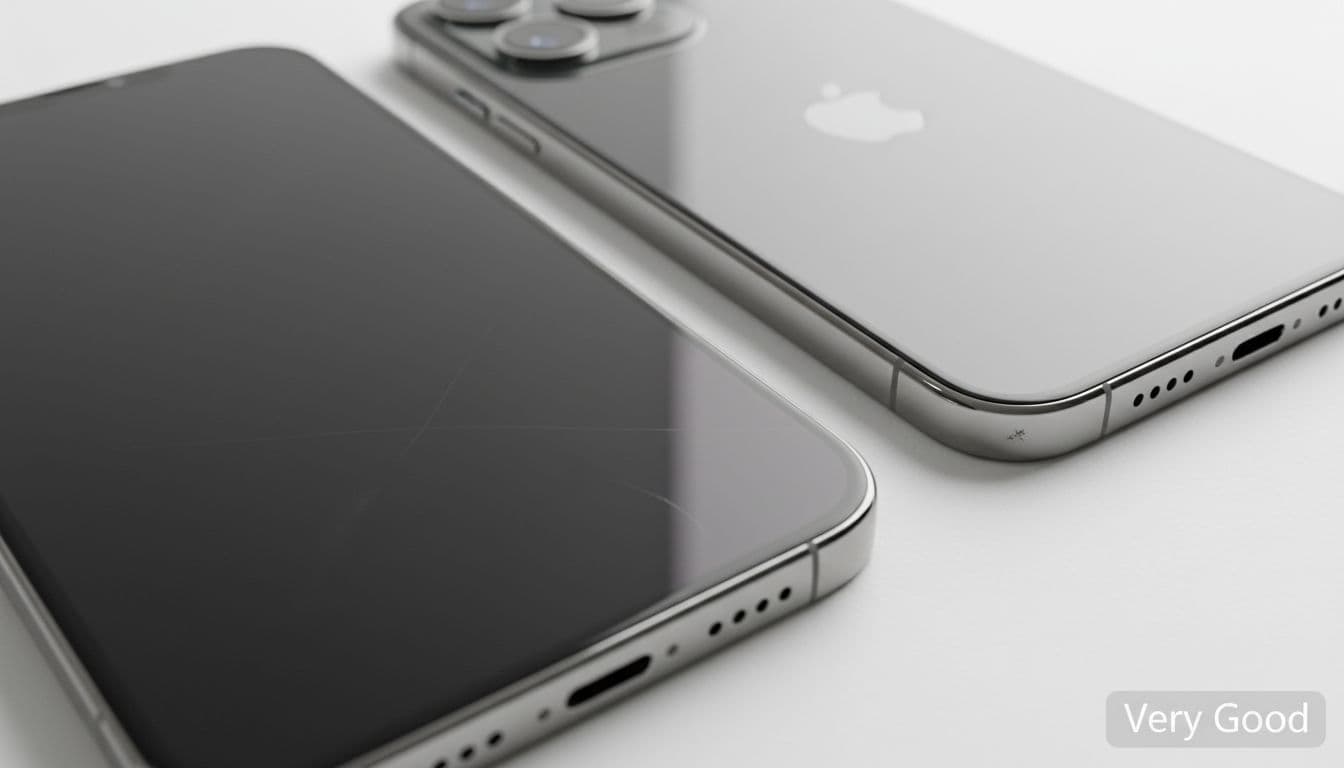
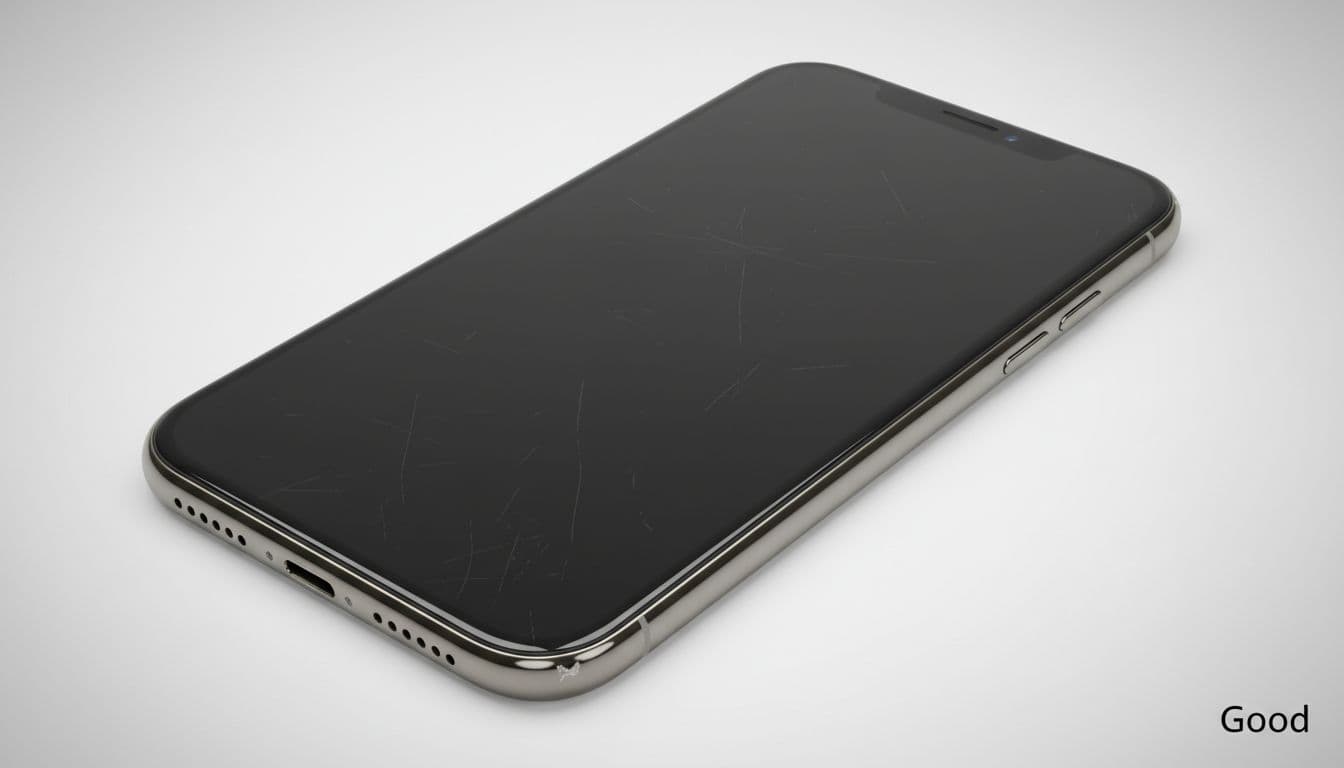
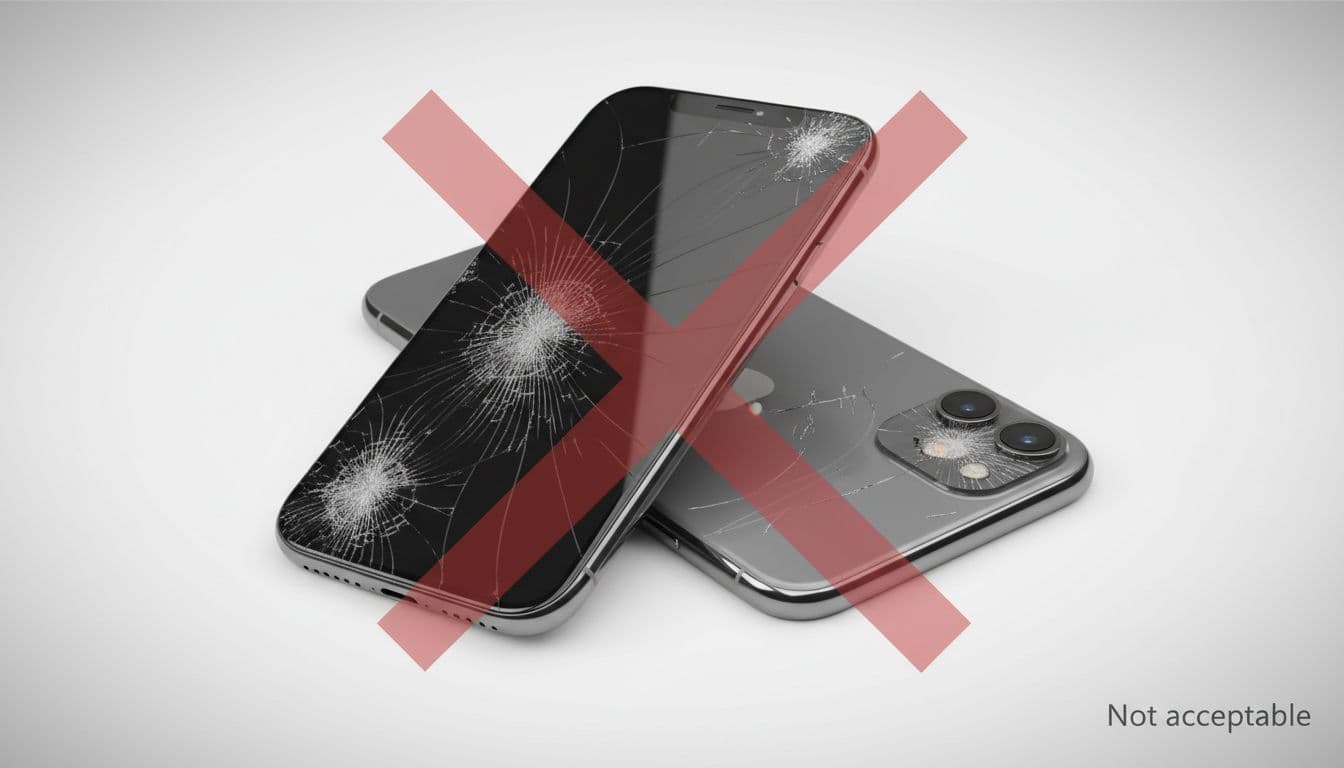
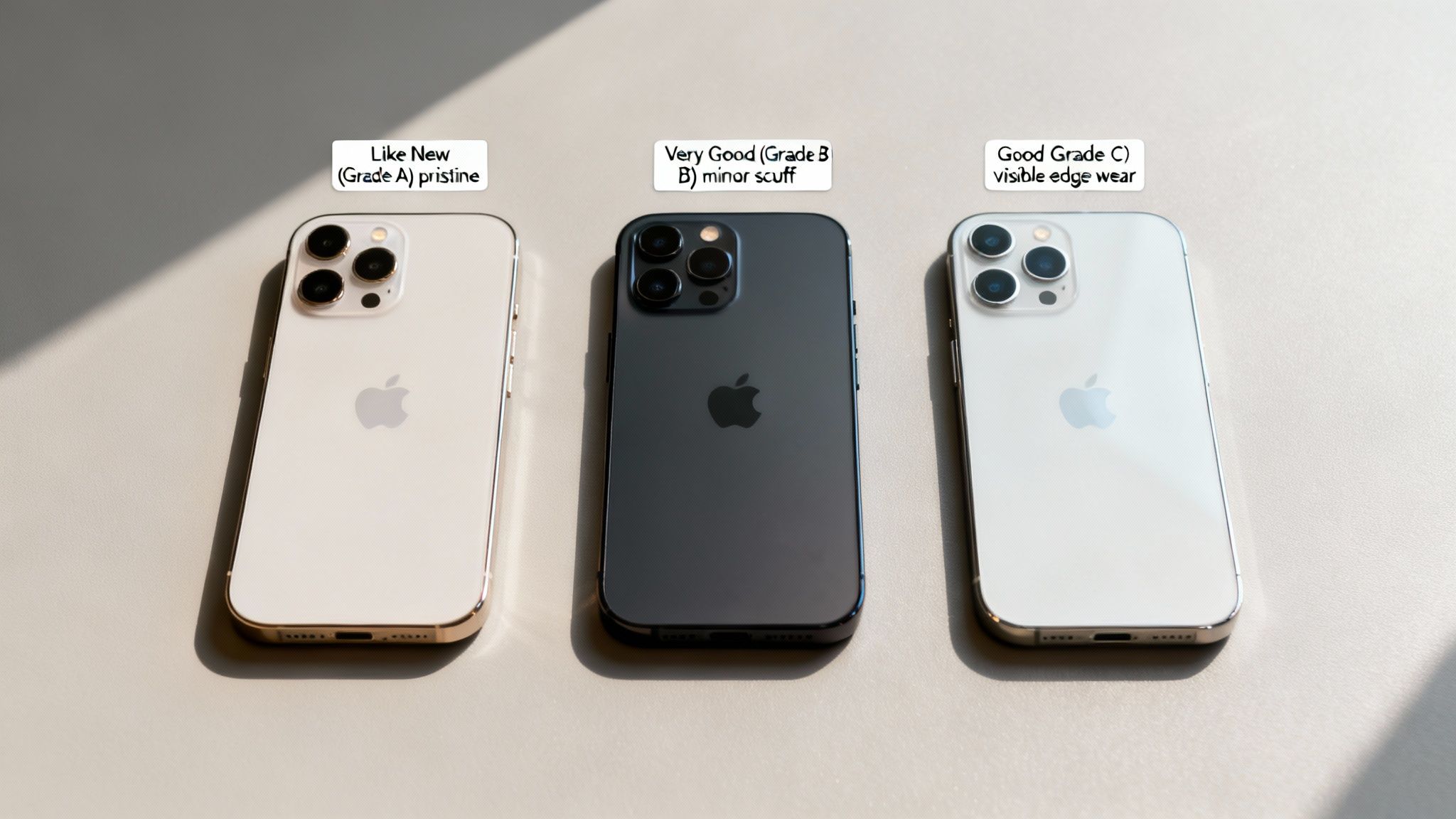
If you’ve bought from a retailer with a 30-day return policy, such as Used Mobiles 4 U, do these tests straight away and keep your evidence tidy. Their own guide on how to check the condition of a refurbished iPhone is a handy companion if you want a deeper look at grading and wear.
Before you start: set up a clean testing routine
Do the checks before you move everything across and get comfy. The goal is simple: confirm the phone is (1) yours to use, (2) healthy, and (3) working properly.
Here’s a simple kit that makes faults obvious:
| What you need | Why it helps |
|---|---|
| Your SIM (or an eSIM plan ready) | Confirms calls, texts, 4G/5G, and carrier lock issues |
| A known-good charger and cable | Separates phone faults from dodgy accessories |
| Wi-Fi password | Tests Wi-Fi stability, speeds, and sign-in |
| A quiet room for 2 minutes | Makes speaker, mic, and vibration tests clearer |
| A bright lamp or daylight by a window | Shows scratches, screen marks, and camera haze |
Take a few photos of the device from all angles before you start. If you need to return it, you’ll be glad you did.
The day-one refurbished iPhone checklist (15 quick tests)
- Check the model and storage match what you ordered
Go to Settings, General, About, confirm model name, capacity, and colour. Mistakes happen, and this is the easiest win. - Confirm it’s not Activation Locked (iCloud lock)
Restart the iPhone and make sure it gets to the Home Screen without asking for someone else’s Apple Account. Apple’s own guidance on buying pre-owned devices is worth a skim: If you want to buy a pre-owned iPhone. - Verify the IMEI and serial numbers look consistent
Check Settings, General, About and compare with the number on the SIM tray (or the back on older models). Any mismatch is a stop sign. - Run a quick network lock test
Put in your SIM and check you get signal within a minute. If you’re on a different network to the previous owner, a locked phone usually shows itself fast. - Make a real phone call and test the earpiece
Call a friend, then switch to speaker. If voices sound thin, crackly, or distant, don’t assume it will “settle in”. - Test microphones in two ways
Record a Voice Memo, then record a quick video selfie and play it back. This checks different mics, which can fail separately. - Inspect the screen for dead pixels and pressure marks
Open a plain white image, then a plain black one, turn brightness up, and look closely. A small bright dot can become a daily annoyance. - Check touch response edge-to-edge
Drag app icons around the screen and sweep your finger along the borders. If the edges miss touches, typing will feel like walking in shoes that don’t fit. - Test True Tone, brightness, and auto-brightness
Toggle True Tone in Display & Brightness (if supported). Then cover the front sensor briefly to see if brightness reacts, which helps flag sensor issues. - Try every physical button
Volume up/down, power, silent switch (if present), and the home button on older models. Sticky or inconsistent clicks can mean internal wear. - Check Face ID or Touch ID properly
Set it up, lock the phone, and unlock it ten times in a row. One lucky unlock doesn’t count, you want repeatable success. - Test cameras for focus, haze, and stabilisation
Take one photo in daylight, one indoors, then try 2x or 3x zoom if your model has it. Tap to focus on near and far objects, a struggling lens often “hunts”. - Check battery health and charging behaviour
Settings, Battery, Battery Health & Charging, look at Maximum Capacity. For many buyers, anything around the mid to high 80s can be normal on refurbished stock, but rapid drain, random shutdowns, or a hot back are not. Charge from 20% to 50% and watch for sudden jumps. - Confirm Wi-Fi, Bluetooth, and AirDrop basics
Join Wi-Fi, stream a short video, then pair Bluetooth earbuds or a car kit. If Bluetooth drops out, it’s more than an annoyance, it’s a daily tax. - Run Apple Pay readiness and NFC basics (if you use it)
Add a card to Wallet (you can remove it later) and make sure the phone doesn’t throw errors. NFC faults are rare, but when they happen, they’re a hassle.
If you want extra background on pre-purchase checks, this UK guide covers broader points that also apply after delivery: How to Check a Refurbished Phone Before Buying.
Red flags that justify using your 30-day return
Some issues are cosmetic and expected with cheap iPhones or lower grades. Others should push you towards a return or exchange.
Watch for these patterns:
- Intermittent faults: the screen only fails sometimes, the signal drops in the same spot, the camera refuses to focus after a few tries.
- Security concerns: Activation Lock prompts, odd management profiles, or signs the phone isn’t fully wiped.
- Hardware instability: overheating during light use, sudden battery drops, random restarts.
When you find a problem, capture it. A quick video showing the issue, plus a screenshot of About and Battery Health, saves a lot of back-and-forth.
If you’re keeping it, lock it down and plan your next upgrade
Once you’re happy, do the “make it yours” steps: update iOS, set a strong passcode, and enable Find My. It’s boring, but it’s the seatbelt you only appreciate when something goes wrong.
Also think one step ahead. Many people start with used iPhones and later move up through a trade-in iPhone deal. If you like to switch often, build a habit of keeping the box, noting battery health, and protecting the screen, it all helps when you sell old iPhone stock later.
And if you’re comparing platforms, it’s fine to cross-shop. Some buyers price up Cheap Android Phones or a used Samsung when they want a bigger screen for less. The smart move is the same either way: test early, keep proof, and use the return window if it’s not right.
If you’ve got an older handset in a drawer, don’t let it rot. You can sell your tech, trade-in my old phone, or recycle my old iPhone depending on its condition. Even a tired device can have value, and recycling is better than landfill.
Conclusion: do the checks now, relax later
A refurbished phone should feel dependable, not like a gamble. Run this refurbished iphone checklist on day one, keep notes, and don’t talk yourself out of an obvious fault just because the phone looks nice on the desk. If something doesn’t add up, use your 30-day return window while it’s simple to act.
FAQs
How long should I spend testing a refurbished iPhone?
Plan for 45 to 60 minutes on day one. That’s enough time to catch the big problems without turning it into a weekend project.
What battery health is “good” on refurbished iPhones?
It depends on how the device was graded and priced. Focus on real behaviour too, stable percentage drops, no overheating, and reliable charging matter as much as a number.
What if the iPhone is network locked?
Contact the retailer straight away and don’t keep trying to “make it work”. A locked device can be fine if sold as locked, but if you bought unlocked, it’s a clear mismatch.
Should I buy used iPhones from a private seller or a retailer?
Retailers usually give clearer returns and warranty terms. Private sales can be cheaper, but they carry more risk if something goes wrong after you’ve handed over cash.
Can I switch later and trade in my old iPhone?
Yes. If you keep the phone in good condition, you can trade-in my old phone later, or sell old iPhone models privately. Either way, your day-one tests help prove the device has been solid from the start.