


Are Refurbished iPhones Waterproof? What You Need to Know

17/06/2026

9 Mins
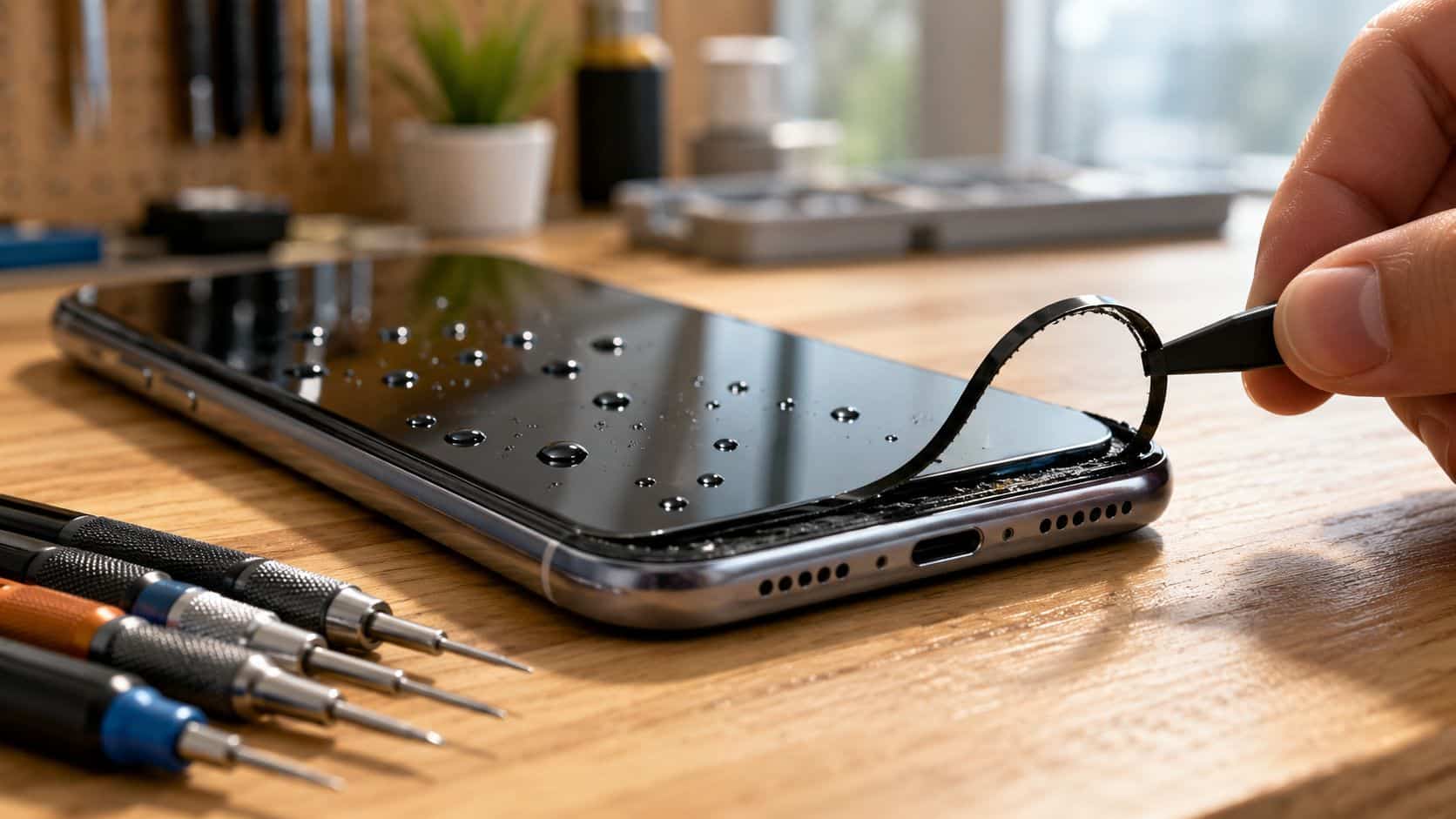
If you’re asking are refurbished iPhones waterproof, the honest answer is no. A refurbished iPhone might still cope with light splashes, but once a phone has been opened for repair or testing, the original factory water seal can’t be treated as guaranteed.
That’s the bit most people miss. Even a brand-new iPhone isn’t sold as waterproof. It’s sold as water-resistant under controlled conditions, and refurbishment changes that starting point.
Are Refurbished iPhones Waterproof? The Short Answer
No, refurbished iPhones are not waterproof, and they shouldn’t be treated as if they are. In practice, the safe mindset is simple: assume a refurbished iPhone can handle the odd splash or light rain, but don’t rely on it around sinks, baths, swimming pools or heavy moisture.
That’s not scare tactics. It’s just how these devices are built. The water resistance on an iPhone depends heavily on adhesive seals around the screen and body, and those seals are disturbed when the phone is opened for repair, battery replacement, screen work or internal testing.
Practical rule: Buy a refurbished iPhone for value, performance and reliability. Don’t buy one because you expect the original water rating to still apply.
The Short Version
If you only need the practical answer, keep it to this.
- Not waterproof: A refurbished iPhone should never be treated as safe for submersion.
- New iPhones aren’t waterproof either: Apple describes iPhone 7 and later as splash, water and dust resistant, not waterproof.
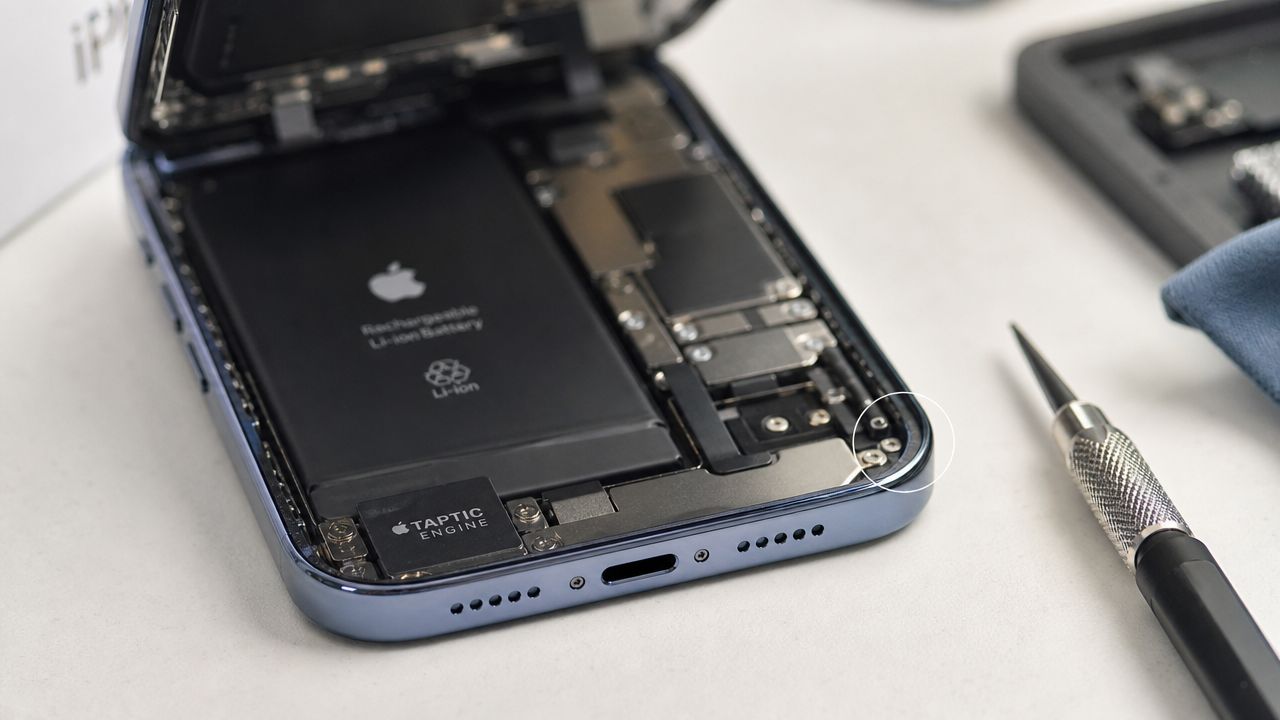
- Repairs affect seal integrity: Opening the handset for a battery, screen or camera repair breaks the original adhesive barrier.
- Fresh adhesive helps assembly, not certainty: Resealing can improve everyday protection, but it doesn’t recreate the original factory certification.
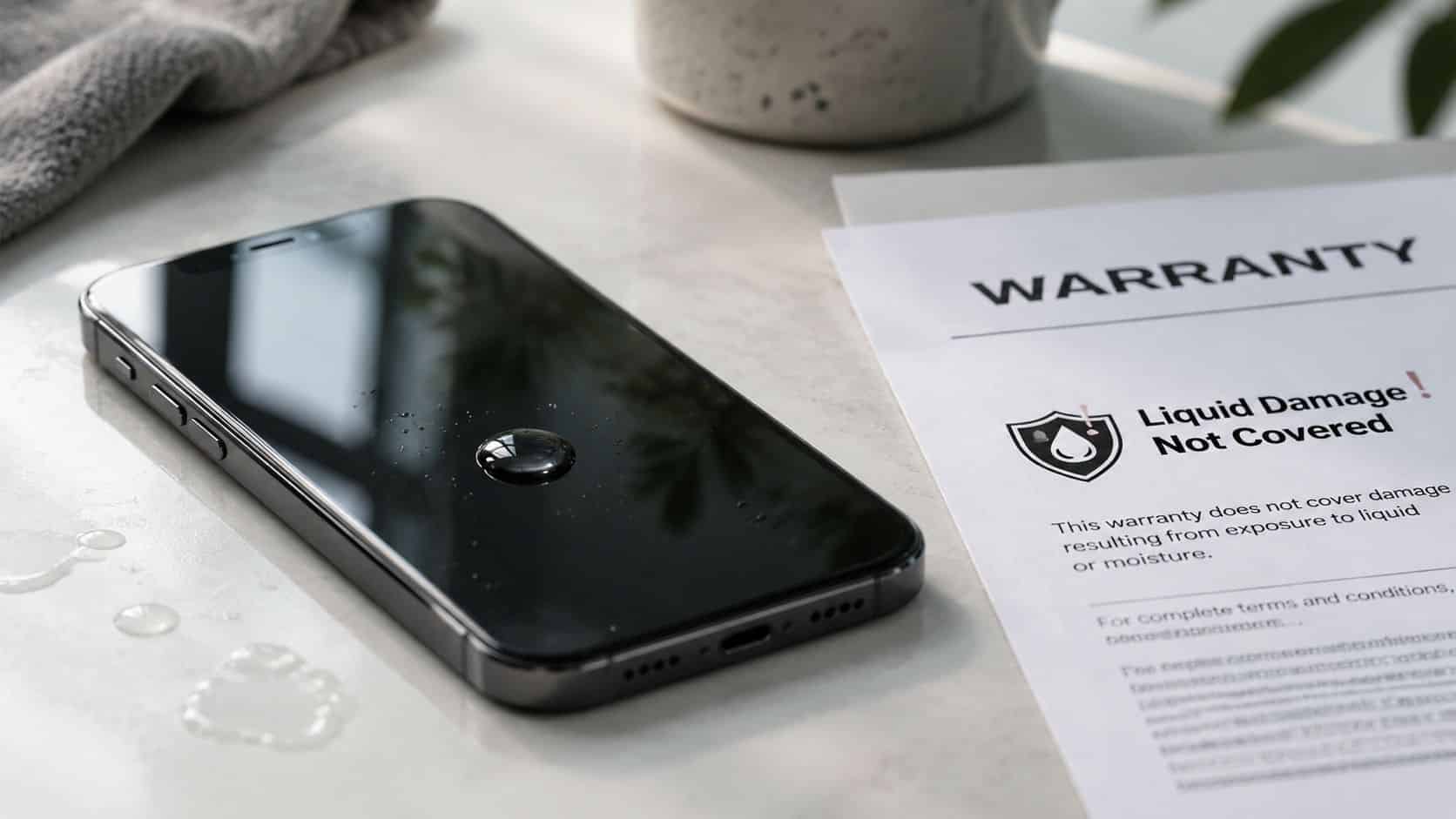
- Warranty won’t save you from liquid damage: In the UK, 92% of liquid damage claims on refurbished iPhones were not covered under warranty, and median repair cost could reach £285 for an iPhone 13 in the CMA findings cited later in this article.
- Use common sense: Rain is one thing. Shower steam, kitchen spills, beach use and charging a damp phone are where people get caught out.
What Apple’s Water-Resistant Rating Really Means
Before looking at refurbished phones, it helps to understand what the original rating actually means on a new one. Apple says iPhone 7 and later models are splash, water and dust resistant under IEC 60529, with ratings ranging from IP67 on some models, up to 1 metre for 30 minutes, to IP68 on newer models, up to 6 metres for 30 minutes, under controlled laboratory conditions on new devices. Apple also states that resistance can decrease with normal wear on its own iPhone splash, water and dust resistance page.
That last point matters more than the headline rating. Water resistance is a lab result on a fresh device. It isn’t a lifetime promise, and it certainly isn’t the same as saying the phone is waterproof in daily use.
What the rating means in real life
On a new iPhone, the rating tells you the phone has been tested under specific conditions. Clean water. Controlled depth. Controlled time. No previous drops, no ageing adhesive, no pocket lint packed into edges, and no third-party repair history.
Real life is rougher than that. Phones get knocked, sat in hot cars, used in bathrooms, dropped on corners and charged with dust in the port. All of that chips away at the conditions that made the original rating possible.
Water resistance is best treated as a backup layer, not a feature you should plan to use.
Why refurbishment changes the picture
The moment an iPhone is opened, the original seal has been broken. That doesn’t mean the phone becomes useless around every drop of rain, but it does mean the factory-tested condition no longer exists.
That’s why the smarter question isn’t really are refurbished iPhones waterproof. It’s whether the seller has been honest about what refurbishment does to the seal, what was replaced, and whether the phone is being sold with sensible expectations. If you want a more practical day-to-day view, our guide to essential water safety tips for refurbished iPhones covers the habits that make the biggest difference.
- Battery replacement: The display normally has to come off, which disturbs the perimeter adhesive.
- Screen replacement: Same issue, and often more relevant because impact damage may already have weakened the frame.
- Camera or internal repair: Any internal access means the original seal integrity is no longer untouched.
- Age alone matters: Even before refurbishment, older iPhones often arrive with seals that have already hardened or degraded.
That’s why experienced retailers and repairers stay careful with their wording. A tidy refurbished iPhone can still be a very good buy. It just shouldn’t be sold or used as a waterproof device.
Our Experience Refurbishing This Model at Used Mobiles 4U
On the bench, this is one of those questions that sounds simple until you’ve actually opened a lot of phones. One thing we regularly notice is that many iPhones arrive with tired seals before any refurbishment work even starts. Age, heat, previous drops and old repairs all leave their mark around the display edge.
That’s why we never treat the original seal as something we can casually “keep” once a phone has been through proper inspection. The critical factor is seal integrity. Opening an iPhone for any repair breaks the original adhesive barrier, and even with fresh seals fitted, water resistance can still be affected by age, previous impacts and the reassembly process itself, which is why the practical advice is to treat a refurbished phone as splash-protected rather than suitable for submersion, as explained in this refurbished iPhone seal integrity guide.
What our technicians actually check
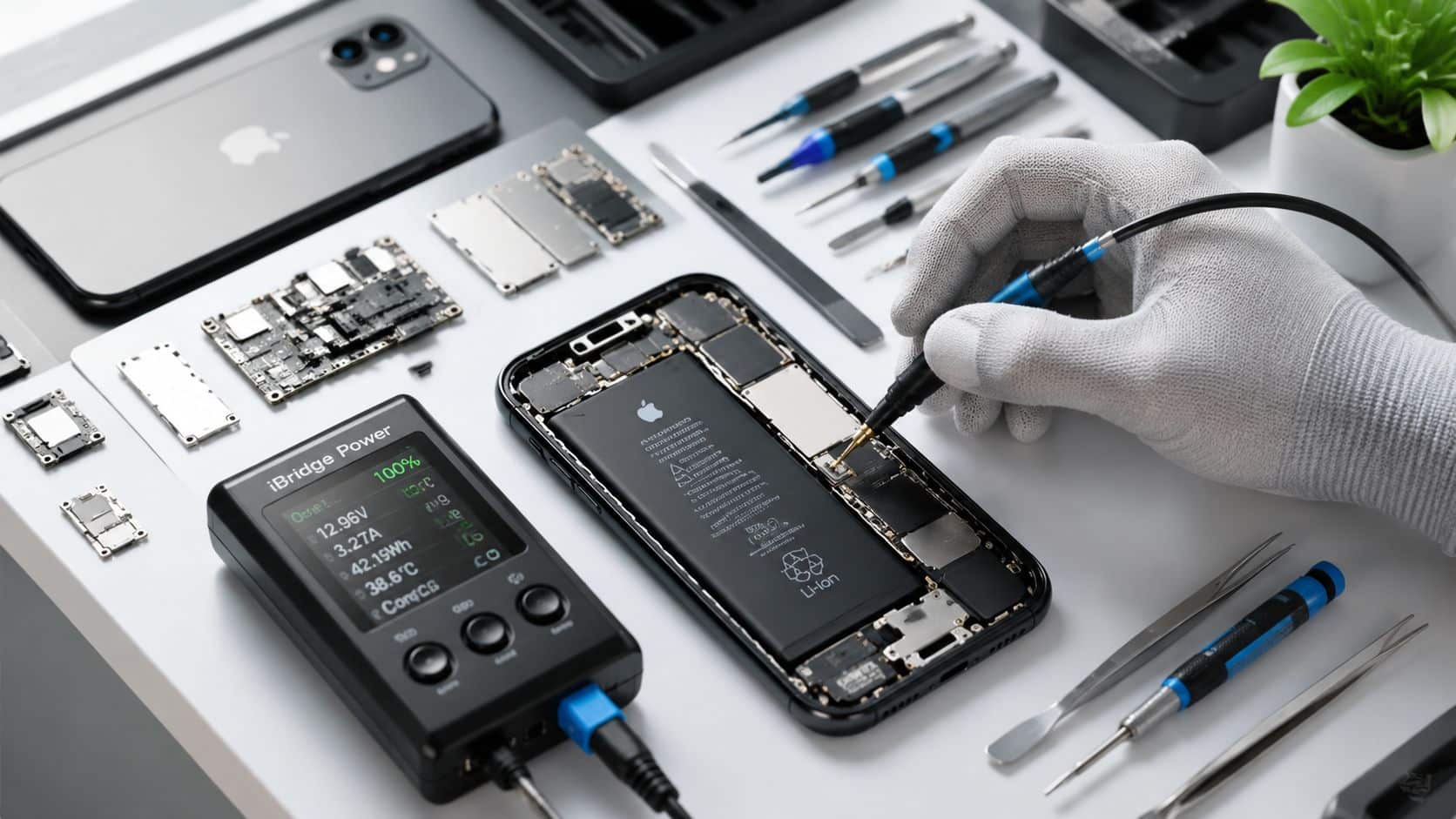
Our technicians often see the same weak points across used iPhones. Battery health is an obvious one, but it’s rarely the only one. We also check charging, cameras, microphones, speakers, Face ID where applicable, buttons, screen response, and signs of frame damage that can affect how cleanly the phone closes back up.
When a phone needs internal work, the original adhesive seal is no longer something we can present as factory fresh. Fresh adhesive may be applied during reassembly because the phone still needs to be properly fitted together, but that’s for sound assembly and everyday use. It is not an IP re-certification.
- Battery condition: A healthy battery matters more to most buyers day to day than the old factory water rating. If a battery is tired, replacement can make the phone far more usable, but it also means opening the device.
- Screen history: A phone with a heavily worn or previously replaced screen often has more unknowns around prior sealing than a cleaner example.
- Frame shape: Small bends and corner knocks matter. If the frame isn’t sitting quite right, no one sensible should imply original water resistance remains intact.
- Grade differences: Cosmetic grade tells you about visible wear, not waterproofing. A nicer-looking phone can still have older internal seals.
What Buyers Usually Ask Us
- “If it looks immaculate, is it still water-resistant?” Sometimes it may still cope with ordinary splashes, but appearance alone doesn’t prove seal condition.
- “Does a battery replacement make it unsafe?” Not unsafe in normal dry use. It just means you shouldn’t assume the original water rating still applies.
- “Can you guarantee it against water?” No responsible refurbisher should promise that after a device has been opened.
- “Should I avoid refurbished iPhones because of this?” Not at all. Just buy for the right reasons. Performance, value, battery condition, storage, network compatibility and overall testing matter more in daily use.
Bench-side advice: The better question for a seller isn’t “Is it waterproof?” It’s “Has it been opened, what was replaced, and what do you realistically advise for water exposure?”
A common example we see is a buyer choosing between an older premium iPhone and a newer standard model. In that situation, I’d usually tell them to focus on battery health, charging condition, camera performance and software support first. Water resistance claims on a refurbished handset sit well below those priorities because they’re not something any honest technician can promise with certainty after repair work.
If you want to see how phones are assessed before resale, the Used Mobiles 4U Refurbishment Process gives a straightforward overview of the checks and preparation involved.
What Happens If It Gets Wet? Warranty, Repairs and Practical Steps
This is where expectations matter. Liquid damage is one of the most expensive assumptions people make with phones. In UK market findings from the Competition and Markets Authority, 92% of liquid damage claims on refurbished iPhones were not covered by warranty, and the median repair cost could reach £285 for an iPhone 13. That’s why treating a refurbished iPhone as waterproof can become a costly mistake.
It also matches what Apple has long done on new devices. Liquid damage isn’t something the industry generally guarantees, because once moisture gets inside, the results vary wildly. Sometimes the phone dies immediately. Sometimes it works for two days and then corrosion starts showing up around charging, cameras, Face ID, speakers or the logic board.
Why liquid damage claims are usually declined
A common situation we hear about is a phone dropped in a sink, left on a bathroom shelf during hot showers, or used in the rain and then charged too soon. The owner often says the phone seemed fine at first. That’s believable. Moisture damage doesn’t always show itself immediately.
Once corrosion starts, it can spread from one area to another. A charging issue turns into battery drain. A camera fault turns into focus problems. A face unlock issue turns into a front sensor fault. At that stage, repair becomes less predictable, and sometimes replacement makes more sense than chasing multiple internal faults.
For cover details, the practical place to check is the seller’s own policy. Our Used Mobiles 4 U warranty information explains what’s included and what isn’t, so there’s no confusion after the sale.
What to Do if Your iPhone Gets Wet. Quick Steps
- Turn it off straight away. If it’s still on, shut it down as soon as you can. Power and moisture are a bad combination.
- Remove any case or accessory. Take off the case, disconnect cables and dry the outside with a soft cloth.
- Don’t charge it. If there’s any chance moisture has reached the port, leave it alone. Apple warns that charging when the phone is wet can cause damage, and guidance for refurbished units advises avoiding charging for at least 5 hours after liquid exposure.
- Keep it upright in a dry, ventilated place. Airflow helps. A windowsill in direct heat doesn’t. Neither does a radiator.
- Ignore the rice trick. Rice doesn’t remove moisture from inside the phone in any reliable way, and dust from it can make things worse.
- Watch for delayed faults. Over the next day or two, check charging, speakers, microphones, cameras and Face ID.
- Get it inspected if anything seems off. Intermittent charging, foggy cameras, crackling sound or fast battery drain are all worth checking early.
If a wet iPhone looks normal but starts behaving oddly later, don’t keep testing it by charging and using it heavily. That often makes the final repair bill worse.
Verdict A Great Phone Is a Great Phone
A refurbished iPhone doesn’t need to be waterproof to be worth buying. It needs to be properly tested, honestly described, and sold with sensible expectations. If you go in understanding that water resistance on a refurbished handset can’t be guaranteed, you’re already avoiding the biggest mistake.
For most UK buyers, the better reasons to choose refurbished are still the obvious ones. You get a reliable iPhone for less than buying new, you can pick the storage and cosmetic grade that suits your budget, and you avoid paying top money for features you may not need. In daily use, battery condition, screen quality, charging reliability, camera performance and warranty support matter far more than a claimed water rating after repair work.
So, are refurbished iPhones waterproof? No. Can they still be an excellent buy? Absolutely, if you treat them like valuable electronics rather than something to trust in water.
If you’re comparing sellers, look for clear grading, proper testing, realistic warranty wording and honest answers about repairs. If you want a starting point, our guide to the best place to buy refurbished iPhones should help you separate careful retailers from vague listings.
Written by James Waterston, 24 years in the mobile phone industry from customer service through to Sales Director of a global repair and recycling company. Now running Used Mobiles 4U for over 8 years.
LinkedIn: James Waterston
If you want a fully tested, SIM-free refurbished iPhone with clear grading, UK support and straightforward advice about what the phone can and can’t do, take a look at Used Mobiles 4 U.
Meta description: Are refurbished iPhones waterproof? Learn what happens to iPhone seals during refurbishment, what water resistance really means, and what to avoid.
Looking for a refurbished phone?
Shop professionally tested refurbished iPhones and Samsung phones with 18 month warranty, 30 day returns and free UK delivery.
Browse Refurbished Phones