


Refurbished iPhone 0% Finance UK: Your 2026 Guide

07/06/2026

10 Mins
Are you actually saving money with refurbished iPhone 0% finance in the UK, or are you just making the monthly number look smaller? The short answer is yes, it can be a very good deal, but only if the agreement is truly 0% and you’d pass the credit checks comfortably.
For plenty of buyers, it’s a sensible way to get a better iPhone without paying the full amount upfront. The part most people skip is checking total cost, approval odds, warranty cover, battery health and what happens if the phone you want is only available in a lower or higher cosmetic grade.
Can You Get a Refurbished iPhone with 0% Finance in the UK
Yes, you can. Refurbished iPhone 0% finance UK deals are a normal part of the market now, not some odd workaround.
That matters because it changes how people buy. Instead of saving for months and paying in one go, buyers can spread the cost of a refurbished handset over fixed payments, while still buying a proper iPhone rather than dropping down to a much older model just to stay on budget.
The main thing to understand is that 0% finance helps cashflow. It doesn’t magically make a phone cheaper. If the total repayable is the same as the selling price, then the benefit is flexibility. If extra charges creep in, it stops being a true 0% deal in practical terms.
Practical rule: Look at the total amount payable first. The monthly figure comes second.
It’s also worth keeping your expectations realistic. Finance availability doesn’t mean guaranteed approval, and the best deal on paper isn’t always the best deal for your situation. A lower-priced handset bought outright can still be the smarter move if your budget is tight month to month.
If you want to see how different payment routes stack up, you can compare refurbished iPhone finance and payment options before choosing a handset.
The Short Version Is 0% Finance a Good Deal
- Good if you want a better model now: It lets you move into a newer refurbished iPhone without the full upfront hit.
- Good if the deal is genuinely 0%: If the total repayable matches the phone price, you’re paying for timing, not extra borrowing cost.
- Useful for higher-value models: Finance often makes more sense on pricier refurbished iPhones than on the very cheapest handsets.
- Not ideal if your income is patchy: A missed payment can wipe out the benefit of a tidy monthly plan.
- Not for everyone: Approval isn’t universal. Some buyers will be declined, especially with a thin credit file.
- Check the condition grade carefully: A lower monthly figure on a heavily worn device can be false economy.
- Warranty matters: Finance only feels sensible if the phone has been properly tested and backed by decent after-sales support.
If you’re choosing finance only because the monthly number looks harmless, stop and check the full agreement.
How 0% Finance for Refurbished iPhones Actually Works
Most buyers assume the retailer is lending them the money. Usually, that’s not how it works. In practice, the retailer sells the phone and a finance provider handles the credit agreement.
Mainstream UK sellers have made this a standard buying route. Reboxed advertises 0% interest over 12 months via Klarna, alongside 24- and 36-month options, and also says refurbished iPhones can be up to 40% off new, with some retailers in the market showing savings of up to 70% off in certain listings, which shows how common finance-backed refurb buying has become in the UK market via Reboxed refurbished iPhone finance options.
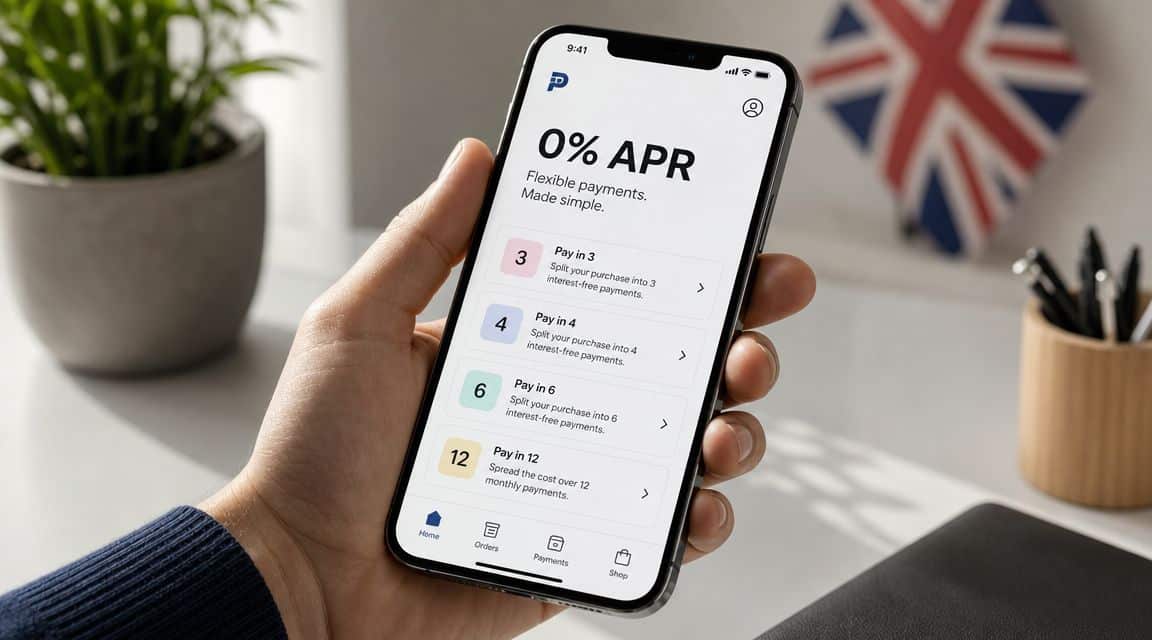
What happens at checkout
- You choose the phone: Model, storage, condition grade and colour all affect the final price.
- You select a payment plan: This may be a short true 0% instalment plan or a longer finance option with different terms.
- You complete an application: That usually means identity details, address history and a credit assessment.
- The lender gives a decision: If approved, the order can go through on those terms.
- You repay the lender: Your agreement is with the finance company, even though the phone came from the retailer.
Where buyers get caught out
The phrase “pay monthly” isn’t the same as “0%”. Some plans are genuinely interest-free. Some are only interest-free for a set period. Others are simply finance, with a longer term that may or may not be attractive once you read the paperwork properly.
This is where I’d be blunt with a customer in the shop. If a refurbished iPhone is already discounted, a short 0% plan can be very tidy. If the term gets stretched too far, you need to ask whether you’re solving a budget problem or just making the commitment feel smaller.
If you’re weighing that route against other monthly options, have a look at buy iPhone pay monthly UK and compare the total commitment rather than just the headline figure.
Who Is Eligible for 0% Phone Finance
This is the part many guides gloss over. A refurbished iPhone 0% finance UK offer can be available on the product page and still not be available to you in practice.
At a basic level, credit is typically only available to permanent UK residents aged 18 and over, which is clearly stated in parts of the market and is one of the first real filters on eligibility through The iOutlet finance information.
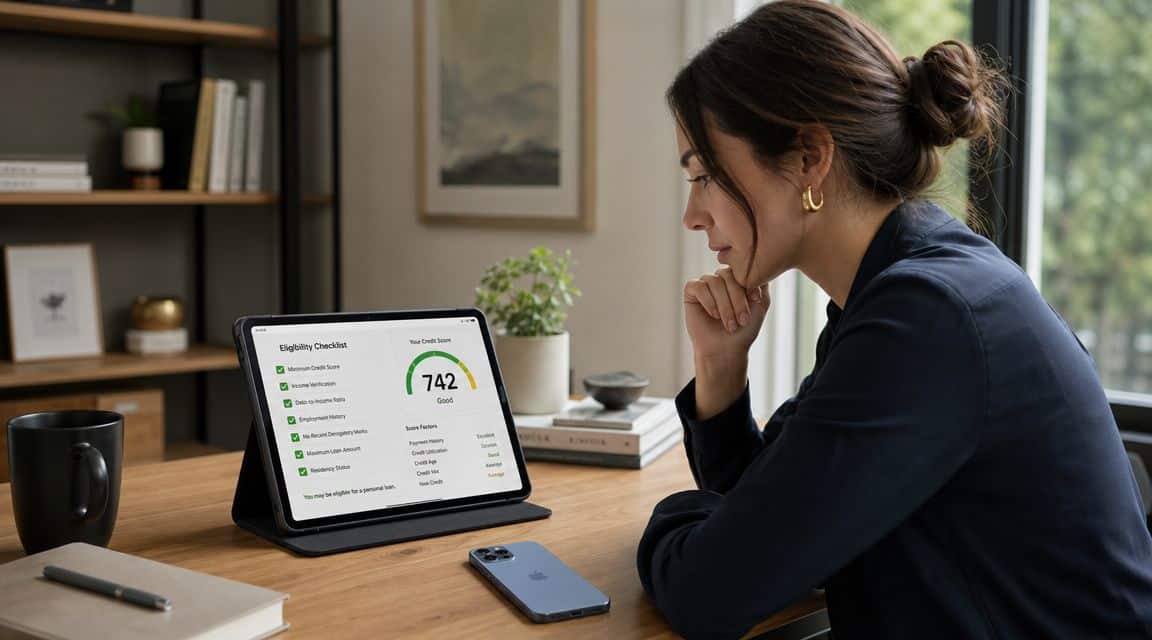
Who usually has a smoother application
- Established borrowers: If you’ve already got a normal credit footprint and manage it well, finance applications tend to be more straightforward.
- Buyers with stable details: Consistent address history and clean personal information usually help the checks run without friction.
- People borrowing within reason: A modest application against your overall finances is generally easier than stretching for the highest-value handset you can find.
Who often hits problems
- Students and younger buyers: Thin credit files can be awkward, even if income is fine.
- People new to the UK credit system: You might be perfectly able to afford the payments but still have little track record for an automated decision.
- Applicants with recent financial blips: Lenders don’t just look at the phone. They look at risk.
- Parents buying for a child: The child can’t take the agreement if they don’t meet the age requirement. The adult usually has to apply.
“Finance available” and “finance approved” are two different things.
What buyers should do before applying
First, be honest with yourself about whether approval is likely. If you’ve been declined for other credit recently, don’t assume a phone plan will be easier just because the item is smaller than a car or sofa purchase.
Second, keep an eye on the practical stuff. Make sure your name, address and payment details all match up cleanly. Small mismatches can complicate applications.
Third, think about who the phone is really for. A parent buying a first iPhone for a child may be better off choosing a lower-cost refurbished model outright if they’d rather avoid taking on a formal monthly commitment.
A common example we see is someone focusing entirely on getting approved for a newer iPhone, when a slightly older model would meet the same day-to-day needs with far less pressure on the budget. That’s usually the healthier decision.
Calculating the True Cost A Worked Example
The cleanest way to judge a deal is to ignore the marketing language and do simple maths. If the total paid on finance matches the phone price, and there are no extra charges in normal use, then the finance itself hasn’t made the phone dearer.
There’s a useful real-world benchmark here. Independent UK coverage notes that major sellers commonly include at least a 12-month warranty, often expect devices to meet at least 80% battery health, and gives an example of a refurbished iPhone 13 at £211 in good condition compared with a usual price of £599 new via The Independent refurbished iPhone deals guide.
A simple worked example
Take that £211 refurbished iPhone 13 example. If a lender offers a genuine 0% plan over a short term, the key question is whether the total amount repayable still comes to £211.
- Buying outright: You pay £211 at checkout. Job done.
- Buying on true 0% finance: You spread the same £211 across the agreed payments. The phone hasn’t cost more. You’ve only changed when you pay.
That’s the attraction. You get the discounted refurbished price and keep more cash in your account each month.
What to check in the agreement
- Total amount payable: This is the number that matters most.
- Repayment term: Shorter can be easier to reason with. Longer can feel comfortable but tie you in for too long.
- Missed payment consequences: A good deal can turn into a poor one if charges or account issues start stacking up.
- Returns process: Make sure the retailer and lender process cancellations cleanly if the phone isn’t right.
- Condition grade: Don’t compare a heavily worn handset on finance with a cleaner grade bought outright and assume they’re equivalent.
Worth remembering: The cheapest monthly payment isn’t automatically the cheapest way to own the phone.
A lot of buyers should think about model age here as well. If you’re financing a much newer refurbished iPhone because the camera, battery condition, USB-C charging or longer useful life matters to you, that can be sensible. If you’re financing just to avoid paying a modest amount upfront on an older handset, I’d question whether it’s necessary.
If your budget is driving the whole decision, start by comparing cheap iPhone deals UK and then decide whether finance improves the purchase or just extends it.
What We Check Before Offering a Refurbished iPhone on Finance
A financed phone still needs to be a good phone. That sounds obvious, but it’s where some buyers go wrong. They spend all their energy on the payment plan and too little on the handset condition.
A refurbished iPhone should keep the same core performance as the same model bought new. For example, a refurbished iPhone 12 still has the A14 Bionic chip, 6.1-inch Super Retina XDR OLED display and 12 MP dual cameras, so the finance decision is about budget timing rather than giving up the main hardware via this refurbished iPhone 12 review.
Our Experience Refurbishing This Model at Used Mobiles 4U
One thing we regularly notice with refurbished iPhones is that battery condition and cosmetic wear rarely move together neatly. A phone can look very tidy and still need battery attention. Another can show obvious frame wear but run perfectly well day to day.
Our technicians often see the same pressure points on popular models. Charging ports pick up pocket debris, camera lens surrounds get marked, and heavier-use devices can show deeper wear on the frame corners and around the mute switch. On Face ID models, front camera and sensor checks matter because buyers often assume facial unlock will “probably be fine” if the screen lights up. That isn’t enough.
When we assess an iPhone for resale, we’re looking at whether it’s suitable for reliable daily use, not just whether it powers on. That includes battery health, charging behaviour, cameras, speakers, microphones, buttons, Face ID or Touch ID where fitted, network lock status and signs of previous poor-quality repair work.
- Battery health: We pay close attention here because it affects day-to-day satisfaction more than most spec-sheet points. Used Mobiles 4U works to a minimum 85% battery health.
- Grade differences: A Like New or Excellent device suits buyers who care about appearance. A Good grade often gives better value if you’re using a case from day one.
- Common parts replaced: Screens and batteries are the obvious ones, but we also watch for charging issues, weak earpieces and camera faults depending on model and prior use.
- Repair versus replace logic: If an older iPhone needs several jobs at once, it’s often better value to move into a newer refurbished model than keep spending on the same handset.
- Nearby model choices: Buyers comparing an iPhone 12 with a 13 or 14 usually feel the difference more in battery life, camera processing and long-term value than in raw speed alone.
If you want to see the standards behind that process, the Refurbishment and Testing Process explains how devices are checked before resale.
What Buyers Usually Ask Us
- Will a financed refurbished iPhone perform like a normal iPhone: Yes, if it’s been properly tested and the model itself still suits your needs.
- Should I pay more for a cleaner grade: Only if cosmetic condition matters to you. Performance and appearance aren’t the same thing.
- Is battery health worth paying attention to: Absolutely. It affects daily charging habits more than buyers expect.
- Would you finance an older cheap model: Usually only if the numbers are still sensible and the phone has enough life left to justify the commitment.
The Verdict Is Refurbished iPhone 0% Finance Right for You
Yes, refurbished iPhone 0% finance UK can be worth it. It suits buyers who want a better iPhone without a big upfront payment, understand that approval isn’t automatic, and are disciplined enough to treat the monthly commitment seriously.
It’s a strong option if you’re buying a newer refurbished model, the agreement is genuinely 0%, and the handset comes with proper testing, a solid warranty and clear grading. It’s less attractive if your income is unstable, your credit file is thin, or you’re only using finance to make a phone feel cheaper than it is.
If you want the honest retailer answer, focus on total cost, device condition and your ability to keep up the payments. If those three line up, 0% finance is practical. If they don’t, buying a cheaper refurbished iPhone outright is often the better call.
If you’re comparing finance-ready handsets, browse the range at Used Mobiles 4 U and look for the balance of condition, battery health, warranty and monthly affordability that actually fits real life.
Written by James Waterston, 24 years in the mobile phone industry from customer service through to Sales Director of a global repair and recycling company. Now running Used Mobiles 4U for over 8 years.
LinkedIn: James Waterston
Meta description: Refurbished iPhone 0% finance UK explained plainly. Learn how it works, who gets approved, and how to judge the true cost before you buy.
Looking for a refurbished phone?
Shop professionally tested refurbished iPhones and Samsung phones with 18 month warranty, 30 day returns and free UK delivery.
Browse Refurbished Phones