


Refurbished iPhone vs Reconditioned iPhone: What’s the Real Difference?

05/12/2025

7 Mins
Refurbished iPhone vs Reconditioned iPhone: What’s the Real Difference?
In a world where smartphones accompany us through almost every part of our day, having a reliable and high-performing device is more important than ever. Yet the price of a brand-new iPhone continues to climb year after year, making many people look for smarter, more affordable alternatives. That’s where refurbished and reconditioned iPhones come into the picture.
However, even though these two terms are often used together, they do not actually refer to the same thing. The differences between a refurbished iPhone and a reconditioned iPhone can have a huge impact on performance, longevity, reliability and peace of mind. And if you’re planning to invest several hundred pounds into your next device, making the right choice matters.
This detailed guide breaks down both categories clearly, explains how they differ, highlights what to look out for, and helps you work out which one is right for you.
Understanding the Basics: Why These Terms Matter
Before diving into the differences, it helps to understand why these categories even exist.
When people upgrade to newer models, trade in phones, or return items to stores, those devices don’t simply disappear. Instead, they usually enter a secondary market where sellers bring them back to a saleable condition. This “restoration”, however, can be done at wildly different standards — from a full professional overhaul to a quick clean-up before resale.
This is how words like refurbished and reconditioned came to be used — but the lack of consistent terminology across retailers means many buyers misunderstand what they’re getting.
Let’s fix that.
What Is a Refurbished iPhone?

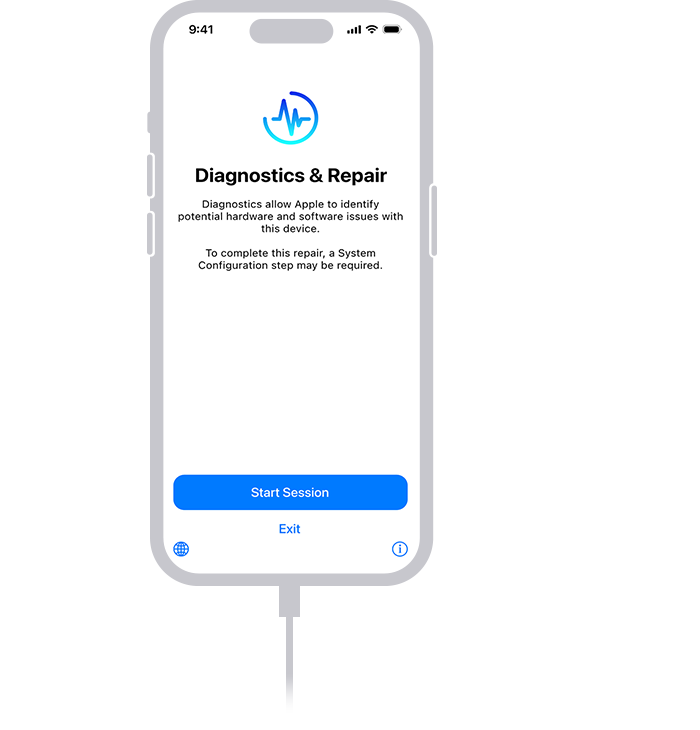

A refurbished iPhone is a device that has been professionally restored to a condition that is as close as possible to new. It is not simply a used phone being resold. Instead, it goes through a detailed, structured refurbishment process.
Here’s what typically happens during refurbishment:
1. Full Diagnostic Testing
The phone undergoes a multi-point inspection to identify hardware, software, battery, and performance issues. This includes testing:
-
Touchscreen responsiveness
-
Camera functionality
-
Microphones and speakers
-
Charging ports and buttons
-
Battery health
-
Wi-Fi, Bluetooth and mobile signal
-
Face ID or Touch ID
Nothing is left unchecked, because refurbishing aims to restore full functionality.
2. Replacement of Faulty Components
Any part that doesn’t meet performance standards is replaced. Good refurbishers use genuine or manufacturer-approved parts, especially for key components such as:
-
Screens
-
Batteries
-
Cameras
-
Logic board elements
Using original-quality parts ensures the phone feels and performs like a new device.
3. Battery Restoration or Replacement
Reputable refurbishers will ensure the battery meets a good health percentage — often replacing it entirely if it does not meet their standard. This is vital because battery degradation is one of the most common signs of age in iPhones.
4. Professional Cleaning and Sanitisation
The phone is thoroughly cleaned inside and out. Dirt, residue, and dust are removed, and the outer housing is polished where possible.
5. Secure Data Wipe & Fresh iOS Installation
All previous data is securely erased, and the phone is restored to factory settings with an up-to-date version of iOS ready for the new owner.
6. Cosmetic Grading
Refurbished iPhones are normally listed with a grading system, such as:
-
Like New
-
Very Good
-
Good
This helps buyers understand the cosmetic condition, even though performance across grades is the same.
7. Warranty Included
Most refurbished phones come with a 6 to 18 Month Warranty, because the seller is confident in the quality of their restoration.
8. Professionally Packaged
While packaging may not be original, the phone is neatly boxed with charging accessories or cables as specified.
What Is a Reconditioned iPhone?
A reconditioned iPhone is also a used device, but it does not necessarily go through the same rigorous process. The term can mean different things depending on the seller, which introduces more uncertainty.
Here’s what typically defines a reconditioned phone:
1. Repairs May Be Minimal or Cosmetic Only
A reconditioned phone is usually repaired just enough to make it function properly again. But unlike refurbishment, the repairs may not be thorough or deeply diagnostic.
2. Non-Original or Aftermarket Parts Are Common
To reduce costs, reconditioned phones often receive:
-
Third-party screens
-
Cheaper aftermarket batteries
-
Low-cost charging ports or speakers
While these parts usually work, they may:
-
Drain faster
-
Look slightly different
-
Reduce touch accuracy
-
Affect brightness or colour accuracy
3. Varying Degrees of Quality Control
Reconditioning doesn’t follow a universal standard. Some sellers do an excellent job — others do the bare minimum. It can be a gamble unless you’re buying from someone reputable.
4. Cosmetic Imperfections Are Expected
Scratches, dents or noticeable wear are common. Reconditioning focuses on functionality rather than appearance.
5. Limited Warranty or No Warranty
Some reconditioned iPhones come with only a 30-day guarantee. Others may have none at all. This is usually a sign that the seller cannot guarantee the long-term reliability of the device.
6. Lower Price Point
The main appeal is cost. Reconditioned iPhones usually sit at the budget end of the second-hand market.
Refurbished vs Reconditioned: Clear Comparison
Here is a simple breakdown to help highlight the real differences:
Why the Difference Matters So Much
Even though the two categories might sound similar, the difference in quality and longevity can be huge.
1. Longevity
A refurbished phone with genuine parts will generally last years longer than a reconditioned device patched with cheaper components.
2. Battery Life
Aftermarket batteries degrade faster, sometimes within months. A professionally refurbished iPhone with a new or high-quality battery offers a much better user experience.
3. Screen Quality
Aftermarket screens can affect:
-
Colour accuracy
-
Brightness
-
Touch sensitivity
-
Face ID compatibility
This can make a reconditioned phone feel less premium.
4. Repair History Transparency
Refurbished phones normally include full details and grading. Reconditioned devices often have little or no history available.
5. Peace of Mind
A long warranty is a strong indicator of quality. Sellers offering short or no warranties likely do so for a reason.
Common Myths About Refurbished and Reconditioned iPhones
Many misconceptions circulate online, so let’s debunk a few.
❌ “Refurbished phones are just old used phones being resold.”
No — they’re restored to a much higher standard and tested thoroughly.
❌ “Reconditioned and refurbished are the same thing.”
Not at all. Reconditioning can be minimal. Refurbishing is structured and professional.
❌ “Refurbished iPhones don’t last long.”
A good refurbished iPhone can last almost as long as a brand-new one.
❌ “Only cheap aftermarket parts are used.”
Reputable refurbishers use original-quality parts. This is the biggest difference.
Understanding Grading Levels: A Quick Guide
Refurbished phones often use grading to describe cosmetic condition. While every retailer has its own terminology, these are the typical meanings:
Like New
-
Almost indistinguishable from new
-
No noticeable scratches or marks
-
Ideal if you want a premium feel at a reduced price
Very Good
-
Minor signs of use
-
Small cosmetic marks may be present
-
Excellent value for most buyers
Good
-
Noticeable wear such as light scratches
-
Perfect for someone who wants the best price while still having full performance
These grades refer only to appearance. Performance is the same across all grades when buying a refurbished device.
Which Option Should You Choose?
Choosing between refurbished and reconditioned ultimately depends on your priorities.
✔ Choose a refurbished iPhone if…
-
You want reliability and long-term value
-
You rely on your phone daily
-
You want strong battery life
-
A warranty matters to you
-
You prefer something that looks close to new
-
You want a device tested and certified by professionals
Refurbished is the best choice for most people.
✔ Choose a reconditioned iPhone if…
-
Budget is your main concern
-
You don’t mind visible wear
-
You only need a temporary or backup phone
-
Warranty isn’t essential
Reconditioned can be the cheaper option, but it comes with trade-offs.
Why Buying from a Trusted Seller Matters More Than Anything
Regardless of whether you choose refurbished or reconditioned, the seller is everything. A trustworthy retailer offers transparency, clear grading, honest pricing and solid warranty terms.
A poor-quality seller, however, may:
-
Hide device issues
-
Use very cheap parts
-
Offer no returns
-
Provide misleading descriptions
-
Sell devices with reduced lifespan
Always check:
-
Customer reviews
-
Warranty length
-
Return policy
-
Battery health information
-
Device grading clarity
-
After-sales support
This protects you from disappointment and ensures you receive a device that matches your expectations.
Final Thoughts: Making the Smart Choice
Refurbished and reconditioned iPhones both offer a way to save money. But they do so at different levels of risk and quality.
A refurbished iPhone is a restored, tested, reliable device that gives you performance close to new — without the hefty price tag. It’s the perfect balance between value and assurance. A reconditioned iPhone, on the other hand, can be much cheaper, but the quality varies, and long-term reliability isn’t always guaranteed.
If you want a phone you can depend on for years to come, refurbished is almost always the smarter investment. If you just need something affordable and functional, reconditioned may work — but go in with realistic expectations.
If you’d like, I can also tailor this article specifically for Used Mobiles 4 U, adding brand voice, internal links, calls to action, grading explanation, and SEO-ready headings.
Looking for a refurbished phone?
Shop professionally tested refurbished iPhones and Samsung phones with 18 month warranty, 30 day returns and free UK delivery.
Browse Refurbished Phones