


Smartphones Pay as You Go: A Practical UK Guide

31/07/2026

10 Mins

Pay as you go means you pay for calls, texts and data in advance, with no long-term contract. In the UK, most PAYG offers are now 30-day rolling bundles, not the old minute-by-minute top-up system people remember.
If you're trying to keep control of spend, that matters. A PAYG smartphone can be the sensible way to use a good handset without getting dragged into monthly device finance.
What Smartphones Pay As You Go Means in the UK
PAYG is straightforward once you cut through the jargon. You load credit or choose a bundle before you use the service, then spend from that allowance until it runs out or renews. That is the key difference from a contract, where the bill lands afterwards and the handset is usually tied into the deal.
In the UK, PAYG is usually a 30-day rolling plan, not the old habit of adding a few pounds at a time for every call. Vodafone's own PAYG glossary says most offers now work that way, and that PAYG can be used either with a phone bought on PAYG or with a network-free phone plus a PAYG SIM. Vodafone PAYG glossary
What matters at the counter
Practical rule: if the phone is SIM-free, it will take a PAYG SIM the same way it would take a contract SIM.
That is why the handset and the airtime are two separate decisions. The credit sits on the account or bundle, not inside the phone itself. If you want the plain version of how unlocked phones work in the UK, that guide sets it out clearly.
A lot of buyers still assume PAYG means a basic handset. It does not have to. You can run a modern smartphone on PAYG, including a refurbished handset, as long as it is network-free and compatible with the network you choose.
- Pay in advance: You load credit or buy a bundle before using service.
- No long contract: You are not tied into handset finance.
- Works with SIM-free phones: A network-free phone can use PAYG just fine.
- Most UK deals are rolling bundles: Old-style top-ups are no longer the main format.
PAYG vs SIM-Only vs Contract
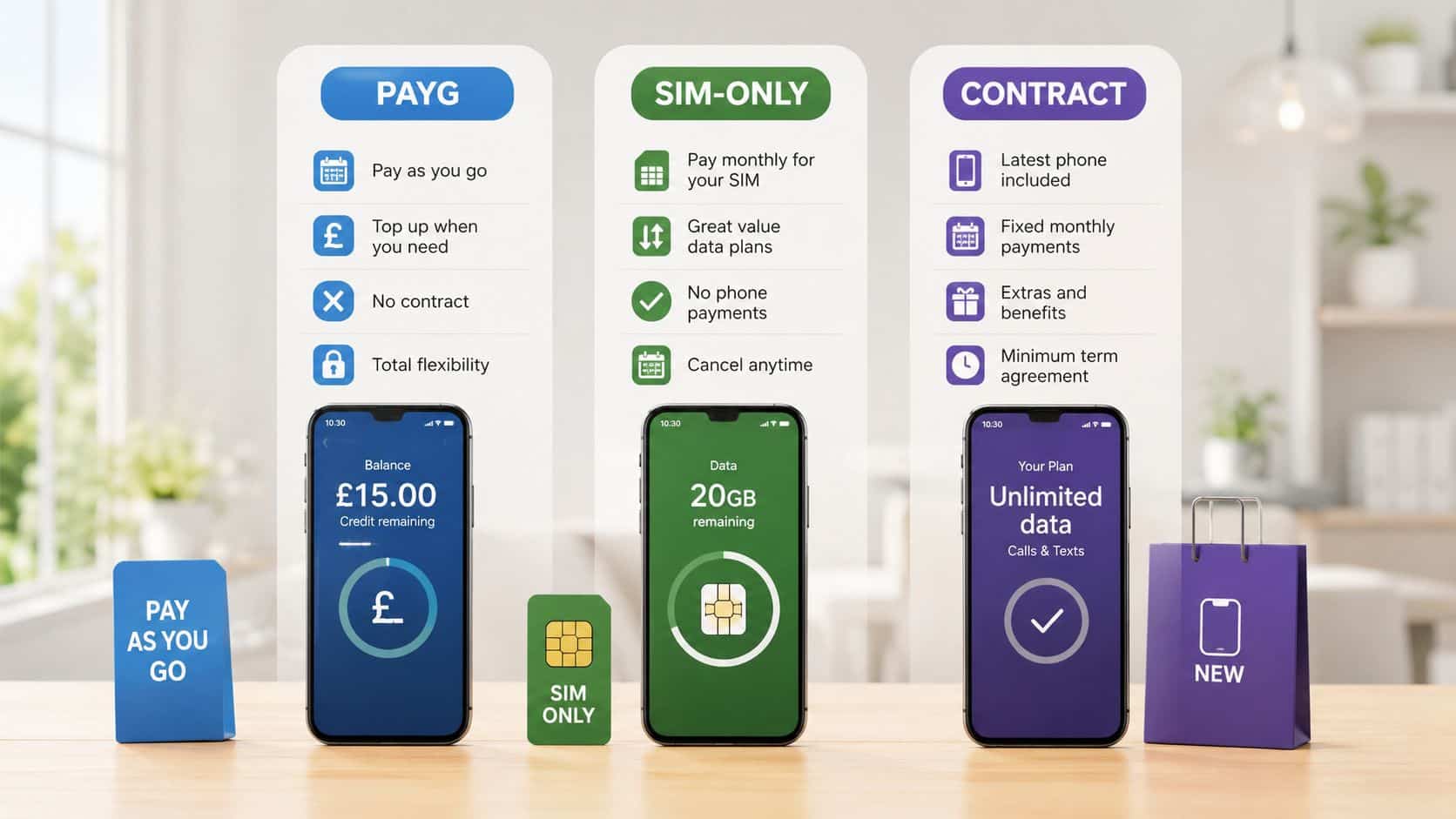
The practical split is straightforward. PAYG gives you the tightest control over spend. SIM-only gives you a monthly plan without handset finance. Contract spreads both the phone and airtime across a set term, which can look cheap on the front page and still cost you more over time because you're paying for the handset inside the bundle.
If you want the cleanest view, think in terms of commitment rather than marketing. PAYG is paid in advance and has no long-term contract. Traditional top-up use is about spending only the credit you've already loaded, which keeps control in your hands. What prepaid phones are and how they work
The real-world difference
SIM-only is often the middle ground for people who already own a decent handset. You still pay monthly, but you're not financing the device. Contract suits people who want the newest phone spread over time and don't mind the commitment.
A phone deal should fit your life, not force your life around the bill.
If you're trying to save money across the household, there are also ways to cut the plan cost itself. A useful outside guide is save more with AccountShare, especially if you're comparing shared spend across several lines.
Here's the straight recommendation. Choose PAYG if you want strict spend control, you're buying for a child, or you need a second phone with no fuss. Choose SIM-only if you already own the handset and use a lot of data. Choose contract only if you want handset finance and a longer tie-in feels acceptable.
- PAYG suits: tight budgets, first phones, low-commitment users.
- SIM-only suits: people with their own phone and regular monthly use.
- Contract suits: buyers who want a new handset bundled into the bill.
Who PAYG Suits and When It Doesn't
PAYG fits certain buyers neatly, and it's a poor fit for others. The strongest use case is still control. If you want to cap spend, avoid a credit check headache, or keep a spare handset live without paying for a full monthly package, PAYG makes sense.
UK usage habits back that up. A mobile-phone statistics report says people spent an average of 3.49 hours per day on their phones in 2023, down from 4.14 hours the year before, while YouGov found 16% of UK phone owners were still on PAYG. That's a decent sign that PAYG hasn't vanished, even though many buyers now use longer-term plans. UK mobile-phone statistics report and YouGov SMIX tracker
The buyers we see most often
A common example we see is a parent buying a first phone for a child. PAYG lets them keep the spend contained and avoid surprise bills. It also makes sense for someone replacing a broken handset on a budget, especially if they don't want to commit to a full contract while they decide what to buy next.
For small businesses, PAYG can work on a per-device basis when a line needs to stay simple and predictable. It's also handy for travel, spare phones and backup lines. If the user's needs are light, PAYG usually wins on flexibility.
- Parents: Good for first phones where control matters more than endless data.
- Budget shoppers: Useful when monthly outgoings need to stay tight.
- Business handsets: Works for spare, temporary or low-use phones.
- Travel or second phones: Useful when you want a separate line without a contract.
PAYG isn't right for everyone. If someone streams heavily, wants the latest flagship and expects network-led handset offers, SIM-only or contract is usually the better fit. PAYG is about discipline, not chasing the biggest bundle.
Refurbished Phones and PAYG, a Natural Pair
A PAYG SIM and a certified refurbished handset fit together properly. You keep the upfront cost down on the device, then keep the airtime flexible. That combination is often better value than buying a brand-new phone on a longer deal, especially when you don't need the newest release.
What matters is the condition of the handset you buy. At a proper refurbishing retailer, the phone should be tested, data-wiped, graded clearly and sold with warranty cover. That's the difference between taking a gamble on a random used phone and buying one that's been checked properly.
Why battery health matters more than bragging rights
Battery health is the quiet deal-breaker. A handset with poor battery life becomes annoying fast, especially if you're using PAYG to keep things simple. You're better off with a lower-spec phone that lasts the day than a prettier one that needs charging all the time.
Used Mobiles 4 U handles this through its own grading and refurbishment checks, and you can buy refurbished iPhones if you want a clear example of how that looks in practice. The point isn't to chase the newest model. It's to buy a phone that still has useful life left.
Refurbished should mean tested, wiped and honest about condition. If it doesn't, walk away.
What buyers usually ask us
What Buyers Usually Ask Us
- Will it still get updates? A refurbished phone is only a good buy if the software support still makes sense for how long you plan to keep it.
- Will Face ID or fingerprint still work? It should be checked before resale, because security features need to function properly.
- Is the battery decent? That matters more than a nicer camera if the phone needs to last through the day.
- Is it locked? It shouldn’t be if you want a clean PAYG setup.
For buyers who care about price control and don't want to throw money at a brand-new handset, this is the sensible route. The other big advantage is that you can pair a refurbished phone with a SIM plan that suits your use, instead of paying for more airtime than you need.
Our Experience Refurbishing Handsets at Used Mobiles 4U
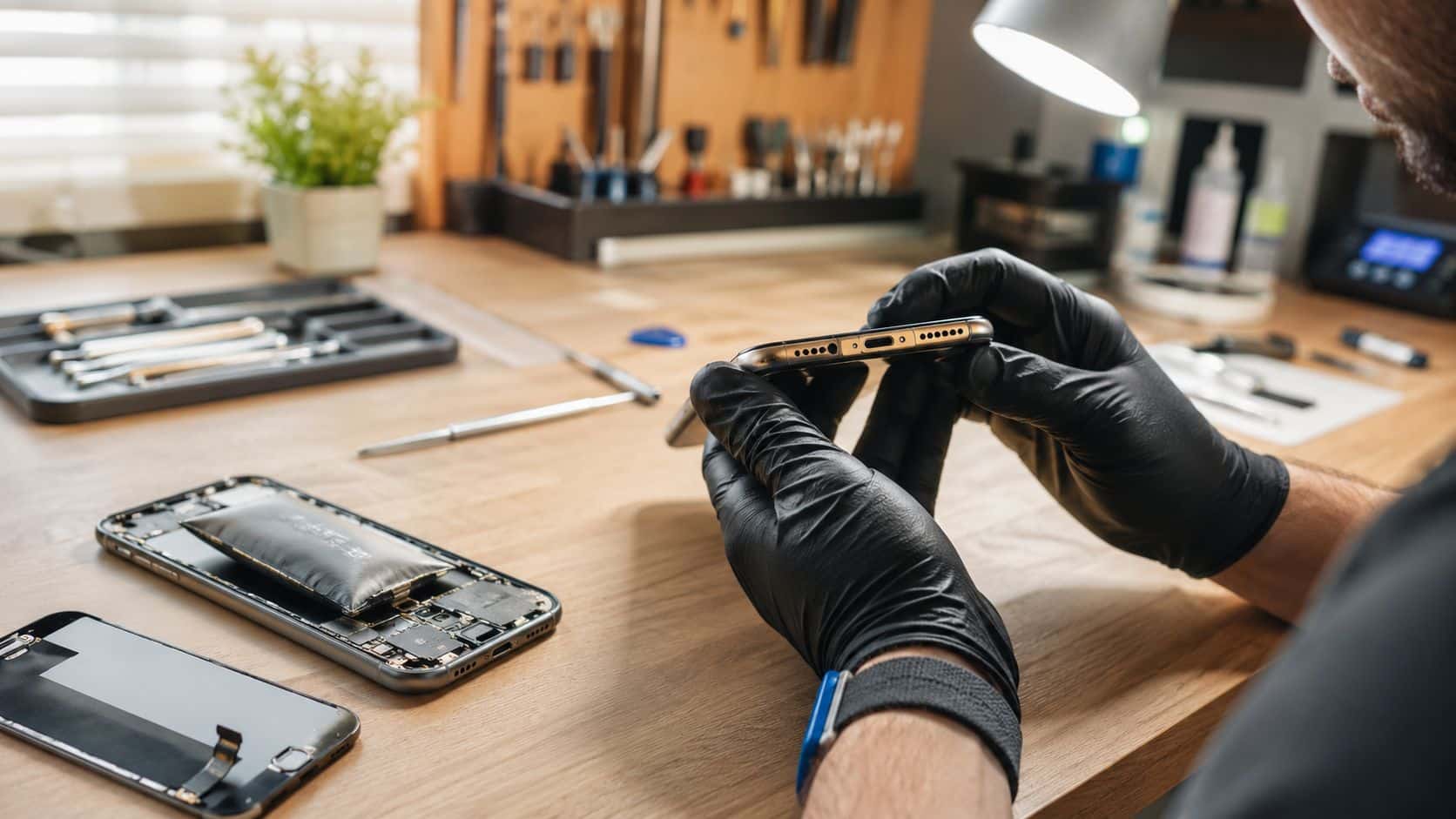
We see the same pattern again and again. A phone can look rough and still have solid internals, while a cleaner-looking handset can hide a tired battery, a damaged charge port or a speaker that is on its last legs. In the workshop, the warning signs usually show up early, heavy pocket wear, moisture marks, sticky buttons and worn connectors often tell the story before the software checks even begin.
That is why repair-versus-replace has to be judged properly. If the handset still has a decent platform, parts are easy to source and software support still makes sense, repair is the right call. If it is already behind on memory, storage and app performance, a better-refurbished model is the cleaner answer.
What we check before resale
What We Check Before Resale
- Screen condition: We check for lifting, cracks, touch faults and dead areas.
- Battery health: We look for batteries that still make sense for daily use, not just ones that power on.
- Charge port: We test for looseness, intermittent charging and damage from repeated use.
- Software and SIM-free status: We confirm the phone is ready for a clean UK resale and PAYG use.
- Camera, microphone and speaker: These get tested because calls and video matter in real use.
- Data wipe: We verify the device has been securely cleared before it goes back on sale.
- Cosmetic grade: We separate light wear from heavier marks so buyers know exactly what they’re getting.
If you are weighing up repair, replacement or resale, the honest question is simple, does the handset still earn its keep. Older PAYG phones with tiny storage and weak batteries can end up costing more in frustration than they save in cash. Our Used Mobiles 4U Refurbishment Process is built around making that decision properly, not guessing.
If you are dealing with old stock from a business line, there is also a sensible route for secure recycling and disposal through dispose of business smartphones. That matters more than people think, especially when several unused devices are sitting in a drawer.
How to Pick the Right PAYG Smartphone
A PAYG phone only works well if the hardware can keep up with everyday life. RAM and storage are the first things to check, because they affect app reloads, banking reliability and how badly the phone bogs down when you're moving between messages, maps and two-factor codes. On lower-cost Android handsets, 2GB RAM is the practical floor, while 32GB storage with microSD expansion is the sensible minimum to aim for. That lines up with modern prepaid guidance and Android Go's focus on lighter devices. Seenit on Virgin Media PAYG Android handset
The next filter is network support. LTE band compatibility matters more than flashy camera numbers if you want the phone to stay useful on UK networks. If the handset can't connect properly, the rest of the spec sheet doesn't matter much.
Spec priorities for PAYG smartphones
A common mistake is buying the cheapest phone and only checking the sticker price. Another is assuming a PAYG bundle is one-and-done when many now renew automatically. If you want a real life rule, buy for the next few years, not for the next week.
How to Pick the Right PAYG Smartphone – Quick Steps
- Back up your old phone before swapping SIMs.
- Choose the network that works best where you live and work.
- Check the handset is SIM-free.
- Confirm storage, battery condition and software support.
- Put the SIM in, then test calls, data and messaging straight away.
- Set a screen lock and account recovery options before you start using it.
How to Get Started With a PAYG Smartphone
Start with the old phone, not the new one. Back up photos, contacts and app data first, because once you move the SIM and start setting up the replacement, it's easy to forget something important. Then choose your PAYG network, order the SIM or eSIM, and fit it into a handset.
After that, top up or activate the bundle and test the basics. Make a call, send a text, open a web page and check mobile data before you trust the phone for day-to-day use. If you travel, make sure the handset is suitable for use abroad before you rely on it.
First settings to check
- Settings > Screen lock to set a PIN or biometric lock.
- Settings > Find My Device or Find My iPhone to switch on tracking.
- App Store or Google Play to sign in and restore your apps.
- Settings > Battery to check battery use and saving options.
- Settings > Network to confirm mobile data and calling are working properly.
Don't move the SIM before you've backed everything up. If you do, you can make a simple transfer messier than it needs to be. A good PAYG setup should feel boring in the best possible way.
Is PAYG With a Refurbished Phone Worth It?
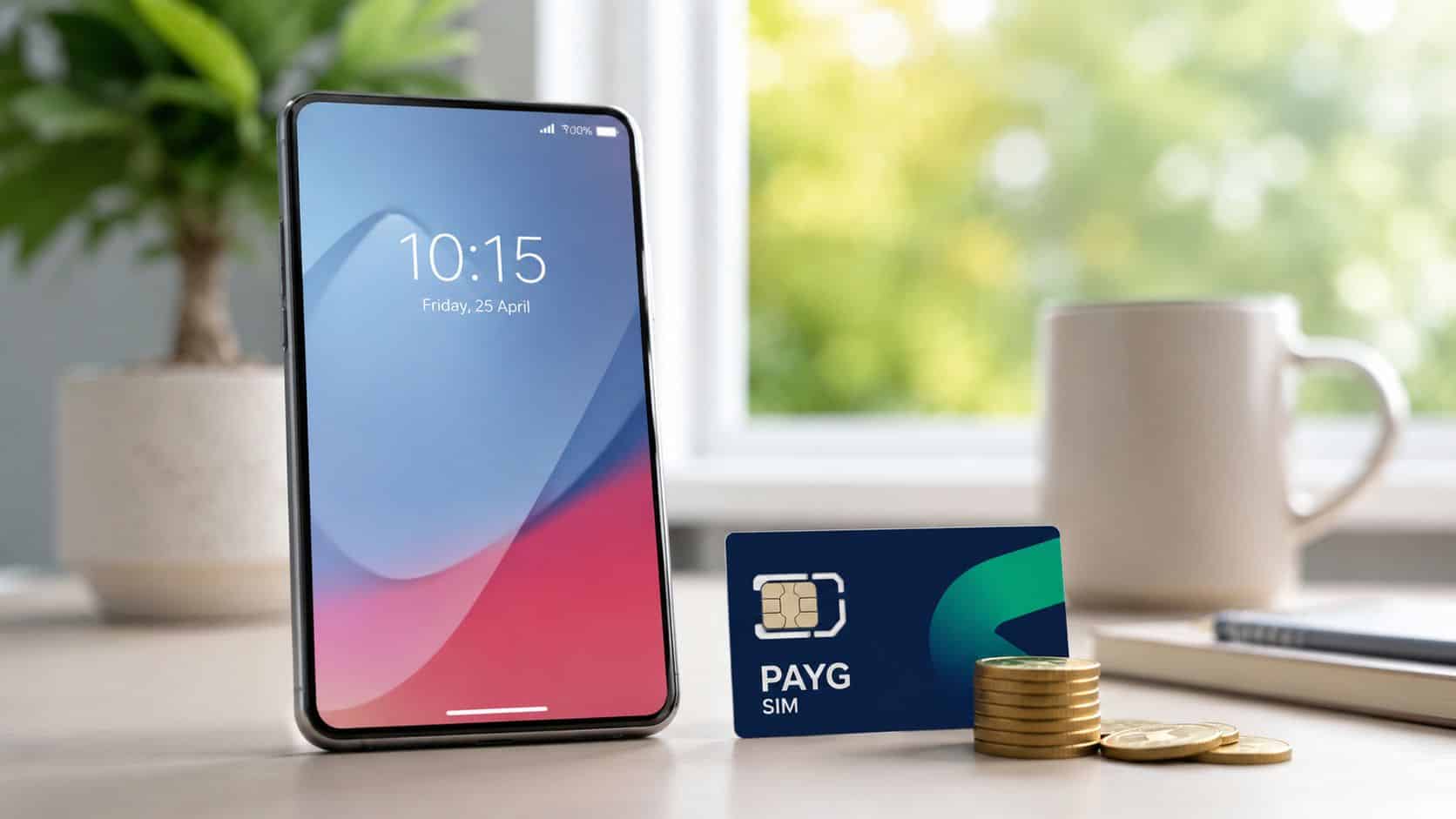
Yes, for the right buyer. PAYG suits people who want spending control, low commitment and a straightforward phone setup. It's weaker for heavy data users and people chasing the latest flagship on finance, because they'll usually be happier on SIM-only or contract.
Pairing PAYG with a certified refurbished phone is the sensible move if you want lower upfront cost without giving up proper testing, warranty cover and UK support. At Used Mobiles 4 U, the point is to sell devices that have been checked properly, graded fairly and made ready for normal use, not to push a handset just because it's cheap.
If you're buying today, look for a phone you can comfortably keep running for years, not one that looks tempting because of the sticker price. Check battery health, storage, and return cover before you hand over any money.
Written by James Waterston, 24 years in the mobile phone industry from customer service through to Sales Director of a global repair and recycling company. Now running Used Mobiles 4U for over 8 years.
LinkedIn: https://uk.linkedin.com/in/james-waterston-9039a21a
If you want a straightforward PAYG handset without paying over the odds for a new one, take a look at the refurbished range at Used Mobiles 4 U. You'll find tested, SIM-free phones that suit sensible budgets, and you can match the handset to the way you use your phone.
Looking for a refurbished phone?
Shop professionally tested refurbished iPhones and Samsung phones with 18 month warranty, 30 day returns and free UK delivery.
Browse Refurbished Phones