


What Is an Unlocked Phone: A Practical UK Guide

29/07/2026

11 Mins
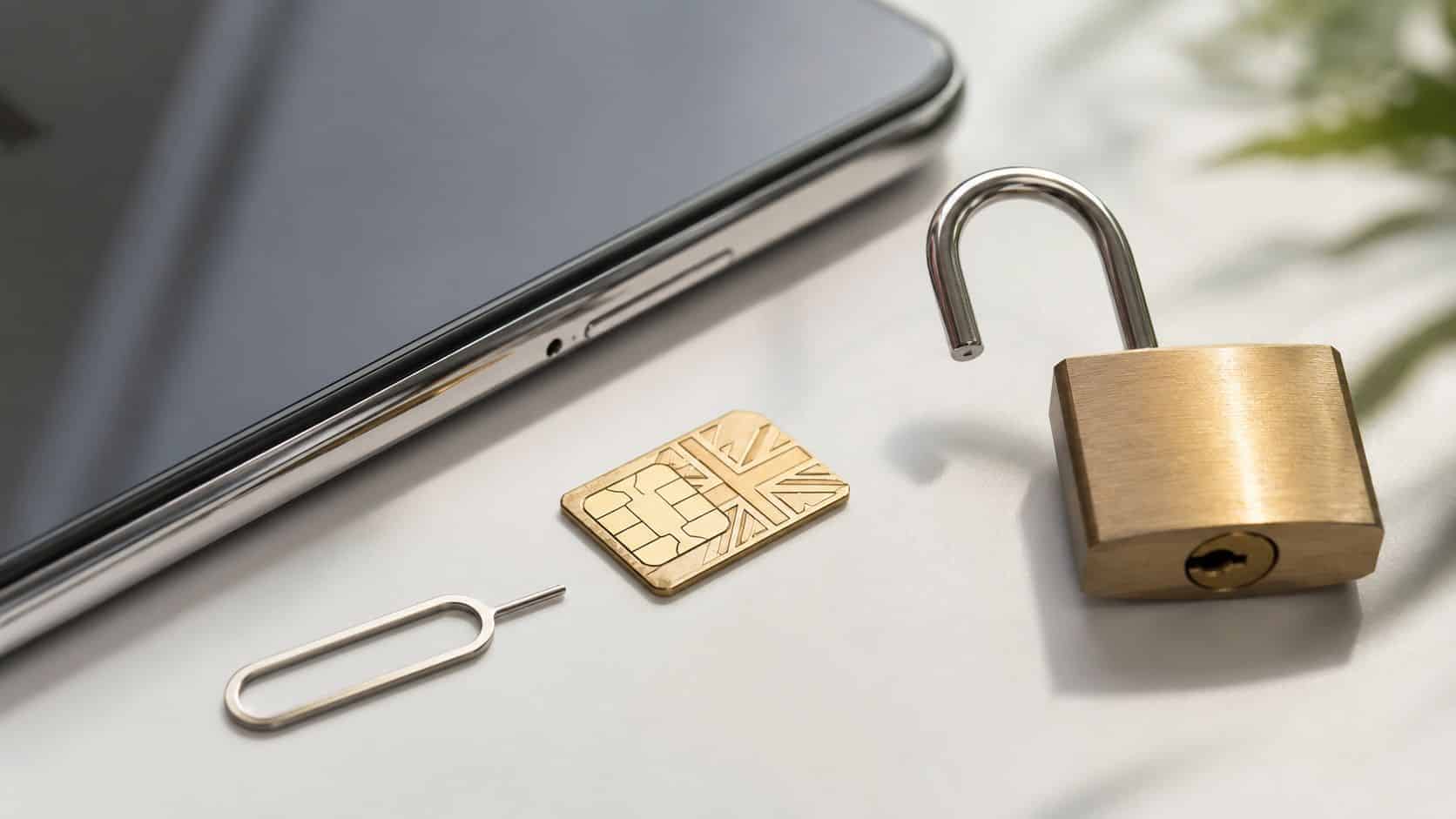
An unlocked phone is a handset not tied to one network, so you can swap in any compatible SIM or eSIM and move between providers without restrictions. In the UK, that matters because 4G coverage reached 99% of UK premises in 2024, while 5G outdoor coverage reached 82% of UK premises and 77% of the UK landmass in the same period, so the primary consideration is usually network fit, not whether the phone is locked.
If you're standing at the counter with an old iPhone, a refurbished Android, or a handset you're thinking of selling, that's the question to ask first. The lock status matters, but the bigger win is choosing a phone that works properly on the network you want.
Unlocked Phone Explained in Plain English
A what is an unlocked phone question has a very simple answer. It's a phone that isn't tied to one carrier, so you can use it with a different network's SIM or eSIM, as long as the handset is compatible.
That's the bit many care about in the UK. If your phone is carrier-free, you can change network without changing the device itself, which is why people use them for SIM-only deals, travel, and second-hand buying. A quick practical guide from the Used Mobiles 4 U guide to unlocked covers the same basic point from a retailer's angle.
If you're choosing between handsets on the go, a good non-phone example is a free navigation app for transit users, it only helps if your device and connection are usable. Same idea here, a phone without carrier restrictions only helps if it works on the network you want.
Practical rule: unlocked is about freedom from the carrier lock, not magical compatibility with every network.
The short version is this. If the phone is not restricted to a carrier, you're not stuck with the original provider. If it is restricted, you are.
Locked vs Unlocked and Why It Matters
A locked phone usually comes from a contract deal, and that lock stops the handset from working on another network until the restriction is removed. An unlocked phone is the opposite, you can move it across UK networks like EE, O2, Vodafone, Three, or a smaller MVNO if the phone supports the right bands.
That matters most when a contract ends. If you've paid for the device and want a cheaper SIM-only deal, a locked handset gets in the way. If the phone is not restricted, you can switch cleanly and keep the same handset, which is exactly what most sensible buyers want.
Common UK scenarios
A lot of UK buyers still think lock status is the main issue. It isn't. The issue is whether the handset is usable on the network you want, and whether it's in decent condition with enough battery life left to be worth owning.
The FCC's consumer guidance makes the basic point clearly, removing the carrier-imposed software restriction doesn't guarantee every network feature will work. That's the bit people miss, and it's why a clean, compatible phone free of carrier restrictions is valuable while a badly matched one is just cheap trouble.
What Unlocked Actually Gets You in the UK
An unlocked phone gives you freedom, but only in the practical sense. You can change network, move to a different SIM-only deal, and resell the handset more easily because the next buyer isn't stuck with your old carrier. That's the primary benefit, not some abstract technical badge.
For UK buyers, this is especially useful because new handsets sold here are generally already free from network restrictions, so the main question is often compatibility and setup rather than lock status. That's why we tell people to focus on the phone's actual network fit, especially if they're buying used or refurbished.
An unlocked phone still needs a mobile plan. It doesn't give you free calls, texts, or data, it just gives you the freedom to choose who supplies them.
What it gives you, and what it doesn’t
That last point matters. A phone can be carrier-free and still be the wrong buy. If it lacks the right bands, has weak battery health, or comes with no sensible warranty, you haven't bought flexibility, you've bought a headache.
One common example we see is a customer moving from a contract iPhone to a SIM-only plan and assuming any liberated handset will do. In practice, the deal only works if the phone is compatible with the network profile they want to use.
How to Check If a Phone Is Unlocked
The fastest way to check is in the settings, then by testing with a different SIM or eSIM profile. Don't overcomplicate it. If you've got the phone in your hand, you can usually tell in minutes.
How to check on iPhone
Go to Settings > General > About, then look for Network Provider Lock. If it shows no SIM restrictions, that's the sign you want. Apple's wording is straightforward, and it saves a lot of guessing.
How to check on Android
The exact menu can vary by model, but start at Settings > Network & internet > Mobile network. If the device lets you add or use a different SIM or eSIM profile without a carrier block, that's a good sign the phone is not carrier-restricted.
If you're about to test or reset the handset, back it up first. People lose photos, messages, and app data because they rush this step, and that's not worth it.
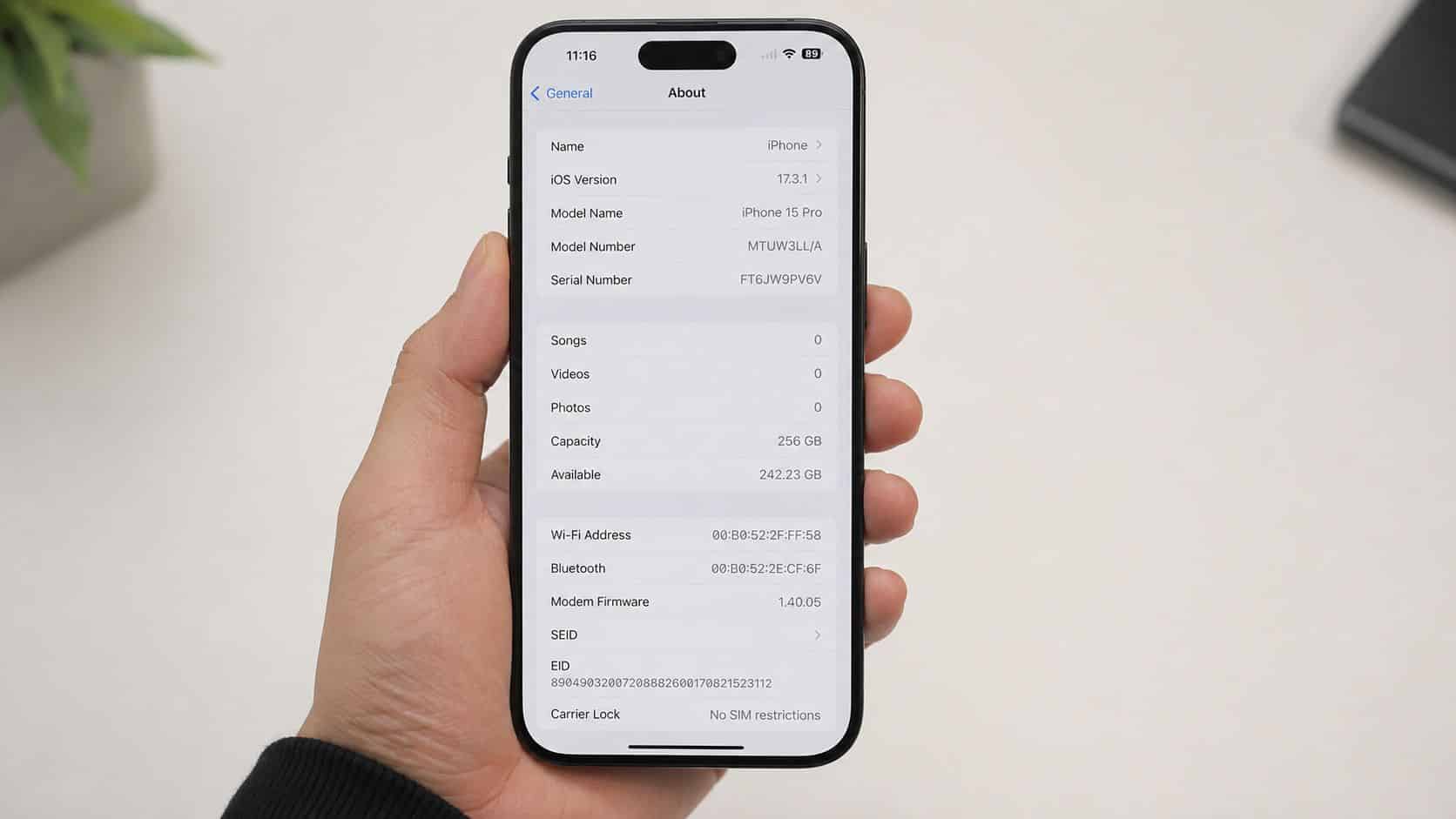
The easiest real-world test is still a SIM swap. Insert a SIM from another network, or use an eSIM if the phone supports it, and see whether the handset connects properly. If you're checking a used device for a phone number or service state at the same time, a guide for anonymous verification can be useful for understanding how number and SIM checks are handled in practice.
For a more detailed walkthrough, our SIM card unlock guide UK is the practical version worth keeping handy.
SIM and eSIM Compatibility Across UK Networks
The term only applies if the phone is compatible with your desired network. That means band support, SIM support, and, on newer models, eSIM support all need to align. A handset can meet the technical definition and still be a poor match for UK use if the radio stack is incorrect.
A common example we see is someone moving from a contract iPhone to a SIM-only Three plan and assuming the swap will be instant. If the device is network-free, that's only half the job. The device still has to accept the SIM or eSIM profile and support the right bands for decent coverage.
What buyers usually ask us
- Will this work on EE, O2, Vodafone, or Three? It might, but only if the bands line up.
- Can I use eSIM instead of a physical SIM? Yes, if the handset supports it and the network offers it.
- What about imported phones? They can be network-free and still miss a UK band, which is where trouble starts.
- Do I need dual SIM? Only if you plan to juggle two numbers or travel with more than one provider.
Samsung's carrier-free Galaxy S23 Ultra is a good example of what compatible support looks like, because its published bands include 5G n1, n3, n7, n28, n40, n41, n66, n71 and mmWave n41/n78, plus 4G LTE bands B1/B3/B7/B8/B20/B28. That doesn't mean every carrier-free phone is equally suitable, it just shows why the bands matter as much as the carrier status.
For a deeper eSIM-specific comparison, our which refurbished iPhones support eSIM in UK guide is the one to read next if you're switching plans.
Buying a Refurbished Unlocked Phone the Smart Way
Buyers can save money or waste it. A refurbished phone that is not tied to a carrier is only a good purchase if the device has been checked properly, the battery is still healthy enough for daily use, and the grade description matches the actual condition.
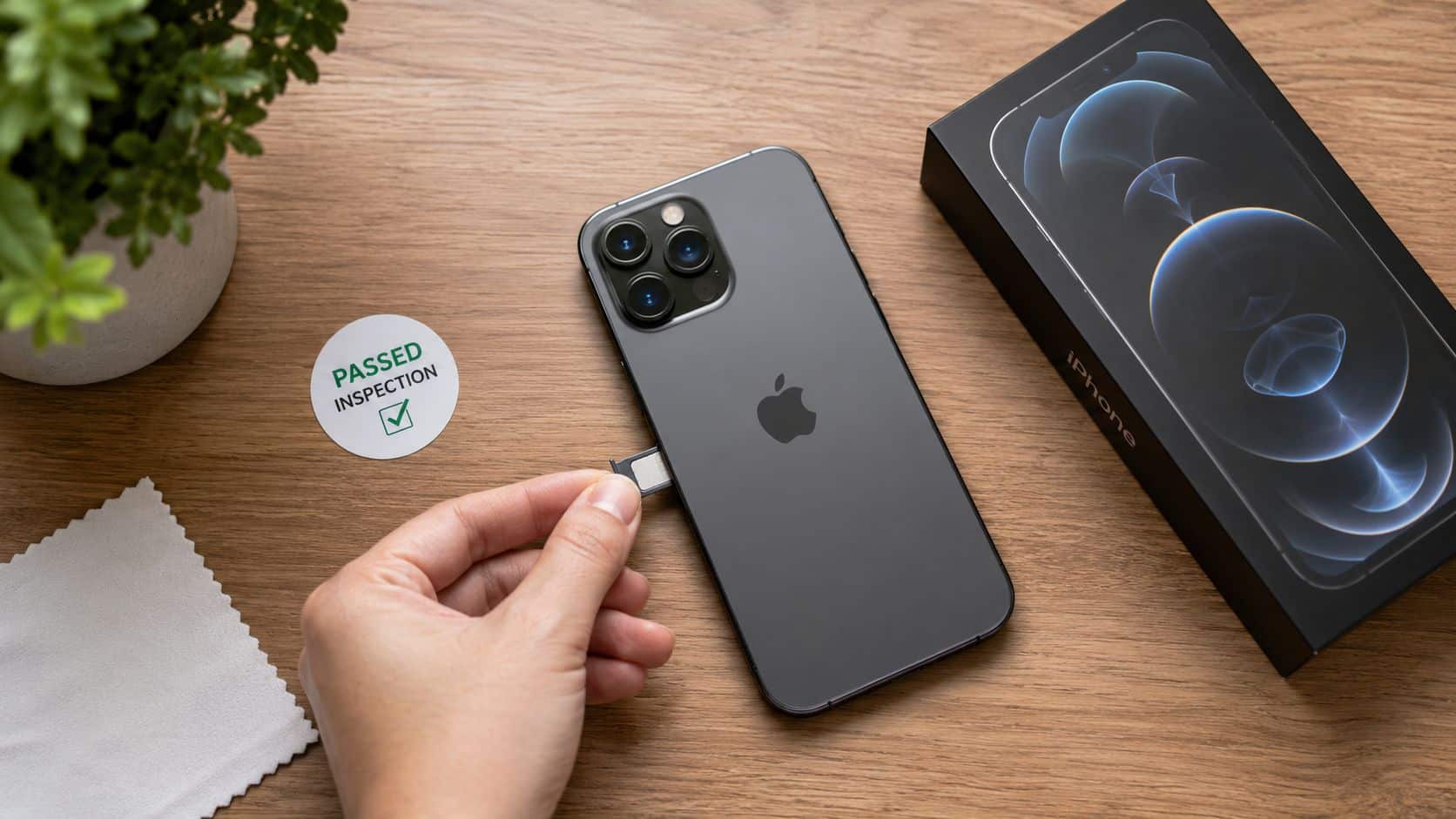
Our technicians often see the same pattern on trade-ins. Batteries are the first thing to feel tired, followed by worn charging ports, screen marks, camera issues, and buttons that have taken a bit too much daily abuse. On an iPhone, we also check Face ID, cameras, microphones, speakers, charging, and battery condition before resale.
What we look at before resale
- Battery health: We want enough remaining life for normal daily use, not a phone that needs charging all day.
- Charging and ports: Loose connectors or unreliable charging are common on older handsets.
- Cameras and audio: Front camera, rear camera, microphones, and speakers all need to work properly.
- Cosmetic grade: A Like New phone should look much cleaner than a Good one, even if both are fully functional.
- Software and reset status: The handset must be properly wiped and ready for the next owner.
Our rule is simple. If the phone is in rough condition, don't pay for the label alone. A smart buyer checks battery, repair history, and warranty before getting excited about the term carrier-free.
If you want a broader place to browse, the buy refurbished iPhones UK page is the right starting point, and our refurbished range is built around clear grading and UK support. For battery-focused buying, the battery health guide on site is worth a look before you commit.
Common Myths and Mistakes UK Buyers Make
The biggest myth is that a phone not tied to one network automatically means safe, compatible, or high quality. It doesn't. It only means the device isn't restricted to a single carrier, and that's just one part of the decision.
Another mistake is assuming every UK handset is locked. That used to be more of a talking point, but for most modern UK buyers the main problem is not carrier lock, it's whether the handset is fit for the chosen network and whether the seller has described it accurately.
What to check first
A lot of people also assume removing the carrier lock voids a warranty. That isn't the right way to think about it. What matters more is whether the device was modified properly, and whether any repairs or modifications have affected the handset's support status. For most UK buyers, a clean warranty and proper testing matter more than the carrier lock label.
My blunt advice is this. Start with battery health, band compatibility, and warranty, then look at the phone's network freedom. If a phone fails one of those first three, don't talk yourself into it just because the listing says it works with any carrier.
Unlocked Phone Questions UK Buyers Ask Us
Can I unlock my current phone for free when the contract ends?
Often, yes, if the carrier's conditions are met. The practical point is that the process has to be completed properly before you move networks, otherwise you'll end up with a handset that still behaves like a locked one.
Will an unlocked iPhone work with any UK network and MVNO?
Usually, yes, if the phone supports the right bands and the network profile is compatible. MVNOs are fine in principle, but the handset still has to match the service you're putting into it.
Does eSIM support mean the phone is unlocked?
No, eSIM support is a feature, and carrier compatibility is a separate issue. A phone can support eSIM and still be restricted to a specific carrier, or it can be carrier-agnostic and not support the eSIM setup you want.
Is a refurbished unlocked phone a safe buy?
Yes, if it's been tested properly, wiped securely, and sold with sensible warranty support. That's the sort of handset worth considering, especially if you want value without gambling on the unknown.
If you want a straightforward route to a tested handset, read our warranty and repair or replace guides next, then compare them with the refurbished listings. That's the sensible way to buy, not by chasing the cheapest headline.
Written by James Waterston, 24 years in the mobile phone industry from customer service through to Sales Director of a global repair and recycling company. Now running Used Mobiles 4U for over 8 years.
LinkedIn: https://uk.linkedin.com/in/james-waterston-9039a21a
A what is an unlocked phone answer in the UK is really about freedom, compatibility, and value, not gimmicks. If you want a handset that's been tested, clearly graded, and ready for a UK SIM or eSIM, take a look at Used Mobiles 4 U and choose a refurbished phone that fits the network you use.
Looking for a refurbished phone?
Shop professionally tested refurbished iPhones and Samsung phones with 18 month warranty, 30 day returns and free UK delivery.
Browse Refurbished Phones