


Why Buying Second-Hand Mobile Phones is a Smart Choice

18/05/2025

6 Mins
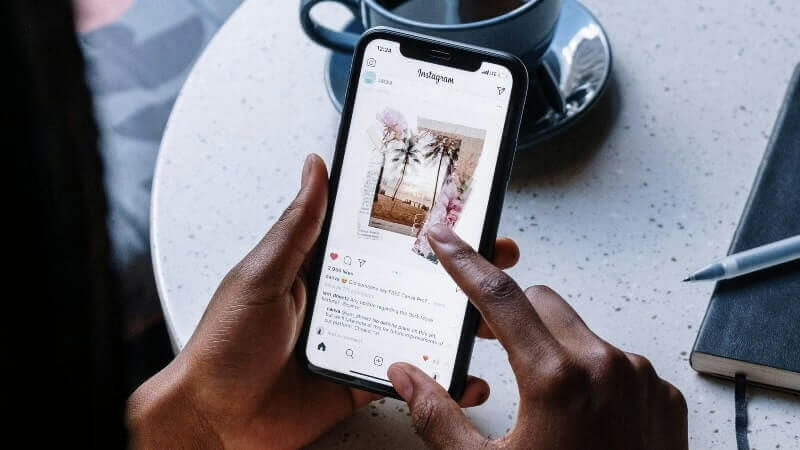
Second-Hand Mobile Phones for Sale: The Ultimate Guide to Smart, Sustainable Buying
In today’s fast-paced digital world, mobile phones have become an indispensable part of everyday life. From staying connected with loved ones to running businesses on the go, smartphones serve multiple purposes. While the allure of the latest models and cutting-edge technology is strong, the high cost and environmental impact of purchasing a new phone can be discouraging.
That’s where Second-Hand Mobile Phones come into play. These devices offer a practical, affordable, and eco-friendly alternative to brand-new phones. Whether you’re on a tight budget, looking for a backup phone, or simply seeking better value for money, buying used can be a smart choice.
In this comprehensive guide, we’ll explore everything you need to know about Second-Hand Mobile Phones—from the benefits and buying tips to where to shop and how to ensure you’re getting a reliable device.
Why Consider a Second-Hand Mobile Phone?
1. Save Money Without Sacrificing Quality
The most obvious advantage of purchasing a second-hand phone is cost savings. Pre-owned devices often sell for 30% to 70% less than their brand-new counterparts. This price drop doesn’t necessarily reflect a compromise in quality—many Second-Hand Mobile Phones are in excellent condition and function just like new.
You could snag last year’s flagship model—such as an iPhone or Samsung Galaxy—at a fraction of the price, complete with powerful specs and features that still hold up in today’s market.
2. Great for Budget-Conscious Consumers and Families
Families with multiple members often face high expenses when upgrading several devices. Buying Second-Hand Mobile Phones allows parents to equip their children with functional smartphones without overspending. It’s also a fantastic choice for students or freelancers who need reliable tools without breaking the bank.
3. Find Models No Longer in Production
If you loved a particular phone model that’s now discontinued, the second-hand market might be the only way to find it. Many people prefer older models for their simplicity, headphone jacks, or compact size, which are often missing in newer releases.
The Environmental Impact: A Greener Choice
Choosing a second-hand phone is not just good for your wallet—it’s good for the planet. The electronics industry is one of the fastest-growing sources of e-waste, contributing to pollution and resource depletion. Manufacturing new phones requires rare earth materials, significant energy, and water resources.
Benefits of Buying Second-Hand for the Environment:
-
Reduces E-Waste: Extends the life cycle of phones that would otherwise end up in landfills.
-
Lowers Carbon Footprint: Avoids emissions generated from the manufacturing and shipping processes of new devices.
-
Encourages Circular Economy: Promotes reuse and responsible consumption.
If you’re striving for a more sustainable lifestyle, opting for Second-Hand Mobile Phones aligns perfectly with eco-conscious values.
What to Consider Before Buying a Second-Hand Phone
To make a smart and satisfying purchase, here are key factors to evaluate before buying:
1. Device Specifications and Compatibility
Research the phone’s:
-
Operating system (iOS, Android)
-
Battery life
-
Camera quality
-
Storage capacity
-
Software support
-
Network compatibility (especially if the phone was locked to a specific carrier)
Make sure it supports your local network bands and will receive software updates for at least a year or two.
2. Physical Condition
Inspect or inquire about:
-
Screen: Cracks, scratches, and dead pixels.
-
Frame and buttons: Any dents, looseness, or wear and tear.
-
Back cover: Especially if it’s glass, check for fractures.
-
Ports and accessories: Make sure the charging port, headphone jack, and speakers are working properly.
3. Functionality Tests
If possible, test:
-
Wi-Fi and Bluetooth connectivity
-
Touchscreen responsiveness
-
Fingerprint scanner or Face ID
-
Front and rear camera quality
-
Call clarity and microphone/speaker functions
When evaluating Second-Hand Mobile Phones, these tests can help you determine if the device still performs up to standard.
Verifying Authenticity: Avoiding Counterfeit or Stolen Devices
With the rise of refurbished and pre-owned markets, the risk of buying counterfeit or stolen devices has grown. Here’s how to protect yourself:
1. Check the IMEI Number
Every mobile phone has a unique IMEI (International Mobile Equipment Identity) number. Use it to:
-
Check if the phone is blacklisted or reported stolen
-
Verify the model and warranty status with the manufacturer
-
Ensure it matches the device packaging and documentation
Websites like IMEI.info or your mobile carrier’s online tool can help with this verification.
2. Ask for Proof of Purchase
Legitimate sellers should be able to provide:
-
Original purchase receipt
-
Warranty documentation
-
Official accessories and original packaging (if available)
This is particularly important when purchasing Second-Hand Mobile Phones from individuals or smaller dealers.
3. Inspect for Tampering
Look for signs of unauthorized repairs, such as mismatched screws, screen lifting, or software that looks altered or rooted/jailbroken.
Where to Buy Second-Hand Mobile Phones
Finding a reputable source is just as important as the phone itself. Here are the top options:
1. Online Marketplaces
Pros:
-
Wide selection
-
Often cheaper prices
-
Ability to negotiate directly with sellers
Cons:
-
Higher risk of scams
-
Limited return policies
Examples:
-
Facebook Marketplace
-
Gumtree
-
Craigslist
Tip: Look for sellers with verified reviews and ratings. Always meet in public places and test the phone before payment if buying in person.
2. Certified Refurbished Stores
These include manufacturers and third-party retailers who refurbish and certify phones before reselling them.
Pros:
-
Devices tested and graded
-
Often include warranties
-
Lower risk of defects or fraud
Cons:
-
Higher price than peer-to-peer sales
Examples:
-
Apple Certified Refurbished
-
Amazon Renewed
-
Back Market
-
Swappa
For reliable Second-Hand Mobile Phones, these certified platforms offer extra peace of mind.
3. Pawn Shops and Second-Hand Electronics Stores
Pros:
-
In-person inspection
-
Opportunity to test the device
-
Potential for same-day purchase
Cons:
-
Limited inventory
-
Variable pricing
4. Friends or Family
Buying from someone you know adds trust and transparency to the transaction. You can test the phone thoroughly, ask questions directly, and possibly get a better price.
How to Ensure the Phone Meets Your Expectations
Use the checklist below for a thorough quality assessment:
This checklist is especially useful for evaluating Second-Hand Mobile Phones bought from individuals or local sellers.
Negotiating Like a Pro: Get the Best Deal
If you’re buying from an individual seller or an open marketplace, negotiation is often expected. Here’s how to approach it:
-
Know the market price: Use sites like eBay’s “sold listings” or Google Shopping to understand fair pricing.
-
Highlight flaws: Use any physical wear or missing accessories as leverage for a lower price.
-
Bundle items: Ask if the seller can include a case, charger, or other accessories.
-
Be respectful: Kindness and politeness go a long way in negotiations.
-
Set a limit: Have a maximum price in mind and be willing to walk away.
Negotiation is an important part of buying Second-Hand Mobile Phones, and being well-prepared can help you save even more.
Warranties and Return Policies: Your Safety Net
Even second-hand devices should offer some protection. Always ask:
-
Does the phone come with a seller or third-party warranty?
-
What’s the duration and scope of coverage (battery, screen, internal components)?
-
Is there a return window in case the phone has hidden faults?
Certified refurbished phones usually include a limited 6-month to 18 Month Warranty. If you’re buying from an individual, you may not get any guarantee—so verify everything up front.
The availability of warranties and returns makes certified Second-Hand Mobile Phones particularly appealing.
When Is a Second-Hand Phone Not Worth It?
There are situations where buying second-hand may not be ideal:
-
If the phone is too old to receive software updates
-
If battery health is extremely degraded and replacement is costly
-
If the device is locked to a network you don’t use
-
If the phone has been jailbroken/rooted and warranty voided
Always balance the potential savings vs. risk and expected lifespan when buying Second-Hand Mobile Phones.
Final Thoughts: Is Buying a Second-Hand Phone Right for You?
Buying a second-hand mobile phone can be an excellent decision—financially, environmentally, and practically. With a bit of research and caution, you can get a powerful, feature-rich device without paying premium prices or contributing to e-waste.
To summarize:
-
✅ Great way to save money
-
✅ Access older and discontinued models
-
✅ Reduce your environmental impact
-
✅ Avoid long-term contracts
-
✅ Ideal for backup phones or travel
Whether you’re buying your first smartphone or upgrading your current one, the Second-Hand Mobile Phones market is worth exploring.
Looking for a refurbished phone?
Shop professionally tested refurbished iPhones and Samsung phones with 18 month warranty, 30 day returns and free UK delivery.
Browse Refurbished Phones