


Are Refurbished Phones Safe UK

28/05/2026

9 Mins
Yes, refurbished phones are safe in the UK if they’ve been properly wiped, tested and are still supported with security updates. The risky part usually isn’t the phone being second-hand. It’s buying from a seller who can’t prove what’s been checked.
A used phone from a private seller and a refurbished phone from a retailer are not the same thing. One may simply have changed hands. The other should have gone through data wiping, testing, grading and a warranty-backed resale process.
Are Refurbished Phones Safe in the UK? The Simple Answer
They can be, and in many cases they’re a perfectly sensible buy. The key is that safety comes from the process behind the phone, not the word “refurbished” on its own.
In the UK, the National Cyber Security Centre says buyers should avoid phones that no longer receive manufacturer support and that a proper factory reset removes the previous owner’s messages, contacts, photos, browsing history, Wi-Fi codes, passwords and apps before reuse. That’s the right baseline to work from when you’re asking if are refurbished phones safe UK is a real concern. A phone is safe when it has been wiped properly and still gets security updates from the manufacturer, as set out in the NCSC guidance on second-hand devices.
Practical rule: Don’t judge safety by cosmetic grade first. Judge it by data wiping, testing, software support and warranty.
That’s also where private sales often fall down. A handset can look immaculate and still be a poor buy if it’s unsupported, badly reset, network-locked or carrying someone else’s leftover data. By contrast, a scratched phone that’s been processed properly is usually the safer purchase.
In Plain English: What Makes a Refurbished Phone Safe
- Verified data wipe: A proper refurbishment process removes the previous owner’s data and checks that the reset has actually been completed.
- Still supported: The phone should continue to receive iPhone or Android security updates for a reasonable period after you buy it.
- Battery in healthy working order: A sensible benchmark is around 80% capacity or better, and many buyers prefer a stronger buffer for daily use.
- Full functional testing: Screen, cameras, charging, speakers, microphones, buttons, Face ID, Touch ID, fingerprint sensor, signal and ports all need checking.
- Clear cosmetic grading: Marks and scuffs are fine if they’re described honestly. Cosmetic wear should not mean hidden faults.
- Warranty included: A refurbished phone should come with retailer support if something develops into a fault after purchase.
- Unlocked status confirmed: For most UK buyers, SIM-free and unlocked is the safer, simpler option.
- Seller transparency: If a retailer can’t explain how the phone was wiped, tested and graded, move on.
If you want the basic difference between a second-hand handset and one that has been processed for resale, Used Mobiles 4 U explains refurbished phones in plain terms.
Data Wiping and Privacy: The Most Important Safety Check
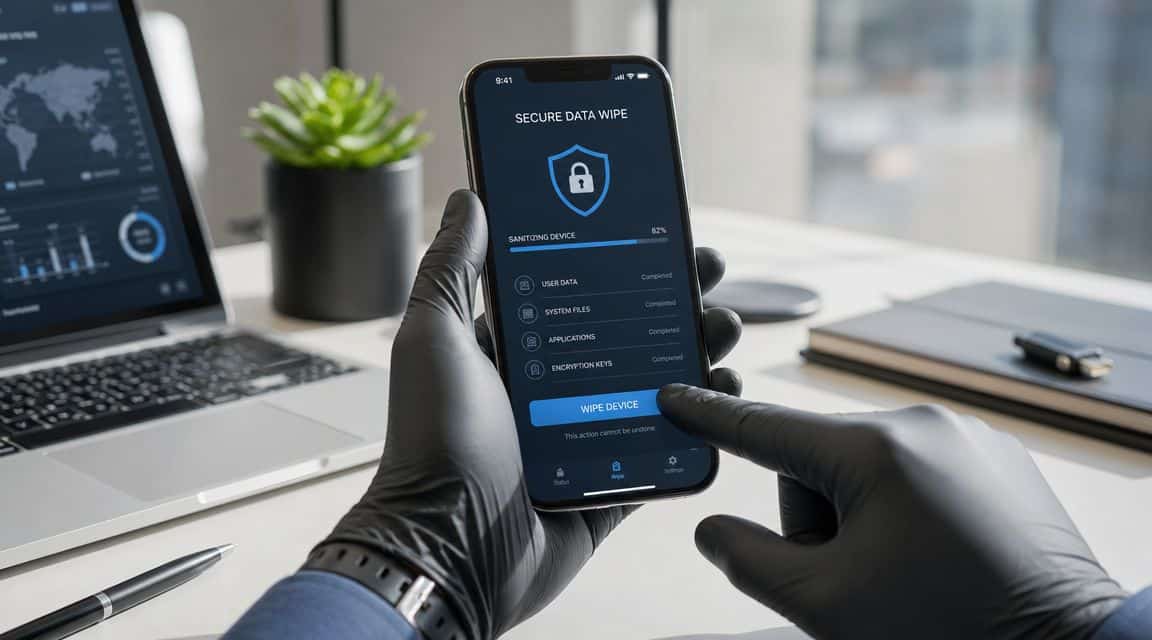
The biggest safety issue with any second-hand phone isn’t usually the screen or the battery. It’s the previous owner’s data.
People often assume a quick reset solves everything. It doesn’t always. UK research on second-hand mobile devices found that 52% had been reset to factory settings or had user data effectively removed, yet 28% still contained leftover personal data when deletion had not been done properly, which is why a verifiable wipe matters far more than a verbal promise from a seller in a marketplace listing. That finding comes from this study of second-hand mobile devices.
Why a private sale can be the weaker option
A common example we see is someone buying a “bargain” phone from Facebook Marketplace or a local listing because it powers on and looks clean. That tells you almost nothing about whether the device has been wiped properly, whether activation locks have been removed, or whether old account traces are still sitting in the handset.
That sort of purchase can work out fine. It can also leave you with privacy risk, setup headaches and no comeback if something’s wrong.
A factory reset is only reassuring if you trust the process behind it.
What a safer refurbishment process looks like
A proper resale process should include account removal checks, secure wiping, reset verification and a clean setup state ready for the next owner. The phone should arrive as if it’s being switched on for the first time, not half-linked to somebody else’s Apple ID or Google account.
For sellers, the same principle matters before a device ever reaches the refurb bench. If you’re trading in or recycling an old handset, these essential pre-recycling phone checks are worth doing properly. It protects your data and avoids delays later on.
- Look for proof of process: Ask how the device was wiped and reset before resale.
- Avoid vague listings: “Phone works fine” is not the same as “professionally data-wiped and reset”.
- Check setup status: A safe phone should start clean, with no previous-user prompts or lock issues.
If you only remember one part of this article, make it this. A refurbished phone is only as safe as the wiping process behind it.
Hardware, Batteries, and Grading: What We Test For
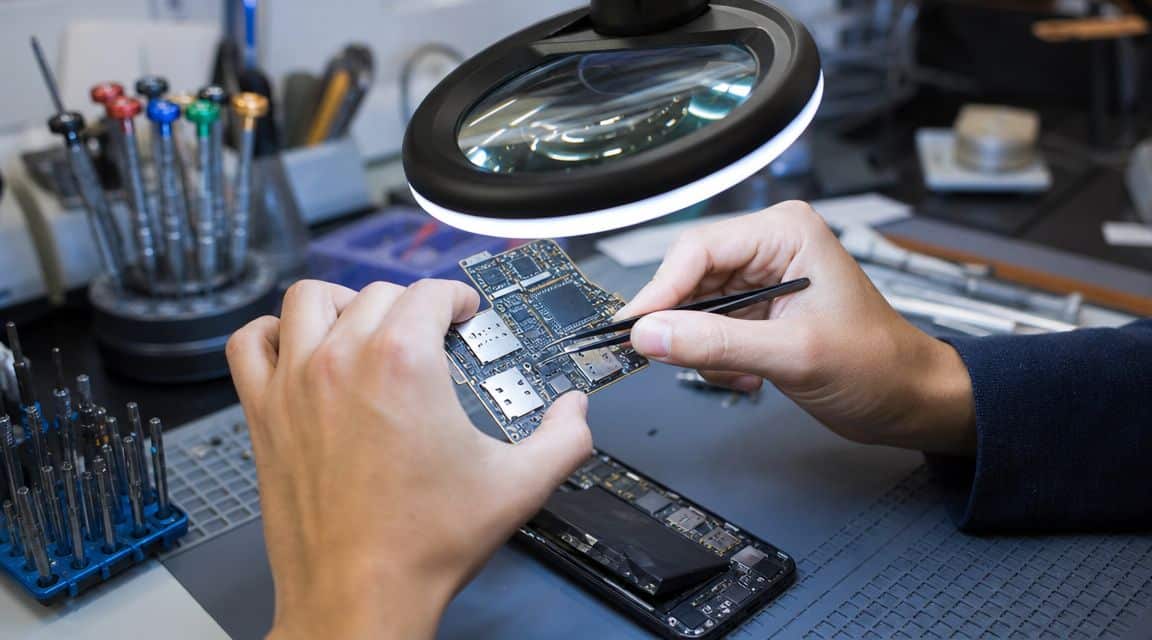
Once the data side is covered, the next question is simple. Does the phone actually work properly in daily use?
This is where “used” and “refurbished” really separate. A private seller might tell you the phone is fine because the screen lights up and the camera opens. A technician checks the parts that usually cause trouble after a week, not just the parts that look good in a quick handover.
What gets checked on a properly refurbished phone
At minimum, the device should be tested for charging, battery behaviour, touchscreen response, cameras, microphones, speakers, earpiece, buttons, signal, Wi-Fi, Bluetooth and port condition. On iPhones, Face ID or Touch ID matters. On Android phones, fingerprint readers and charging consistency matter just as much.
We also separate cosmetic grade from functional condition. That matters because buyers often confuse the two. A phone in Good condition may have visible wear but still be fully reliable. A shiny-looking used phone can still have a weak battery, poor charging connection or an intermittent speaker fault.
Bench rule: Scratches affect appearance. Faults affect ownership.
Battery health matters more than many buyers realise
The battery is one of the first things experienced buyers ask about, and rightly so. UK guidance and reseller practice commonly use around 80% to 85% battery health as a practical benchmark, alongside a warranty, because weaker batteries are more likely to bring unstable performance and shutdown frustration. The wider safety baseline from the UK’s cyber guidance is also that the phone should be reset and still receive security updates, which you can read in the NCSC advice on buying and selling second-hand devices.
In real life, battery health isn’t just about how many hours you get. It affects whether the phone stays responsive, whether it charges predictably and whether it feels trustworthy when you need it all day. A battery can still technically work while giving a poor ownership experience.
What grading should tell you
- Like New or similar: Minimal visible wear. Best if you care about presentation or you’re buying as a gift.
- Very Good or equivalent: Light signs of use. Usually the sweet spot for value.
- Good: More obvious marks, but it should still be fully tested and fully functional.
What doesn’t work is buying purely on the cheapest grade without checking battery standards, support status and warranty terms. Cosmetic wear is easy to live with. Functional compromises usually aren’t.
Our Experience Refurbishing Phones at Used Mobiles 4U
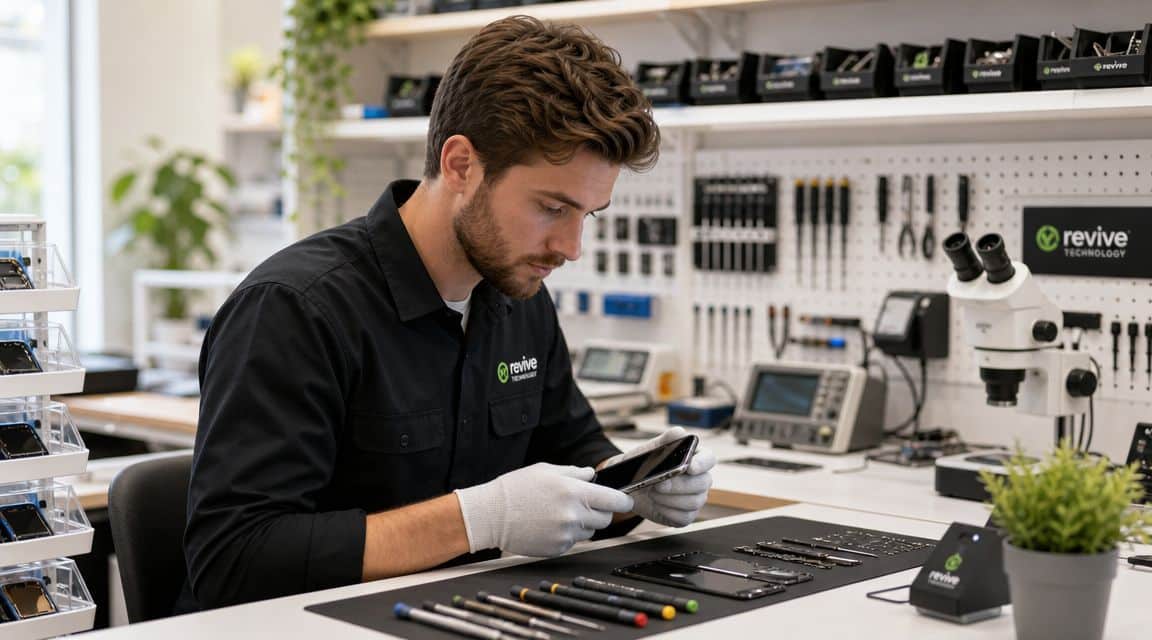
One thing we regularly notice is that buyers often focus first on storage and cosmetic condition, then ask about battery health, and only later think about software support. From a safety point of view, that order should really be reversed.
Our technicians often see older iPhones and Samsung models that still look decent physically but are poor value if support is running out. That’s the part many people miss. A phone can be clean, tested and working, but if it’s close to the end of its update life, it becomes a weaker long-term buy.
UK consumer guidance from Which? and MSE makes the same practical point. A phone is only a good buy if it will continue to receive security updates, because those updates are what keep it protected after purchase. That’s one reason software support is checked for every model we sell, and the same standard should apply wherever you shop. MSE covers that well in its advice on buying refurbished phones.
What we commonly see
- Battery complaints on older stock: The phone still functions, but the user experience drops off quickly if the battery is tired.
- Heavy-use signs around ports and buttons: Charging ports, mute switches and power buttons often reveal how hard a phone has been used.
- Screen wear that photos hide: Light scratches can look minor online but become obvious in bright daylight.
- Older “cheap” models that aren’t good value: Saving a little upfront can be false economy if update support is short.
- Grade differences that are purely visual: Many lower-grade phones perform just as well once testing is done properly.
Repair or replace usually comes down to this
A common example we see is someone comparing an older handset that needs a battery or screen with a slightly newer refurbished replacement. If the old device is also near the end of software support, replacing it often makes more sense than putting more money into it. If it’s still well supported and otherwise sound, repair can still be the sensible route.
For buyers who want to understand how a retailer handles testing, cleaning and parts decisions before resale, the Used Mobiles 4U Refurbishment Process shows what that workflow should look like.
A Practical Checklist for Buying a Safe Refurbished Phone
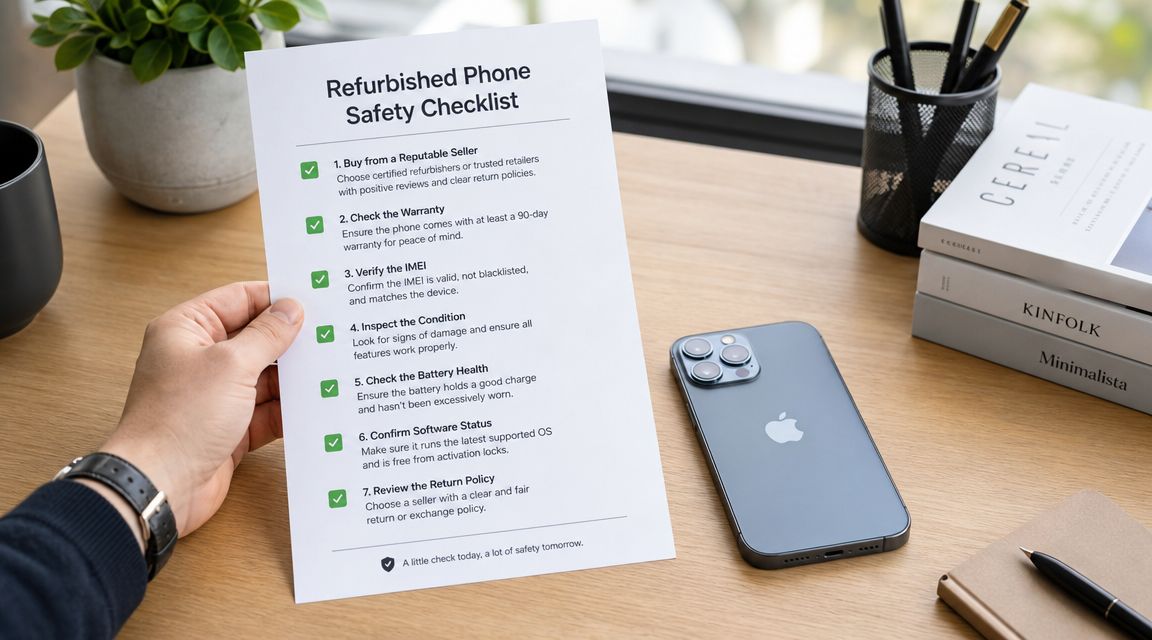
If you’re comparing listings and want a simple filter, use this before you spend anything.
How to check a refurbished phone before you buy
- Confirm it’s still supported. Ask whether the exact model is still receiving security updates from Apple or the Android manufacturer.
- Ask how the phone was wiped. You want a retailer that can clearly state the phone was professionally data-wiped and reset before resale.
- Check the battery standard. Don’t settle for vague wording like “holds charge well”. Ask what minimum battery health or battery standard is used.
- Read the grade description carefully. Make sure cosmetic grading is explained clearly so you know whether marks are light, moderate or more obvious.
- Make sure it’s unlocked. SIM-free and unlocked is the safer choice for most UK buyers, especially if you might change networks.
- Check the warranty length and returns policy. A proper refurbished phone should come with after-sales support, not just a listing that disappears once the parcel arrives.
- Look for key function checks. Charging, cameras, speakers, microphones, screen response and biometric security should all have been tested.
Ask the seller questions that are easy for a real refurbisher to answer and awkward for a casual reseller to dodge.
What should make you walk away
- No mention of support status: That’s a warning sign on older models.
- No clear battery policy: If they won’t say, assume the answer won’t help you.
- Vague condition notes: “Good for age” tells you very little.
- No warranty or weak returns handling: That’s closer to a private sale than a professional refurbishment.
- Activation or account uncertainty: Never take a chance on that.
You don’t need a seller to use flashy language. You need them to be specific.
Final Verdict: A Safe Choice with the Right Seller
So, are refurbished phones safe in the UK? Yes, they are, if the phone has been properly wiped, properly tested and is still within software support.
The safest refurbished phone isn’t necessarily the newest or the prettiest. It’s the one sold through a process you can verify. That means secure data wiping, reliable hardware checks, sensible battery standards, clear grading and a real warranty behind it.
If you’re still weighing up options, this guide on where to buy refurbished iPhones UK is a useful next step. Buy on process, not just price, and a refurbished phone can be a very safe purchase.
Written by James Waterston, 24 years in the mobile phone industry from customer service through to Sales Director of a global repair and recycling company. Now running Used Mobiles 4U for over 8 years.
LinkedIn: James Waterston on LinkedIn
If you want a refurbished iPhone or Android phone that’s been tested, securely wiped, clearly graded and sold with UK support, take a look at Used Mobiles 4 U.
Meta description: Are refurbished phones safe UK? Yes, if they’re professionally wiped, tested, supported with updates and sold with a warranty. Here’s what to check.
Looking for a refurbished phone?
Shop professionally tested refurbished iPhones and Samsung phones with 18 month warranty, 30 day returns and free UK delivery.
Browse Refurbished Phones