


Refurbished iPhone Unlocked UK Meaning Explained by Experts

16/06/2026

11 Mins
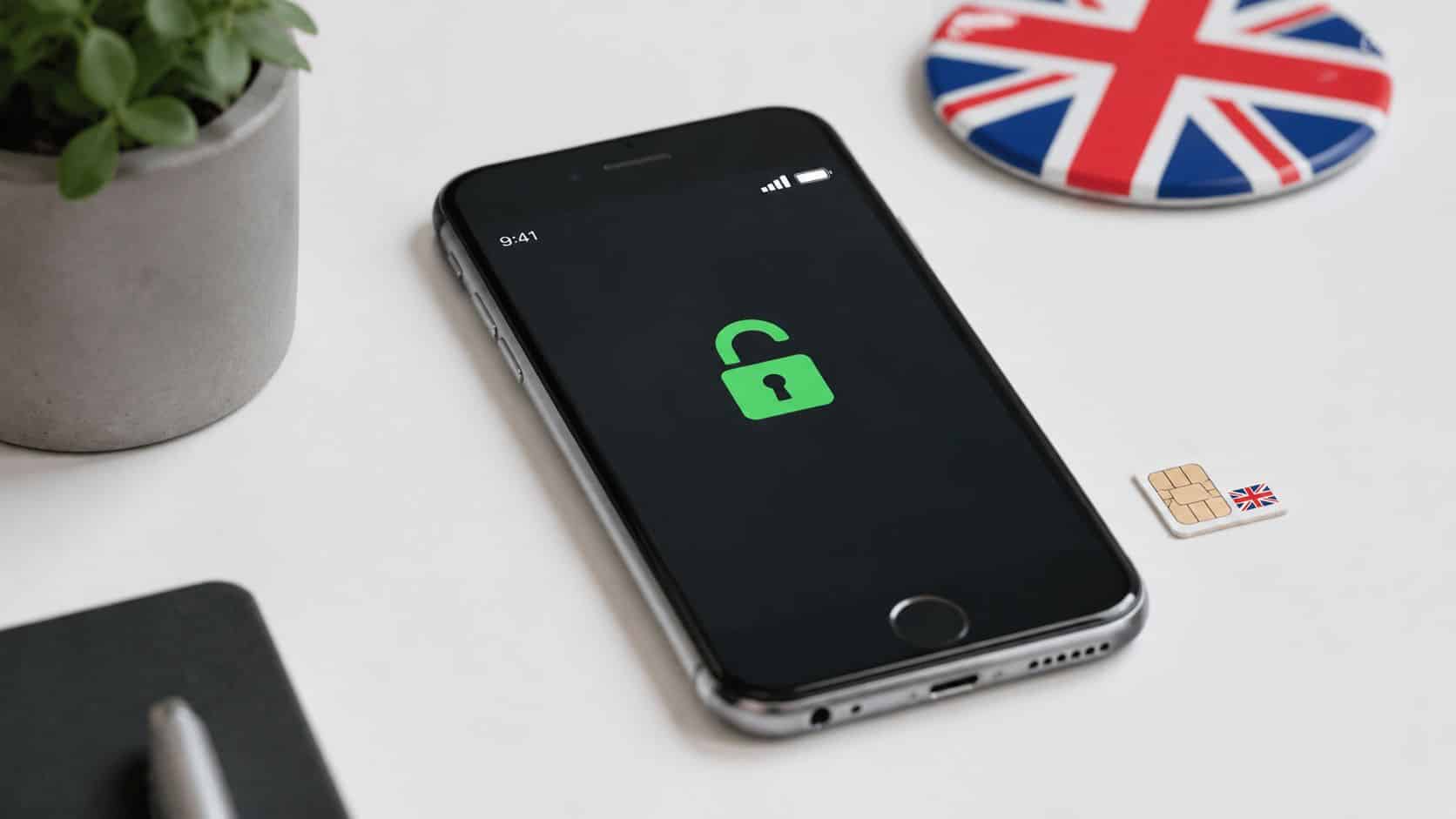
Not sure whether “refurbished” and “unlocked” mean the same thing. They don’t. A refurbished iPhone is a pre-owned phone that’s been checked, cleaned and brought back to proper working order, while an unlocked iPhone means it isn’t tied to one mobile network and can be used with a compatible UK SIM.
Put together, the practical refurbished iPhone unlocked UK meaning is simple. You’re buying a tested, pre-owned iPhone that should be ready to use on your chosen network, without being stuck to one carrier. If you’re comparing options, our UsedMobiles4U iPhones category shows the sort of devices UK buyers usually look for when they want that combination.
What a Refurbished and Unlocked iPhone Means for You
For a UK buyer, “refurbished and unlocked” means two separate things that both matter. Refurbished tells you about the phone’s condition and the work done to prepare it for resale. Unlocked tells you about network freedom.
That matters because a phone can look tidy and still be a poor buy if it’s tied to one carrier, and a phone can be unlocked but still have weak battery health or hidden faults. The smart purchase is the one that gets both right.
Practical rule: Don’t stop at “unlocked”. Check how the phone was refurbished, what was tested, what grade it is, and what support comes with it after the sale.
The Short Version
- Refurbished means checked and prepared for reuse. In practice that should include testing, cleaning, data wiping and a clear statement of cosmetic condition.
- Unlocked means not tied to one network. You can use a compatible SIM from EE, O2, Vodafone or another UK provider instead of being restricted to one carrier.
- SIM-free usually means the same thing in normal retail language. The important part is whether the device actually accepts your chosen network.
- Warranty matters nearly as much as condition. UK refurbished iPhone listings commonly include consumer protection such as a 12-month warranty, and Back Market’s UK listings also mention free delivery, a 30-day return policy and prices of up to 50% cheaper than buying new, while independent UK coverage notes that refurbished models are commonly sold with at least a one-year warranty and may use battery checks above 80% plus cosmetic grading from “like new” to visibly used, as covered by The Independent’s UK refurbished iPhone buying coverage.
- Grade affects looks, not the core idea. A Good grade phone can still be the right buy if the battery, cameras, charging and Face ID all work properly.
- The phrase matters because buyers often mix the terms up. “Refurbished” is about the device’s retail condition and preparation. “Unlocked” is about network compatibility.
What Refurbished Really Means for Your iPhone

“Refurbished” sounds straightforward, but in the trade it covers a wide range of standards. One seller may simply wipe the phone and list it. Another will inspect the battery, cameras, charging, speaker output, Face ID or Touch ID, buttons, vibration, microphones, display quality, call performance and signs of previous poor repair work.
That’s why the seller matters as much as the label. The term only has value when there’s a clear process behind it, a sensible grade, and some support if a fault appears after purchase. If you want the fuller background, this expert guide for UK refurbished iPhone buyers covers the basics from a buyer’s point of view.
What the word should include in real life
A proper refurbished iPhone should be fully functional, not just switched on and boxed up. It should also be data-wiped, because nobody wants someone else’s accounts, photos or activation issues following the phone around.
Battery health sits near the top of the list. Independent UK coverage notes that some major refurbished channels use battery-capacity thresholds above 80% and cosmetic grading from “like new” to visibly used. In our view, that’s useful as a market reference, but buyers should still ask what the seller’s own battery standard is and whether they’ll replace weak batteries before resale.
- Battery condition: This affects daily use far more than tiny cosmetic marks. A phone with decent battery health is less annoying than a spotless one that needs charging too often.
- Grade clarity: “Like New”, “Very Good” and “Good” should describe appearance clearly, not hide faults behind vague wording.
- Parts history: A pre-owned iPhone may have had work done before it reached the refurbisher. Good sellers check for poor-quality repairs, warning messages and parts issues.
Why warranty and grading matter more than a polished listing
One thing buyers often miss is that “refurbished” doesn’t promise a perfect shell. It promises a device that has been assessed and sold honestly. A Good grade handset may have scratches or frame wear, but if the battery, charging and cameras are right, it can still be the better value buy.
A warranty gives the term real substance. In the UK market, refurbished iPhone listings commonly pair unlocked or SIM-free status with a 12-month warranty, and many buyers now expect that as standard protection rather than a bonus. That’s a very different proposition from buying privately and hoping the phone behaves.
If a seller talks a lot about the box, cable and “premium feel” but stays vague on battery health, grading and returns, that’s usually the wrong focus.
Understanding Unlocked for UK Mobile Networks

In day-to-day UK buying language, an unlocked iPhone isn’t tied to EE, O2, Vodafone or another single network. That gives you flexibility to use your current SIM, move to a different provider later, or hand the phone to someone else in the family without creating a network problem.
The most reliable technical check is built into the iPhone itself. Apple’s guidance says the phone is unlocked when “No SIM restrictions” appears under the carrier or network lock field in Settings, as shown in Apple’s iPhone unlock check guidance for UK users. If you’re comparing labels such as unlocked and SIM-free, our guide to essential iPhone buyer’s terms helps clear up the wording.
Why this matters more than buyers think
Most people only notice network status when something goes wrong. They buy a phone privately, insert a SIM, and then find it only works on a different carrier. At that point, what looked like a bargain becomes a job.
Unlocked status is especially useful if you switch tariffs regularly, use a work SIM and a personal SIM across different devices, or want the phone to stay easy to pass on later. It’s about convenience as much as compatibility.
How to check if an iPhone is unlocked
- Open Settings. Start on the iPhone you’re checking.
- Tap General. This opens the device information area.
- Tap About. Scroll down through the details shown there.
- Find Carrier Lock or Network Provider Lock. The wording can vary slightly.
- Look for “No SIM restrictions”. If that appears, Apple treats the iPhone as unlocked.
- Check before you buy if possible. That’s far safer than relying on a vague listing title.
Bench note: “Unlocked” should be something the seller can verify directly on the handset, not just something written in a product heading.
Our Experience Refurbishing This Model at Used Mobiles 4U

When customers ask about the real refurbished iPhone unlocked UK meaning, this is the part that usually helps most. The phrase sounds simple online, but on the bench the difference between a safe buy and a headache comes down to what the technician actually checked.
One thing we regularly notice is that battery wear is still the biggest practical issue on older iPhones. Cosmetic marks rarely stop a phone being a good purchase. A tired battery does. That’s why battery health matters more than a polished back glass in most everyday cases.
Our technicians often see phones that look presentable from the front but tell a different story once properly inspected. Common examples include heavy pocket dust in the charging port, weak aftermarket screens, earpiece mesh blocked with debris, camera lens marks, or previous repair work that wasn’t fitted cleanly.
If you want a closer look at how those checks fit together, the Used Mobiles 4U Refurbishment Process shows the sort of testing and preparation that matters before a phone goes back on sale.
What we commonly see
- Battery decline first: On older iPhones, this is usually the first thing buyers notice in daily use. The phone still works, but it doesn’t feel dependable.
- Previous screen replacements: Some are perfectly serviceable. Others affect brightness, colour tone, touch response or True Tone behaviour.
- Charging faults caused by dirt: Not every “charging issue” is a failed part. Quite a few come down to compacted lint in the port.
- Frame wear around corners: This is common on lower cosmetic grades and often tells you more about how the phone was carried than how well it performs.
- Camera and microphone complaints: These can be subtle, so they need active testing rather than a quick visual glance.
What we check before resale
A proper check isn’t just “does it switch on”. The phone needs to behave properly in normal use. That means testing charging, battery behaviour, speaker and microphone quality, cameras, buttons, wireless functions, sensors and security features such as Face ID or Touch ID where fitted.
We also pay close attention to signs of heavy use that don’t always show up in listing photos. A phone may have shiny edges, pitted screws, slight screen lift, poor seal around the display, or evidence that someone has been inside before. None of those automatically makes it a bad phone, but they do affect how it should be graded, repaired or avoided.
The biggest mistake private buyers make is trusting appearance over function. A clean screen tells you very little about battery condition, previous repairs or whether everything important still works.
Repair or replace logic on the bench
Not every iPhone should be refurbished. Some are good candidates for a battery, clean and retest. Others need too many interventions to be worth putting back into retail stock. That decision matters, because over-repaired devices can become the ones that come back with repeat issues.
A common example we see is a handset with decent overall condition but a poor battery and a worn charging port. That can still make sense to refurbish if the rest of the phone passes properly. If the same device also shows signs of liquid exposure, weak Face ID and rough previous repair work, it usually stops being a sensible resale phone.
Compared with nearby options, buyers often do better choosing a slightly newer iPhone in a lower cosmetic grade than an older one in prettier condition. In real use, battery age and software life usually matter more than hairline marks on the frame.
A Buyer’s Checklist and Final Verdict
If you’re buying a refurbished iPhone, the safe approach is to treat the listing as a starting point, not proof. The important checks are simple, but they need doing.
What to check first
- Confirm the unlocked status on the phone itself. Apple’s UK-relevant guidance says an iPhone is unlocked when “No SIM restrictions” appears under Settings > General > About > Carrier Lock, which is the most reliable technical check before resale, shown in Apple’s carrier lock guidance.
- Ask about battery health. Don’t assume “refurbished” means the battery is strong. Ask what standard the seller uses and whether weak batteries are replaced.
- Check the warranty and returns process. A clear policy matters because faults don’t always show up in the first few minutes of use.
- Make sure Activation Lock has been removed. If the phone is still tied to someone else’s Apple ID, walk away.
- Verify the device history. For private purchases, many buyers also check the IMEI through a recognised checking service before handing money over.
- Read the cosmetic grade properly. “Good” can be a smart buy. It just shouldn’t come as a surprise.
What usually affects value
- Battery condition: Stronger battery health usually makes the phone easier to live with.
- Storage size: More storage can be worth paying for if you keep lots of photos, videos or apps.
- Grade: Better cosmetics usually cost more, even when performance is the same.
- Model age: Slightly newer often beats slightly prettier.
- Repair history: A clean, properly refurbished phone is generally a safer buy than one with unknown previous work.
A common example we see is a buyer getting a private-sale iPhone that looks fine in the photos, only to discover later that it’s network-restricted, tied to an Apple ID, or simply has poor battery life. Buying through a refurbisher doesn’t make every phone identical, but it does remove a lot of the guesswork when the checks have actually been done.
The verdict is straightforward. A refurbished unlocked iPhone is worth buying in the UK if you want lower cost than new, flexibility on networks, and less risk than buying privately. It suits most buyers who care more about value and practical reliability than opening a sealed box. It’s less suitable if you want perfect cosmetics above all else or you won’t accept normal battery wear on an older model.
Frequently Asked Questions
Will my data transfer to my refurbished iPhone
Yes, it can. Refurbished phones should be data-wiped before resale, so you’ll be setting it up as a fresh device and then moving your own data across from iCloud, a backup, or direct phone-to-phone transfer. If you’re replacing an older handset, it’s worth backing up first before you erase or trade anything in.
What if I change my mind after buying
That depends on the seller’s returns policy, so check it before you order. A proper refurbished retailer should make the process clear. If the wording is vague, or you can’t tell who handles faults and returns, that’s a sign to slow down.
Are refurbished iPhones compatible with 5G
5G support depends on the model, not the fact that it’s refurbished. An iPhone that supports 5G when new will still support it when refurbished, assuming the phone is functioning properly and your network plan supports it.
Does unlocked mean the phone is in better condition
No. Unlocked only refers to network status. A scratched phone can be unlocked, and a very clean phone can still be network restricted. Condition, battery health and unlock status need checking separately.
If you’re comparing options, Used Mobiles 4 U lists refurbished iPhones with clear grading, UK support and warranty details so you can judge the device properly before buying rather than guessing from a marketplace ad.
Meta description: Refurbished iPhone unlocked UK meaning explained clearly. Learn what refurbished and unlocked really mean, what to check, and how to buy safely.
Written by James Waterston, 24 years in the mobile phone industry from customer service through to Sales Director of a global repair and recycling company. Now running Used Mobiles 4U for over 8 years.
LinkedIn: James Waterston on LinkedIn
Looking for a refurbished phone?
Shop professionally tested refurbished iPhones and Samsung phones with 18 month warranty, 30 day returns and free UK delivery.
Browse Refurbished Phones