


Refurbished vs Used Phones: What’s the Real Difference?

26/05/2026

10 Mins
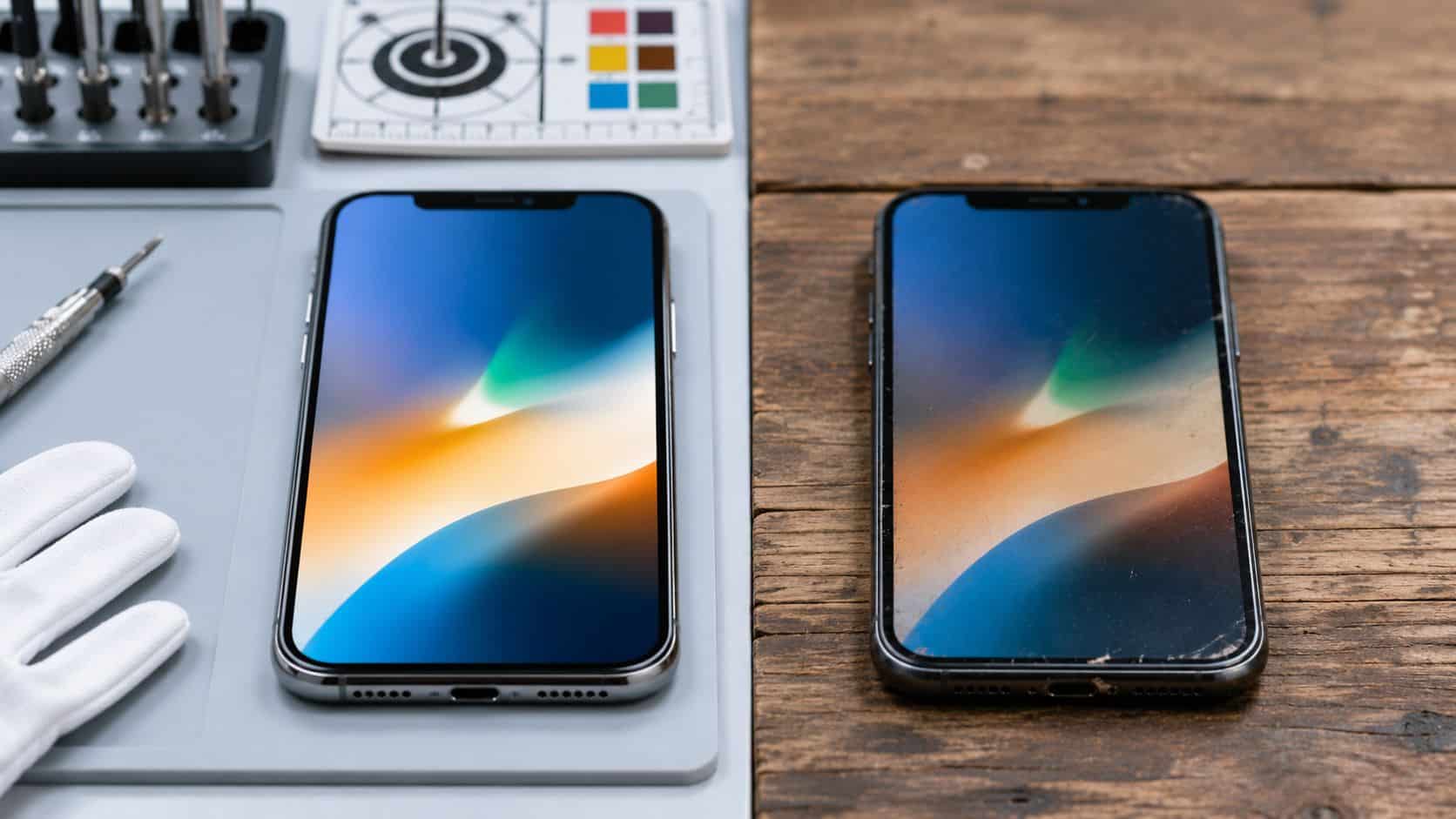
The real difference in refurbished vs used phones isn’t just price. It’s the gap between a phone that’s been properly checked, graded and sold with backup, and one that’s simply being passed on as it stands.
That matters because certified refurbished phones are projected to make up more than 58% of the secondary-phone market in 2026, which tells you where buyer trust is heading, not just where bargains are found, as noted in this secondary mobile phone market forecast.
The Short Version: Refurbished vs Used Phones

If you want the shortest possible answer, a refurbished phone is usually the safer buy. A used phone can be cheaper, but you’re taking on more unknowns.
In plain English
- Choose refurbished if you want a phone that’s been checked properly, with clearer grading and some comeback if something goes wrong.
- Choose used if price matters more than certainty, and you’re comfortable inspecting the phone yourself.
- Watch the battery first. That’s often the biggest difference in day-to-day satisfaction.
- Don’t confuse “working” with “good value”. A used phone can switch on and still need money spending on it soon after.
Practical rule: A cheap used phone stops being cheap the moment it needs a battery, charging port or screen work in the first few weeks.
There’s also a wider shift in buyer behaviour behind this. Refurbished and used phones are both part of the second-hand market, but buyers increasingly lean towards the option with a process behind it rather than a promise from a stranger.
What Refurbished Actually Guarantees
“Refurbished” should mean more than “someone’s wiped it down and put it in a box”. In practice, it means the phone has gone through checks that a normal private listing usually won’t include.
On a decent refurbishment line, the phone is checked for core functions, securely data-wiped, cleaned properly, assessed for cosmetic grade and tested to make sure the basics work as they should. That includes the things buyers notice straight away, such as charging, camera focus, speakers, microphones, buttons and connectivity.
What the term should mean in the real world
- Functional testing. Face ID or fingerprint unlock, cameras, speakers, microphones, charging port, buttons and screen responsiveness should all be checked.
- Battery screening. UK guidance commonly points buyers towards at least 80% to 85% battery health because anything lower can noticeably affect daily use, as outlined in this UK guide to buying a refurbished phone.
- Secure data wiping. A proper refurb process removes the previous owner’s data before the phone is resold.
- Grading. Cosmetic condition should be described clearly, so “Like New” and “Good” tell you about appearance, not whether the phone works.
- Seller accountability. A retailer warranty gives you a route back if a fault appears after purchase.
A used phone from a marketplace listing is different. It may be perfectly fine, but it’s often being sold as-is. That means no standard test process, no guaranteed battery threshold, and no easy way to know whether a part has already been replaced badly.
That’s why warranty matters. A warranty doesn’t make a phone indestructible, but it does show the seller is prepared to stand behind the work. If you want a clearer idea of your refurbished phone warranty rights, it’s worth reading the terms before you buy, not after something fails.
Why this matters beyond phones
The same trust issue comes up with other pre-owned items. If you’ve ever looked at luxury watches, the value often comes down to how wear has been assessed and what has actually been restored. That’s why practical write-ups like this expert advice on Rolex bracelet wear are useful. The principle is similar. Real refurbishment is about measured condition, not hopeful descriptions.
A proper refurbished phone should answer the buyer’s main worries before the parcel arrives, not leave them to discover the problems later.
Our Experience Refurbishing This Model at Used Mobiles 4U
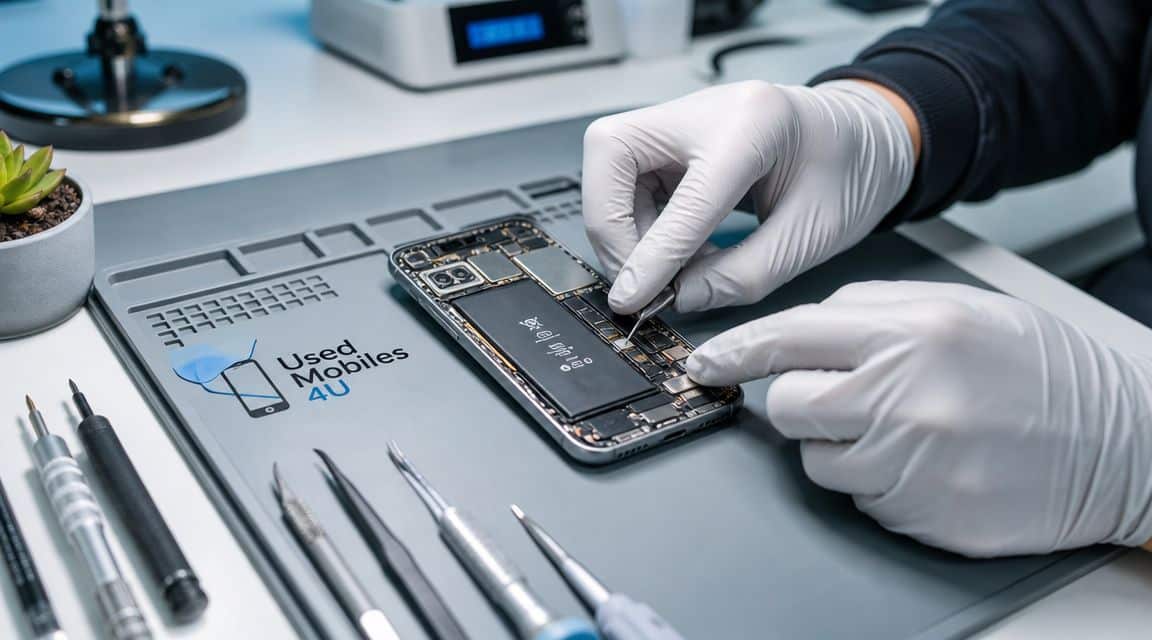
One thing we regularly notice is that phones described as “used but perfect” often aren’t faulty in an obvious way. They usually have small issues that only show up once you test them properly. That’s exactly why the gap between used and refurbished matters in day-to-day ownership.
Our technicians often see tired batteries, weak charging ports, muffled earpieces, scratched lenses, poor-quality older screen repairs and heavy frame wear that tells you the phone has had a hard life even when it still powers on. A buyer on a marketplace often won’t spot those points in a couple of minutes.
If you want to see the kind of checks that sit behind a proper retail-ready handset, the Used Mobiles 4U Refurbishment Process gives a clear picture of what buyers should expect from a professional seller.
What we commonly see
- Battery wear first. This is one of the biggest practical issues. A phone can look tidy and still feel disappointing by lunchtime if the battery health is poor.
- Charge port problems. Pocket fluff, wear, or strain from cheap cables can leave a phone charging only at certain angles.
- Speaker and microphone faults. These are common on phones that have seen years of use, and they’re often missed by private sellers.
- Non-genuine or low-quality past repairs. Sometimes the phone works, but colours look off, touch response feels wrong, or the fit isn’t quite right around the frame.
- Camera issues. Smudged internal lenses, autofocus trouble or image stabilisation faults don’t always show up in a quick listing video.
Battery condition is where buyers most often misjudge value. Reputable refurbishers may fit a fresh battery when health is too low, but that isn’t universal, and that creates a hidden cost on used phones where a battery replacement can wipe out the initial saving, as explained in this guide to used phone battery risk.
What grade differences usually mean
Cosmetic grade and functional quality aren’t the same thing. A “Good” grade phone may have visible marks on the frame or back, but still pass the same core checks as a cleaner example. Buyers sometimes assume a lower cosmetic grade means weaker performance. It doesn’t have to.
One thing we regularly notice is that heavier wear around the charging area and corners often tells you more than a scratch on the back ever will. Cosmetic signs can hint at how the phone has been handled. That’s useful for technicians because wear patterns often point us towards the checks that matter most.
Bench note: A clean screen and shiny casing can hide more than a scuffed frame. We’d rather see honest cosmetic wear on a well-tested phone than a polished handset with unresolved internal issues.
A common example we see is someone buying a used iPhone because it looks like a bargain, then discovering the battery drains quickly, Face ID doesn’t work properly, or the charging cable slips out unless it’s held just right. None of those faults sound dramatic on a listing. All of them are annoying when the phone is your daily device.
That’s where refurbishment earns its keep. It doesn’t guarantee perfection forever, but it cuts out a lot of the avoidable surprises.
Who Should Buy Refurbished and Who Might Risk Used
Most people are better off with refurbished. Not because used phones are automatically bad, but because most buyers want a phone that simply works without turning into a weekend project.
There’s a practical reason for that. Buyer motivations aren’t only about getting the very lowest price. In one consumer survey, 12.7% said they’d buy refurbished to save money, while 13.6% said they’d buy if the quality is good, which mirrors what many shops see at the counter. People want value, but they also want confidence, as shown in this overview of second-hand smartphone buying trends.
Choose refurbished if
- You’re buying for a child or teenager. You want fewer unknowns, especially around battery life, charging and general reliability.
- You need a work phone. Missed calls, weak battery life or flaky charging become far more annoying when the phone isn’t just for casual use.
- You want a gift. Refurbished is easier to give confidently because the condition and support are clearer.
- You’re replacing a broken handset quickly. If your current phone has failed, you probably don’t want to spend days troubleshooting another one.
- You want an iPhone with less risk. Browsing refurbished Apple iPhones usually makes more sense than gambling on a vague marketplace listing.
You might risk used if
- You can inspect it properly yourself. That means checking battery health, cameras, speakers, charging, biometrics and activation status before handing over money.
- You’re comfortable fixing minor faults. A used handset suits buyers who can live with a battery swap or charging repair if needed.
- The price is low enough to justify the uncertainty. “A bit cheaper” usually isn’t enough. The savings need to leave room for problems.
- It’s a temporary spare. If you only need a backup phone for light use, the risk may be acceptable.
For most families and most everyday buyers, refurbished is the sensible middle ground. It’s cheaper than new, but not blind.
A common example we see is a parent buying a first phone for a child. They don’t usually want the absolute cheapest handset. They want one that charges properly, lasts through the day and won’t become their problem a week later.
What We Check Before Resale: A Buyer’s Checklist
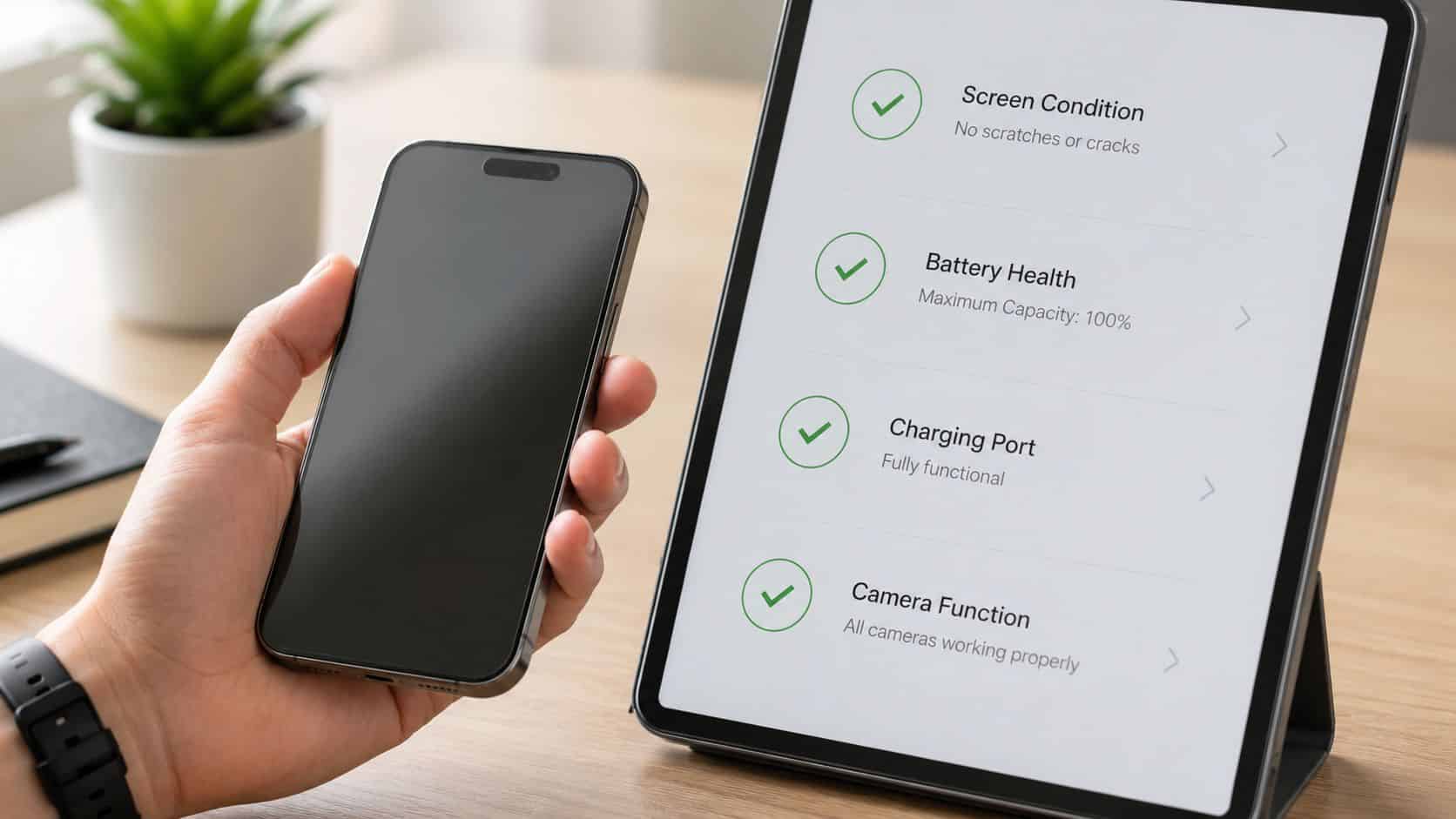
If you’re comparing refurbished vs used phones, this is the checklist that matters. These are the points worth checking whether you buy from a retailer or a private seller.
Independent benchmark data on flagship phones shows refurbished models average about 25.81% cheaper than new, which is why they often hit the sweet spot for value. Used phones may be cheaper still, but without standardised inspection you don’t really know what condition you’ve bought until it arrives, as discussed in this price versus performance comparison.
How to check a pre-owned phone properly
- Confirm it isn’t locked to someone else. Make sure activation locks, Google locks and account locks have been removed before purchase.
- Check battery health. On an iPhone, go to Settings > Battery > Battery Health. On Android, battery details vary by brand, so ask the seller directly if it isn’t visible.
- Test charging with a proper cable. If the connector feels loose or intermittent, don’t ignore it.
- Inspect the screen in bright light. Look for scratches, dead pixels, touch issues and poor-quality replacement screens.
- Try the cameras properly. Test front and rear cameras, autofocus, flash and video recording, not just the preview.
- Check speakers, microphone and vibration. A quick call, voice note and media playback tell you a lot.
- Ask about grading, returns and warranty. A vague answer usually tells you what you need to know.
What buyers usually miss
- Battery wear hidden by a full charge. A phone can show 100% at handover and still empty far too quickly under normal use.
- Face ID or fingerprint issues. These often get overlooked until the buyer sets the phone up at home.
- Signal and SIM problems. Always confirm the phone is network-ready and suitable for your SIM.
- Past repair quality. A repair isn’t automatically bad, but a poor one can affect screen fit, cameras or charging later on.
If you want to understand how they check refurbished devices, compare any seller’s process against that sort of list. If a retailer can’t explain what has actually been tested, “refurbished” doesn’t mean much.
Good pre-owned buying comes down to one question: what has been checked, and who will help if something slips through?
Common Myths and Questions About Pre-Owned Phones
Is a refurbished phone just another word for second-hand?
No. A refurbished phone is still pre-owned, but the important part is the work done before resale. “Used” usually means sold in its current state. “Refurbished” should mean inspected, tested, cleaned, data-wiped and clearly graded.
Will the battery be brand new?
Not always. Some refurbished phones have a replacement battery fitted during the process, while others keep the original battery if it still meets the seller’s standard. That’s why buyers should ask what minimum battery health the retailer accepts, instead of assuming every refurb has a fresh battery.
Is a used phone ever worth buying?
Yes, sometimes. If you know how to inspect one properly, or you only need a short-term spare, a used phone can still make sense. The mistake is assuming “works fine” in a listing means the same thing as “properly tested”.
Is a refurbished phone still water resistant?
Treat any pre-owned phone carefully around water. Even if the model originally had water resistance, age, wear, previous repairs and seal condition can all affect that protection. It’s best not to rely on it.
Does warranty really matter on a cheaper phone?
Yes, because lower-cost purchases still need to work every day. A warranty matters most when you’re buying for reliability rather than prestige. It’s the difference between a minor inconvenience and another unplanned expense.
Should I repair my current phone instead?
If the fault is minor and the rest of the phone still suits your needs, repair can be the better route. If the battery is tired, the screen is damaged, the charging is unreliable and software support is becoming a concern, replacement usually makes more sense than stacking repairs onto an ageing handset.
Can I trade in my old phone when buying refurbished?
In many cases, yes. That can soften the jump to a better device and keeps old handsets out of drawers. Programmes like the Sell Your Tech service are useful if you’ve got an old iPhone or Android that still has value.
The practical answer on refurbished vs used phones is simple. If you want the lowest possible price and can live with risk, used can work. If you want clearer condition, better battery confidence and proper after-sales support, refurbished is the better buy for most people.
If you’re comparing handsets and want a phone that’s been properly tested, clearly graded and backed by UK support, take a look at Used Mobiles 4 U. You’ll find refurbished iPhones, Android phones, warranty-backed devices and straightforward advice without the marketplace guesswork.
Written by James Waterston, 24 years in the mobile phone industry from customer service through to Sales Director of a global repair and recycling company. Now running Used Mobiles 4U for over 8 years.
LinkedIn: James Waterston
Meta description: Refurbished vs used phones explained simply. Learn the real differences in battery health, warranty, testing, risk and value before you buy.
Looking for a refurbished phone?
Shop professionally tested refurbished iPhones and Samsung phones with 18 month warranty, 30 day returns and free UK delivery.
Browse Refurbished Phones