


Selling My iPhone 15 Pro: A Practical UK Guide

02/08/2026

12 Mins
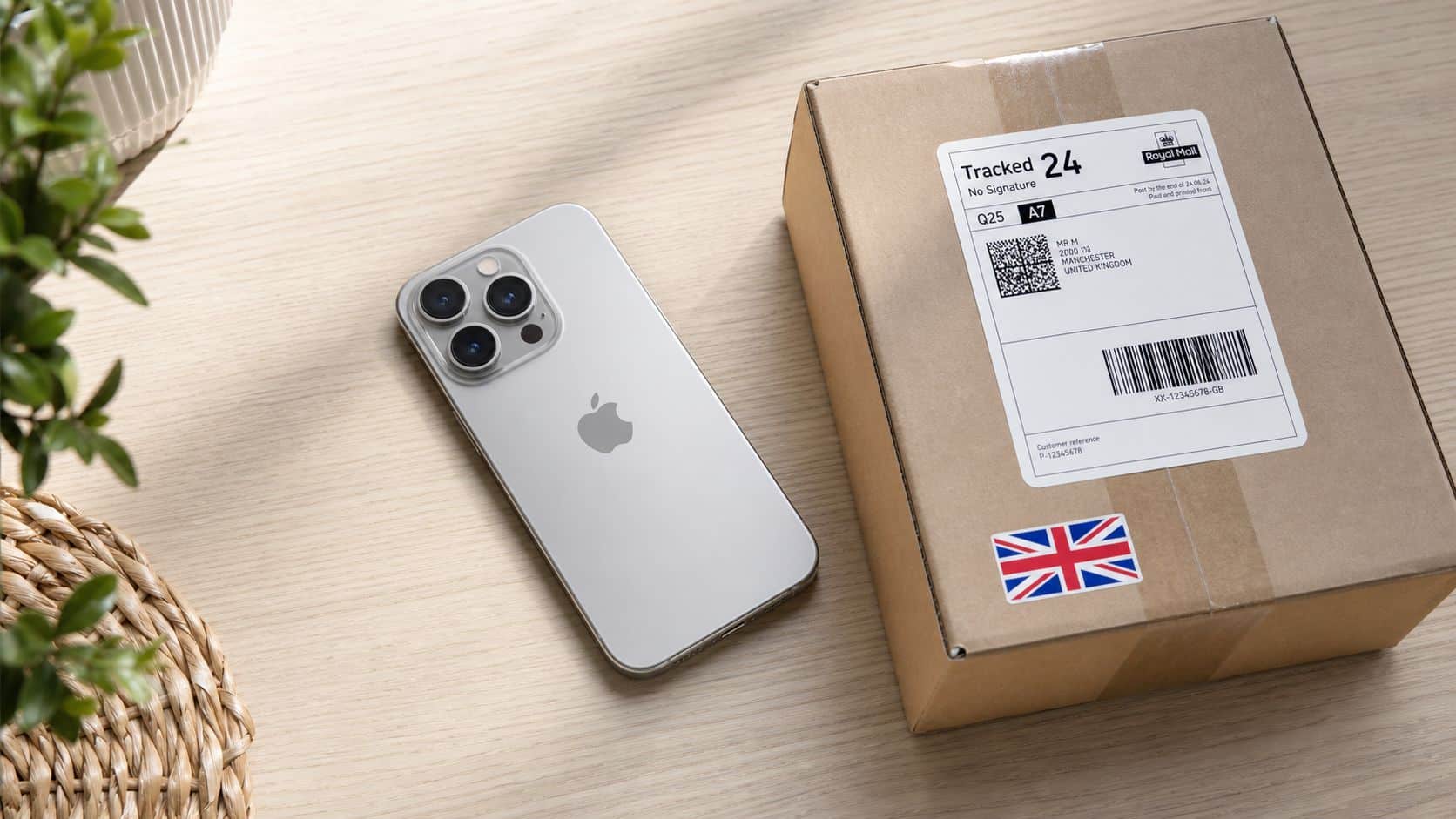
You've probably got the phone in your hand right now, checking the screen for marks and wondering if it's still worth the hassle. It is, but only if you prepare it properly, because battery health, storage, and network or eSIM lock status will move the offer more than the model name alone.
Selling My iPhone 15 Pro is still a sensible move in the UK. A clean, factory-reset unit in good condition can sit in the premium resale bracket, while a tired or network-tied one will get clipped hard once it's inspected.
Quick Answer
- Trade-in, best if you want speed and less faff, especially when the phone is clean, unlocked, and reset properly.
- Reseller buyback, the middle ground, quick enough for most people and usually less effort than selling privately.
- Private sale, best only if you’re patient, confident with postage, and willing to answer questions from buyers.
For a tidy iPhone 15 Pro, the choice is mostly about how much effort you want to spend chasing the last bit of money. If the phone is in strong cosmetic condition, unlocked, and has decent battery health, private sale can make sense. If it’s worn, finance-tied, or you just want it gone, trade-in or reseller buyback is the calmer route.
If you’re weighing up whether to sell privately or use a buyback route, this sell my iPhone privately guide is the right place to start.

What to Know Before You List Your iPhone 15 Pro
The short answer is yes, it’s still worth selling an iPhone 15 Pro in the UK. The model holds value better than plenty of other phones, but the offer you get depends on condition, battery health, storage, and whether it’s properly unlocked and reset.
The used market still treats this as a premium handset. One 2026 resale guide places the used-market range at $650 to $850, or 60 to 70% of original value, while another 2026 snapshot puts a good-condition unit at around $524 and about 52% of its $999 launch price, which shows why a clean example still sells well when it’s presented properly, [iPhone 15 Pro resale guidance](https://instantphoneworth.com/iphone-15-pro/).
Practical rule: if your phone is clean, unlocked, and backed up properly, sell sooner rather than later. Waiting usually helps the buyer more than it helps you.
The three routes are simple. Trade-in gets you the least faff and the quickest certainty. Reseller buyback sits in the middle, and private sale gives you the widest control over price, but it also gives you the most risk and the most messages to deal with.
The route that fits each type of seller
Trade-in suits people who want the easiest handover and a fixed process. A professional seller workflow usually starts with an online quote, then free shipping, inspection after arrival, and payment only after the device matches the stated condition, which is exactly why it works well when you want certainty, [Gazelle’s iPhone 15 Pro process](https://www.gazelle.com/iphone/iphone-15-pro).
Reseller buyback suits anyone who wants a fair middle ground. You won’t usually squeeze every last penny out of the phone, but you also avoid the mess of answering private buyers at all hours.
Private sale suits sellers who can photograph the handset properly, describe it honestly, and post it safely. If you want the highest possible return, this can be the way to do it, but only if you’re disciplined about payment and postage.
For most people, I’d recommend trade-in if speed matters, private sale if patience matters, and reseller buyback if you want the balance between the two.
One thing we see all the time is people underpricing their own effort. They focus on the headline model and ignore the things that really move the offer, especially battery health and lock status.

Preparing the Phone for Sale Step by Step
Back up first. Once you erase the phone, anything not saved is gone. Use iCloud or a computer backup before you touch the reset menu, because that’s the one mistake that turns a good sale into a headache.
- Back up the iPhone in Settings > [Your Name] > iCloud > iCloud Backup, or connect it to a computer and save a local backup.
- Sign out of Apple ID in Settings > [Your Name] > Sign Out, then also sign out of the App Store and any Apple services linked to the handset.
- Turn off Find My, because Apple says Activation Lock is removed when the phone is erased after Find My has been enabled, [Apple support on selling or giving away an iPhone](https://support.apple.com/en-us/109511).
- Erase the phone in Settings > General > Transfer or Reset iPhone > Erase All Content and Settings.
- Remove the SIM or eSIM, and if you use an eSIM, delete the profile from Settings > Cellular.
- Unpair Apple Watch and any other linked accessories before you hand the phone over, because Apple includes paired-device removal in its sale checklist, [Apple’s sell or trade in guide](https://support.apple.com/guide/iphone/sell-give-away-or-trade-in-your-iphone-iph415eb3fe5/17.0/ios/17.0).
- Boot to the hello screen and make sure there’s no Apple account left on the device.
The reason I’m blunt about this is simple. If the buyer or trade-in team has to sort out a lock issue, your valuation can stall or drop. A clean reset also makes the phone easier to inspect and easier to move on quickly.
I’d use the same discipline with the sale listing itself. A useful reference is the guide from used Mobiles 4 U, because the same data-removal basics apply whether you’re selling privately or sending the phone to a buyer.
Before you post anything privately, write down the exact model and storage. If you need a plain consumer-style comparison point for selling non-phone items too, [choose a handbag buyer in Atlanta](https://www.antwerpdiamondstore.com/blog/sell-my-designer-handbag) is the sort of straightforward buyer-selection thinking that also applies here, know who you’re dealing with, then send only when the terms are clear.
My view is that a proper reset isn’t admin, it’s part of the sale value. A phone that’s ready to hand over always looks more credible than one that still smells of the owner’s Apple account.
What Affects the Resale Price
The price of an iPhone 15 Pro in the UK usually comes down to four things, storage, cosmetic grade, battery health, and lock status. Ignore any one of them and you’ll undercook the sale.
Storage and condition carry more weight than people think
A 256GB handset normally does better than a 128GB one because buyers want headroom for photos, apps, and video. A clean, unlocked phone in a stronger cosmetic grade also sells more easily than a network-tied handset with scuffs, because the buyer sees less risk and less hassle.
For the used market, that premium still matters. The iPhone 15 series depreciated by 55.57% on average in its first year, while the iPhone 15 Pro 128GB and 256GB variants lost about 50.23% and 50.27% respectively, or roughly £501.81 and £552.51 in value, which is why timing and condition matter so much for UK sellers, UK resale timing analysis.
If you want a quick benchmark for presentation quality, the phrase “like new” should mean exactly that, no obvious marks, no hidden faults, and no nasty surprises after inspection. Anything less needs to be described honestly, because inspection teams notice very quickly when the listing doesn’t match the handset.
Battery health and resale timing are the most underused levers in the UK market. Most sellers talk about the model and forget that the buyer is pricing the actual phone in front of them, not the launch-day brochure.
Battery Health and eSIM Status
This is where most people leave money on the table. Battery health and network status are two of the easiest things to check, and two of the easiest things to get wrong when you’re rushing the sale.
Open Settings > Battery > Battery Health and look at the number. As a rule, once battery health slips to around 80%, trade-in offers tend to soften because buyers know the phone won’t feel fresh in daily use, and trade-in guidance also warns that battery restoration can be worth considering if the uplift outweighs the repair cost, [what battery health is good](https://usedmobiles4u.co.uk/refurbished-i-phone-battery-health-uk/).
If the battery is tired, don’t pretend it isn’t. Buyers will find out, and the inspection deduction is usually worse than the honest upfront description.
On the network side, check Settings > Cellular and remove any eSIM profile before sale. The UK version of the iPhone 15 Pro is an eSIM-first model, so a simple “take out the SIM” instruction isn’t enough anymore, and if the handset is tied to finance or a network, bids usually come in lower because the new owner has more to resolve.
That lock-status point matters more than people think. A phone that’s fully unlocked and ready for a new owner is easier to place, which is why the cleanest bids tend to go to devices with no activation issues, no carrier tie, and no doubts over ownership.
If your battery is weak and the phone is otherwise tidy, I’d only replace the battery before sale if the repair quote is modest and the handset is otherwise strong. If the shell is worn, the screen is marked, and the lock status is messy, spend your energy on a clear reset and a realistic price, not on chasing a polish that won’t fully pay back.

Listings, Postage and Safe Payment
If you sell privately, write the listing like someone’s going to inspect every line, because they probably will. Include the model, storage capacity, condition, battery health percentage, included accessories, and any history that matters, because those details help buyers compare one handset against another fairly, [step-by-step selling guide](https://phoneexchanger.com/getting-top-dollar-for-your-iphone-15-pro-step-by-step-guide/).
Private sale needs boring discipline
Use a payment method that doesn’t leave you exposed. For private buyers, bank transfer or PayPal Goods and Services makes sense, but gift-style payments don’t, because once the handset leaves your hand you’ve got no leverage.
Post it with tracking and insurance. Photograph the packaging, keep a written handover note, and save the tracking receipt until the money clears, because that small bit of admin saves arguments later.
A common example we see is a seller who has a nice handset but a vague listing. They write “excellent condition” and nothing else, then wonder why the offers are weak. Buyers want certainty, not optimism.
For resale platforms and trade-in buyers, the pattern is usually the same, online quote, shipping label, inspection, then payment after the phone matches the description. That process suits people who care more about certainty than squeezing the last pound from a private buyer, and it’s also why clear photos and honest condition notes matter so much before you send the phone off.
If you’re packaging by hand, a practical source for presentation materials is [UK printed mailing bag options](https://msppackaging.co.uk/blog/printed-mailing-bags). It’s a useful reminder that the outer package should be neat as well as secure, because the first impression still counts when the parcel lands.
My opinion is simple. Battery health and eSIM status are the two value levers most sellers underplay, and if one of them is weak, you should price the phone for speed rather than fantasy.

What We See Refurbishing This Model
One thing we regularly notice with iPhone 15 Pro units is that the cosmetic grade people call “good” often hides a few more marks than they first admit. Our technicians often see light edge wear, small rear-glass scuffs, and camera-ring marks that don’t sound serious in a listing but do affect grading once the phone lands on the bench.
What the bench check actually finds
We check battery condition, charging behaviour, Face ID, cameras, speakers, microphones, buttons, and the port area first. Charging-port wear, camera lens scuffs, and speaker grime turn up often enough that we treat them as routine rather than unusual, and those are the sorts of things a private seller should inspect before putting a price on the handset.
A phone that looks tidy in the hand can still get downgraded if the port is worn or the battery isn’t where the seller said it was.
We also see the same pattern across a lot of devices that come in from private owners, strong overall hardware, but rushed prep. The unit may still work perfectly, yet the reset wasn’t finished properly, or the account wasn’t removed cleanly, which slows the resale process and makes the buyer more cautious.
Compared with a standard iPhone 15, the Pro usually gives buyers a stronger feel in hand and a more premium market position, so it tends to hold interest better when it’s clean and honestly described. That doesn’t mean every Pro gets a big premium, it means presentation matters more because the buyer expects a more polished handset.
A realistic refurbished iPhone 15 Pro is not a showroom toy. It’s a phone with clean edges, a healthy battery, a verified reset, and no hidden locks, and that’s exactly what people pay for when they’re trying to avoid the risk of a bargain that turns into a repair job.
The popular mistake is to assume the launch cycle is the only timing lever. It isn’t. The depreciation figures already show the first-year drop is the big one, but for most UK sellers the bigger win is still how the handset is described, documented, and handed over.
If you’ve got a clean unlocked unit with strong battery health, sell it within the first year of ownership and don’t overthink it. If it’s worn or tied to a network, do the small repair and presentation work first, then sell, because a better-prepared phone usually beats waiting around for a nicer market window.
The Verdict and a Soft Next Step
Yes, selling your iPhone 15 Pro is still worth doing in the UK. The people who lose money are usually the ones who rush the prep, skip the battery check, or hand over a phone with lock issues that could’ve been sorted first.
If your handset is clean, unlocked, and not badly worn, it suits a trade-in or a private sale depending on how much time you’ve got. If it’s finance-tied, battery-weary, or cosmetically rough, I’d keep the process simple and avoid hoping the market will rescue the value later.
We see the same pattern every week on the bench. The sellers who present the phone properly get smoother outcomes, and the ones who ignore battery health or lock status usually take a hit once the device is inspected.
For customers who want a straightforward next step, have a look at our refurbished Apple iPhones range or use a trade-in route that fits the phone’s condition. That’s the calm choice when you’d rather fund the next phone than keep juggling the old one.
Written by James Waterston, 24 years in the mobile phone industry from customer service through to Sales Director of a global repair and recycling company. Now running Used Mobiles 4 U for over 8 years. LinkedIn
If you want a straight answer on your own handset, Used Mobiles 4 U can help with trade-in, refurbishment, and secure data wiping before resale. Visit Used Mobiles 4 U to compare your options and get the phone moved on without the usual hassle.
Looking for a refurbished phone?
Shop professionally tested refurbished iPhones and Samsung phones with 18 month warranty, 30 day returns and free UK delivery.
Browse Refurbished Phones