


Phone Accidental Damage Cover: A UK Guide for 2026

29/06/2026

11 Mins

Your phone slips out of your hand, hits the kitchen floor, and the first thing you want to know is simple. Does accidental damage cover help, and is it worth paying for?
Usually, yes, if you’re protecting a phone that would be expensive or annoying to replace. Accidental damage cover is there for sudden mishaps like drops, cracked screens and spills. It isn’t the same thing as a warranty, and that’s where most people get caught out.
Is Accidental Damage Cover for a Phone Worth It?
If you’ve just dropped your phone and found this page while staring at a cracked screen, the short answer is this. Accidental damage cover can be worth it if the phone is valuable enough that one bad drop would hurt more than the policy cost and excess.
For most refurbished phone buyers in the UK, the key point is simple. Standard warranties cover faults. They usually don’t cover damage you cause by dropping the phone, knocking it off a desk, or spilling tea over it. That gap is exactly what accidental damage cover is meant to fill.
If you want a broader plain-English explanation of how electronic cover is generally framed, it’s worth a quick read to learn about electronic coverage with Liberty. The wording won’t match every UK phone policy, but the core idea is the same. Insurance is for sudden damage, not old age, wear, or faults that were already there.
Practical rule: If replacing the phone tomorrow would be a headache, accidental damage cover deserves a proper look.
This matters even more with refurbished phones because buyers often assume the included warranty covers everything. It doesn’t. In the UK, standard refurbished phone warranties explicitly exclude accidental damage and only cover technical faults from normal use or manufacturing defects, as outlined in this guide to refurbished phone warranties in the UK.
My practical view is straightforward. For a newer iPhone or Samsung Galaxy that you’ll keep for a while, cover often makes sense. For an older backup handset with modest repair value, paying for repairs yourself can be the better option.
The Short Version
- What accidental damage cover is for: Sudden physical damage such as a smashed screen, impact damage, or liquid damage from a spill.
- What it usually protects: Repair or replacement after an accident, subject to the insurer’s terms, proof requirements and excess.
- Why people buy it: It plugs the gap left by normal warranties, which generally deal with faults rather than accidents.
- What claims usually need: Proof of purchase, the phone’s IMEI, an incident report, and for theft-related claims often a police report, as explained in this overview of UK mobile phone insurance requirements.
- What it is not for: Battery ageing, worn charging ports, cosmetic scuffs, software glitches or a phone simply becoming old and unreliable.
- Usually not covered: Hidden faults reappearing after warranty expiry, general wear and tear, and inherent defects that were already in the device.
- Often misunderstood: Theft may be separate, and damage during courier transit can fall into a grey area depending on where the policy says the item must be when damaged.
- Big mistake: Assuming a refurbished phone warranty includes accidental damage. It normally doesn’t.
If you only remember one thing, remember this. Warranty means fault. Accidental damage cover means accident.
What Is and Isn’t Actually Covered
Most claim disputes happen because people think “damage” means any problem after a knock. Insurers usually mean a sudden, identifiable accident, not slow deterioration, not cosmetic wear, and not a fault that was already hiding inside the phone.
Cracked screens and drop damage
This is the classic claim. You drop an iPhone 13, Samsung Galaxy S23 or Pixel handset, the front glass cracks, and the phone may still work but not properly. That’s exactly the sort of event accidental damage cover is generally built for.
- Usually covered: A dropped phone with a cracked front screen, damaged rear glass, bent housing, or a camera lens broken by impact.
- Sometimes disputed: Damage with no clear incident, especially if the frame already shows old dents or the phone has signs of repeated impact.
- Usually not worth claiming: Light cosmetic marks that don’t affect use.
One thing that helps is having a clean explanation of what happened. If the policy asks for an incident report, don’t be vague. State where it happened, how it fell, and what stopped working afterwards. A lot of the common claim denial reasons come down to missing evidence, unclear timelines, or damage that doesn’t match the story given.
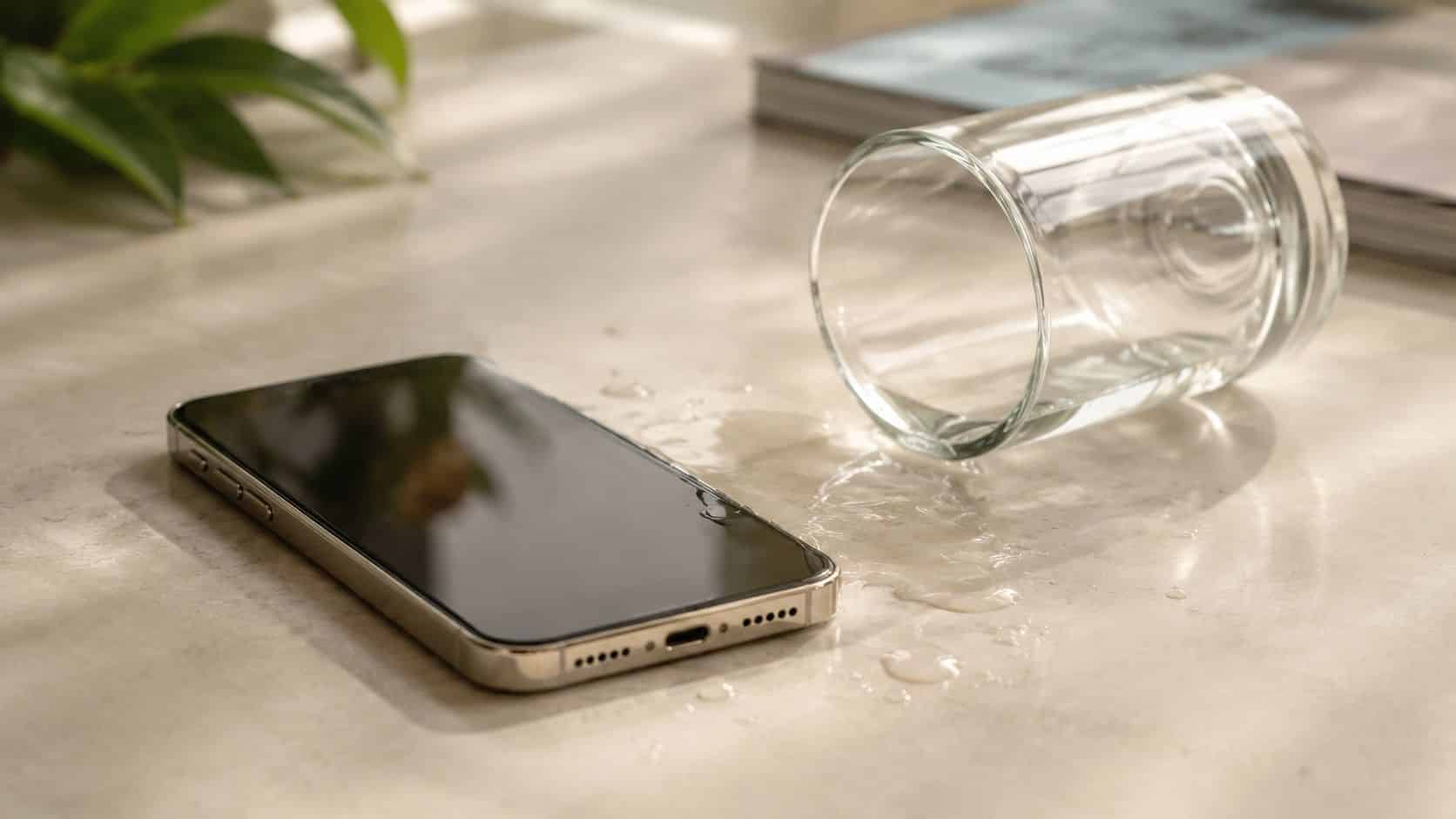
Liquid and water damage
Spills are trickier than people expect. A quick splash from a drink may be treated differently from full submersion, beach use, or a phone left in wet clothing for hours.
- More likely to fit accidental damage: A sudden spill from tea, coffee or water.
- More likely to cause arguments: A phone used around pools, baths or heavy rain where the insurer may question negligence or pre-existing seal wear.
- Worth remembering: Water resistance is not the same as waterproofing. If you’re unsure how that changes over time, read about the water resistance of refurbished iPhones.
From a repair bench point of view, liquid damage is often delayed damage. The phone might switch back on the same day and fail later when corrosion spreads. That timing can make claims awkward if you wait too long to report it.
What usually isn’t covered
This is the small print people skip, and it matters more than the headline promise.
- Wear and tear: Battery health falling, charging getting temperamental over time, buttons wearing out, or speakers muffling from dirt and age.
- Inherent or hidden faults: In the UK, many consumers wrongly assume accidental damage cover includes post-warranty failures from hidden defects. The FCA-linked figures cited here say 41% believe that and 89% of such claims are denied due to exclusions in this guide on understanding accidental damage risk.
- Transit issues: Damage while a phone is with a courier can sit in a grey area. That matters for online refurbished purchases. This explainer on UK accidental damage cover and policy gaps highlights that many standard home policies only cover items outside the home if you add separate personal possessions cover.
Small print usually asks one question. Was this a sudden accident, or was the phone already on the way out?
Cover vs Warranty What’s the Real Difference
This is where buyers get mixed up, especially with refurbished iPhones and Samsung phones. A warranty and accidental damage cover can sit next to each other, but they do different jobs.
For refurbished phones in the UK, the baseline is clear. Accidental damage cover is not normally included under a standard manufacturer or retailer warranty. If the screen cracks or liquid gets inside because of a drop or spill, customers usually need separate insurance or suitable home contents gadget cover, as discussed in this note from the giffgaff community on refurbished iPhone damage.
If you want the retailer side explained more fully, this guide to the warranty on refurbished smartphones is worth reading alongside any insurance wording.
Choose accidental damage cover if
- You’re worried about drops: You use your phone one-handed, travel a lot, or hand it to children regularly.
- You’d struggle with a sudden repair bill: A newer handset can be awkward to replace at short notice.
- You want cover for impact or spill events: That’s the area warranties usually leave out.
Choose your warranty if
- The phone develops a fault on its own: Face ID stops working, the microphone fails, the charging port becomes unreliable without visible damage, or the camera won’t focus despite no impact.
- The issue points to a part failure: That’s a repair or warranty problem, not an accidental damage claim.
- You bought from a proper refurbisher: A real warranty is useful because not every problem after purchase is caused by the user.
Choose neither as a substitute for common sense
- Use a decent case and screen protector: They won’t stop every break, but they change a lot of outcomes from “screen replacement” to “minor mark”.
- Back up your data: Insurance may replace a handset. It won’t always bring your photos back.
- Read the excess and age limits: Some phone policies have strict eligibility rules. For example, refurbished phone cover can require purchase from an authorised UK-based retailer with a 12-month warranty, as set out by Insurance2go refurbished phone insurance guidance.
There’s another practical limit with older used phones. Some providers exclude second-hand devices that are more than 36 months old when you buy the policy, which means cover becomes harder to get on ageing handsets, as discussed in this AskUK discussion on second-hand phone insurance.
What Our Technicians See From Accidental Damage
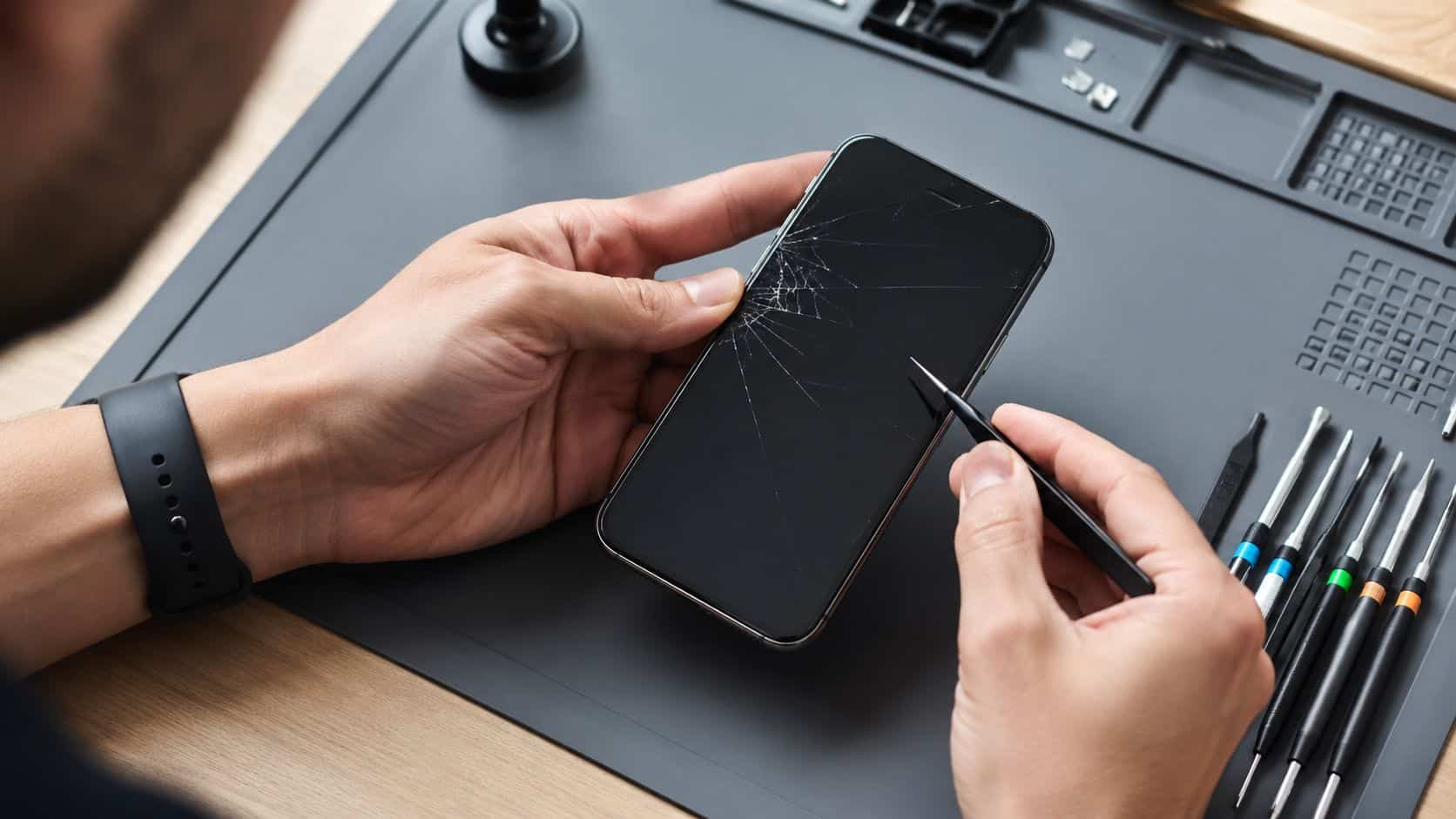
Most people think a drop means one visible crack and one clear repair. Real phones are rarely that tidy. Our technicians often see impact damage that starts with a cracked screen and ends with a list of hidden faults once the phone is opened.
Our Experience Refurbishing This Model at Used Mobiles 4U
One thing we regularly notice across popular refurbished iPhone and Android models is that the outside damage rarely tells the full story. A phone can look like it only needs a screen, but once opened we may also find a weakened battery adhesive pull, a slightly bent frame, damaged camera bracket alignment, or a charging port that took part of the impact.
Battery health matters here as well. A handset that already had an ageing battery before the drop can feel much worse afterwards, even if the battery itself wasn’t the direct cause. Buyers often blame the accident for every issue, but our job is to separate accident damage from ordinary wear.
- What technicians check first: Screen assembly, touch response, True Tone or display calibration where relevant, Face ID or fingerprint function, front and rear cameras, charging, microphone, speaker and signal performance.
- What heavy use looks like: Dented corners, polished frame edges, tiny stress marks near screw points, non-original screws, weak adhesive seals and dust under lenses.
- What grade differences usually show: Better grades tend to have cleaner frames and fewer prior impact signs. Lower grades can still work perfectly well, but previous knocks are more common.
- What gets replaced most often after accidents: Screens, rear glass, camera lenses, housings, charging ports and batteries where the impact or liquid has accelerated an existing weakness.
Repair versus replace comes down to the whole phone, not one part. If the frame is straight, Face ID still works, cameras are aligned and the battery health is decent, repair usually makes sense. If the frame is bent, rear glass is broken, water has got inside and the battery was already tired, replacement is often the cleaner answer.
What We Commonly See
- Small drops causing big issues: A light fall can loosen internal connectors even when the glass doesn’t shatter badly.
- Liquid damage arriving late: The phone may power on for days before corrosion shows up as charging faults or random restarts.
- Older Androids versus newer iPhones: On some older budget models, direct repair can be more sensible than paying policy excess and waiting. On newer premium phones, cover has more obvious value.
- Signs of poor previous repair: Missing screws, stretched adhesive, cheap screens and housing gaps make later accidental damage worse.
A common example we see is a phone that “still works fine apart from the crack”, then fails camera focus or proximity sensing after the repair inspection starts.
There’s a useful parallel in other repair trades too. The same way opticians talk about fixing bent frames and loose screws, phone repairs often involve correcting the surrounding damage, not just swapping the obviously broken part.
If you’re trying to judge whether a repair is realistic before claiming, this guide on how to repair a cracked iPhone screen gives a sensible starting point. It helps you spot when the damage is likely limited to the display, and when it probably isn’t.
Should You Get Accidental Damage Cover for Your Phone
The answer depends less on the phone brand and more on your habits, the phone’s value, and how you’d handle a repair bill tomorrow morning. If you buy a refurbished iPhone as your main handset, use it all day, and keep phones for years, accidental damage cover is often a sensible extra. If you’re buying an older used Android as a spare, it may not be.
When it usually makes sense
Cover makes more sense when the phone is expensive to repair, regularly used outside the house, or handed to someone who isn’t careful. Parents buying a first iPhone for a teenager often fall into this group. So do people who commute, work on the move, or use one handset for banking, tickets, work apps and photos.
There’s also the basic affordability point. In UK home insurance, adding accidental damage cover typically increases premiums by 10% to 15%, with the median top annual premium rising from £160 to £187. For late 2025 shoppers, adding accidental damage to buildings insurance was up to £30 a year and contents cover was usually under £20, while Compare the Market data cited here puts the average add-on at £32.11 for buildings and up to £27.10 for contents in this roundup of UK home insurance statistics.
That isn’t the same as standalone mobile insurance, but it shows the general trade-off. The cover itself often feels affordable. The real decision is whether the policy wording matches the way you actually use the phone.
When I’d think twice
- Older phone, lower replacement value: If a direct repair would be manageable, self-funding may be simpler.
- Very careful ownership: Desk worker, good case, no children using it, and a habit of replacing phones fairly often.
- Weak eligibility: Some cover only applies if the refurbished phone came from an authorised UK retailer and included the right paperwork and warranty.
- Grey-area usage: If you’re relying on home insurance but often carry the phone outside, check the wording carefully.
What buyers usually ask us
- Does a refurbished phone qualify? Often yes, but not automatically. Proof of purchase matters, and the retailer needs to be legitimate.
- Does warranty cover a smashed screen? Usually no. That’s the classic accidental damage situation.
- What about hidden faults that appear later? That’s usually a warranty or exclusion issue, not accidental damage cover.
- What if the phone was damaged in delivery? Don’t assume your policy covers that. Courier damage can sit outside standard accidental damage wording.
- Can I rely on returns instead? Returns help if the phone arrives faulty or not as described, but they don’t replace insurance for accidents after delivery. It’s worth knowing your UK refurbished phone return rights.
Bench advice: Buy cover for the phone you’d hate to be without, not the one you could replace without much fuss.
There’s one more reason this matters. Between 2021 and 2024, accidental damage and loss made up over 1 in 4 (25%) of all UK home insurance claims. More than 83,000 home insurance claims were filed, the average claim cost rose by 50%, and storm-related average claims increased from £3,284 in 2021 to £15,207 in 2024, based on this analysis of UK home insurance claims. That isn’t phone-specific, but it does underline the same practical truth. Accidents are common, and repairs or replacements are rarely getting cheaper.
Verdict. Accidental damage cover is worth buying for a newer main phone, for clumsy households, for teenagers, and for anyone who’d struggle to replace a handset quickly. It’s less convincing for older, lower-value devices or for buyers who’d rather keep a repair fund and pay directly when needed. If you’re buying refurbished, make sure the phone is properly tested, SIM-free, data-wiped, clearly graded, and backed by a real warranty. Then decide if accidental damage cover is the extra layer you actually need.
Written by James Waterston, 24 years in the mobile phone industry from customer service through to Sales Director of a global repair and recycling company. Now running Used Mobiles 4U for over 8 years.
LinkedIn: James Waterston on LinkedIn
Meta description: Accidental damage cover explained for UK refurbished phone buyers. Learn what it covers, what it doesn’t, and when it’s worth paying for.
If you’re weighing up a replacement phone instead of another repair, have a look at Used Mobiles 4 U. You’ll find tested, SIM-free refurbished phones with clear grading, minimum 85% battery health, secure data wiping, UK support, warranty and straightforward returns, so you can buy with a lot less guesswork.
Looking for a refurbished phone?
Shop professionally tested refurbished iPhones and Samsung phones with 18 month warranty, 30 day returns and free UK delivery.
Browse Refurbished Phones