Used iPhone 16 Pro Review: The Smarter Way to Upgrade in 2026
Apple’s iPhone launches always generate excitement, and the iPhone 16 Pro is no exception. While it may not look dramatically different from its predecessor at first glance, this year’s Pro model is all about refinement, performance, and practical improvements that matter in everyday use.
But here’s the key question most buyers are asking:
Is the used iPhone 16 Pro worth it — and is buying refurbished the smarter choice?
In this in-depth review, we’ll break down everything you need to know, from design and performance to camera upgrades, battery life, and long-term value — with a special focus on why choosing a used iPhone 16 Pro from Used Mobiles 4 U could be the best decision you make.
Design & Build: Premium, Durable, and Subtly Improved
Apple has stuck closely to the design language introduced with the iPhone 15 Pro, and that’s no bad thing. The iPhone 16 Pro continues to use a titanium frame, which keeps the device both lightweight and incredibly strong.
Slightly Bigger, Still Comfortable
One of the most noticeable changes is the increase in display size:
6.3-inch display
Slimmer bezels
Despite the increase in size, the phone still feels comfortable to hold — something that makes the used iPhone 16 Pro ideal for everyday use.
Premium Finish
The matte glass back and titanium edges not only look sleek but also resist fingerprints better than older models.
For buyers considering a used iPhone 16 Pro, this premium build means the phone still feels high-end even after previous use.
Display: One of the Best on the Market
Apple continues to lead when it comes to display quality.
What You Get
Super Retina XDR OLED
120Hz ProMotion
Excellent brightness
Everything feels smooth and responsive, making the used iPhone 16 Pro a great choice for media consumption and daily tasks.
Real-World Experience
From scrolling to streaming, the display delivers a flagship experience — and importantly, display quality holds up extremely well over time, which is why a used iPhone 16 Pro still feels like a premium device.
Performance: The Power of the A18 Pro Chip
At the heart of the iPhone 16 Pro is the A18 Pro chip.
What Makes It Special?
Fast performance
Smooth multitasking
Efficient battery use
Even years down the line, a used iPhone 16 Pro will still perform at a high level thanks to this powerful processor.
Built for Longevity
Apple’s chips are designed to last, which means:
Long-term software support
Reliable performance
This makes the used iPhone 16 Pro a future-proof option compared to older refurbished devices.
Camera System: The Biggest Reason to Go Pro
The camera system is where the iPhone 16 Pro really stands out.
Triple Camera Setup
48MP main
48MP ultrawide
12MP telephoto with 5x zoom
For photography lovers, a used iPhone 16 Pro delivers flagship-level results without the flagship price.
Photography Improvements
Sharper detail
Better low-light shots
Improved zoom
Whether you’re capturing everyday moments or creating content, the used iPhone 16 Pro performs exceptionally well.
New Features: What’s Actually New?
Camera Control Button
A new button designed for quicker photo capture — useful, but not essential.
Apple Intelligence
Apple’s AI features are still developing, so they’re not yet a key reason to upgrade.
For most users, these additions don’t drastically change the experience — meaning a used iPhone 16 Pro still offers excellent value without missing out on anything critical.
Battery Life: Reliable All-Day Performance
Battery life remains solid:
Full-day usage
Improved efficiency
For refurbished buyers, battery health is always a consideration — but a professionally tested used iPhone 16 Pro will still deliver dependable performance.
Software & User Experience
Running the latest iOS, the experience is:
Smooth
Secure
Easy to use
Apple’s long software support ensures that a used iPhone 16 Pro will stay updated for years to come.
iPhone 16 Pro vs Previous Models
vs iPhone 15 Pro
Only minor improvements, so upgrading isn’t essential.
vs iPhone 14 Pro or Older
This is where the upgrade becomes worthwhile — especially when choosing a used iPhone 16 Pro for better value.
Why Buying Refurbished Makes Sense
Save Money
A used iPhone 16 Pro costs significantly less than buying new — without sacrificing performance.
Eco-Friendly Choice
Buying used helps reduce waste and supports sustainability.
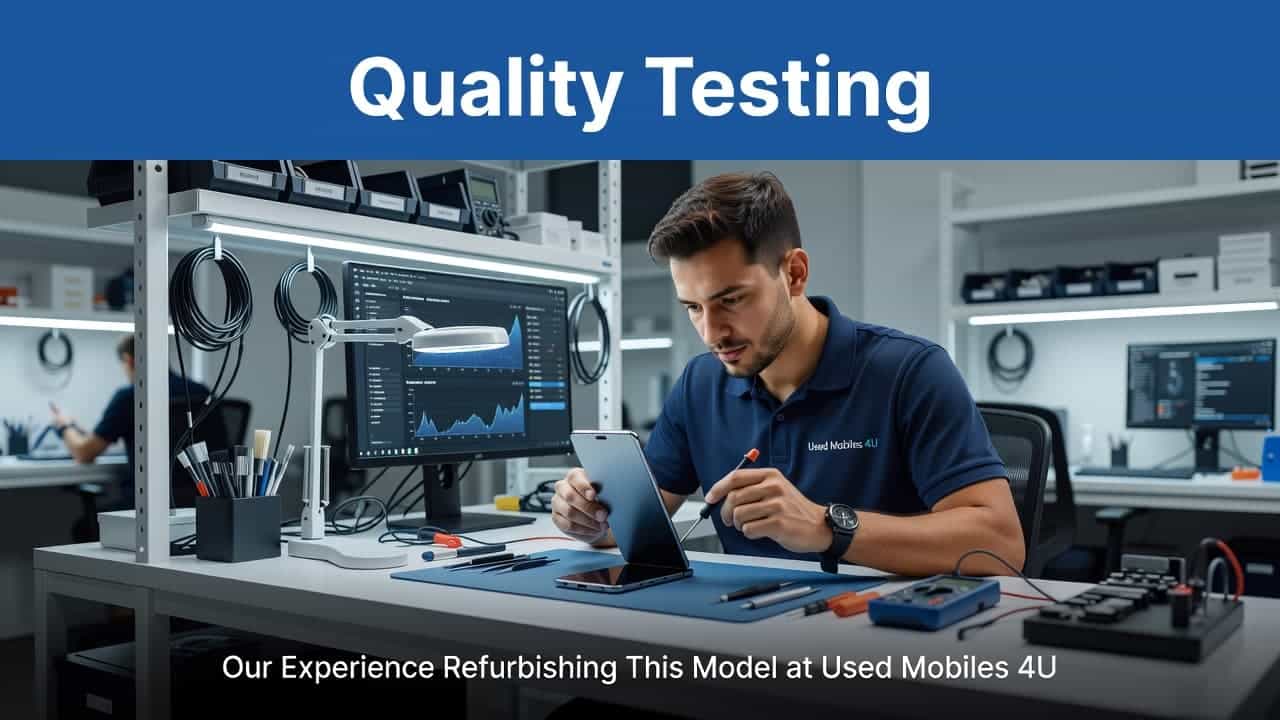
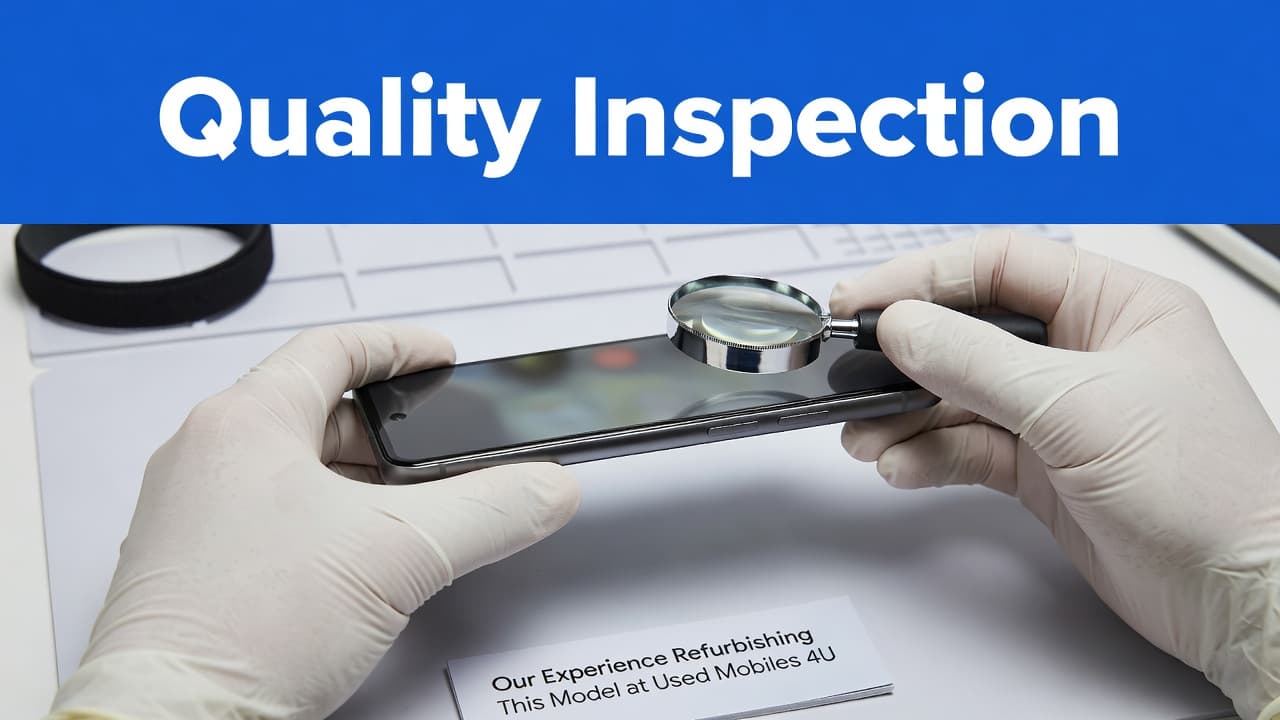
Tested & Reliable
At Used Mobiles 4 U, every used iPhone 16 Pro is:
Fully tested
Quality checked
Ready for everyday use
Who Should Buy It?
Ideal For:
Users upgrading from older models
Photography enthusiasts
Buyers wanting premium features at a lower price
Not Ideal For:
iPhone 15 Pro users
Those on a tight budget
Pros and Cons
Pros
Excellent camera
Strong performance
Premium build
Smooth display
Cons
Expensive new
Incremental upgrades
Final Verdict: A Smart Upgrade — Especially Refurbished
The iPhone 16 Pro is a polished, high-performance smartphone that delivers where it matters most.
But the real value comes when you buy it used.
Choosing a used iPhone 16 Pro means you get:
Flagship performance
Premium design
Significant savings
The Bottom Line
If you’re looking for a powerful and future-proof device, the is an excellent choice.
The best refurbished Android phones under £300 in the UK are the Samsung Galaxy S22, Google Pixel 7, and Galaxy A54. These models offer the best balance of performance, battery life, and long-term value compared to newer budget phones.
Spending £300 on a phone in 2026 can feel like shopping with a torch in a warehouse. New budget models promise plenty, yet older premium Androids still beat many of them where it counts.
From what we’re seeing in March 2026, the best value sits between £200 and £280. That’s where refurbished Android phones stop feeling like a compromise and start looking like the smartest buy on the shelf.
Best refurbished Android phones under £300 at a glance
These are the models we’d shortlist first.
If we had to pick one all-rounder, we’d lean towards the Galaxy S22. It still feels sharp, fast, and properly premium. However, if battery life matters more than raw speed, the A54 often makes more sense.
The Pixel 7 is the photographer’s bargain. Its images still punch above the price, especially in low light. Meanwhile, the Moto G84 is the quiet overachiever, because its display is better than many people expect at this money.
A three-year-old flagship is like a used hatchback with heated seats and a solid engine. It may have a few miles on it, but it still feels better than a brand-new base model.
That’s why the S22 stands out. It has the speed and screen quality many fresh budget phones still can’t match. The Pixel 7 follows the same pattern, because Google’s camera processing ages far better than most bargain sensors.
The A54 and Moto G84 take a different route. They aren’t old flagships. Instead, they win with steady battery life, bigger cells, and less heat in daily use. In real life, that matters more than benchmark numbers.
Support matters too. Samsung and Google still give more confidence on updates than Motorola. So if you keep a phone for years, we’d usually pay a little more for the S22 or Pixel 7.
We’re seeing the same pattern across the UK market. The value sweet spot sits around £200 to £250, a trend also reflected in Uswitch’s best budget phones guide. Prices have softened since late 2025, so better grades now slip under £300 more often.
Many readers start by comparing refurbished iPhones, browsing used iPhones UK listings, or hunting cheap refurbished iPhones. We get it. Apple holds value well. Yet across the refurbished smartphones UK market, Android usually gives you more storage, faster charging, and bigger batteries for the same spend.
That’s why shoppers who came looking for refurbished iPhone deals UK sometimes leave with a Samsung or Motorola instead. If you’re planning to buy refurbished iPhone stock, or weighing up second hand iPhones UK against Android, the real choice is simple: stronger resale, or more hardware for your pound?
We’ve explored similar trade-offs in our guide to the best budget Android phones, but in 2026 the answer is clearer than ever. Older premium Androids, and well-chosen mid-rangers, are where the smart money goes.
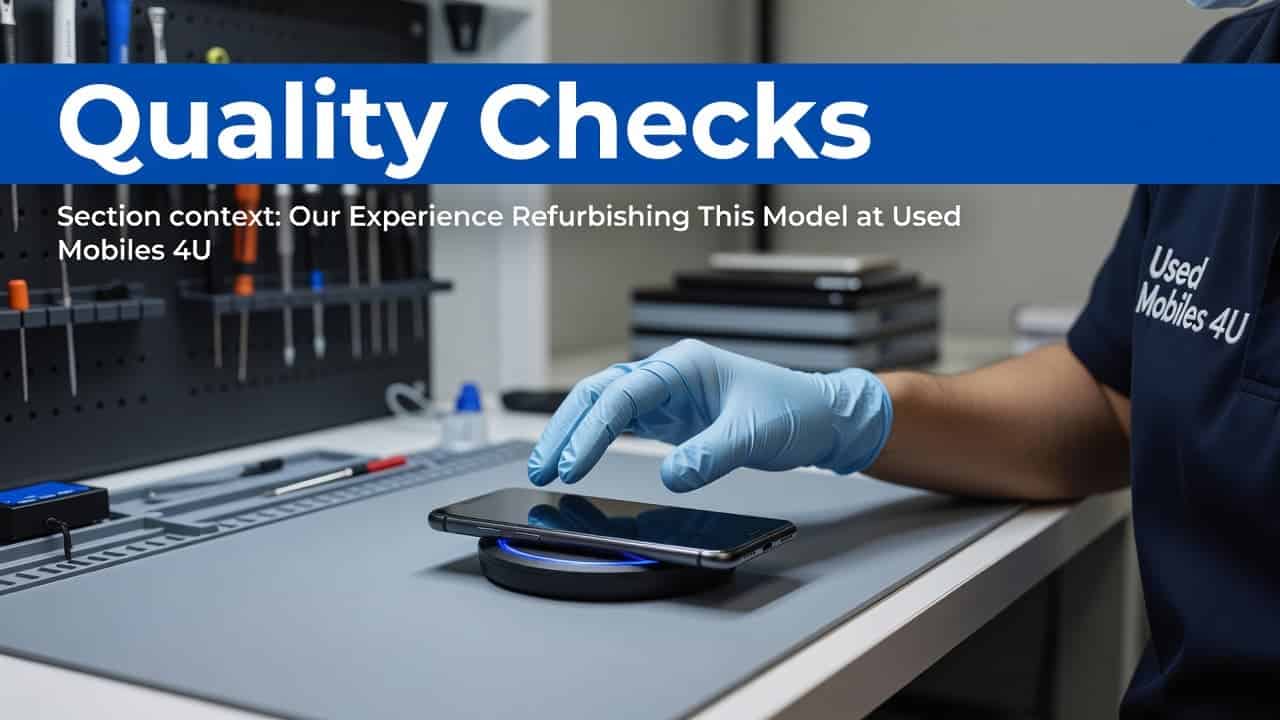
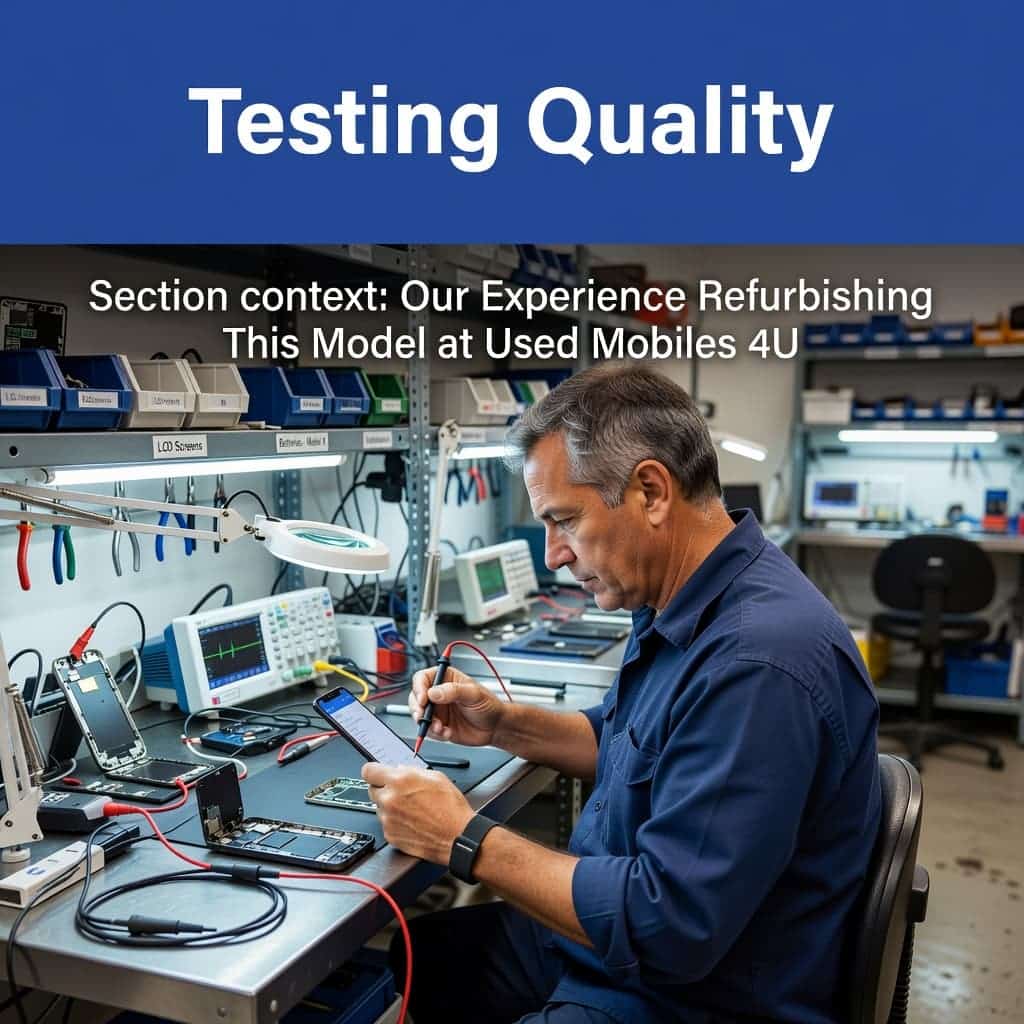
Our Experience Refurbishing This Model at Used Mobiles 4U
At Used Mobiles 4U, we see patterns that spec sheets never show. Battery wear is one of them. On older compact flagships, especially the Galaxy S22, battery fatigue shows up sooner than on larger mid-range phones. That’s not a deal-breaker, but it matters if you live on 5G, maps, and long video calls.
By contrast, the Galaxy A54 and Moto G84 often arrive in better shape. Their larger batteries tend to age more gently, and their ports usually show less wear. Pixel 7 units are usually reliable too, although we often see cosmetic marks around the camera bar before we see serious hardware faults.
Because some Android brands don’t show a clear battery health figure, we test drain, heat, charging speed, microphones, speakers, cameras, unlock systems, and port fit. That catches problems many generic sellers miss. It also helps us spot a weak battery even when the phone’s menus stay quiet.
One of our technicians put it well: “The A54 is boring in the best way. It rarely surprises us, and that’s exactly what many buyers want.”
One more thing we’ve learned, resale isn’t equal. Samsung flagships usually hold value better than Motorola mid-rangers. So if you swap phones every year or two, the S22 can be a better long-term buy than it first appears.
Which one we’d choose for each type of buyer
We’d keep it simple.
The Galaxy S22 suits buyers who want premium feel, better performance, and a phone that still feels expensive.
The Pixel 7 is the one we’d pick for camera-first users who want strong point-and-shoot photos.
The Galaxy A54 makes most sense if battery life and day-to-day reliability matter more than raw speed.
The Moto G84 is the value pick for a lighter Android experience and a lovely screen.
Condition matters as much as model. For a £280 S22, we’d often choose a lower cosmetic grade from a trusted refurbisher rather than a shinier device from an unknown seller. A strong battery test and proper warranty matter more than a spotless frame.
We’ve also noticed more buyers using outside guides to sense-check prices before they buy. That’s sensible, and Know Your Mobile’s refurbished phone picks show how quickly older models can fall into bargain territory.
Under £300, the best phone usually isn’t the newest one. It’s the model with life left in the battery, strength in the chip, and a fair grade from a seller that tests properly.
That’s why we’d start with the S22 or A54, then match the final choice to your habits. If you’re ready to compare current stock, Used Mobiles 4U regularly carries refurbished Android phones that hit this sweet spot without the new-phone sting.
Meta description: Best refurbished Android phones under £300 in the UK for 2026, with real pricing, battery tips, smart value checks, and buying advice from Used Mobiles 4U.
Used iPhone 15 Plus Review: A Solid Upgrade – And Even Better Value When Bought Used
When Apple introduced the “Plus” models into its iPhone lineup, the idea was simple: give users a bigger screen and better battery life without pushing them into the premium Pro price bracket.
Fast forward to today, and that strategy has created one of the most interesting opportunities in the second-hand phone market—especially if you’re considering a used iPhone 15 Plus.
If you’re thinking about upgrading your iPhone—or switching from Android—the Plus range deserves serious attention. Not because it’s the flashiest option, but because it delivers where it matters most: usability, reliability, and value.
And when you buy a used iPhone 15 Plus, that value becomes even more compelling.
What Is the iPhone Plus, Exactly?
The iPhone Plus sits between Apple’s standard iPhone and the Pro Max models.
Think of it as the “big-screen everyday iPhone.”
You get:
A large 6.7-inch display
Strong battery life
The same core performance as standard models
A more affordable price than Pro devices
This positioning is important, especially when buying a used iPhone 15 Plus, because it means you’re getting the features most people actually use—without paying for extras you might never need.
Design and Build: Familiar, Functional, and Durable
At first glance, the iPhone Plus doesn’t scream “premium flagship”—but that’s not a bad thing.
Apple has refined its design so much that even non-Pro models feel modern and polished.
Size and Feel
With its 6.7-inch display, the Plus model is:
Ideal for media consumption
Great for reading and browsing
Easier on the eyes than smaller phones
For many buyers choosing a used iPhone 15 Plus, this larger size is one of the main reasons to upgrade.
Build Quality
You still get:
Aluminium frame
Glass front and back
Solid, premium feel
This matters when buying used, because a used iPhone 15 Plus will typically still feel high-quality even after previous ownership.
Display: Big, Bright, and Easy to Live With
The display is one of the biggest reasons people choose a Plus model.
What You Get
6.7-inch OLED screen
Bright and vibrant colours
Sharp resolution
Watching videos, browsing, or gaming feels significantly better—especially on a used iPhone 15 Plus, where you’re getting a premium display at a lower cost.
What You Don’t Get
You won’t get a 120Hz refresh rate.
But for most users, this isn’t a dealbreaker. Unless you’re coming from a Pro device, you likely won’t notice.
Performance: Fast and Reliable
Apple’s chips are known for long-term performance.
Even when buying a used iPhone 15 Plus, you can expect:
Fast app loading
Smooth multitasking
Reliable daily performance
Real-World Use
For everyday tasks:
Social media runs smoothly
Streaming is seamless
Apps open instantly
For most users, a used iPhone 15 Plus will feel just as fast as a new device in daily use.
Battery Life: A Standout Feature
Battery life is where the Plus model really excels.
What to Expect
All-day battery life
Often longer with moderate use
Less need to charge during the day
Even with some wear, a used iPhone 15 Plus still performs well thanks to its larger battery capacity.
Camera: Consistent and Reliable
The camera system is strong, even if it’s not Pro-level.
Is a Used iPhone 16 Pro Worth It for Street Photography? A Complete Guide
Street photography has always been about capturing life as it unfolds—unscripted, unfiltered, and often gone in a split second. It’s one of the most exciting and challenging forms of photography because it demands instinct, awareness, and the ability to react instantly.
For decades, serious street photographers relied on compact film cameras, then DSLRs, and later mirrorless systems. But in recent years, something unexpected has happened: smartphones have quietly become one of the most powerful tools for street photography.
At the centre of that shift is the iPhone 16 Pro.
Whether you’re a beginner looking to get into photography or an experienced shooter considering a lighter setup, the iPhone 16 Pro offers a compelling mix of portability, power, and practicality. And when you factor in the option of buying a used iPhone 16 Pro, it becomes even more appealing.
In this guide, we’ll take a deep dive into what makes the iPhone 16 Pro such a strong choice for street photography—and why buying one pre-owned could be the smartest move you make.
The Evolution of Street Photography: From Cameras to Smartphones
Street photography has never really been about having the “best” camera. It’s about timing, perspective, and storytelling.
Historically, photographers like Henri Cartier-Bresson relied on small, unobtrusive cameras to blend into their environment. The goal was always the same: capture authentic moments without interfering.
Ironically, smartphones have brought us full circle.
Instead of carrying a dedicated camera, photographers now have something even more discreet—a device that everyone already uses daily. The iPhone 16 Pro doesn’t just fit this philosophy; it enhances it.
Because it’s always with you, it removes one of the biggest barriers in photography: being prepared.
Always Ready: Why Convenience Matters More Than Specs
One of the most overlooked advantages of the iPhone 16 Pro is simple: it’s always in your pocket.
That changes everything.
With a traditional camera, you need to:
Decide to bring it with you
Carry it around all day
Take it out and power it on
Even a few seconds of delay can mean missing the perfect shot.
With an iPhone:
You can launch the camera instantly
You can shoot within seconds
You’re never “without” your camera
Street photography thrives on spontaneity. A fleeting glance, a passing interaction, or a perfectly aligned composition can disappear in an instant. The iPhone 16 Pro gives you the ability to respond immediately.
And that’s often more valuable than having the highest-end camera gear.
A Closer Look at the iPhone 16 Pro Camera System
Let’s talk about what you’re actually getting.
The iPhone 16 Pro isn’t just a smartphone with a camera—it’s a fully-fledged multi-lens imaging system designed to handle a wide range of scenarios.
48MP Main Camera
The main sensor delivers:
High-resolution images
Strong low-light performance
Excellent detail and colour accuracy
This is your go-to lens for most street photography situations.
Ultra-Wide Lens
Street photography isn’t always about people—it’s also about context.
The ultra-wide lens allows you to:
Capture entire scenes
Include architecture and surroundings
Tell a broader story
5x Telephoto Lens
This is where things get interesting.
The telephoto lens lets you:
Shoot from a distance
Capture candid moments without intrusion
Frame subjects more tightly
For street photographers who prefer observing rather than interacting, this lens is incredibly valuable.
Computational Photography: The Real Game-Changer
What truly sets the iPhone apart isn’t just hardware—it’s software.
Apple’s computational photography combines multiple exposures, advanced processing, and AI to produce images that would be difficult to achieve manually.
This includes:
Smart HDR
Night mode
Deep Fusion processing
The result is photos that look balanced, detailed, and ready to share—often straight out of the camera.
Shooting in ProRAW: Unlocking Creative Control
If you want more control, the iPhone 16 Pro offers ProRAW.
This feature bridges the gap between smartphone and professional photography.
With ProRAW, you can:
Capture more image data
Adjust exposure and colours in post-processing
Retain detail in highlights and shadows
For photographers who edit their work, this is essential.
Editing on the Go: A Complete Workflow in Your Pocket
Another major advantage of using the iPhone 16 Pro is the ability to shoot and edit in the same device.
Apps like:
Lightroom Mobile
Snapseed
VSCO
allow you to:
Fine-tune exposure and contrast
Adjust colours and tones
Apply creative styles
You can go from capturing a moment to sharing a polished image in minutes.
Staying Invisible: The Power of Shooting Discreetly
One of the biggest challenges in street photography is remaining unnoticed.
A large camera can:
Draw attention
Change people’s behaviour
Make candid shots harder to capture
An iPhone, on the other hand, is completely normal.
People assume you’re:
Texting
Checking directions
Browsing social media
This allows you to:
Blend into your environment
Capture genuine moments
Shoot without disrupting the scene
Real-World Scenarios: Where the iPhone 16 Pro Excels
Let’s look at how it performs in everyday situations.
Busy City Streets
Fast-moving environments require speed and flexibility. A used iPhone 16 Pro still delivers instant responsiveness, making it perfect for capturing fleeting moments in crowded urban spaces.
Public Transport
With a used iPhone 16 Pro, you can shoot discreetly in tight environments without drawing attention, making it ideal for trains, buses, and underground settings.
Night Photography
Low-light performance is impressive, even on a used iPhone 16 Pro, thanks to Night mode and advanced image processing.
Limitations You Should Know About
No device is perfect, and it’s important to be realistic.
Ergonomics
Phones aren’t designed for photography first. Even with a used iPhone 16 Pro, grip and handling can feel less natural than a dedicated camera.
Battery Life
Heavy use—especially photography—can drain your phone quickly. If you’re relying on a used iPhone 16 Pro for long shooting sessions, carrying a power bank is a smart move.
Image Quality vs Dedicated Cameras
While a used iPhone 16 Pro delivers excellent results, it still won’t fully replace professional camera systems in every scenario. However, for most users, the difference is negligible.
Why Buying a Used iPhone 16 Pro Makes Sense
Now let’s talk about value.
A used iPhone 16 Pro offers:
Flagship camera performance
Premium build quality
Advanced features at a lower price
Instead of paying full retail, you can get the same powerful device for significantly less.
For photographers, this is a huge advantage.
You’re essentially getting:
A high-end camera
A portable editing suite
A daily-use smartphone
All in one.
Sustainability: A Smarter Choice
Buying a used iPhone 16 Pro isn’t just about saving money—it’s also better for the environment.
It helps:
Reduce electronic waste
Extend product life cycles
Lower your carbon footprint
Who Is It Best For?
Beginners
A used iPhone 16 Pro is perfect if you’re just starting out. It’s simple, powerful, and always accessible.
Enthusiasts
Photography enthusiasts will appreciate the creative control and flexibility a used iPhone 16 Pro provides.
Professionals
Even professionals can benefit from having a used iPhone 16 Pro as a lightweight, everyday shooting tool.
Tips for Better Street Photography
Focus on timing over gear
Use natural light whenever possible
Stay aware of your surroundings
Practice regularly
Keep your edits subtle
The Future of Street Photography
Smartphones are no longer just alternatives—they’re becoming primary tools.
The used iPhone 16 Pro represents this shift perfectly, combining convenience with serious photographic capability.
Final Verdict
So, is a used iPhone 16 Pro worth it for street photography?
For most people, absolutely.
It offers:
Portability
Power
Flexibility
Excellent value
And when bought used, it becomes even more attractive.
Final Thoughts
Street photography has never been about the gear—it’s about the moment.
The iPhone 16 Pro makes capturing those moments easier than ever. And choosing a used iPhone 16 Pro makes it even more accessible.
If you want a powerful, portable, and cost-effective way to get into street photography, it’s one of the best options available today.
If you’re selling iPhone 8 in 2026, you’re probably in one of two positions. Either it’s been sitting in a drawer for months and you want a fair return, or you’re still using it and have realised it’s time to move on before it becomes more hassle than it’s worth.
The good news is that an iPhone 8 can still be sold. The key is doing it properly. That means backing up your data first, removing your Apple ID correctly, checking the battery and condition accurately, then choosing a selling route that matches what matters most to you: the highest price, the least effort, or the safest transaction. In the UK, it also helps to price against local marketplaces rather than relying on US-based trade-in pages, because demand, VAT, and regional buying patterns all affect what people will ultimately pay.
A lot of trouble starts with rushed sales. Locked phones, poor listings, missing accessories, and unsafe payment arrangements are the things that usually cause problems. If you avoid those, selling an older iPhone is normally straightforward.
Your Pre-Sale Checklist Preparing an iPhone 8 for a New Owner
A typical problem in the shop is simple. Someone sells an iPhone 8, the buyer gets home, and setup stops at Activation Lock or a missing data issue the seller did not realise they had created. A proper prep routine prevents that and usually helps the phone sell faster because buyers can see it has been handled properly.
Start with the backup while the phone is still fully working. Save everything first, then clear it.
For iCloud, go to Settings > [your name] > iCloud > iCloud Backup > Back Up Now. If you use a Mac or PC, connect the handset and back it up through Finder or iTunes, depending on your setup. If you want a second check before wiping, this guide on how to securely wipe your old iPhone clean covers the process clearly.
Selling iPhone 8: Your 2026 UK Guide for Top Value 15
Remove your Apple ID properly
This matters more than cosmetic condition. An iPhone 8 with light wear will still sell. An iPhone 8 tied to the previous owner’s Apple ID often becomes a return, a complaint, or a complete loss of buyer trust.
Use the phone itself for this part:
Go to Settings > [your name]
Scroll down and tap Sign Out
Enter your Apple ID password if prompted
Confirm sign-out
Then check that Find My is off:
Go to Settings > [your name] > Find My > Find My iPhone
Confirm Find My iPhone is disabled
Practical rule: If Find My is still active, the phone is not ready to hand over.
I see this regularly with marketplace purchases across the UK. The handset powers on, looks fine in the listing photos, then the new owner cannot activate it. That one mistake can wipe out any price advantage you gained from a private sale.
Erase the phone and check the basics
Once the backup is finished and Apple ID sign-out is complete, reset the phone through the proper menu:
Settings > General > Transfer or Reset iPhone > Erase All Content and Settings
After the reset, let it restart to the Hello setup screen. Stop there. That is the screen a buyer wants to see because it shows the phone has been cleared and is ready for a new account.
Then inspect the handset properly before you photograph it or describe it.
Screen glass: check for scratches, cracks, bright spots, or edge lift
Rear housing: look for dents, heavy scuffing, and wear around the camera
Buttons and ports: test the home button, power button, volume buttons, mute switch, speakers, and Lightning port
Cameras: open the camera app and test front and rear cameras for focus and clarity
Battery health: before wiping, check Settings > Battery > Battery Health & Charging
Battery health makes a noticeable difference on an iPhone 8 because buyers know they are purchasing an older model. In practice, once battery health gets close to the lower end, buyers either negotiate harder or budget for a replacement. In London and the South East, some buyers will still pay a little more for a tidy example with a decent battery. In smaller local markets, condition and battery health tend to matter even more because buyers compare against cheaper nearby listings rather than refurbished retail stock.
If you are selling from a business in the UK, keep a note of the battery health and any repairs carried out. That record helps with stock descriptions, customer queries, and VAT paperwork later if the phone forms part of business inventory.
Make it look cared for
Presentation affects value because buyers use small details to judge how honest the seller has been.
Clean the phone with a microfibre cloth. Use a soft brush around the speaker grilles and charging port. Wipe the edges, camera lens, and the area around the buttons. Dirt packed into openings makes an iPhone look neglected, even when it works perfectly.
Gather any extras you still have:
Charging cable
Plug
Original box
SIM tool
Receipt or proof of purchase if available
In the UK, the box does not add a huge amount on an older iPhone 8, but it can help reassure cautious buyers, especially on eBay. A receipt is more useful if you are a business seller because it helps prove stock origin and makes your records cleaner.
Be honest about wear. If there is a deep scratch, dent, or third-party screen, say so plainly. Accurate prep does two jobs at once. It reduces the chance of disputes and helps you hold your asking price because the buyer is not discovering problems later.
Choosing Your Best Selling Route in the UK
Where you sell matters almost as much as the phone itself. Some people want the strongest possible return and don’t mind messages, photos, and negotiating. Others just want the iPhone gone without dealing with strangers or uncertain buyers.
The quickest way to choose is to decide what you care about most: price, speed, or simplicity. If you want a broader comparison, these UK iPhone selling options are worth a look before you commit.
Selling iPhone 8: Your 2026 UK Guide for Top Value 16
Private marketplaces
Selling privately usually gives you the most control. In the UK, that often means eBay or Facebook Marketplace.
The upside is clear. You set the asking price, choose the wording, and decide whether to post or meet in person. If your iPhone 8 is clean, carrier-free, and well presented, a private sale can attract buyers who prefer a cheaper handset without retailer markup.
The downside is effort. You’ll need to answer messages, deal with low offers, and filter out timewasters. Some buyers also ask technical questions they don’t really understand themselves, which can turn a simple sale into a long conversation.
A good private sale works when the seller is organised. A bad one usually starts with vague photos, no battery health screenshot, and a description that leaves buyers guessing.
Best for: sellers who don’t mind doing the work and are comfortable handling buyer questions.
Instant resale or shop-based trade sale
This route suits people who want the sale done quickly. You hand over the phone, it’s assessed, and you receive an offer based on condition and functionality.
That simplicity is useful if the iPhone 8 is no longer your main mobile and you’d rather not spend days dealing with listings. The trade-off is that convenience usually means a lower payout than a well-run private listing.
It can still be the right choice if the phone has cosmetic wear, a tired battery, or if you just don’t want the hassle of arranging collection or postage yourself.
Best for: speed and certainty.
Online trade-in services
Online trade-in services sit in the middle. You answer questions about the handset, receive a quote, then send the device for inspection.
That works well for older iPhones because buyers in this market usually want clear grading and a predictable process. One example is the Sell Your Tech route from Used Mobiles 4 U, where you enter the device details online, receive a quote, and send the phone in for assessment. That won’t suit everyone, but it does suit sellers who want a defined process rather than back-and-forth messages.
A practical point here is honesty. If a phone is described as better than it is, the inspected value may change. Accurate grading at the start makes the whole process smoother.
Best for: sellers who want less effort than a private sale but still want a proper device-based quote.
Business and bulk device disposal
If you’re a sole trader, school, office manager, or small business owner with several handsets, don’t treat it like a personal clear-out. Bulk device sales need a different approach.
A business should think about:
Device records: IMEI, model, storage, and condition
Data handling: who signed the device out and when it was wiped
Payment trail: keep invoices or remittance records
VAT position: especially if the devices were business assets
For one or two phones, none of this feels heavy. For ten or twenty, it matters. Businesses usually benefit from dealing with a buyer who understands stock grading and documentation rather than trying to shift each mobile one by one on consumer marketplaces.
How to Set a Competitive Price for Selling an iPhone 8
A common mistake in the UK market is pricing an iPhone 8 from memory. Someone remembers paying several hundred pounds for it, sees a few optimistic listings online, and sets the asking price too high. Two weeks later, the phone is still unsold, the listing looks stale, and buyers start offering less than the handset would have achieved with a sensible price on day one.
The iPhone 8 launched in 2017, so buyers now treat it as an older budget iPhone. Price needs to reflect what the phone is today. Storage, battery health, network status, and visible wear all matter more than the original retail price.
Selling iPhone 8: Your 2026 UK Guide for Top Value 17
Start with current UK sold prices
Use UK comparables, not US trade-in guides. A number taken from an American site often creates the wrong expectation because UK resale values, buyer habits, and local platform fees differ.
Check completed or recently sold listings on UK platforms such as eBay, then compare those figures with local asking prices on Facebook Marketplace or Gumtree. That gives you two useful benchmarks. One shows what buyers have paid, the other shows what sellers are still trying to get. If you want a second reference point before setting the figure, this guide on how much is my phone worth UK is a practical way to sense-check your starting range.
Match the comparison properly:
same storage size
same network status
similar battery health
similar cosmetic condition
same accessories, if any
A clean, carrier-free 256GB handset with its box should not be priced against a worn 64GB phone restricted to one network.
Adjust for the details buyers actually pay for
Storage usually moves the price first. Then condition decides whether the phone will sell at that figure.
In day-to-day resale work, I see sellers overvalue minor extras and undervalue obvious faults. The original box can help. A charging cable can help. A scratched screen, weak battery, or non-genuine repair affects value more because it changes how confident the buyer feels about the phone.
Here is a practical way to look at it:
If the battery health is poor, price that in early. Many buyers know they may need a battery replacement soon, and they will negotiate on that point straight away.
Price for your part of the UK
Where you sell can change how ambitious you can be.
In London, Birmingham, Manchester, Leeds, and other dense urban areas, there are more active buyers at any given time. Local collection also feels easier to many people, so a tidy iPhone 8 can sometimes support a firmer asking price there than it can in a smaller town. In rural areas, sellers often do better by pricing a little more realistically from the start rather than waiting for the perfect buyer.
That does not mean adding money just because you live in the South East. It means checking local supply. If ten similar iPhone 8s are already listed nearby, buyers have options and your price needs to compete.
Photos affect this more than many sellers expect. Clear images can make a mid-range listing look trustworthy enough to hold its price, while poor images can drag a fair listing down. If you want cleaner listing images without making them look misleading, PhotoMaxi AI product photography covers useful basics.
Set the price for the condition you have, the area you are selling in, and the type of buyer you want to attract.
Leave room for the selling route and business costs
Private sale pricing and business sale pricing are not the same thing.
A private seller on Facebook Marketplace may aim a little higher because there is usually room for negotiation. A trade-in or mail-in buyer will usually offer less, but the sale is quicker and more predictable. That is the trade-off.
For UK businesses, the maths needs more care. If the handset is being sold through a VAT-registered business, VAT treatment can affect the final margin and how the price is presented to the buyer. It is better to work that out before listing than to discover afterwards that the sale looked profitable only because the tax position was ignored.
Creating an Effective Listing That Builds Trust
A strong listing does one thing really well. It answers the buyer’s next question before they need to send it.
Most weak listings fail because they’re too vague. “iPhone 8 good condition” tells a buyer almost nothing. A better listing shows the exact model, storage, network status, battery health, and visible wear in plain language.
What buyers want to know straight away
Start with a clear title. Keep it factual.
A simple format works well:
Apple iPhone 8 64GB Space Grey SIM-free Good Condition
That gives the buyer the essentials in one line. If the phone is locked to a network, say so. If the battery has been replaced, say that too. Clarity saves time for both sides.
Your description should cover:
Model and storage: iPhone 8, 64GB or 256GB
Colour: useful for search and buyer preference
Network status: SIM-free or locked
Battery health: as shown in settings before reset
Condition: mention scratches, dents, replaced parts, or marks
What’s included: box, cable, plug, paperwork, case
Reset status: erased and ready for new owner
A simple description template
You don’t need sales language. You need accuracy.
Apple iPhone 8 in good working order. Fully reset and ready for setup. [Storage] model in [colour]. [Unlocked / locked to network]. Battery health was [state actual percentage if known] before reset. Screen has [light scratches / no cracks / visible wear], frame has [minor marks / dent on one corner]. Includes [box / cable / charger] if shown in photos. Honest used condition.
A customer once told us they chose a refurbished handset from us because the photos clearly showed the minor marks on the frame. That’s exactly the reaction you want. People are usually comfortable with wear on an older phone. What puts them off is feeling that the seller is hiding it.
Photos do most of the trust-building
Take the phone out of any case. Use daylight if you can, and keep the background plain.
Photograph:
the front screen switched on
the back
both sides
the top and bottom edges
the charging port area
close-ups of any scratches or dents
accessories included in the sale
If you struggle to get clean, consistent images, a guide like PhotoMaxi AI product photography is useful for improving the presentation without making the phone look misleadingly perfect.
Don’t crop out the flaw. Photograph it clearly, then mention it in the description.
Small details that reduce disputes
Before publishing the listing, check these points:
Match the photos to the description: don’t mention “excellent condition” if the corners are chipped
State postage terms clearly: tracked only, or collection only
Avoid overpromising: if you haven’t tested a feature recently, don’t claim it’s flawless
Keep screenshots if needed: battery health and storage proofs can help before reset
A buyer who feels informed is much less likely to argue after the sale.
Completing the Sale Securely From Payment to Postage
A typical problem in the UK goes like this. You agree a fair price with a buyer in Birmingham, they ask for posting to Glasgow, then they start pushing for quick dispatch before the payment has properly cleared. That is where sellers lose money, not on the listing, but in the final hour when they rush.
Selling iPhone 8: Your 2026 UK Guide for Top Value 18
The safest sale is usually the one with the clearest paper trail. Keep the messages where the sale started, confirm the exact handset being sold, and do not post until the funds are visible in your account or properly marked as received by the platform. A screenshot, forwarded email, or “pending” message is not payment.
Warning signs that should slow the sale down
I see the same patterns repeatedly with second-hand phone sales. The buyer agrees too quickly, wants to move off eBay or Facebook Marketplace at once, changes the delivery address after payment, or says a friend or courier will collect on their behalf.
One of the oldest tricks is overpayment. The buyer “accidentally” sends too much, then asks for the difference back by bank transfer. Another is fake proof of payment. If the money is not cleared, the iPhone stays with you.
For collection sales, meet in a public place in daylight and confirm the transfer while you are both there. For posted sales, keep everything on-platform where possible. That gives you message records, timestamps, and item details if a dispute starts later.
Payment methods that work best in practice
For a private face-to-face sale, cash is still usable if you are confident checking it and meeting somewhere sensible. Bank transfer is cleaner for many sellers, but only hand over the phone once the funds show as received in your banking app, not when the buyer says they have sent it.
For marketplace sales, use the platform’s payment process unless you have a good reason not to. Seller protections are never perfect, but they are usually better than trying to sort out an off-platform dispute yourself. If you also sell other items online, fee structures on larger marketplaces can affect how much margin you keep, and Seller Central referral fee data is a useful reference point when comparing selling channels.
Use these rules every time:
Post only after cleared payment
Send only to the confirmed address on the order
Keep all buyer messages until the sale is fully finished
Never share Apple ID passwords, passcodes, or account access
Cancel the sale if the buyer keeps changing the terms
A genuine buyer may ask questions. A risky buyer usually creates pressure.
Pack for UK couriers, not for a shelf
An iPhone 8 does not need fancy packaging, but it does need proper protection. Royal Mail and courier networks involve sorting cages, conveyor drops, stacked parcels, and wet weather during collection and delivery. Thin bubble wrap in an oversized box is how screens get cracked and corners get dented.
Wrap the handset well, stop it moving inside any inner box, then place that inside a stronger outer carton with enough padding to prevent shifting. Seal the parcel properly and choose a tracked service that matches the value of the phone. If you want a practical checklist, how to ship your tech safely covers the packing steps clearly.
Collection can still be the better option in some parts of the UK, especially if local demand is strong and you want to avoid postage risk altogether. In London, Manchester, or Leeds, collection sales can move faster than they do in quieter areas, but they need tighter payment discipline.
Keep proof before and after dispatch
Take final photos of the iPhone switched on, then of the packed parcel and shipping label. Keep the receipt, the tracking number, and the buyer’s confirmed address details.
If the parcel is delayed or the buyer claims the wrong item arrived, those records matter. They are often the difference between closing the issue quickly and losing both the phone and the payment.
For Businesses and Bulk Sellers UK Tax and VAT Considerations
If you’re selling one old personal iPhone, tax probably isn’t the first thing on your mind. If you’re a business, a sole trader, or disposing of several handsets, it should be.
This part is often skipped in selling guides, but it matters because old mobiles aren’t just clutter on a shelf. In business terms, they may be assets leaving your books, part-exchange values entering your records, or stock transactions with VAT consequences.
Why businesses need to treat phone sales properly
The practical point is simple. A mobile sale isn’t only about what money comes in. It’s also about how that money is recorded.
For UK businesses selling iPhones, tax obligations are a critical but often overlooked aspect. The process involves more than the cash transaction. Businesses need to consider how to report the sale of assets, VAT implications on refurbished goods, and whether income from trade-in programmes like Sell Your Tech is taxable.
That means you should be asking:
was the iPhone a business asset?
was VAT originally reclaimed on purchase?
is the sale being treated as disposal of equipment or sale of stock?
how should a trade-in allowance appear in the accounts?
Keep records before you need them
Waiting until year-end usually creates confusion. A better habit is to keep the paperwork together when the device is sold.
For each handset or batch, keep:
Device list: model, storage, IMEI, condition
Sale paperwork: invoice, quote, remittance, or trade-in confirmation
Internal sign-off: who approved disposal
Data-wipe record: especially important for company devices
Businesses rarely get into trouble because they sold one old iPhone. Problems start when nobody can show what was sold, when, and how it was treated in the accounts.
Check marketplace fees as well as tax treatment
If you’re selling stock or used devices through online marketplaces, don’t focus only on the sale price. Platform deductions affect your real return and need to be accounted for properly. A reference point like Seller Central referral fee data can be useful when you’re comparing channels and working out whether a marketplace sale still makes financial sense after fees.
This isn’t formal tax advice, and it shouldn’t replace your accountant. But it is a reminder to treat device disposal like part of running the business, not like an afterthought.
Final Thoughts on Selling Your iPhone 8
Selling iphone 8 still makes sense if the phone is clean, correctly reset, and priced with the UK market in mind. Most of the value is protected by doing the basics well. Back up first, remove your Apple ID properly, describe the condition accurately, and don’t cut corners on payment or postage.
If you want to chase the highest possible return, a private sale can work. If you’d rather avoid the back-and-forth, a trade-in or resale service may be the easier route.
The important part is keeping the process safe and realistic. An older iPhone can still be useful to someone else, and a careful sale is much better than leaving it forgotten in a drawer.
Author Bio
Written by James Waterston, 24 years in the mobile phone industry from customer service through to Sales Director of a global repair and recycling company. Now running Used Mobiles 4 U for over 8 years.
If you’d rather skip the hassle of listing, messages, and postage decisions, Used Mobiles 4 U offers a straightforward way to trade in old tech or get advice on choosing a quality refurbished replacement.
Used iPhone 15 Pro Review: Is It Still Worth Buying in 2026?
The iPhone 15 Pro arrived as one of Apple’s most refined smartphones — not because it reinvented the wheel, but because it improved almost everything that already worked well. Fast forward to 2026, and while newer iPhones are now available, the used iPhone 15 Pro has become one of the most attractive premium devices you can buy without paying full flagship prices.
If you’re considering upgrading on a budget, the used iPhone 15 Pro sits in a very strong position. It delivers high-end performance, a premium design, and modern features like USB-C — all at a significantly reduced cost compared to buying new.
A Subtle but Meaningful Redesign
At first glance, the iPhone 15 Pro doesn’t look drastically different from the iPhone 14 Pro. However, the refinements become obvious in daily use — especially when buying a used iPhone 15 Pro, where build quality and longevity matter most.
Titanium Build: Lighter and More Durable
The biggest change is the move to titanium. This results in:
A lighter device
Better comfort during long use
Improved durability over time
For anyone buying a used iPhone 15 Pro, this is a major advantage, as the device tends to show less wear compared to older stainless steel models.
Improved Ergonomics
Apple also softened the edges slightly, making the phone easier to hold. It’s a subtle upgrade, but one that improves the everyday experience — particularly important when investing in a used iPhone 15 Pro you’ll be using long-term.
USB-C: A Long-Awaited Upgrade
One of the most important features of the iPhone 15 Pro is the switch to USB-C — a huge benefit for anyone considering a used iPhone 15 Pro today.
Why It Matters
USB-C allows you to:
Use one cable across multiple devices
Charge more conveniently
Future-proof your purchase
This makes the used iPhone 15 Pro far more practical than older iPhones that still rely on Lightning.
Performance: Still Flagship-Level
Powered by the A17 Pro chip, the iPhone 15 Pro remains incredibly fast — even in 2026.
Everyday Use
The performance is smooth across:
Apps
Multitasking
Browsing
Buying a used iPhone 15 Pro means you’re still getting near-top-tier performance without paying premium prices.
Long-Term Value
Apple’s long software support ensures the device will continue receiving updates for years, making a used iPhone 15 Pro a smart long-term investment.
Display: Premium and Future-Proof
The 6.1-inch OLED display with a 120Hz refresh rate continues to deliver an excellent experience.
Key Benefits
Smooth scrolling
Bright outdoor visibility
Sharp, vibrant visuals
Even when buying a used iPhone 15 Pro, the display quality remains top-tier and comparable to newer devices.
Camera System: Reliable and Versatile
The camera setup includes:
48MP main lens
Ultra-wide
3x telephoto zoom
Photos are consistent, detailed, and natural-looking.
Real-World Performance
For everyday photography, the used iPhone 15 Pro still competes with newer smartphones. It performs especially well in:
Daylight
Low-light conditions
Video recording
The only real limitation is zoom, as it lacks the 5x capability of the Pro Max.
Battery Life and Charging
Battery life is solid, though not class-leading.
What to Expect
Full-day use for moderate users
Reliable performance for daily tasks
When buying a used iPhone 15 Pro, battery health becomes more important than original specs. Refurbished models with replaced batteries can perform exceptionally well.
The Action Button
Replacing the mute switch, the Action Button adds custom functionality such as:
Quick access to apps
Shortcuts
Camera launch
It’s a small but useful addition that enhances the usability of the used iPhone 15 Pro.
Comparing to Other Models
iPhone 14 Pro
Slight performance boost
USB-C upgrade
Lighter design
iPhone 13 Pro
Significant performance jump
Improved camera processing
More future-proof
Compared to older models, the used iPhone 15 Pro offers a much better balance of performance and features.
Why It’s a Great Used Buy
The used iPhone 15 Pro stands out because it delivers flagship features at a lower cost.
Key Advantages
Premium build quality
Strong performance
Long software support
Modern connectivity
It’s often a better choice than buying a brand-new budget phone.
A good condition refurbished iPhone 6s usually sits around £80 to £120 in the UK, while an iPhone 6 is more often £60 to £90. Those prices can shift quite a bit depending on condition, battery health, storage, and whether you’re buying from a private seller or a refurbished retailer with proper checks and a warranty.
If you're looking at older iPhones now, you're probably trying to solve a simple problem. You need a cheap, familiar mobile that still handles calls, messages, basic apps and a bit of browsing without spending modern flagship money. That’s where these models still come up.
The catch is that the iphone 6 and 6s price only tells part of the story. Two phones that look similar in a listing can feel very different once you start using them. One may have a tired battery, no comeback if it fails, and hidden cosmetic wear. Another may cost a bit more but arrive tested, clean, and ready to use with fewer headaches.
Your Guide to Buying an iPhone 6 or 6s in 2026
Your main phone has failed, or you need a first handset for a teenager, and spending several hundred pounds on a newer iPhone makes no sense. That is usually why the iPhone 6 and 6s still get considered in 2026. They are familiar, simple to use, and cheap enough to fill a gap without turning into a big purchase.
The part many buyers miss is value. Two listings can show the same model at a similar price, yet one turns out to be decent for everyday use and the other becomes a nuisance after a week. On older iPhones, the key difference is often battery health, how well the phone was tested, the honesty of the condition grading, and whether you have any warranty if something fails.
That matters more with these models than it does with newer stock. At this age, you are not really paying for the phone alone. You are paying for how much life is left in it.
A private seller on eBay might look cheaper at first glance. If the battery drains by lunchtime, the charging port is loose, or Touch ID is temperamental, that saving disappears quickly. A properly refurbished device costs a bit more because the checks, cleaning, battery assessment, and after-sales support have already been built into the price. That is also why a 12-month guarantee has real weight here. It is not a marketing extra. It is protection against the kind of faults older handsets are more likely to develop.
The smart way to judge an iPhone 6 or 6s is to look past the headline figure and ask a few practical questions:
Which model still feels usable for the jobs you need it to do
How the seller defines condition, not just the grade label itself
Whether the battery has enough health left for normal daily use
What warranty or returns cover you get if the phone develops a fault
A cheap older iPhone can still be good value. A cheap older iPhone with a weak battery, vague grading, and no returns policy usually is not.
UK iPhone 6 and 6s Price by Condition and Storage
A customer usually notices the price gap first. The better question is what that extra money buys.
With iPhone 6 and 6s models, the cheapest listing is rarely the best value. In the UK refurbished market, price differences usually come down to three things sellers do not always explain clearly. Cosmetic grade, battery condition, and whether the phone comes with real cover if something fails. That is why two 32GB iPhone 6s handsets can be priced quite differently even though they look similar in a search result.
Typical UK refurbished price ranges
These ranges are a practical buying guide, not a promise that every seller will match them exactly. Stock on older models changes often, and cleaner examples with tested batteries and a proper warranty sit at the top end.
That spread matters. A £60 iPhone 6 and a £90 iPhone 6 are not necessarily the same deal. One may have heavier wear, a tired battery, or no meaningful support after delivery. The higher-priced one may have cleaner cosmetics, stronger battery health, and a 12-month guarantee built into the cost.
If you want a clearer idea of what grade labels should mean in practice, this UK refurbished iPhone grades guide is worth checking before you compare listings.
Why the 6s usually costs more
The 6s is the safer buy for anyone who wants the phone to feel less sluggish in daily use. It copes better with app switching, setup, browsing, and general responsiveness. That is why refurbished sellers can ask more for it and still find buyers.
I see this in repairs and trade-ins all the time. A tidy iPhone 6 can still suit very light use, such as calls, messages, music, and basic apps. The 6s gives you more headroom, so buyers tend to keep it longer and complain about performance less often.
Storage matters, but less than buyers expect
Storage still affects price, especially if you want to keep photos, videos, and offline apps on the phone. But on devices this old, I would not put storage at the top of the checklist.
I would rather buy:
A cleaner 32GB phone with a decent battery
A Good grade handset from a seller with a 12-month guarantee
A slightly lower storage model that has been properly checked
That is the part many eBay listings blur. They lead with storage and headline price, but leave out the details that decide whether the phone feels reliable after a week of use.
Pay for condition, battery quality, and warranty first. Then choose the storage you can afford.
What Really Determines the Price of a Used iPhone
iPhone 6 and 6S Price: 2026 UK Guide 28
A used iPhone can look like a bargain right up until the battery starts dropping fast, the speaker crackles on calls, or the seller stops replying after delivery. That is why two iPhone 6s handsets with the same storage and the same model number can still be priced differently for good reason.
On older iPhones, the ticket price only tells part of the story. The core value sits in the condition, battery quality, parts history, and the support behind the sale. That is also where refurbished stock often separates itself from a random marketplace listing.
Condition matters more than most buyers think
Condition affects more than appearance. It often hints at how the phone has been treated over time.
I tell customers to check three areas first:
Screen wear: scratches, bright spots, pressure marks, or chips around the edges
Frame condition: dents and corner damage usually show past drops
Rear housing: heavy scuffs and flex can point to a harder life overall
Clear grading matters because older phones hide problems well in poor photos. A cheap listing with vague descriptions can still be the expensive option once faults start showing up.
Battery health changes the deal
Battery health is one of the biggest reasons prices vary. An iPhone 6 or 6s with a tired battery may still power on and pass a basic test, but daily use becomes frustrating very quickly. Messages, calls, maps, and school runs are where weak batteries get exposed.
If you already have the phone in hand, check Settings > Battery > Battery Health & Charging.
On a device in this price range, I would usually choose the cleaner handset with a decent battery over a slightly cheaper one with no battery information. That decision saves more hassle than paying for extra storage and then booking a battery repair a week later.
Warranty and support have real value
Warranty is part of the price, not a bonus extra. A professionally refurbished phone with a proper returns process, clear grading, and a 12 month guarantee usually costs more because the seller has already done the risk checking for you.
Private sales can still work, but the trade-off is simple. You might save money up front, yet you take on more of the risk yourself if the battery is poor, a part has been replaced badly, or a fault appears after setup. A recent Which? UK report on refurbished phones also pointed buyers toward professional sellers because checks and after-sales support are more consistent than private marketplace listings.
If you want a fuller explanation of how price and risk connect, read about second-hand iPhone value.
Other factors that push the price up or down
A few smaller details also affect what a used iPhone is really worth:
Network status: a phone free from carrier restrictions is easier to keep, gift, or resell
Parts history: poor quality screens or batteries often cause touch, charging, or camera problems
Testing and prep: proper data wiping, port checks, and button testing take time, and that work shows in the price
Included support: fast dispatch and a clear return policy reduce the chance of a cheap purchase turning into a repair bill
I see this regularly at the repair bench. A customer buys the lowest-priced handset online, it arrives looking tidy, and the fault only appears after a few days of normal use. On these older models, that is usually the difference between a phone that was merely wiped and resold, and one that was checked before it went back on the market.
iPhone 6 vs iPhone 6s Is the 6s Worth the Extra Money?
iPhone 6 and 6S Price: 2026 UK Guide 29
Generally, yes. If the price gap is modest and both phones are in similar condition, the iPhone 6s is usually the better buy.
The reason isn’t hype. It’s that the 6s tends to feel less old when you use it.
Day-to-day performance
The iPhone 6s uses the A9 chip and has 2GB RAM, while the iPhone 6 has 1GB RAM, based on the verified comparison data already covered earlier. That extra headroom helps with switching between apps, loading pages, and keeping the phone from feeling quite so strained.
Both models are old now. Neither should be treated as a long-term main phone for heavy app use. But if you want the one that gives fewer complaints in normal daily use, the 6s is the safer choice.
Hardware improvements that still matter
The iPhone 6s also brought some worthwhile changes beyond speed:
12MP rear camera instead of the iPhone 6’s 8MP
3D Touch
7000 series aluminium body, which improved durability over the earlier casing
Those aren’t small differences on an older handset. The better camera is still noticeable for basic snapshots, documents and messaging.
If you’re already stretching your budget to buy one of these models, paying a bit more for the 6s usually saves frustration later.
Who should choose which model
Choose the iPhone 6 if:
you only need the bare basics
you’re buying a backup handset
the exact phone you’ve found is in clearly better condition than the 6s alternative
Choose the iPhone 6s if:
you want the smoother option for daily use
the phone is for a child or older relative who needs reliability
you want the stronger value buy rather than the lowest upfront cost
If you’re still deciding, this guide on Should you buy an iPhone 6s goes deeper into the practical pros and limitations.
A Customer Story Choosing a First Phone for a Teenager
One of the most common questions around the iphone 6 and 6s price comes from parents. They don’t want to spend too much on a first mobile, but they also don’t want something so old that it becomes a daily problem.
A recent customer conversation followed exactly that pattern. A mum was choosing between a cheaper iPhone 6 and a slightly dearer iPhone 6s for her son’s first phone. Her main concerns were simple. Would it last through the school day, would it run basic apps properly, and was it sensible to spend more on a child’s first handset?
Why the cheaper option wasn’t the best fit
The iPhone 6 looked tempting because the buy-in price was lower. But once we talked through how the phone would be used, messaging friends, taking photos, a bit of browsing, maybe some light games, the 6s made more sense.
For a parent, that matters more than benchmark talk. It means the 6s is usually the less annoying phone to live with.
A practical family decision
She ended up leaning towards a good condition 6s rather than chasing the absolute cheapest listing online. That gave her a better chance of getting through the day without constant charging and fewer complaints about the phone freezing or dragging its feet.
There was also a second benefit. Buying an older phone can be a useful way to teach a child that not every purchase has to be brand new. If you’re trying to turn a first mobile into a sensible money lesson as well, these Kubrio tips for teaching money are useful.
A first phone doesn’t need to be fancy. It needs to be affordable, dependable, and cheap enough that a cracked screen won’t ruin your week.
That’s usually where the 6s lands better than the 6. It isn’t modern, but it often feels like the more balanced choice.
Should You Buy a Used iPhone 6s or Trade In Your Old Phone?
iPhone 6 and 6S Price: 2026 UK Guide 30
You find a cheap iPhone 6s, then remember the old phone in your drawer. At that point, the question is simple. Is that spare handset worth enough to cut the bill, or are you better off ignoring trade-in and putting your money into a better refurbished phone?
In practice, trade-in only helps if the numbers are sensible. Current trade-in offers for older iPhones and budget Android phones are usually modest, especially if the battery is worn, the screen is cracked, or the device is locked to an account. Still, even a small credit can make the difference between buying the cheapest listing online and stepping up to a handset with better cosmetic condition, stronger battery health, and a proper warranty.
That matters more than people expect.
I see buyers focus on the headline price, then overlook what affects day-to-day use. A slightly more expensive refurbished 6s with a tested battery and a 12-month guarantee often works out better value than a rock-bottom marketplace listing, even if trade-in only covers part of the cost. eBay-style prices rarely explain why one phone is £20 or £30 cheaper. In most cases, the gap comes from condition, battery wear, missing returns cover, or all three.
When trade-in makes sense
Trade-in is usually the better route if:
Your current phone still turns on and charges
You want to lower the upfront cost
You do not want the hassle of private selling
You would rather deal with one transaction than list, message, post, and wait
It is also a sensible option if your old device has minor wear but still works properly. Many trade-in services will accept cosmetic damage that would make a private buyer start negotiating.
When buying outright is the better move
Skip trade-in if your phone has almost no resale value, has a serious fault, or is not worth the effort to prepare. In that case, put your attention on the replacement itself.
For an older iPhone like the 6s, the smarter buy is usually the cleanest device you can afford from a seller who checks battery condition, confirms iCloud status, and gives you written warranty cover. That is where true value resides in 2026. Not in squeezing every last pound out of an ageing handset, but in avoiding the common mistakes that make a cheap phone expensive later.
Before handing over any phone, back it up first. Go to Settings > [your name] > iCloud > iCloud Backup, let the backup finish, then sign out only when you are ready to part with the device.
A fair trade-in can help. It should support the purchase, not drive it.
Your Pre-Purchase Checklist for a Refurbished iPhone
Before you buy any older iPhone, run through a quick technician-style check. It only takes a few minutes, and it can stop expensive mistakes.
What to check before paying
Confirm battery health: If you can access the phone, go to Settings > Battery > Battery Health & Charging. On older models, weak battery condition often shows up before anything else.
Check for Activation Lock: Go to Settings > [your name] and make sure the seller has removed their account before final handover. If they haven’t, don’t buy it yet.
Inspect the screen carefully: Look for bright spots, pressure marks, touch dead zones and lifting around the frame.
Test buttons and switches: Make sure the power button, volume buttons, mute switch, home button and cameras all respond normally.
Ask about warranty and returns: A short written policy is far better than a verbal promise in a message thread.
Check network flexibility: If you need freedom to change SIMs later, ask whether the device supports multiple carriers.
Look at speaker and charging performance: Plug it in, test the charger connection, and play audio at normal volume.
One last warning about your data
If you’re replacing an older iPhone, back it up before doing anything else. Data loss is still one of the most upsetting parts of a phone swap, and it’s usually avoidable.
Buy the phone that gives you the fewest problems after day one, not just the phone with the lowest headline price.
If you’re still unsure whether an iPhone 6 or 6s is the right fit, or you want advice on condition, battery quality, or warranty cover, the team at Used Mobiles 4 U is always happy to help.
Written by James Waterston, 24 years in the mobile phone industry from customer service through to Sales Director of a global repair and recycling company. Now running Used Mobiles 4 U for over 8 years.
Used iPhone 14 Pro Review in 2026: Is It Still Worth Buying?
The smartphone market moves fast. Every year, new models promise better cameras, faster chips, and more features. Yet, not every upgrade is worth the premium price—especially when older flagship devices continue to perform at a high level.
That’s exactly where the used iPhone 14 Pro stands in 2026.
Originally released in 2022, the iPhone 14 Pro introduced meaningful upgrades like the Dynamic Island, a powerful A16 Bionic chip, and a new 48MP camera system. Today, it remains one of the most popular choices in the refurbished market.
Flagship iPhones are built to last. Thanks to Apple’s ecosystem, long-term updates, and strong hardware, devices like the used iPhone 14 Pro continue to deliver a premium experience years after launch.
For buyers on platforms like Used Mobiles 4 U, this means:
High-end performance
Lower cost compared to new models
Reliable long-term use
In many cases, a used iPhone 14 Pro can outperform newer mid-range smartphones.
Design and Build Quality
The iPhone 14 Pro still feels premium, even as a pre-owned device.
It features:
Stainless steel frame
Matte glass back
Ceramic Shield front
A well-maintained used iPhone 14 Pro will still look and feel like a flagship device. While slightly heavy, it offers durability and a solid in-hand feel.
Display: Still Excellent
The 6.1-inch Super Retina XDR display remains one of the highlights.
Key features include:
OLED panel with vibrant colours
120Hz ProMotion refresh rate
Always-On Display
Strong brightness outdoors
The Dynamic Island also adds a modern touch, making the used iPhone 14 Pro feel current even today.
Performance: Fast and Reliable
Powered by the A16 Bionic chip, this phone still delivers excellent performance.
With a used iPhone 14 Pro, you can:
Multitask smoothly
Play high-end games
Use demanding apps
Enjoy lag-free everyday performance
Even in 2026, it remains fast enough for most users.
Camera System: A Key Selling Point
The camera system is one of the biggest reasons people choose a used iPhone 14 Pro.
Features:
48MP main camera
Ultra-wide and telephoto lenses
Improved front camera
Performance:
Sharp, detailed photos
Excellent low-light results
High-quality video recording
For photography and video, it still competes with newer devices.
Battery Life: What to Check
Battery health is important when buying any used phone.
For a used iPhone 14 Pro, look for:
Battery health above 85%
Or a recently replaced battery
With good condition, it can still last a full day with moderate use.
Software Support
One of the biggest advantages is continued iOS updates.
The used iPhone 14 Pro still benefits from:
Regular updates
Security patches
New features
This ensures long-term usability and better value.
Features That Still Feel Modern
Even years later, this device includes features like:
Always-On Display
Face ID
Emergency SOS
Crash Detection
These additions help the used iPhone 14 Pro remain a practical and future-ready choice.
Downsides to Consider
While still excellent, there are a few limitations:
Charging speeds are relatively slow
Slightly heavier design
Uses Lightning instead of USB-C
These are minor trade-offs considering the lower price.
Comparison with Newer Models
Newer iPhones offer small improvements, but they come at a much higher cost.
Choosing a used iPhone 14 Pro gives you:
Similar performance
Comparable camera quality
Better overall value
For most users, the difference isn’t significant enough to justify the extra cost.
Who Should Buy It?
This device is ideal for:
Budget-conscious buyers
Apple ecosystem users
Content creators
Everyday smartphone users
If you want flagship features at a reduced price, the used iPhone 14 Pro is a strong option.
Buying Tips
When purchasing from Used Mobiles 4 U:
Check condition grading
Verify battery health
Inspect for damage
Buy from a trusted seller
A carefully selected used iPhone 14 Pro can offer excellent long-term value.
Environmental Benefits
Buying refurbished devices helps:
Reduce e-waste
Extend product life
Lower environmental impact
Choosing a used iPhone 14 Pro is both cost-effective and sustainable.
Final Verdict
The iPhone 14 Pro continues to deliver where it matters most—performance, camera quality, and reliability.
Should you buy it?
Yes. A used iPhone 14 Pro remains one of the best value smartphones in 2026, offering a premium experience without the premium price.
Used iPhone 15 Pro: Is It Still Worth Buying in 2026?
When Apple released the iPhone 15 Pro, it arrived with the usual mix of excitement, scepticism, and a price tag that made many people hesitate. Fast forward a few months—and now even further into 2026—the conversation has shifted.
The real question is no longer whether it was good at launch. Instead, it’s this:
For many buyers in the UK, particularly those looking to save money without sacrificing performance, the answer is increasingly relevant. Let’s take a detailed look at how the device holds up over time, and why a used iPhone 15 Pro could be one of the smartest refurbished phone choices available right now.
A Design That Still Feels Modern
Apple didn’t completely reinvent the iPhone with the 15 Pro—but the changes it did make were meaningful.
The biggest difference is the switch from stainless steel to titanium, making the phone lighter and more comfortable to use. Compared to older models, a used iPhone 15 Pro still feels premium without the extra weight.
Even months later, this design still feels current. It doesn’t look outdated, which is important when buying refurbished.
Display Quality That Still Impresses
The iPhone 15 Pro features a 6.1-inch Super Retina XDR display with ProMotion technology. Whether you’re watching videos or scrolling through apps, the experience remains smooth and vibrant.

Buying a used iPhone 15 Pro means you’re still getting one of the best displays available in a smartphone today.
Performance: Fast and Reliable
Powered by the A17 Pro chip, the iPhone 15 Pro continues to deliver excellent performance.
With a used iPhone 15 Pro, you can expect:
Fast app loading
Smooth multitasking
Strong gaming performance
Even in 2026, it handles demanding tasks with ease, making it a great long-term choice.
Camera Quality You Can Trust
The triple-camera system remains one of the strongest features.
A used iPhone 15 Pro offers:
High-quality photos in all lighting conditions
Reliable portrait shots
Practical 3x zoom for everyday use
For most users, it delivers everything needed without compromise.
USB-C: Everyday Convenience
The move to USB-C makes a noticeable difference in daily use.
With a used iPhone 15 Pro, you can:
Use one cable for multiple devices
Charge more conveniently
Transfer data faster
It’s a small change that adds real value.
Battery Life and Daily Use
Battery life remains solid for most users, lasting a full day under normal usage.
When buying a used iPhone 15 Pro, choosing a trusted seller ensures the battery is tested and reliable, giving you confidence in long-term performance.
Software Support and Longevity
Apple’s long software support is a major advantage.
A used iPhone 15 Pro will continue receiving updates for years, keeping it secure and up to date with new features.
Comparing Value Against New Models
Newer iPhones may offer small improvements, but the differences are often minimal for everyday users.
A used iPhone 15 Pro delivers flagship performance at a much lower price, making it a smarter financial choice for many buyers.
Why Buy Refurbished?
Buying refurbished is becoming more popular across the UK.
Choosing a used iPhone 15 Pro allows you to:
Save money
Reduce environmental impact
Get premium features at a lower cost
What to Look for When Buying
When purchasing a refurbished device, it’s important to check:
Battery condition
Warranty options
Device grading
A high-quality used iPhone 15 Pro from a trusted retailer ensures you’re getting real value.
It offers a balance of performance, reliability, and affordability.
Final Verdict
So, is it still worth it?
Absolutely.
A used iPhone 15 Pro delivers:
Premium design
Excellent performance
Strong camera capabilities
Long-term software support
All at a significantly lower price than buying new.
Why Buy from Used Mobiles 4 U?
At Used Mobiles 4 U, you can find a used iPhone 15 Pro that’s been fully tested and ready to use.
You benefit from:
Competitive pricing
Quality assurance
Trusted service
Conclusion
The iPhone 15 Pro proves that you don’t need the latest model to enjoy a premium smartphone experience.
Choosing a used iPhone 15 Pro is a smart way to get top-tier performance without the high cost, making it one of the best value smartphones available today.
If you're checking Samsung A13 price because your old phone has packed in and you need something affordable by the end of the week, the main question is not just what it costs. It is whether the handset will stay reliable for calls, WhatsApp, banking, maps, school apps and everyday browsing without turning into a false economy.
In the UK, a refurbished Samsung A13 usually sits in the budget end of the market, and the gap between a cheap listing and a decent one often comes down to condition, battery health, charger port wear, screen quality and whether a proper warranty is included. I see this a lot with customers who only want the lowest price at first, then come back after buying a rough handset with poor battery life or hidden faults.
That is why the sticker price only tells part of the story.
The A13 still suits a specific buyer very well. It works best for someone replacing an older basic Samsung, buying a first phone for a teenager, or keeping monthly costs low while still getting a familiar Android handset from a known brand. The better way to judge value is to look at what the phone can still do comfortably, how much life it likely has left, and whether the seller has done enough checks to make the price make sense.
What the samsung a13 price really buys you
A customer usually asks this at the counter when they need a phone that works every day, not one that looks impressive on a spec sheet. That is where the Samsung A13 makes sense. At the right price, it buys a familiar Samsung experience for calls, WhatsApp, maps, email, banking, school apps and everyday browsing, with fewer surprises than many ultra-cheap no-name alternatives.
In practice, the A13 is a budget handset with clear limits. Routine jobs are fine if the phone has healthy storage, a decent battery and no hidden wear. Performance drops off once you start asking more from it, especially with heavier games, lots of background apps, or long video sessions. Buyers paying A13 money should expect dependable basics, not quick multitasking or high-end speed.
Practical rule: Buy the A13 for stable daily use and lower ownership cost. Do not buy it for performance.
That distinction matters because value here comes from usefulness over time. A refurbished A13 can still be a sensible buy if your day is mostly messaging, navigation, streaming, photos, and the usual Android apps. It also suits people who want a known brand, a large screen and microSD support without spending much. If your phone use is simple, the A13 often gives enough headroom to stay serviceable rather than frustrating.
Good value if your needs are straightforward
The A13 usually works best for buyers who care most about:
Keeping upfront cost down without taking on a contract
Running common apps reliably rather than playing demanding games
Getting through a normal day on one charge if the battery is still in good condition
Adding storage with microSD instead of paying more for a higher-spec model
What your money does not cover automatically
Price alone does not tell you whether an A13 is good value. Two listings can sit close together, but one may have a tired battery, a loose charging port, a poor-quality replacement screen, or no meaningful warranty at all.
That is why I treat the A13 less like a bargain-bin phone and more like a basic tool. If it has been tested properly and priced fairly, it does the job well for the money. If the seller has cut corners, the low price disappears quickly once you factor in charging issues, weak battery life, or the cost of an early replacement.
UK pricing needs context
One awkward thing about researching the Samsung A13 is that a lot of search results don't answer the question properly for UK buyers. Existing search results mentioned in the verified data are focused on European pricing, especially German retailers in euros, and they don't show UK-specific pricing ranges, local refurbished positioning, seasonal UK trends, or condition-based pricing differences that matter to British customers.
That gap matters more than people realise. UK buyers aren't shopping in the same conditions as buyers looking at euro pricing. VAT, retailer grading, returns handling, network history, and refurbished competition all affect what counts as a fair price here.
If a listing only looks cheap when compared with overseas prices, it isn't much help to a buyer in Birmingham, Leeds or Glasgow trying to decide what to pay this week.
Why UK buyers should compare by grade, not just headline price
When someone asks me whether an A13 is “worth it”, I usually ask what kind of refurbished stock they're comparing.
A Like New device should feel very different from a Good one. The external condition is better, and the overall ownership experience is often calmer from day one. A Good grade can still be a solid buy, especially on a budget, but buyers should expect visible wear and should look more closely at battery behaviour, screen condition and charging reliability.
Here’s the practical approach:
That last category catches people out all the time. If the price is lower than everyone else and the description says very little, the risk usually sits somewhere else.
Performance and battery trade-offs in daily use
Daily use is where the Samsung A13 makes sense, or quickly stops making sense.
For calls, WhatsApp, school apps, banking, Google Maps, YouTube and general browsing, it usually does the job without much fuss. That is the lane this phone belongs in. Buyers paying A13 money are getting a basic Samsung smartphone with familiar software, decent screen size, and battery life that can still suit a full day if the handset has been looked after properly.
That matters more than spec-sheet talk. In the shop, I see the A13 work best for light to moderate users who want reliability at a low entry price, not speed.
Where it feels fine
The phone is generally a sensible fit for:
Calls, messages and video chats
Web browsing and social apps
Maps, tickets and day-to-day travel use
Email, notes, school portals and simple work tasks
Streaming music and casual YouTube viewing
Used that way, the A13 can still feel good value in the UK refurbished market. The battery size is one of its stronger points, but actual battery life depends on battery health, screen brightness, signal strength, and how many background apps are running on a used device.
Where buyers notice the limits
The trade-off is responsiveness.
Open several apps in a row, install large updates, switch between camera, browser and social media, or play heavier games for long sessions, and the A13 starts to show its age. App loading can be slow. Multitasking is limited. Lower storage variants also fill up quickly once photos, videos, WhatsApp media and system updates start stacking up.
Storage type matters here too. The A13 is not the sort of phone that hides slow read and write speeds well, so cheap listings with low storage can feel worse after a few months than they do on day one.
Battery life also changes depending on use. Light users may still be happy with it. Heavy users who stream a lot, use mobile data all day, or keep brightness high should expect the battery to drain faster and charging to become part of the routine by evening.
That is the trade-off behind the samsung a13 price. You are not paying for strong performance headroom. You are paying for acceptable everyday use, a known Samsung interface, and battery life that can still be practical if the refurbished unit has been tested properly.
A real buying scenario we see often
A customer recently asked about the samsung a13 price because she wanted a first smartphone for her son starting secondary school. She didn't need gaming performance. She wanted something inexpensive, simple to use, durable enough for everyday life, and not so cheap that it would become a problem in three months.
The A13 was a reasonable option for her because the priority was endurance over gaming. That lines up with the verified performance profile of the handset. The wrong choice would have been buying the very cheapest listing she found without checking the condition grade, battery behaviour or warranty.
What mattered in that case
She asked the right questions:
Has it been properly tested
What cosmetic grade is it
Is there a warranty
How much storage does it have
Will it take a memory card
Those are better questions than “What’s the lowest price online?” because they get closer to actual value.
A first phone doesn't need to be exciting. It needs to be dependable, easy to charge, and cheap enough that a damaged screen or lost case doesn't feel like a disaster.
Extras can change the real cost
People often underestimate total ownership cost. The verified data specifically notes that current search results don't address broader ownership costs such as protective cases, screen protectors, insurance, repair expenses, battery replacement costs, software support longevity, resale value and environmental impact over time.
So while we can't put exact figures on those costs here, we can say this clearly: the cheaper phone isn't always the cheaper ownership experience.
A bargain A13 with no case, no screen protection, and questionable battery health can become poor value very quickly. A slightly dearer refurbished unit in cleaner condition can work out better if it avoids early faults and lasts longer in daily use.
How to judge a refurbished Samsung A13 properly
A good refurbished A13 should feel boring in the best way. It should charge properly, hold signal, open everyday apps without fuss, and give you a battery that still gets through a normal day. That is what you are paying for.
Focus on the points that affect day-to-day ownership:
Exact model and network status. Confirm it matches the version you want and will work happily with your UK SIM.
Storage capacity. The A13 was sold in several storage options, and the cheaper one is not always the sensible one. If the phone will hold family photos, WhatsApp media, banking apps and school apps, low storage becomes a nuisance quickly.
Condition grade. "Good", "Very Good" and "Excellent" should mean something specific. If the seller cannot explain the grade clearly, treat that as a warning.
Warranty cover. A proper refurbisher should back the phone with a clear warranty and returns process. That matters more than a small saving upfront.
Then inspect the parts that usually reveal the true condition
Cosmetic marks are one thing. Hidden wear is what costs money later.
Screen Check for pressure spots, poor touch response, dead areas, deep scratches and chips near the frame. Budget phones often survive drops, but the screen can still show wear that affects daily use.
Charging port Insert the cable and make sure it sits firmly. If it feels loose or only charges at a certain angle, the phone may need a port repair sooner than you'd like.
Battery behaviour A worn battery usually shows itself through fast drain, sudden percentage drops, slow charging or extra heat during light use. On a refurbished budget handset, battery condition often separates a decent buy from a frustrating one.
Camera and speaker Open the camera app, switch between front and rear cameras, and record a short video if you can. Then test the loudspeaker and earpiece. Crackly sound and camera lag are easy to miss in a rushed handover.
Buttons and vibration The power and volume buttons should feel firm and consistent. Soft or sticky buttons can point to heavy wear, poor previous repairs, or moisture damage.
Useful setup checks on the phone
If you are inspecting the handset in person, spend two extra minutes in settings. That quick check can save you from buying someone else's problem.
Settings > Battery and device care Look for signs of heavy background drain, storage pressure, or general sluggishness.
Settings > Storage Check how much free space is left before you add your own apps, photos and updates.
Settings > Software update Confirm the phone is updating normally and has not been left in a neglected state for ages.
Settings > Accounts and backup Make sure the previous owner's accounts are fully removed. If account removal is incomplete, setup can turn into a headache very quickly.
One more practical check matters. Test calls, mobile data, Wi-Fi, Bluetooth and the fingerprint reader before you commit. These are the faults buyers notice on day one, not after a week.
If you need to reset the phone before proper setup, back up anything important first. A factory reset wipes personal data, so save what you need before pressing ahead.
What often goes wrong with very cheap A13 listings
A very low A13 price usually means the risk has been moved from the seller to the buyer. At the counter, I see the same pattern again and again. Someone saves a small amount up front, then spends time, money, or both sorting out faults that should have been caught before sale.
The problem is rarely one dramatic issue. It is usually a stack of smaller compromises that make the phone poor value overall.
Common mistakes buyers make
Treating “used” as a condition grade. It is not. It tells you almost nothing about screen wear, battery health, housing damage, or whether parts have been replaced properly.
Assuming a charging phone has a decent battery. An A13 can power on, reach 100%, and still drain too quickly in normal daily use.
Choosing the cheapest storage option without thinking ahead. On a basic handset, tight storage quickly becomes annoying once photos, WhatsApp media, and updates build up.
Checking the price before the return policy. A short or vague returns process is often where a bargain stops looking cheap.
Expecting entry-level Samsung performance to feel like a newer mid-range phone. The A13 suits calls, messaging, browsing, banking, and light apps. It is not a strong choice for demanding games or heavy multitasking.
I would also be careful with phones sold as refurbished when the listing says almost nothing about testing. A proper refurb listing should explain what has been checked and what condition standard you are paying for.
Signs a listing needs caution
These are the warning signs I would take seriously:
Stock photos only. If the seller does not show the actual handset, you cannot judge scratches, screen burn, chipped corners, or camera lens wear.
No clear testing notes. Good sellers usually say the phone has been checked for charging, battery behaviour, cameras, buttons, speakers, and connectivity.
Vague wording around account locks or setup. If the listing is unclear, leave it alone. A cheap phone that cannot be set up properly is dead money.
Missing warranty detail. “Warranty included” is not enough on its own. The listing should say how long it lasts and what faults are covered.
A price that is far below the rest of the market. Sometimes that means a genuine private sale. Often it means hidden wear, poor repairs, or a seller who does not want returns.
One trade-off matters more than buyers expect. A clean, honest A13 from a careful refurbisher often costs a bit more because someone has already spent the time checking the parts that fail first. That extra spend can save you from needing a battery replacement, screen repair, or return dispute soon after purchase.
Total value matters more than the sticker price
A £20 or £30 saving at checkout can disappear fast if the phone needs a battery soon, arrives with poor camera focus, or has enough wear to shorten its useful life. With a Samsung A13, the better question is simple. How much reliable everyday use are you buying?
That matters more in the refurbished market because two phones with a similar asking price can offer very different value over the next year or two. One may be a tidy handset with honest grading, decent battery health, and a clear warranty. The other may be cheap for a reason.
Ask these value questions before you buy
Where the A13 still makes sense
In the shop, I usually see the A13 work well for buyers who want a phone that stays cheap to own, not just cheap to buy.
It suits people who need a backup handset, a first phone for a child, or a simple Samsung for everyday tasks. It also makes sense for light work use, where the main jobs are calls, email, banking, tickets, and directions.
The strongest value is stability. A decent refurbished A13 can cover the basics without pushing the budget too hard, and parts and accessories are easy to find in the UK.
Buy for the next 12 to 24 months of use, not for the lowest number on the listing. The right cheap phone is the one that keeps working for the person who owns it.
When it’s worth paying a bit more
A common shop-floor scenario is a buyer looking at two phones with only a small price gap between them. On paper, the Samsung A13 still looks like the bargain. In practice, that extra spend can be the difference between a phone that feels acceptable for a year and one that stays comfortable to use for longer.
The A13 earns its place as a budget Samsung, but it sits in the part of the market where condition and model choice matter a lot. If a refurbished A13 is already priced near the top of its usual used range, I’d pause and compare it with a slightly newer option or a cleaner, better-tested example from a stronger seller. Paying a bit more can lower the chance of early battery complaints, storage frustration, or general sluggishness.
Pay more if the phone needs to cope with heavier daily use
A higher budget usually makes sense if the user:
uses the phone for work every day
switches between several apps often
expects faster app loading and fewer pauses
plans to keep the handset for more than a year or two
would be annoyed by a phone that feels slow after updates and app growth
That last point matters more than many buyers expect. A phone may seem fine on day one, then feel much tighter on storage and less responsive six months later once photos, messages, and app updates build up.
The extra spend is often paying for condition, not just model
In the UK refurbished market, paying a bit more does not always mean jumping to a completely different handset. Sometimes it gets a better A13.
That can mean a battery with stronger health, a cleaner screen, tighter charging port, better cameras, and a seller who has tested the phone properly. Those details affect daily ownership far more than a low headline price. I see this regularly at the counter. The cheapest handset in the search results is often the one that comes back with charging issues, weak battery life, or cosmetic wear that was hidden in poor photos.
Stay with the A13 if the job is basic and the price is sensible
The A13 still makes good sense for lighter use:
calls, WhatsApp, email, and web browsing
school, backup, or family use
buyers who want microSD expansion
people who prefer Samsung’s familiar layout
situations where keeping the upfront cost low matters most
For that kind of use, there is no need to chase a pricier phone just for the sake of it.
The smart move is to pay a bit more only when that extra money buys clearer value. Better condition, stronger battery life, more dependable performance, or a handset that will last longer without becoming irritating. That is usually a better deal than buying the cheapest A13 available and sorting out the compromises later.
Final advice before you buy
A good Samsung A13 is a sensible buy when the phone matches the job you need it to do and the asking price matches the condition.
For a UK buyer, the question is simple. Will this handset stay reliable for the next year or two without turning into a false economy? That matters more than finding the very lowest samsung a13 price in a search result.
I would treat the A13 as a value purchase, not a bargain hunt. If the screen is clean, the battery still holds charge well, the charging port feels firm, and the seller is clear about testing, grade, and warranty, it can still be a solid everyday phone for calls, WhatsApp, maps, email, banking, and light streaming. If any of those basics are vague in the listing, walk away.
Before you buy, check the practical points that affect ownership straight away. Make sure your old phone is backed up, remove accounts properly before switching, confirm the handset is network-compatible for your use, and read the return terms in plain English. Those checks take minutes and can save a lot of hassle.
Price matters. Usable life matters more.
The best refurbished A13 purchase is usually the one that arrives as described, works properly from day one, and does not need money spending on it a few weeks later. That is the standard to buy against.
Used iPhone 14 Pro After 1 Year: Is It Still Worth Buying in 2026?
The smartphone market moves fast. Every year brings new models, new features, and new reasons to upgrade. But not every upgrade is necessary—and not every “older” phone is outdated.
The used iPhone 14 Pro is a great example of a device that still holds its value over time.
When it launched, it was one of Apple’s most advanced devices, packed with cutting-edge features and a premium price tag. Now, a year later, the question is simple:
Is the used iPhone 14 Pro still worth buying in 2026?
The Rise of Buying Used Smartphones
More people are turning to refurbished phones, and the used iPhone 14 Pro is right at the centre of that shift.
Here’s why:
New smartphones are increasingly expensive
Yearly upgrades are less significant
Older flagship phones still perform extremely well
Sustainability is becoming more important
This makes buying used a smart financial and practical decision.
Design & Build Quality: Still Premium
Even after a year, the iPhone 14 Pro still feels like a flagship device.
The used iPhone 14 Pro continues to impress with:
A stainless steel frame
Durable Ceramic Shield front
Premium matte glass finish
It still looks modern in 2026 and doesn’t feel outdated compared to newer devices.
Display: Smooth and Vibrant
The display remains one of the strongest features.
With a 6.1-inch OLED panel, the used iPhone 14 Pro delivers:
Bright and vibrant colours
Smooth 120Hz scrolling
Excellent clarity for everyday use
The Dynamic Island also adds a modern touch, making notifications more interactive.
Performance: Still Fast Today
Performance is where this phone really stands out.
The used iPhone 14 Pro is powered by the A16 Bionic chip, which still handles:
Multitasking with ease
Gaming without lag
Fast app performance
Even now, it feels quick and responsive for daily use.
Camera: A Strong Selling Point
The camera system is one of the biggest reasons to consider this device.
With its 48MP main sensor, the used iPhone 14 Pro offers:
Sharp, detailed images
Great low-light performance
Excellent video quality
For content creation or everyday photography, it still performs at a high level.
Battery Life: What to Expect
Battery life depends on previous usage, but overall it remains reliable.
With the used iPhone 14 Pro, you can expect:
A full day of moderate use
Slight battery wear over time
Easy replacement options if needed
For most users, it still performs well enough for daily use.
Features That Still Feel Modern
The used iPhone 14 Pro includes features that continue to be relevant:
Always-on display
ProMotion 120Hz refresh rate
Dynamic Island
Emergency safety features
These additions help it compete with newer smartphones.
Downsides to Consider
There are a few minor drawbacks:
Charging speed is slower than some competitors
Slightly heavier than similar phones
Not a huge upgrade over the 13 Pro
However, these are easier to overlook given the price advantage.
Why Buying Used Makes Sense
The biggest advantage of choosing a used iPhone 14 Pro is value for money.
You benefit from:
Lower cost compared to buying new
Flagship-level performance
Reduced depreciation
It’s a smart way to get a premium phone without overspending.
Who Should Buy It?
The used iPhone 14 Pro is ideal for:
Buyers looking for premium features at a lower cost
Users upgrading from older iPhones
People who want a reliable daily device
Content creators needing a strong camera
It strikes a great balance between performance and price.
Final Verdict: Still Worth It?
Yes—the used iPhone 14 Pro is still a great buy in 2026.
It delivers:
Strong performance
High-quality design
Excellent camera capabilities
Long-term software support
All at a much more affordable price than when it first launched.
Buy from Used Mobiles 4 U
At Used Mobiles 4 U, every device is tested to ensure quality and reliability.
When you purchase a used iPhone 14 Pro, you get:
Fully checked and functional devices
Honest condition grading
Competitive pricing
Final Thoughts
Theused iPhone 14 Pro proves that you don’t need the latest model to get a great smartphone experience.
Even a year later, it remains powerful, reliable, and one of the best-value options available today.
Used iPhone 15 Pro: The Complete Guide to iPhone 15 Pro & Pro Max (And Why Buying Refurbished Makes Sense)
When Apple launched the iPhone 15 Pro and iPhone 15 Pro Max, it wasn’t just another annual update—it marked a noticeable shift in design, performance, and everyday usability. From the introduction of titanium to the long-awaited switch to USB-C, Apple refined nearly every part of the experience.
Now that these models are no longer the newest on the market, they’ve become even more attractive—especially for savvy buyers looking at a used iPhone 15 Pro.
If you’re thinking about upgrading your phone without spending a fortune, this guide breaks down everything you need to know—and why choosing a used iPhone 15 Pro from Used Mobiles 4 U is a smart move.
A Premium Redesign: Titanium Changes Everything
For years, Apple used stainless steel for its Pro models. While it looked premium, it added weight and could feel bulky over time. With the iPhone 15 Pro series, Apple introduced a titanium frame, and the difference is immediately noticeable.
Titanium offers several advantages:
It’s significantly lighter than stainless steel
It maintains exceptional strength and durability
It resists fingerprints better
It provides a more refined, matte finish
In day-to-day use, this translates into a phone that feels more comfortable in your hand, easier to carry, and less tiring to use for long periods.
When you choose a used iPhone 15 Pro, you still benefit from this premium redesign without paying full retail price.
USB-C: A Long-Awaited Upgrade
One of the biggest and most talked-about changes is the move from Apple’s Lightning port to USB-C.
This isn’t just a cosmetic change—it has real benefits that improve everyday use.
Faster Data Transfer
The iPhone 15 Pro models support significantly faster transfer speeds compared to previous iPhones.
Universal Compatibility
USB-C is now the standard across most modern devices, meaning fewer cables and more convenience.
Improved Charging Flexibility
You can use a wider range of chargers and accessories with ease.
For anyone considering a used iPhone 15 Pro, this upgrade makes it feel far more modern than older models.
A17 Pro Chip: Performance That Lasts for Years
At the heart of the iPhone 15 Pro and Pro Max is Apple’s A17 Pro chip.
Everyday Speed
Everything feels fast and responsive, from opening apps to multitasking.
Gaming Power
Console-level gaming is now possible on mobile.
Efficiency Improvements
Better battery efficiency means longer usage throughout the day.
This level of performance ensures that a used iPhone 15 Pro will remain fast and reliable for years to come.
The Action Button: Small Change, Big Impact
Apple replaced the mute switch with a customisable Action Button.
You can set it to:
Open the camera
Turn on the torch
Activate shortcuts
Start recordings
It’s a simple feature, but it adds a lot of convenience—something you’ll appreciate daily on a used iPhone 15 Pro.
Camera Upgrades: Still Among the Best
The iPhone 15 Pro lineup delivers outstanding camera performance.
48MP Main Camera
Sharper images with more detail and improved dynamic range.
Low-Light Performance
Better night photography with reduced noise.
Portrait Mode Enhancements
More control over focus and depth after taking a photo.
Pro Max Exclusive: 5x Optical Zoom
The Pro Max version includes a powerful 5x optical zoom, ideal for long-distance photography.
Display: Premium Visual Experience
The Super Retina XDR display includes:
120Hz ProMotion
Always-On display
High brightness for outdoor use
Everything looks smooth, sharp, and vibrant—exactly what you’d expect from a premium device like a used iPhone 15 Pro.
Battery Life: Reliable All-Day Use
Battery life is strong across both models, with the Pro Max offering slightly longer usage.
Most users can expect:
A full day of usage
Efficient performance
Reliable standby time
Software & Longevity
Apple continues to support its devices with long-term updates.
A used iPhone 15 Pro will:
Receive iOS updates for years
Stay secure and up to date
Support new features over time
Build Quality: Made to Last
The iPhone 15 Pro is built with durability in mind:
Titanium frame
Ceramic Shield front
Water and dust resistance
Even as a used iPhone 15 Pro, the build quality ensures long-term reliability.
Why the iPhone 15 Pro Still Stands Out
Despite newer models, the iPhone 15 Pro remains highly competitive.
It delivers:
Flagship performance
Premium materials
Excellent cameras
Long-term usability
Choosing a used iPhone 15 Pro means getting all of this at a much lower price.
Why Buy Refurbished Instead of New?
Buying refurbished offers several advantages:
Save Money
You can save hundreds compared to buying new.
Same Experience
Performance and features remain virtually identical.
Eco-Friendly Choice
Reduce electronic waste and support sustainability.
A used iPhone 15 Pro is a practical and responsible purchase.
This website uses cookies to improve your experience while you navigate through the website. Out of these, the cookies that are categorized as necessary are stored on your browser as they are essential for the working of basic functionalities of the website. We also use third-party cookies that help us analyze and understand how you use this website. These cookies will be stored in your browser only with your consent. You also have the option to opt-out of these cookies. But opting out of some of these cookies may affect your browsing experience.
Necessary cookies are absolutely essential for the website to function properly. These cookies ensure basic functionalities and security features of the website, anonymously.
Cookie
Duration
Description
cookielawinfo-checkbox-analytics
11 months
This cookie is set by GDPR Cookie Consent plugin. The cookie is used to store the user consent for the cookies in the category "Analytics".
cookielawinfo-checkbox-functional
11 months
The cookie is set by GDPR cookie consent to record the user consent for the cookies in the category "Functional".
cookielawinfo-checkbox-necessary
11 months
This cookie is set by GDPR Cookie Consent plugin. The cookies is used to store the user consent for the cookies in the category "Necessary".
cookielawinfo-checkbox-others
11 months
This cookie is set by GDPR Cookie Consent plugin. The cookie is used to store the user consent for the cookies in the category "Other.
cookielawinfo-checkbox-performance
11 months
This cookie is set by GDPR Cookie Consent plugin. The cookie is used to store the user consent for the cookies in the category "Performance".
viewed_cookie_policy
11 months
The cookie is set by the GDPR Cookie Consent plugin and is used to store whether or not user has consented to the use of cookies. It does not store any personal data.
Functional cookies help to perform certain functionalities like sharing the content of the website on social media platforms, collect feedbacks, and other third-party features.
Performance cookies are used to understand and analyze the key performance indexes of the website which helps in delivering a better user experience for the visitors.
Analytical cookies are used to understand how visitors interact with the website. These cookies help provide information on metrics the number of visitors, bounce rate, traffic source, etc.
Advertisement cookies are used to provide visitors with relevant ads and marketing campaigns. These cookies track visitors across websites and collect information to provide customized ads.